
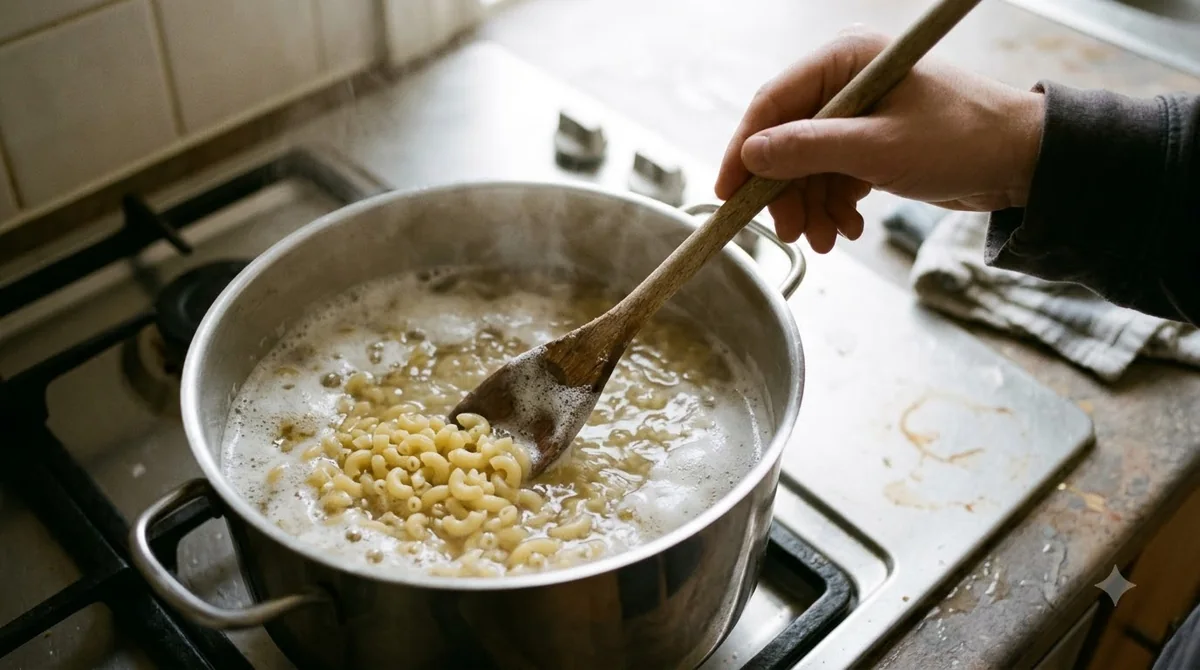

Do you put oil in pasta water? No, and the habit does little for the pasta. Oil floats on top of boiling water, so it rarely reaches the noodles while they cook. Worse, it can leave a slick film that keeps sauce from clinging after you drain.
So when you ask do you put oil in pasta water, skip the oil, then season the water with salt, use plenty of it, and stir during the first minutes.
Do you put oil in pasta water? Why it does not help
Oil floats on top of boiling water because oil and water do not mix, so it does not coat the noodles while they cook.
Oil and water separate because oil is non-polar and water is polar. Fine Dining Lovers answers do you put oil in pasta water by describing what happens when oil is poured into a rolling pot: it rises to the surface and spreads in circles instead of clinging to the pasta. The article, in its olive oil myth check on pasta water, calls the practice an old wives’ tale.
Vincenzo’s Plate, an Italian food blog, makes the same point and adds that oil does not flavor the water either. It describes the habit as one that looks good on camera but has no real purpose. So the honest answer to do you put oil in pasta water is that it gives little of the sticking benefit people hope for.
Many people still ask do you put oil in pasta water because the habit is passed down from family and from cooking videos. Vincenzo’s Plate says the practice survives because it looks good on camera. A tip that looks professional on screen does not have to work in the pot, and the pasta in your pot is the test that matters.

Do You Put Oil in Pasta Water? How It Can Ruin Your Sauce
Oil that does reach the drained noodles leaves a slick film, and that film keeps sauce from clinging to the pasta.
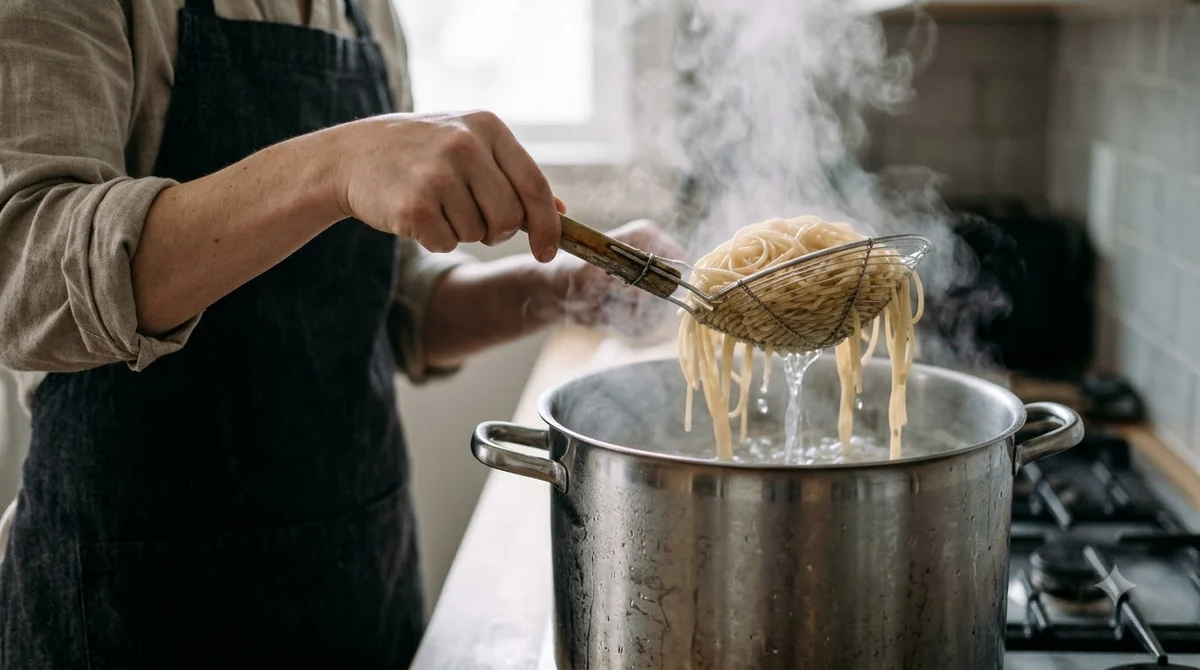
Vincenzo’s Plate describes the result plainly: draining leaves a thin oily film that makes the pasta slippery, so sauce slides off instead of coating each strand. Lidia Bastianich has made the same argument. In a Chowhound article that quotes her interview with Wisconsin Public Radio, she says oil “will coat your pasta and will inhibit the sauce to grasp on to your cooked pasta.”
This is why the answer to do you put oil in pasta water matters most with sauces meant to grip the noodle, because a film on the pasta leaves the sauce to pool at the bottom of the bowl.
When asked do you put oil in pasta water, Lidia Bastianich’s advice is blunt, and the Chowhound piece repeats it: never, never, never put oil in the water. Her objection is the same as the one above. The oil floats, and what reaches the pasta after draining is the part that gets in the way of the sauce.
What to do instead: salt, water, and stirring
Salt the water well, use plenty of it, and stir during the first minutes, which covers the sticking problem that oil claims to solve.
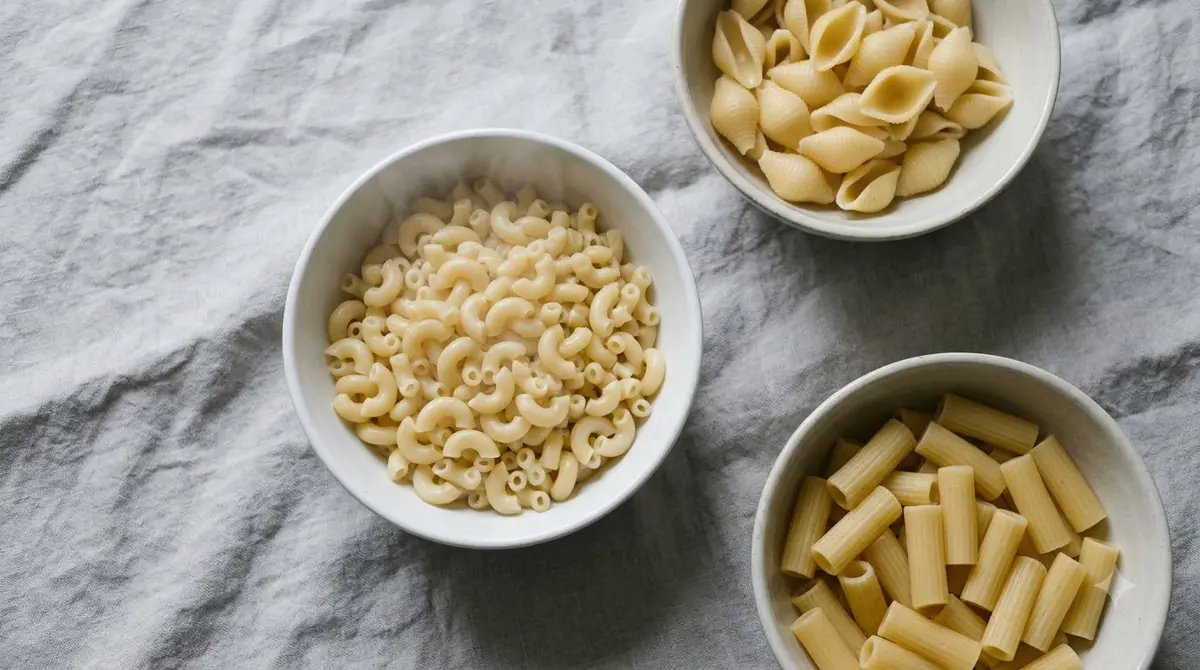
- Salt generously, as covered in should you salt pasta water. Chowhound gives one teaspoon of salt for every four cups of water, and Vincenzo’s Plate recommends at least one big tablespoon of sea salt or rock salt.
- Use plenty of water. Vincenzo’s Plate says only to add plenty of water. We could not find a reliable pounds-to-quarts ratio in the pages we read, so check the directions on the pasta package.
- Bring the water to a full boil before the pasta goes in. Nigella Lawson’s answer to do you put oil in pasta water calls for plenty of well-salted boiling water.
- Stir once or twice early on. Nigella’s guidance is that a stir or two keeps the pasta from sticking to the pan, and it costs nothing.
Salt seasons the noodles as they cook, which oil cannot do because it sits on the surface and never reaches the pasta in any useful amount. The one step that changes the flavor of the dish happens in the water, so spend your effort there.
Start tasting at the cooking time printed on the package, which is the same timing logic behind how to cook pasta al dente, since that is the most reliable timing guide you have. Drain when the pasta is cooked through but still firm to the bite, and move it straight into the pan with the sauce so it finishes cooking together. Whether you answer do you put oil in pasta water with yes or no, that timing decides the texture, and oil does not change it.
Oil in the water versus oil after draining
Oil after draining can help pasta served cold, while oil in the cooking water adds little and can work against a hot sauce.
| Option | What happens | Best use |
|---|---|---|
| Oil in the cooking water | Floats on top and does not mix with the water | Not recommended |
| Oil after draining | Coats the drained pasta directly | Pasta salad served cold |
The fair answer to do you put oil in pasta water depends on timing, and Fine Dining Lovers suggests adding oil after draining, when the water no longer interferes with its effect. Nigella Lawson recommends a small drizzle of olive oil tossed through cooked pasta when you are making a salad, so the strands do not clump together.
Save pasta water instead of adding oil
Before you drain, reserve about a cup of the starchy pasta water, since it is the liquid you use to loosen a sauce that has turned too thick.
Nigella’s answer advises saving a cupful of the pasta cooking water before draining. Add it to the pan a splash at a time, tasting as you go, until the sauce coats the noodles. If you still wonder do you put oil in pasta water for a smoother sauce, this is the practical substitute, because it helps the sauce bind without leaving a greasy film on the pasta.
Toss the drained pasta in the pan over low heat with the sauce and a splash of the saved water. Keep tossing until the sauce coats each strand evenly and no liquid pools at the bottom. If it looks dry, add a little more water rather than oil, so the sauce stays clingy and the noodles keep their texture.
Common mistakes with oil and pasta water
The biggest mistake behind do you put oil in pasta water is expecting oil to season the water or stop sticking, because it does neither in the pot. Most of the other errors come from the same place, which is treating the water as a place to add extras rather than as the cooking medium itself.
Keep the pot large enough that the water comes back to a boil quickly once the pasta goes in; our picks for the best pasta pots are sized for this. A pot that is too small makes the water cool down and the pasta sit in a crowded mass, which is when strands stick together.
- Expecting oil to flavor the water, which Vincenzo’s Plate says it does not do.
- Using too little water, so the noodles crowd together and stick.
- Skipping the stir in the first minutes, when the strands are most likely to cling.
- Salting lightly, so the pasta tastes flat even with a good sauce.
- Draining everything and forgetting to save a cup of cooking water for the sauce.
What we could not confirm
We could not confirm a fixed water-per-pound ratio or a boil-over benefit from oil in the pages we read, so those details stay out of this guide.
Some sources answer do you put oil in pasta water with a yes for foaming, saying a little oil reduces it. None of the pages we opened gave a measured result for that claim, so treat it as unverified. Check your pot size, the heat level and the directions on the pasta package instead.
Frequently Asked Questions
Does oil stop pasta from sticking?
No. Plenty of boiling, well-salted water and a stir or two in the first minutes do more to keep strands apart, according to Nigella Lawson’s guidance. Oil in the pot floats and does not coat the noodles while they cook.
Does oil stop pasta water from boiling over?
Some online sources say it does, but we could not confirm that claim from the pages we read. If the pot foams, lower the heat slightly and use a pot with room above the water line.
Can you add oil to pasta after you drain it?
Yes, a small drizzle of olive oil after draining helps keep cold pasta from clumping, which is why Nigella suggests it for salads. For hot pasta with sauce, the sauce and a splash of the saved cooking water matter more.
How much salt should go in pasta water?
Chowhound gives one teaspoon of salt for every four cups of water. Vincenzo’s Plate recommends at least one big tablespoon of sea or rock salt, so adjust the amount to the size of your pot.
Do you put oil in pasta water if the pasta still sticks?
No. Check three things: the water was at a full boil before the pasta went in, the pot had enough water for the amount of pasta, and you stirred during the first minutes. Those are the steps covered above, and oil is not one of them.
Does oil add flavor to pasta water?
No, so if you wonder do you put oil in pasta water for flavor, it does not help. Oil sits on the surface and does not season the water, according to Vincenzo’s Plate. Salt is the ingredient that seasons the noodles as they cook.
So, do you put oil in pasta water? Skip the oil and put your effort into salt, plenty of water, and a stir or two in the first minutes. Keep a cup of the cooking water on hand for the sauce, and save olive oil for pasta you serve cold in a salad.
 9 min readLearnShould You Salt Pasta Water? Yes, Here Is How MuchUpdated Nov 10, 2026
 9 min readLearnNo Knead Pizza Dough: Flour, Water and Time Do the WorkUpdated Nov 10, 2026
 8 min readLearnCan You Freeze Pizza Dough? Yes, Here Is How to Do It RightUpdated Nov 6, 2026
 9 min readLearnStarchy Pasta Water for Sauce: What It Does and How to Use ItUpdated Nov 10, 2026
 6 min readLearnEggless Pasta Dough: Semolina, Water and Resting TimeUpdated Nov 13, 2026
 8 min readLearnNo Cook Pizza Sauce Recipe: Easy Method and TipsUpdated Nov 11, 2026