
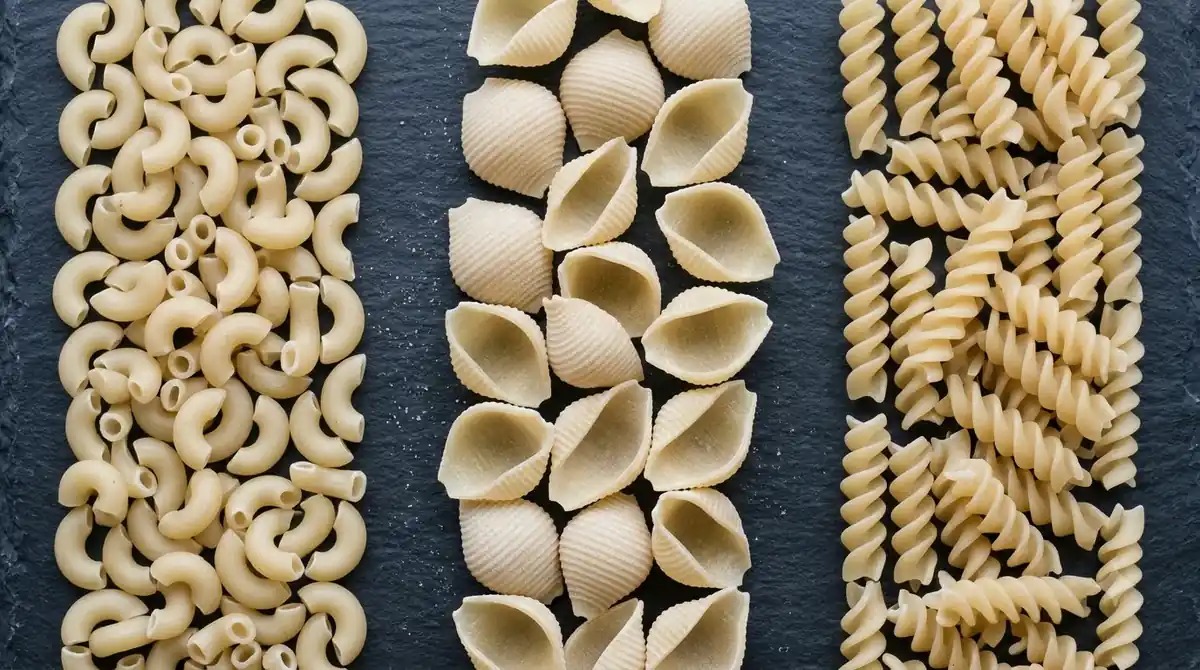

Gigli pasta is a small, cone-shaped dried pasta with ruffled edges, named after the Italian word for lilies. Its fluted, petal-like edges and hollow center give gigli room to catch thick sauces. Many brands sell it as campanelle, so the name on the package can differ.
Gigli pasta is also called campanelle or riccioli, so check the label before you shop. It works best with thick sauces that cling to the ruffles rather than thin ones.
What Is Gigli?
Gigli pasta is a dried wheat pasta shaped like a cone with a ruffled top, similar to a bell-shaped flower.
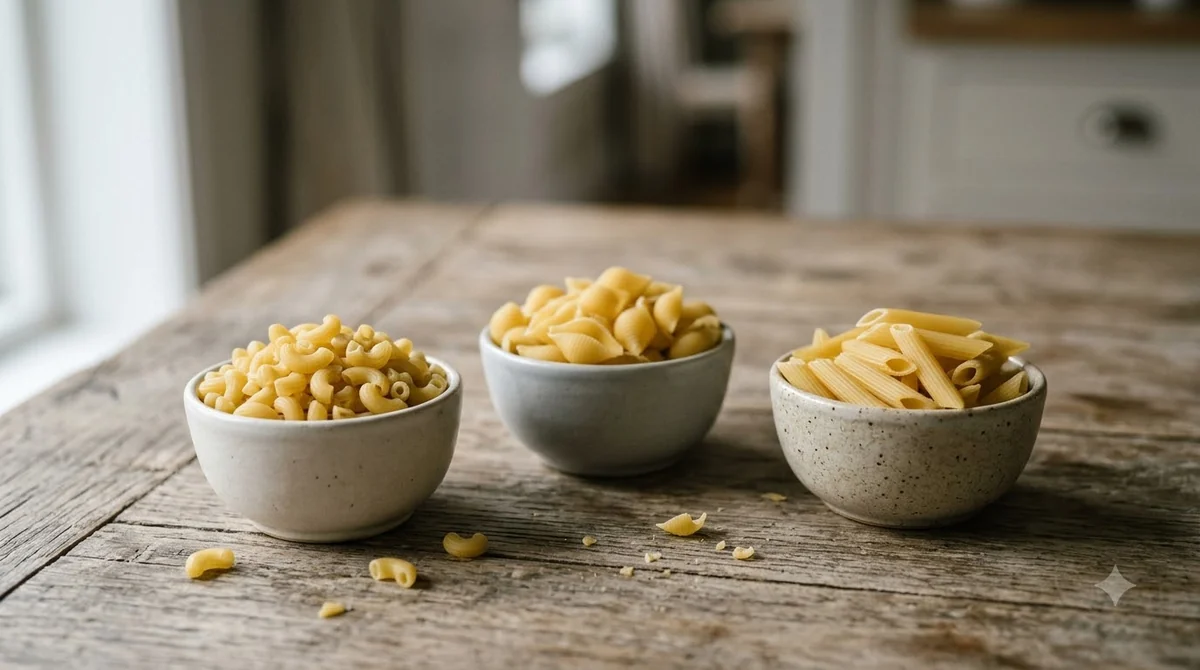
The name of gigli pasta means “lilies” in Italian, and the shape is meant to look like a lily opening. Many guides also call it campanelle, which means “little bells,” or riccioli, which means “curls.”
Barilla describes the shape as having fluted, petal-like edges and a hollow center for capturing sauce. Wheat is the main ingredient, and gigli is sold as a dried pasta.
Compared with a flat shape such as fettuccine, gigli gives sauce more places to sit. The hollow cone and ruffled edge create small pockets that can hold bits of meat, beans, cheese or herbs, so each forkful carries more of the sauce.
On many shelves, gigli pasta appears under the campanelle name, because large producers mostly market it that way. Reading both names on the package helps you find it faster and avoid buying the wrong box by mistake.
Where Gigli Comes From
Gigli pasta is said to come from Tuscany, although some sources dispute this, and no documented inventor or firm creation date has been found.
Many Italian recipes call it “gigli toscani,” or Tuscan gigli, which points to its regional home. Its link to Florence comes from the lily, which has been part of the city’s coat of arms for around one thousand years.
Some writers also connect the name to the Latin word “florentia,” meaning flowering, but that link is not confirmed. For a longer look at the origin debate and the name, read The Pasta Project’s gigli article. Treat the origin story as well supported but not settled history.
What the Sources Agree On
Most sources agree on three points: the name means lilies in Italian, the shape is a cone with a ruffled edge, and the lily motif ties the pasta to Florence. They disagree on whether the shape began in Tuscany.
Many pages on the topic are retailers and food blogs that repeat one another and do not cite primary historical research. That is why the origin is best described as a traditional attribution rather than a documented fact.
Gigli vs. Campanelle: Are They the Same?
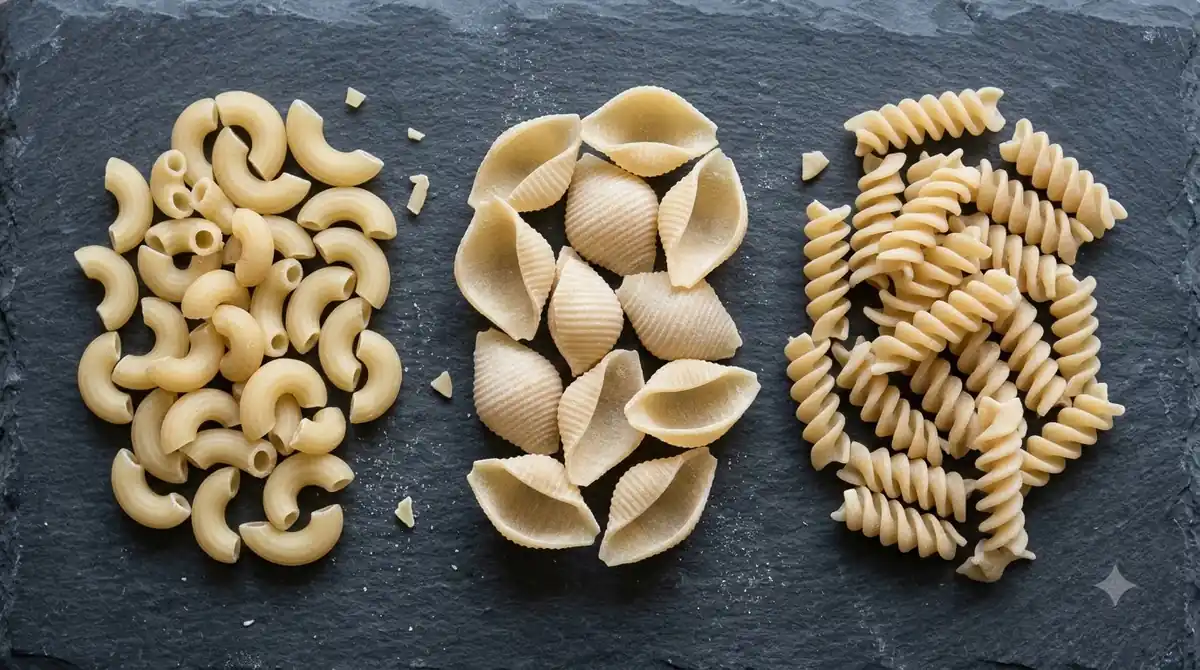
Gigli pasta and campanelle describe the same ruffled cone shape, so the name printed on the package is the main difference you will see.
| Name | Meaning | Where you will see it |
|---|---|---|
| Gigli | “Lilies” in Italian | Italian packs and Tuscan recipes |
| Campanelle | “Little bells” | Packs from large producers such as Barilla, De Cecco and La Molisana |
| Riccioli | “Curls” | Some Italian sellers |
One Italian food writer reports that gigli pasta is hard to find in her area of Veneto, so campanelle is the name to search for on store shelves. Our campanelle pasta guide covers the same shape in more detail.
In the US, Chowhound says gigli is easy to find at Trader Joe’s. Stock varies from store to store, so check the pasta shelf for both names before you assume a shop does not carry it.
When you compare packs side by side, the printed cook time is the number to trust at the stove. The shape stays the same across names, so the label is the place to check details that vary.
Best Sauces for Gigli Pasta
Gigli pasta pairs best with thick sauces that fill its ruffled cups, such as pesto, meat sauces and creamy cheese sauces.
- Pesto, which clings to the ruffled edges.
- Bolognese and other meat sauces. Tuscans serve it with venison ragù.
- Carbonara, where pancetta and cheese settle into the folds.
- Béchamel or cheese sauces, and baked dishes such as macaroni and cheese.
- Beans, lentils, chickpeas, pumpkin and other chunky vegetables.
- Leafy greens cooked with speck or pancetta.
Thin, watery sauces are a weaker match for gigli because they run off the ruffles instead of staying in the cups.
Cooksinfo describes gigli as good with thick sauces, which is the simplest rule to remember when you plan a meal. Cheese, pesto and meat sauces all meet that test.
Gigli also works in cold pasta salads, where the cups hold dressing and small pieces of vegetable. If you cannot find gigli, farfalle or penne are common substitutes in recipes.
Serving Ideas Beyond Sauce
Gigli pasta also suits baked and cold dishes. Chowhound lists macaroni and cheese and potluck pasta salad as good uses, and notes that the ruffled cups hold dressing and small bits of food.
For a warm main course, Chowhound suggests tossing gigli with butter and lemon zest, then serving it with roasted chicken and sautéed zucchini. Once the pasta is tossed in sauce, Parmesan and herbs settle well into its nooks.
The Pasta Project’s author shares a Tuscan recipe, pasta tordellata, that combines meat ragù, Swiss chard and ricotta. It shows how a shape with ruffled edges can handle both a rich meat sauce and soft cheese in one dish.
How to Cook Gigli Pasta
Cook gigli pasta for about 7 to 10 minutes, but check the package because sources give slightly different times.
- Bring a large pot of water to a rolling boil and add salt. Use the amount printed on your package.
- Add the gigli pasta and stir during the first minute so the cones do not stick together.
- Start tasting around 6 minutes. One source gives 6 to 7 minutes and another gives 7 to 10 minutes.
- Save a cup of the cooking water before you drain the pasta.
- Toss the drained pasta with sauce while it is hot so the sauce settles into the ruffles.
Taste a piece at the earliest time on the package (our guide to cooking pasta al dente explains the test), and keep tasting until it is tender but still firm in the center. Drain it once it reaches that point, since it keeps cooking while it sits in hot water.
Homemade gigli pasta needs a pasta machine with a bronze die attachment, according to The Pasta Project, and bronze dies are also what give bronze cut pasta its rough texture. Dried gigli from the store is the simpler choice for everyday dinners.
Common Mistakes With Gigli
Trusting a single cook time is the first mistake. Published sources disagree, so the package and a taste test are more reliable than one number.
Choosing by name alone is the second. Campanelle and gigli describe the same shape, so read the cook time on the label rather than assuming the name tells you everything.
Thinning a thick sauce with plain water is the third. Save a little starchy pasta water instead, since it loosens a sauce without washing out its flavor and keeps it clinging to the ruffles.
Frequently Asked Questions
Is gigli the same as campanelle?
Yes, in practice they describe the same ruffled cone shape. Gigli means “lilies” in Italian, while campanelle means “little bells,” so the name on the box is usually what changes.
What does gigli mean in Italian?
Gigli pasta means “lilies” in Italian. The name links the shape to the lily flower, which has been part of Florence’s coat of arms for around one thousand years, according to The Pasta Project.
How long do you cook gigli?
Sources give about 7 to 10 minutes, or about 6 to 7 minutes. Check the cook time on your package, and start tasting a piece a minute or two before the earliest time listed.
What sauce goes best with gigli?
Choose thick sauces such as pesto, bolognese, carbonara or a creamy cheese sauce. The ruffled cups hold these better than thin sauces, which tend to run off the shape.
Can you use another pasta instead of gigli?
Yes. Farfalle or penne are common substitutes in recipes. Pick a shape with a hollow center or ridges if you want the sauce to cling.
If you want a pasta that holds chunky or creamy sauce, gigli pasta is a good pick. Read the package for the exact cook time and the name, since campanelle may be the label you see. For very thin sauces, choose a shape with less surface detail. More shape guides are in Learn.
 7 min readLearnCencioni Pasta: A Petal-Shaped Italian Pasta ExplainedUpdated Nov 11, 2026
 7 min readLearnScarpinocc Pasta: The Shoe-Shaped Filled Pasta From ParreUpdated Nov 11, 2026
 8 min readLearnCorzetti Pasta: What It Is, How It Is Shaped and How to Serve ItUpdated Nov 6, 2026
 8 min readLearnCappellacci Pasta: The Hat-Shaped Stuffed Pasta From FerraraUpdated Nov 6, 2026
 8 min readLearnLumache Pasta: The Shell-Shaped Pasta ExplainedUpdated Nov 10, 2026
 8 min readLearnAnelli Pasta: What It Is, Where It Comes From and How to Cook ItUpdated Nov 10, 2026