

The best pesto depends on how you plan to cook it, but every good jar should show basil, olive oil, a named hard cheese, and its nuts clearly on the label. Storage matters as much as the recipe.
This guide explains what to check on the label, how jarred and homemade versions differ, and which styles suit pasta. Use it as a checklist rather than a ranking, since no single jar fits every kitchen.
This guide gives general food-safety and labeling information, not medical advice. If you have a nut allergy, read every label and speak with your doctor or allergist.
What Pesto Is and What Goes Into It
Pesto is a paste from Genoa, traditionally made from Genovese basil, garlic, pine nuts, coarse salt, Ligurian olive oil, and a grated hard cheese.
The name comes from the Genoese verb for “to pound”, which describes the method. In the traditional approach, the cook grinds the garlic and pine nuts first in a marble mortar, then adds the basil and salt, and stirs in the cheese last. The cheese is usually Parmesan or Grana Padano, often paired with pecorino sardo or pecorino romano. The Wikipedia pesto entry gives this sequence and the ingredient list.
Basil did not always dominate the recipe. According to the same source, basil became the main ingredient only in more recent times, and the first documented use dates to the 1850s. A jar that tastes strongly of herbs is therefore not automatically closer to the original recipe. If you want to use a jar on a pie, see our pesto pizza recipe.
What to Check on the Label Before You Buy
Five lines on the label decide most of the flavor and how long the jar keeps, so check them before you choose the best pesto: basil, cheese, oil, nuts, and storage wording.
Each line tells you something different about the product you are buying.
| Label line | What to look for | Why it matters |
|---|---|---|
| Basil | Basil named as a main ingredient, not only “herbs” | Basil defines the classic flavor, so a jar built on other greens tastes different. |
| Cheese | A named hard cheese such as Parmigiano-Reggiano or Grana Padano | A generic “Parmesan” can be a different product, depending on the country. |
| Oil | Olive oil named by type | The oil carries flavor and texture, and a generic blend changes the result. |
| Nuts | Pine nuts, or a named substitute such as almonds, walnuts or cashews | Substitutes change the taste and matter for anyone with a nut allergy. |
| Storage | Refrigerated or shelf-stable wording, and any instruction after opening | Shows where the jar belongs and how soon you should use it once opened. |
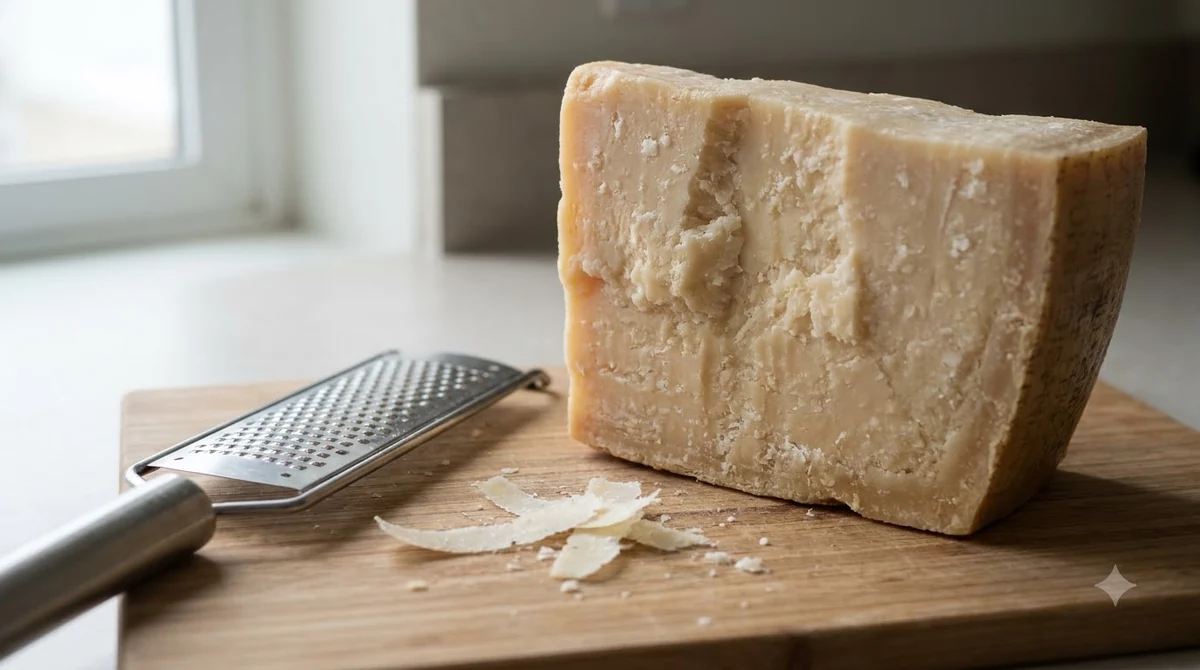
Cheese wording is the line most shoppers skip. Parmigiano-Reggiano is a protected name in the European Union, with a minimum aging of 12 months, according to the Wikipedia Parmigiano-Reggiano entry. Outside the EU, the same entry notes that “Parmesan” is often a generic name for imitations, and some grated American Parmesan has been aged for less than 12 months. A full, specific cheese name on the jar tells you more than a single word.

How to Pick the Best Pesto for Pasta
To choose the best pesto for your pasta, pick the style that fits the pasta and the diners, because a loose, herbal paste and a thick, cheesy one behave differently on the plate.
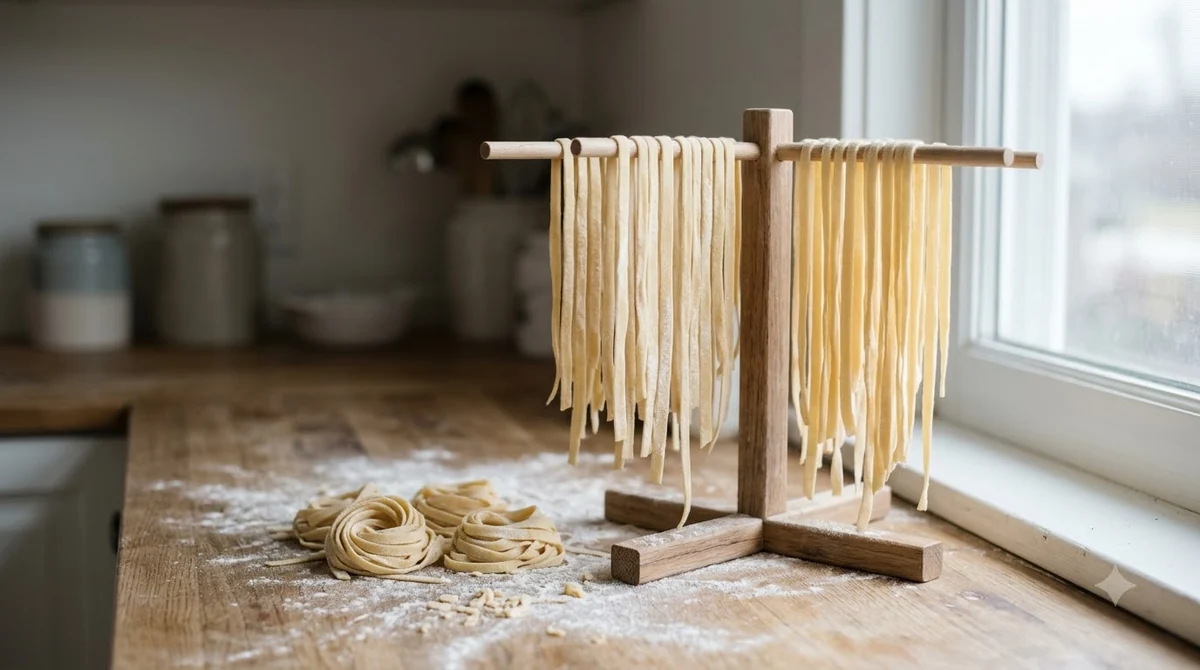
Start with the sauce you want. Long, flat shapes such as linguine pasta carry a light, loose paste well, while short shapes with ridges or hollows hold a thicker paste. These are starting points for choosing the best pesto, not rules, and the result depends on your own taste. See our trofie pasta guide for one shape often paired with pesto, and if you buy dried pasta, our guide to bronze cut pasta brands covers what to look for.
- Pick a traditional basil style when you want the familiar Genoese taste, with cheese and olive oil clearly named.
- Pick a pistou style when you want a sharper, herb-forward sauce. Wikipedia describes pistou as usually olive oil, basil and garlic, often without cheese.
- Pick a nut-substitute style when pine nuts are unavailable or too costly, and read the nut line before you buy.
- Pick a dairy-free jar only if it names its replacement for cheese, such as miso paste or nutritional yeast, which the pesto entry lists as common substitutes.
Jarred Pesto Versus Homemade Pesto
Jarred pesto is the convenient way to buy the best pesto when its label gives shelf-stable or refrigerated storage, while homemade pesto needs refrigeration and should be used within about a week.
Homemade pesto keeps best when it sits under a layer of extra virgin olive oil in a tight jar or airtight container. The Wikipedia pesto entry says it can last up to a week in the refrigerator this way, and that it can be frozen for later use. Freezing is the practical option when you make a large batch. For the oil itself, see our picks for the best olive oil to buy.
Garlic needs extra care. The Wikipedia botulism entry notes that garlic or herbs stored covered in oil without acidification are a rare source of infection, and it advises that oils infused with fresh garlic or herbs should be acidified and refrigerated. Use a recipe from a tested source, keep homemade pesto cold, and do not treat it as a room-temperature sauce.
Variations and Allergy Notes
Pesto has several established variants, and nut swaps are the change that most affects who can safely eat the best pesto you buy.
The Wikipedia pesto entry lists several variants. Pistou from Provence is usually olive oil, basil and garlic, often without cheese. Pesto alla siciliana uses fresh tomato and almonds instead of pine nuts, with much less basil. Pesto alla calabrese adds grilled bell peppers and black pepper for a spicy result.
Almonds, walnuts and cashews are also used in place of pine nuts for cost, availability or taste. Coriander, kale, parsley and spinach can replace some or all of the basil. Vegan versions replace the cheese with miso paste or nutritional yeast.
Allergy labeling deserves the closest reading. The FDA food allergies page lists nine major food allergens: milk, eggs, fish, crustacean shellfish, tree nuts, peanuts, wheat, soybeans and sesame. Sesame became the ninth under the FASTER Act, effective January 1, 2023. Tree nuts must be declared by type, such as almonds, pecans or walnuts. The FDA page we read does not say whether pine nuts count as tree nuts, so check the label and ask your doctor about any nut allergy.
Storage, Pine Nut Freshness and Freezing
Shelled pine nuts can turn rancid within weeks or even days in warm, humid conditions, so storage affects the nuts you put into a homemade paste.
The Wikipedia pine nut entry says unshelled nuts keep a long time when kept dry and refrigerated. Shelled nuts deteriorate much faster, and some can already be rancid when you buy them, which is why they are often frozen to keep their flavor.
Smell and taste a few nuts before grinding them. Rancid nuts leave a stale taste that the basil and cheese cannot hide, so a fresh bag matters as much as the recipe.
Some raw pine nuts can cause pine mouth, a temporary taste disturbance. The same source says these cases are self-limited and resolve without treatment.
Frequently Asked Questions
Is jarred pesto good on pasta?
Yes, the best pesto in a jar works on pasta when its basil, oil and cheese are clearly labeled and the jar is stored as the label says. Stir a spoonful into warm pasta with a little of the cooking water to loosen it, then add more cheese or oil only if the texture needs it.
Does pesto need to be refrigerated?
Homemade pesto should be refrigerated and used within about a week, covered with a layer of olive oil. For a store-bought jar, follow the storage line on its own label, since shelf-stable and refrigerated products are handled differently.
Is Parmesan the same as Parmigiano-Reggiano?
Not always. Parmigiano-Reggiano is a protected name in the European Union with a minimum aging of 12 months. Outside the EU, Parmesan can be a generic name for imitation cheese, so the full product name on the label tells you more.
Can I make pesto without pine nuts?
Yes. Almonds, walnuts and cashews are common substitutes, and the Wikipedia pesto entry describes the Sicilian version made with almonds. The taste changes, so start with a small batch and check the nut line on any store-bought jar.
Does pesto contain dairy?
Traditional pesto usually contains a hard cheese such as Parmesan or Grana Padano, often with pecorino. Pistou often has no cheese, and vegan versions replace the cheese with miso paste or nutritional yeast, so read the ingredient list if you avoid dairy.
Choose the best pesto for your kitchen by matching the label to your pasta, read the cheese and nut lines, and treat every opened jar as perishable. If the label does not name the cheese or the nuts clearly, pick a different jar rather than guessing.
 9 min readGear & PantryHow to Choose a Pasta Pot Size That Fits Your CookingUpdated Nov 11, 2026
 9 min readGear & PantryHow to Choose a Pizza Stone Size That Fits Your OvenUpdated Nov 11, 2026
 8 min readGear & PantryBest Jarred Pasta Sauce: How to Pick a Good JarUpdated Nov 17, 2026
 9 min readGear & PantryBest Pine Nuts for Pesto: What to Buy and WhyUpdated Nov 13, 2026
 8 min readGear & PantryBest Table for Ooni Karu 2: Stands and Surfaces That FitUpdated Nov 11, 2026
 9 min readGear & PantryBest Hot Honey: How to Choose the Right Jar for Your KitchenUpdated Nov 16, 2026