
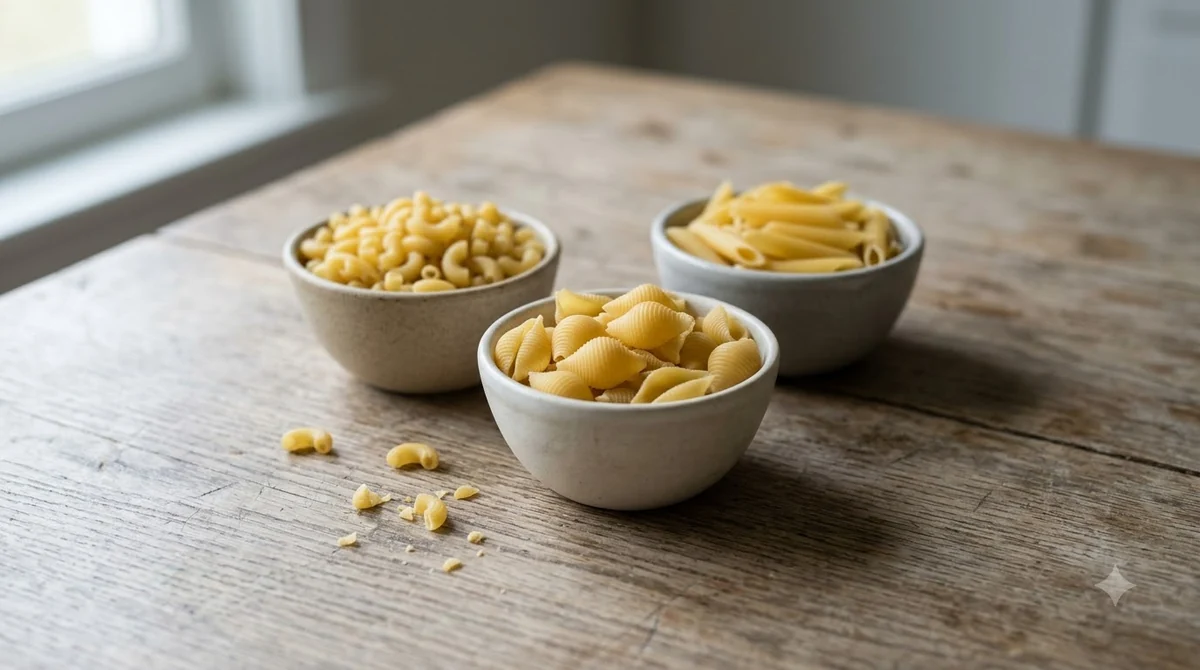

A stuffed shells recipe starts with large pasta shells filled with a creamy cheese mixture and baked in tomato sauce. The shell shape holds the filling and the sauce together, which makes it one of the most practical baked pasta dishes for home cooks. Use fresh ricotta and a simple filling for the best texture.
The method is straightforward: cook the shells until just tender, fill them, arrange them in sauce, and bake. This stuffed shells recipe uses numbers from two published sources, so you get a cooking time, an oven temperature and a filling amount to follow.
What Are Stuffed Shells?
Stuffed shells are conchiglie shells, Italian pasta shaped like seashells, filled and then baked. The name conchiglie comes from the Italian word for seashell, and the shape is designed so sauce clings to the pasta. Conchiglie are usually made from plain durum wheat, although colored versions use natural pigments.
Stuffed pasta is a broader family. According to Wikipedia’s overview of stuffed pasta, it is usually a sealed pasta wrapped around a filling. Ravioli and tortellini are the best-known examples. Shells belong to the same idea, except the filling sits in an open shell rather than a sealed pouch.
A stuffed shells recipe is also flexible. You can change the filling, adjust the sauce, or add vegetables, as long as the filling stays thick and the shells stay intact. That open shape is what makes shells easy to fill. A spoon or piping bag can reach the hollow without folding the dough, and the filling stays in place while the dish bakes. The result is a single pan that holds both pasta and filling in every bite.
Choosing Shells for a Stuffed Shells Recipe
For any stuffed shells recipe, choose large shells with a deep hollow, sometimes sold as jumbo shells, so they hold a generous spoonful of filling. Italian packaging often calls the larger size conchiglioni, while conchigliette is the miniature version.
- Look for shells with a wide, smooth bowl that will not crack when filled.
- Pick a durum wheat pasta if you want the shell to keep its shape during baking.
- Avoid very thin or broken shells, since they tear during cooking and filling.
DeLallo says a 12-ounce box of its jumbo shells holds around 35 shells, which is enough for a 24 to 26 shell batch plus spares for the ones that tear. Check the package for the size and cooking guidance, because brands shape their shells differently and the same name can mean slightly different dimensions.
Making the Ricotta Filling
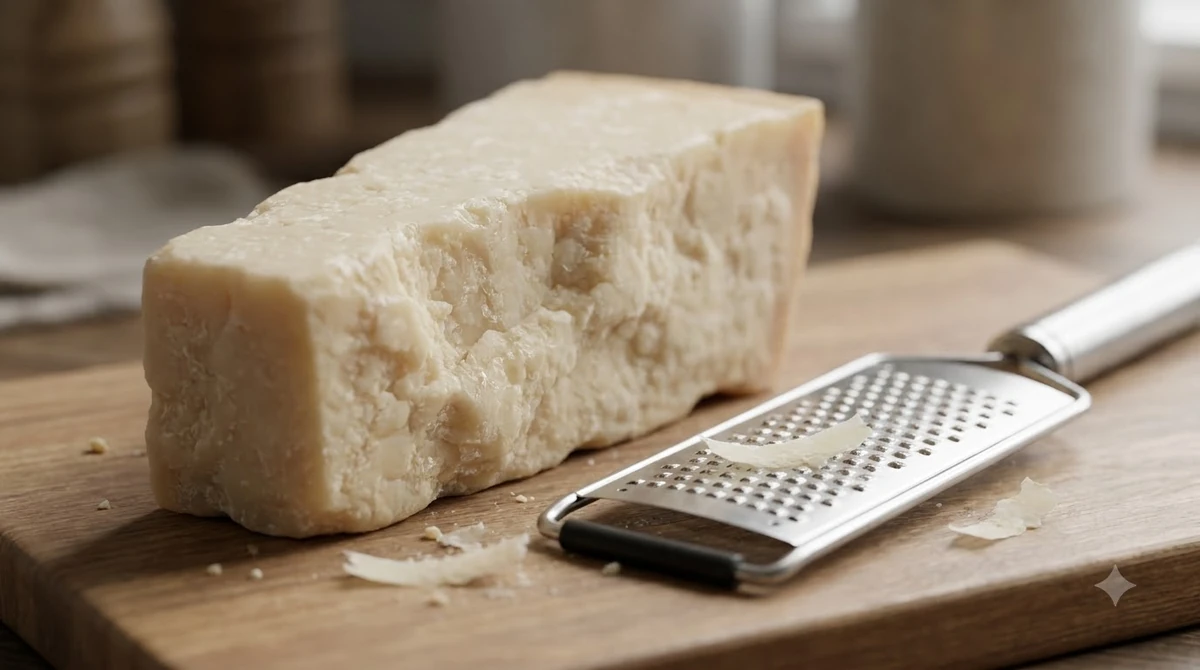
A classic filling for a stuffed shells recipe is ricotta mixed with grated cheese, an egg to bind, and seasoning. Ricotta is an Italian whey cheese, and Wikipedia’s ricotta article explains that modern versions are often made from milk rather than whey. It has a creamy white curd and a slightly sweet taste.
Traditional ricotta is made by letting the whey sit for 12 to 24 hours at room temperature, then heating it near boiling until the proteins form a fine curd. That process explains why ricotta is so perishable. Store it cold and use it within the date on the container.
- Drain fresh ricotta in a fine sieve if it looks watery.
- Stir in grated Parmesan or Pecorino for savory depth.
- Add an egg and seasoning, then mix until smooth.
- Add chopped herbs or cooked spinach only if they are squeezed dry first.
Ricotta is also the standard filling in other baked dishes, including ravioli and manicotti, so the same mixture works in several recipes. In a stuffed shells recipe, the filling is the part that most affects flavor and texture. Keep the filling thick enough to hold its shape in a spoon.
For amounts, a published DeLallo pesto and spinach stuffed shells recipe uses one 16-ounce container of whole-milk ricotta, 1 pound of thawed frozen spinach, one-third cup of freshly grated Parmigiano Reggiano, 1 teaspoon of lemon zest and a pinch of chili flakes, with about 2 tablespoons of filling per shell. Scale that stuffed shells recipe down or up by the same ratio if your box has a different shell count.
Cooking and Filling the Shells
Cook the shells in salted water until just tender, then drain and spread them on a tray so they cool quickly. DeLallo advises cooking jumbo shells for around 8 minutes to reach al dente, and stopping early is wise because they finish in the oven. Check the package for the exact time of your brand. Every stuffed shells recipe depends on this step, since shells that are too soft will not hold their filling.
- Bring a large pot of salted water to a boil and cook only a few shells at a time, without adding oil.
- Stir gently during cooking so the shells do not stick together.
- Drain and rinse lightly with cool water so they are easy to handle.
- Fill each shell with a spoon or piping bag, pressing the filling into the hollow.
Handle the shells gently after cooking. Overcooked shells tear easily, and a tear lets filling leak into the sauce. DeLallo also suggests rinsing the cooked shells with cool water so they are easy to handle, in line with the DeLallo jumbo shells guide.

Sauce and Baking
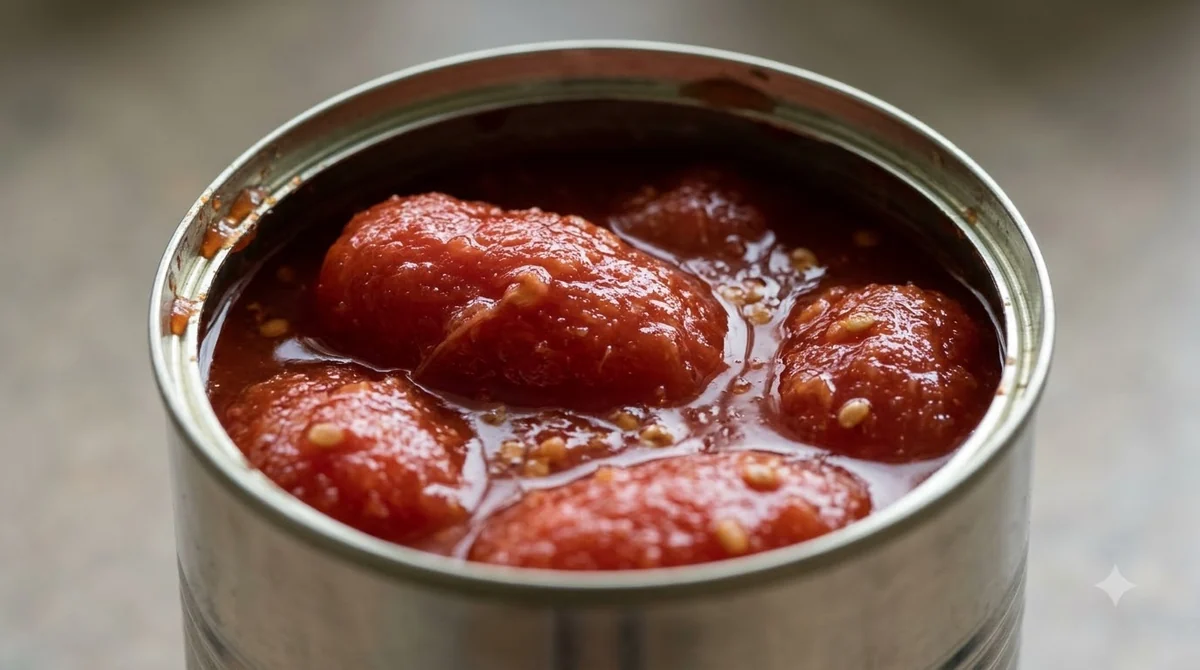
Spread a thin layer of tomato sauce, jarred or homemade marinara, in the baking dish, set the filled shells on top, and spoon more sauce over them. The sauce layer underneath keeps the shells from drying out, and the sauce on top adds moisture and flavor.
- Spread sauce in the bottom of the dish.
- Arrange the filled shells open side up in a single layer.
- Spoon sauce over the shells and add shredded mozzarella if you like.
- Cover and bake, then uncover for the final stage until the top is hot and bubbling.
The DeLallo recipe bakes 24 to 26 filled shells at 375°F for 30 minutes, until bubbly, and serves 6. It spreads 1½ cups of sauce in the dish first and spoons 1 cup over the top, with ¾ cup of shredded mozzarella added. Treat those numbers as a starting point for any stuffed shells recipe, and check the dish earlier if your oven runs hot.
If you are choosing a dish, a deep ceramic or metal pan from our guide to the best lasagna pans holds a single layer of shells with room for sauce.
Common Mistakes to Avoid
The most common problems with a stuffed shells recipe are overcooked shells that tear, overfilled shells that leak, and a dry dish from skipping the sauce layer under the shells.
- Cooking the shells until fully soft, which makes them break during filling.
- Packing the filling too full, so it spills out during baking.
- Leaving out the sauce under the shells, which leaves the pasta dry.
- Using watery ricotta without draining it first.
Storing Leftovers from a Stuffed Shells Recipe
Cool leftover stuffed shells from your stuffed shells recipe before storing them, then refrigerate promptly. Ricotta is highly perishable, so do not leave an assembled dish at room temperature for long. Texas A&M’s leftover storage guidance says to refrigerate cooked food within 2 hours, keep leftovers 3 to 4 days in the refrigerator, and reheat them to 165°F.
You can assemble the dish ahead, cover it and keep it cold until baking. Freezing works best when the filling is fresh and the dish has cooled completely. The same guidance says leftovers can be frozen for 3 to 4 months for best quality. For a reheated portion of any stuffed shells recipe, bring the center to 165°F before serving.
Frequently Asked Questions
Can you make stuffed shells ahead of time?
Yes. Assemble the shells, cover the dish and refrigerate it until you are ready to bake. Ricotta is highly perishable, so keep the dish cold until it goes into the oven.
Can you freeze stuffed shells?
You can freeze them if the dish has cooled first and the filling is fresh. Texas A&M guidance puts the best-quality freezer window for leftovers at 3 to 4 months, and reheated portions should reach 165°F.
What ricotta works best for stuffed shells?
Use fresh ricotta with a creamy texture, and drain it if it looks watery. Aged varieties keep longer, but they have a firmer texture that changes the filling.
Do you need to cook the shells before stuffing?
Yes. Every stuffed shells recipe starts with shells cooked until just tender so they keep their shape, then drained and cooled before filling. Shells that are not cooked enough will not hold the filling well.
A well-made stuffed shells recipe rewards a little care at each step. Choose sturdy shells, drain the ricotta, fill gently and keep a sauce layer under the pasta. Use the 8-minute boil and the 375°F bake as your starting point, and the dish will come out of the oven creamy and hot. If you want another crowd-pleasing pasta bake, try our baked ziti recipe next.
 8 min readLearnStuffed Crust Pizza Recipe: How to Make a Cheese-Filled Rim at HomeUpdated Nov 11, 2026
 7 min readLearnJumbo Shells Pasta: What They Are and How to Cook ThemUpdated Nov 10, 2026
 8 min readLearnShells Pasta: What They Are and How to Cook ThemUpdated Nov 7, 2026
 9 min readLearnBaked Ziti Recipe: Two Reliable Versions and How to Make ThemUpdated Nov 10, 2026
 6 min readLearnHow to Make Cannoli Shells: Dough, Resting and Frying at 350°FUpdated Nov 13, 2026
 9 min readLearnGarlic Knots from Pizza Dough: How to Make Them at HomeUpdated Nov 10, 2026