
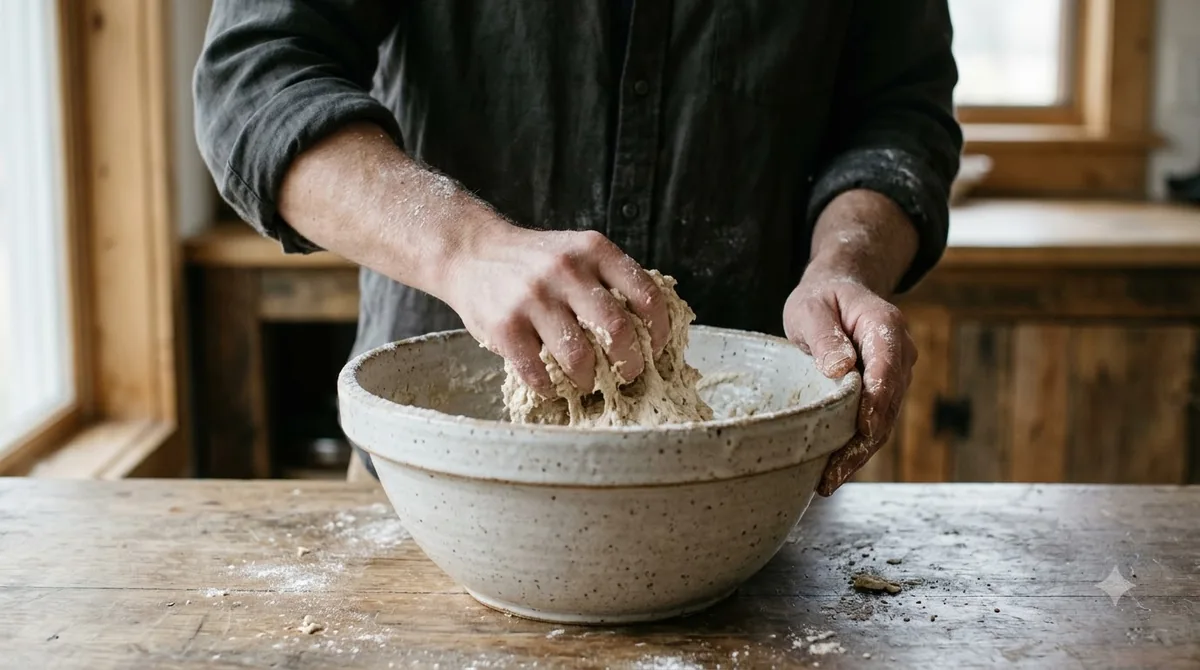

How to make pici comes down to mixing flour with water and a little salt or oil, kneading until smooth, resting the dough, then rolling it into thick strands by hand. No pasta machine is needed. The dough is simple, and the skill is in rolling the strands to an even width.
Pici is a thick, hand-rolled spaghetti from Tuscany, and it is often made without egg. The steps below follow the common method, with quantities taken from published recipes.
What Is Pici and Where Does It Come From?
Pici is a traditional pasta from the province of Siena in Tuscany. It is usually described as a fat, hand-rolled spaghetti, slightly thinner than a pencil, and it is sometimes called “pici senesi” or “pici all’etrusca”.
The Wikipedia entry on pici notes that the pasta is traditionally made with flour and water, and that eggs are optional, depending on family custom. The name and the rolling method both come from that simple dough.
What Goes Into Pici Dough?
Pici dough is usually a mix of all-purpose flour and fine semolina, with room-temperature water, a little salt and some olive oil. The semolina gives the strands a firm, chewy bite.
America’s Test Kitchen uses about 177 g (1¼ cups) of all-purpose flour and 163 g (1 cup) of semolina, with ⅔ cup of room-temperature water and 2 tbsp of extra-virgin olive oil in the dough. Its method calls for about 1 more tbsp of oil for brushing and about 1 cup of semolina for coating the strands. A simpler recipe from Reluctant Gourmet uses 2 cups of all-purpose flour, ⅔ cup of water and ½ tsp of salt.
How to Knead and Rest the Dough
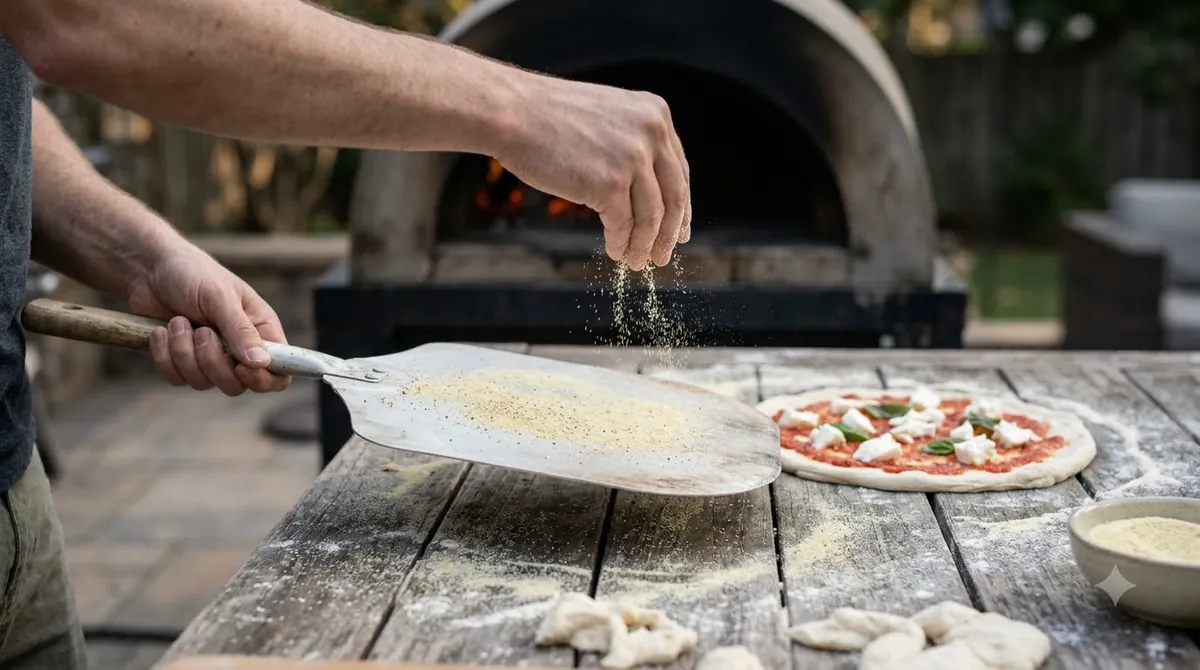
Knead the dough until it is smooth and no longer sticky, then let it rest so the flour can absorb the water. A rested dough is easier to roll into an even strand.
- Combine the flour, semolina and salt on the counter, make a well, and add the water and oil.
- Bring the dough together with your hands, then knead for about 6 to 8 minutes until smooth.
- Wrap the dough in a damp towel or plastic wrap and rest it for about 30 minutes.
Keep the dough covered while you work, so the outside does not dry and crack as you cut it.
How to Roll Pici by Hand
Pici is rolled by hand into long strands, usually one piece at a time. The goal is a strand of even width, which matters more than its exact length.
Cut the rested dough into pieces and roll each one into a rope about ¼ inch thick, then roll the rope on the counter with the flat of your hands until it forms a thin cylinder. America’s Test Kitchen aims for strands about ⅛ inch wide, and it recommends working on a clean surface, since the friction helps the dough roll. Moisten your hands if the strand slides.
Dust the strands with semolina as you go so they do not stick to each other or to the tray. Lay them on a floured or semolina-dusted tray in a single layer.
How Long to Cook Pici
Pici cooks in a large pot of well-salted boiling water. The two recipes give different times, because the thickness of the strands changes how quickly they become tender.
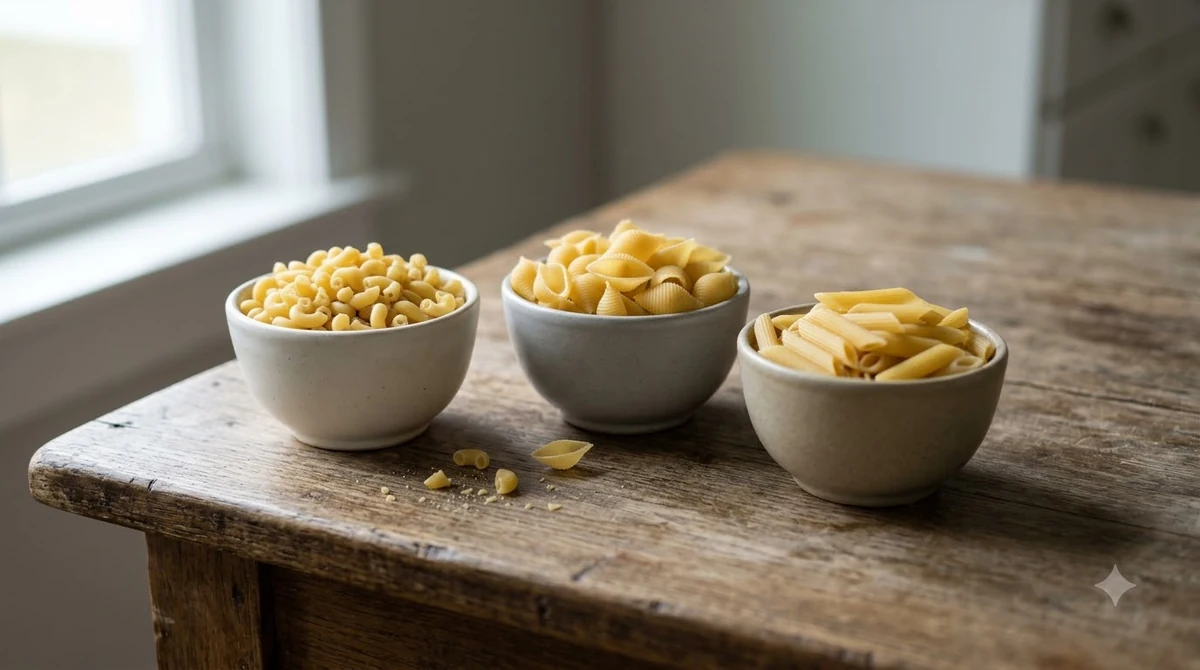
America’s Test Kitchen uses 4 quarts of water with 1 tbsp of salt and cooks the pasta for about 3 minutes after the water returns to a boil, until it is tender but springy. Reluctant Gourmet gives 6 to 8 minutes until al dente. Start tasting at the early end, and use the time from your own strands as the guide.
Reserve about 1 cup of the cooking water before you drain the pasta. A splash of it helps the sauce cling to the thick strands.
Sauces That Suit Pici
Because pici is thick and chewy, it suits sauces with some body. Wikipedia lists traditional partners such as breadcrumbs, a spicy garlic tomato sauce, cacio e pepe and meat ragù.
Start with a simple sauce, such as garlic and olive oil with breadcrumbs, so the texture of the pasta comes through. Add grated cheese or a meat sauce once you are comfortable with the strands.
How to Make Pici Step by Step
If you are learning how to make pici for the first time, work through the steps in order and do not rush the rest. Start with a dough that feels soft but not sticky. Knead it until it is smooth, then cover it so it does not dry out while you roll the first strands.
Cut the dough into manageable pieces so each one stays easy to handle. Roll one piece at a time, keep the pressure even, and lay each finished strand on a semolina-dusted tray. Working in small batches makes it easier to keep the width consistent, which is the part that takes practice.
When you cook the strands, use the timing in your recipe as a starting point and taste early. Thick pici needs a little longer than thin pasta, but it should still have some bite at the center when it is ready.
Frequently Asked Questions
Do I need a pasta machine to make pici?
No. Pici is rolled by hand on the counter. A rolling pin is not needed for the strands, though you can flatten the dough with one before cutting it.
Does pici need eggs?
Traditional pici is made with flour and water, and many recipes use no egg. Some cooks add an egg, which gives a softer, richer strand.
Why are my pici strands uneven?
Uneven strands usually come from pressing too hard in the middle of the roll. Keep the pressure light and even, and roll the strand from the middle outward so the ends do not get thicker than the center.
Should I cook pici right after rolling?
Fresh pici is best cooked soon after it is rolled. If you need to hold it, keep the strands on a semolina-dusted tray, loosely covered, and check the storage advice in your recipe before keeping them longer.
Take your time with the rolling, keep the strands even, and cook them in plenty of salted water. The first batch is usually the hardest, and the strands get more uniform with practice.
 6 min readLearnHomemade Pici: Hand-Rolled Tuscan Strands and Dough StepsUpdated Nov 13, 2026
 6 min readLearnHow to Make Trofie: Hand-Rolled Dough and Shaping StepsUpdated Nov 13, 2026
 7 min readLearnUmbricelli Pasta: The Thick Hand-Rolled Noodle of UmbriaUpdated Nov 6, 2026
 7 min readLearnPici Pasta: What It Is and How to Make It at HomeUpdated Nov 6, 2026
 6 min readLearnHomemade Paccheri: Hand-Rolled and Extruder MethodsUpdated Nov 13, 2026
 6 min readLearnHow to Make Farfalle by Hand: Shaping Bow-Tie Pasta at HomeUpdated Nov 13, 2026