
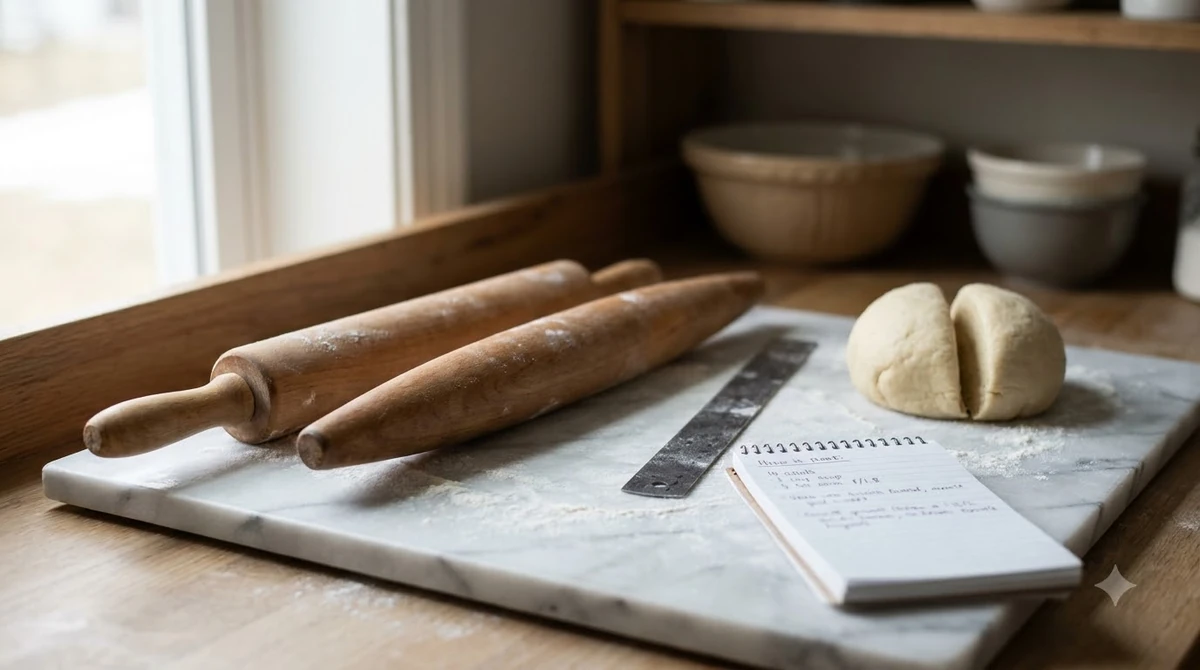

How to make trofie starts with a soft flour and water dough: mix it, let it rest covered for at least 30 minutes, then roll small pieces along your palm until they twist into short spirals. Trofie is a short pasta from Liguria in northwestern Italy, and the hand-rolling is what gives it its corkscrew look.
This guide covers the dough, the palm-roll method, cooking and storage. You need only a few pantry ingredients and a clean counter. The shaping takes practice, so expect the first batch to look uneven, and the later pieces to come out more even.
What You Need to Make Trofie at Home
Homemade trofie needs flour, water and a pinch of salt, plus extra semolina for dusting so the pieces do not stick to the counter or to each other.
The Caputo Flour trofie recipe uses 00 pasta flour for the dough and semolina for dusting. It also gives an alternative of 300 grams of 00 flour with 100 grams of whole wheat flour for a firmer, more rustic bite.
Traditional trofie is made from durum wheat and water, which makes the dough firmer than a standard egg pasta. A semolina-based dough is closer to the classic version. A flour-and-water dough is easier to handle if you are new to shaping pasta by hand.
Add the water slowly. The dough should feel soft but not sticky. If it clings to your fingers, work in a little more flour. If it cracks when you knead it, add a few drops of water. The right amount depends on your flour and the humidity in your kitchen, so you adjust by feel rather than following a fixed number.
How to Mix and Rest the Dough
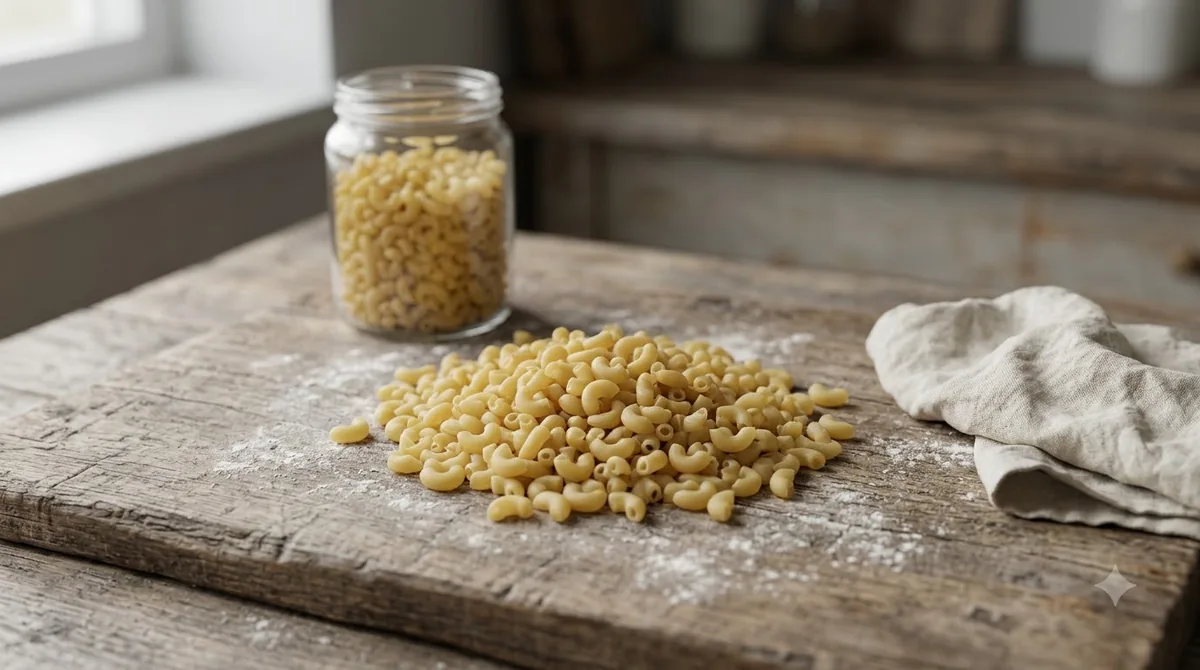
Mix the flour, water and salt until a rough ball forms, knead until smooth, then cover the dough and rest it for at least 30 minutes before you shape it. Background on the Ligurian shape is in our trofie shape and Ligurian origins.
Bring the flour and water together on a clean counter or in a wide bowl until no dry patches remain. Knead for several minutes until the dough feels smooth and springy when you press it with a fingertip.
Do not skip the rest. The Caputo recipe calls for at least 30 minutes covered, and the Pasta Class Florence guide to trofie also recommends about 30 minutes under a bowl before rolling. During the rest the dough relaxes, which makes it easier to pinch and twist without tearing.
Keep the dough covered with a bowl or a damp cloth while it rests, and keep the pieces you are not yet shaping covered too, so the surface does not dry out and crack.
How to Roll Trofie by Hand
Pinch off pieces about the size of a marble and roll each one along your palm with light pressure until it twists into a short, tapered spiral. A traditional pairing is described in trofie served with basil pesto.
Cut and Portion the Dough
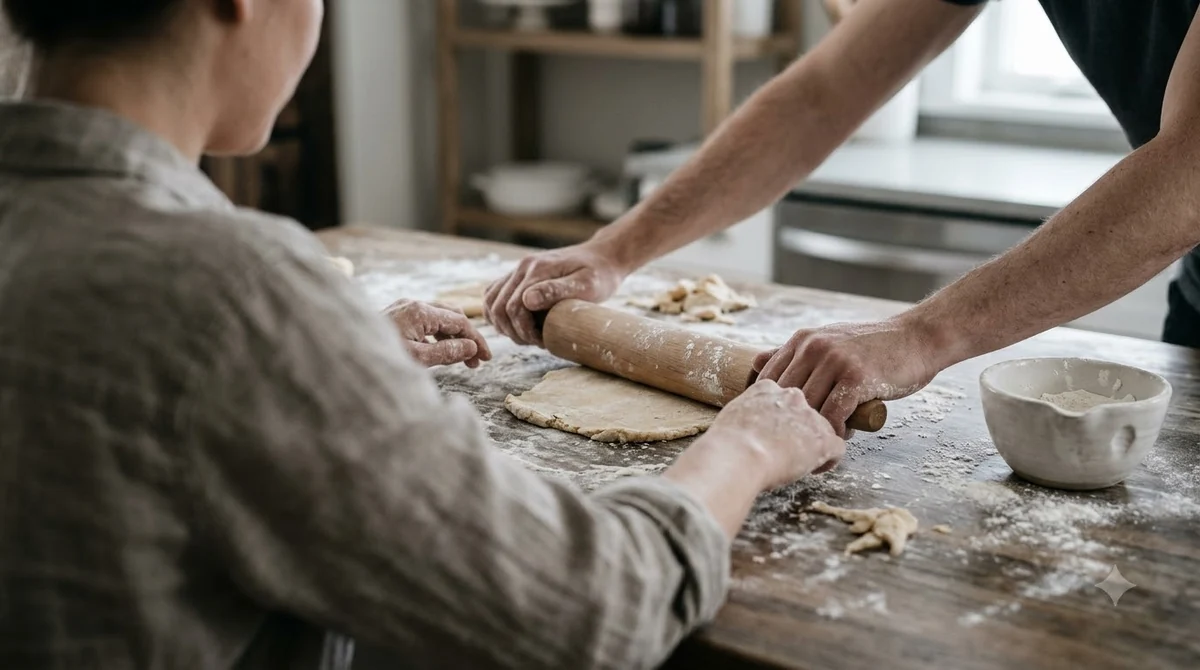
Roll the dough into a log about as thick as your finger, then cut it into small pieces. Keep the portions uniform, because pieces of different sizes cook unevenly. Leave the cut pieces uncovered for only a moment, then cover them again.
The Palm Roll
Place one piece on the counter. Press it with the palm of one hand and roll it forward, then slide it to the right under the back of your hand so the dough twists into a spiral. Repeat the motion a few times until the piece is a short corkscrew about 2 to 3 centimeters long.
A finished piece is short, thin and slightly tapered at the ends. The Wikipedia entry on trofie describes the dried shape as about 2 to 3 centimeters long and roughly 4 millimeters across, which is a useful size to aim for when you shape by hand.
Common Shaping Mistakes
Pieces that are too large stay thick in the middle and cook unevenly. Pieces that have dried out crack when you twist them, so keep unshaped dough covered and work in small batches. If a piece sticks to the counter, dust the surface lightly with semolina rather than adding more water.
How Long to Cook Fresh Homemade Trofie
Fresh homemade trofie cooks quickly. The Caputo recipe gives 2 to 3 minutes in salted boiling water, while the Pasta Class Florence guide suggests about 5 minutes, so start tasting early. Another eggless hand-rolled shape is explained in hand-rolled pici.
The two times differ because each batch has a different thickness and dryness. Test one piece at the shorter time first. Salt the water generously, add the trofie once the water is boiling again, and stir once so the pieces do not clump.
Drain when the pieces are tender with a slight bite. Keep a little of the cooking water, because a splash of it helps loosen a thick sauce. Pesto alla Genovese is the traditional partner, since the twisted shape holds the sauce in its grooves.
How to Store and Freeze Homemade Trofie
Use fresh trofie within two days if it stays covered at room temperature, or freeze it for longer storage.
Pasta Class Florence advises covering shaped pieces with a cloth and using them within about two days. For longer storage, freeze a few pieces at a time on a tray, then move them into a food-grade bag once they are firm.
Freezing in small batches keeps the pieces from fusing into one lump. Cook frozen trofie straight from the freezer and allow a little extra time, then check the texture as you would with fresh pasta.
Frequently Asked Questions
Is homemade trofie the same as store-bought?
Store-bought dried trofie is more uniform and keeps longer on the shelf. Homemade trofie is softer, has a more irregular twist and cooks much faster.
Do I need special tools to make trofie?
No. The palm-roll method needs only your hands and a clean counter. A wooden board can give you a little more grip, but it is optional.
Why does my trofie stick together?
Usually the dough is too wet or the pieces are not dusted enough. Dust the counter and the pieces with semolina, and spread the finished pieces out rather than piling them.
Can I use the same dough for other short shapes?
Yes. The same flour and water dough can be shaped into other short pastas, but each shape needs its own rolling method, so the result will look different.
Making trofie by hand takes a few tries, but the dough is forgiving and the palm roll gets faster with each batch. Start with a small portion, cook one test piece, and adjust the water and rest time until the texture suits the sauce you plan to use.
 6 min readLearnHomemade Pici: Hand-Rolled Tuscan Strands and Dough StepsUpdated Nov 13, 2026
 6 min readLearnHow to Make Cavatelli at Home: Ricotta Dough and Hand ShapingUpdated Nov 13, 2026
 6 min readLearnHow to Make Gnocchi by Hand: Potatoes, Dough and ShapingUpdated Nov 13, 2026
 6 min readLearnHow to Make Tortellini by Hand: Dough, Filling and ShapingUpdated Nov 13, 2026
 6 min readLearnHow to Make Pici: Hand-Rolled Tuscan Pasta GuideUpdated Nov 13, 2026
 6 min readLearnHow to Make Farfalle by Hand: Shaping Bow-Tie Pasta at HomeUpdated Nov 13, 2026