
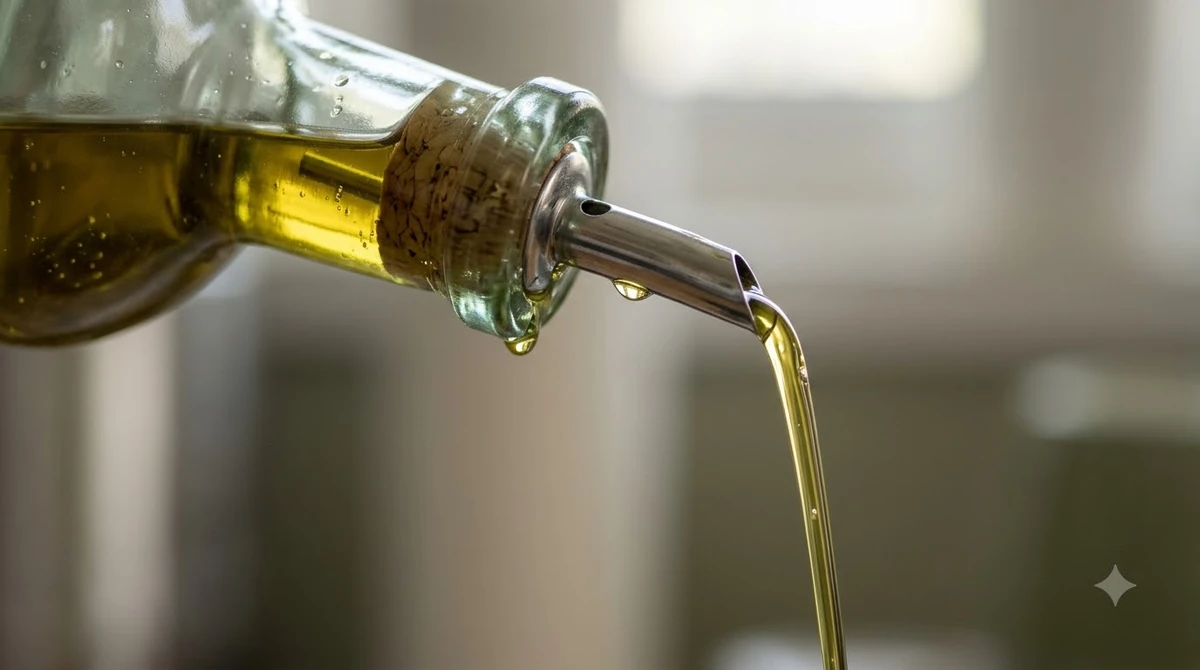

Olive oil smoke point is the temperature at which the oil starts to smoke, and for extra virgin olive oil it is about 374 to 419°F. Published ranges differ, and the number shifts with the oil’s grade and acidity.
The olive oil smoke point is useful but incomplete, because it does not show how well the oil holds up to repeated heating. Use it to choose the right grade for each job.
What Is Olive Oil Smoke Point?
Olive oil smoke point is the temperature at which the oil begins to smoke visibly, which signals that it is starting to break down.
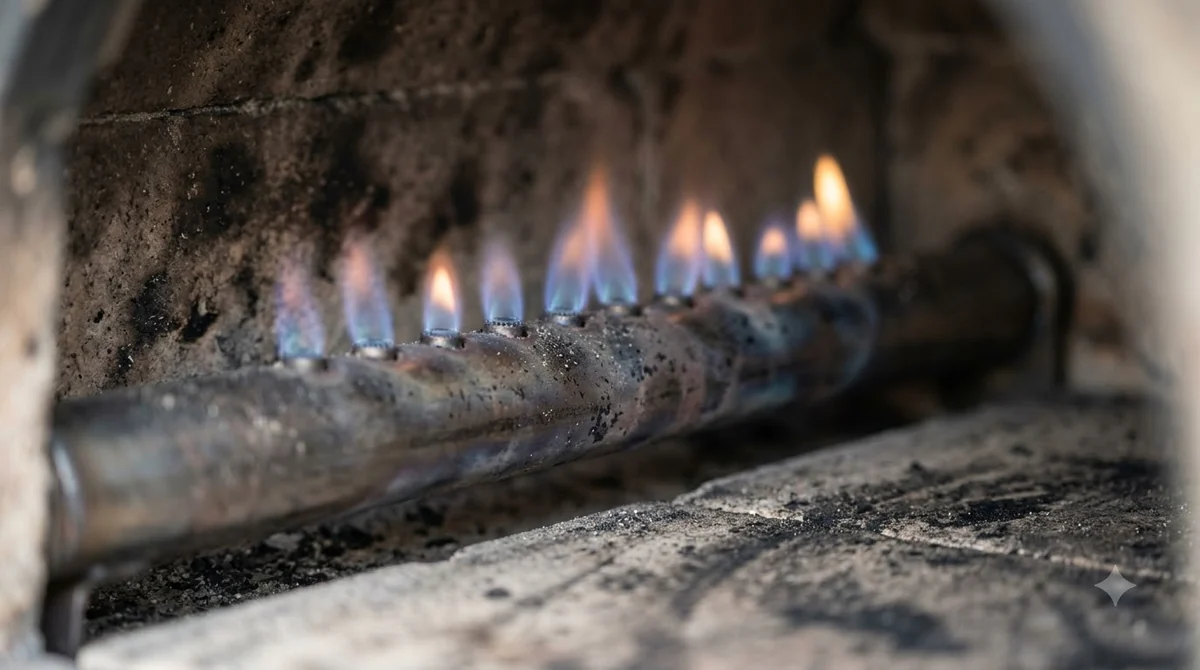
Smoke point is a visible threshold, not a safety line. When olive oil smokes, its fats and compounds begin to degrade, and the taste can turn harsh. A higher olive oil smoke point gives you more room to sear or sauté before that happens.
The olive oil smoke point depends on the grade and free acidity, so the same bottle can fall at different points on a chart. Check the grade on the package before you treat any published figure as a rule for your stove.
Olive Oil Smoke Point by Type
Extra virgin olive oil smokes at roughly 374 to 419°F, virgin at about 410 to 419°F, and refined at 390 to 470°F, depending on the source.
| Grade | Smoke point | What the reference says |
|---|---|---|
| Extra virgin | 374 to 419°F (190 to 215°C) | Range from the infobox of the Wikipedia olive oil article |
| Extra virgin, low acidity, high quality | 405°F (207°C) | Single value in the smoke point comparison table |
| Virgin | 410 to 419°F (210 to 215°C) | Two values in the same reference |
| Refined | 390 to 470°F (199 to 243°C) | Wide range in the comparison table, a row the reference itself flags for verification |
| Refined light | Up to 446°F (230°C) | Single value in the Wikipedia olive oil article |
Sources disagree by a few degrees on each olive oil smoke point, so treat each figure as a range, as Wikipedia’s olive oil article shows. The order matters more than the exact number: refined oils tolerate more heat than extra virgin, which is why refined olive oil is the usual pick for deep frying. If you are new to the top grade, what extra virgin olive oil is explains how it differs from the other bottles on the shelf.
How Acidity Changes the Number
Free acidity measures the free fatty acids in the oil, and higher free acidity lowers the smoke point.
Olive oil contains free fatty acids that are released as the oil degrades. The more of them there are, the lower the temperature at which the oil starts to smoke. Acidity also rises as the oil oxidizes, so an old bottle can drift upward over time.
| Grade | Maximum free acidity (IOC) |
|---|---|
| Extra virgin | 0.8% |
| Virgin | 2.0% |
| Refined | 0.3% |
The 0.8 percent limit for extra virgin matches the US standard as well as the International Olive Council standard. Higher acidity pulls the olive oil smoke point down, and free fatty acids usually make up less than 1 percent of an oil, so acidity alone does not decide how the oil behaves in a hot pan.
How Smoke Point Compares With Other Oils
Refined avocado oil has one of the highest smoke points cited, at about 520°F, while unrefined coconut oil and butter smoke far lower.
The table below puts the olive oil smoke point in context. The values come from one reference table, and most oils show a range by refinement level.
| Oil | Smoke point (°F) | Smoke point (°C) |
|---|---|---|
| Avocado, refined | 520 | 271 |
| Ghee | 482 | 250 |
| Sunflower, refined | 450 to 489 | 232 to 254 |
| Corn, refined | 446 to 460 | 230 to 238 |
| Canola, refined | 400 | 204 |
| Extra virgin olive oil | 374 to 419 | 190 to 215 |
| Coconut, unrefined | 350 | 177 |
| Butter, unrefined | 302 | 150 |
The reference explains that virgin oils run lower because their flavorful organic compounds burn at lower temperatures. Lard is listed at 374°F in the same table.
Why Smoke Point Is a Weak Guide to Heat Stability
The olive oil smoke point is a weak guide to heat stability, because oxidative stability predicts how an oil behaves in a pan better than the visible smoke point does.
The olive oil smoke point tells you when visible smoke appears. Oxidative stability tells you how fast the oil breaks down chemically. The Wikipedia’s smoke point article calls oxidative stability the best predictor of cooking behavior, and it warns that published smoke point values can mislead because they depend heavily on free fatty acid content.
- Reused oil: smoke point drops as the same oil is used again and again.
- Polyphenols: extra virgin olive oil holds traces of these antioxidants, about 0.5 percent, and heat largely degrades them. Their content drops significantly at 150°C (302°F).
- Smoke: the article flags acrolein in the smoke as a potential carcinogen and says the concern is mainly for professional line cooks.
- Storage: the reference recommends keeping olive oil at or below 15°C (59°F) in dark glass to protect its polyphenols.
A high smoke point does not mean an oil is fine to heat to that point every time. Pick a grade that suits the temperature you need, and keep the bottle fresh.

How to Cook With Olive Oil Without Hitting the Limit
For everyday sautéing and roasting, extra virgin olive oil works well as long as you stop short of visible smoke and watch for shimmer.
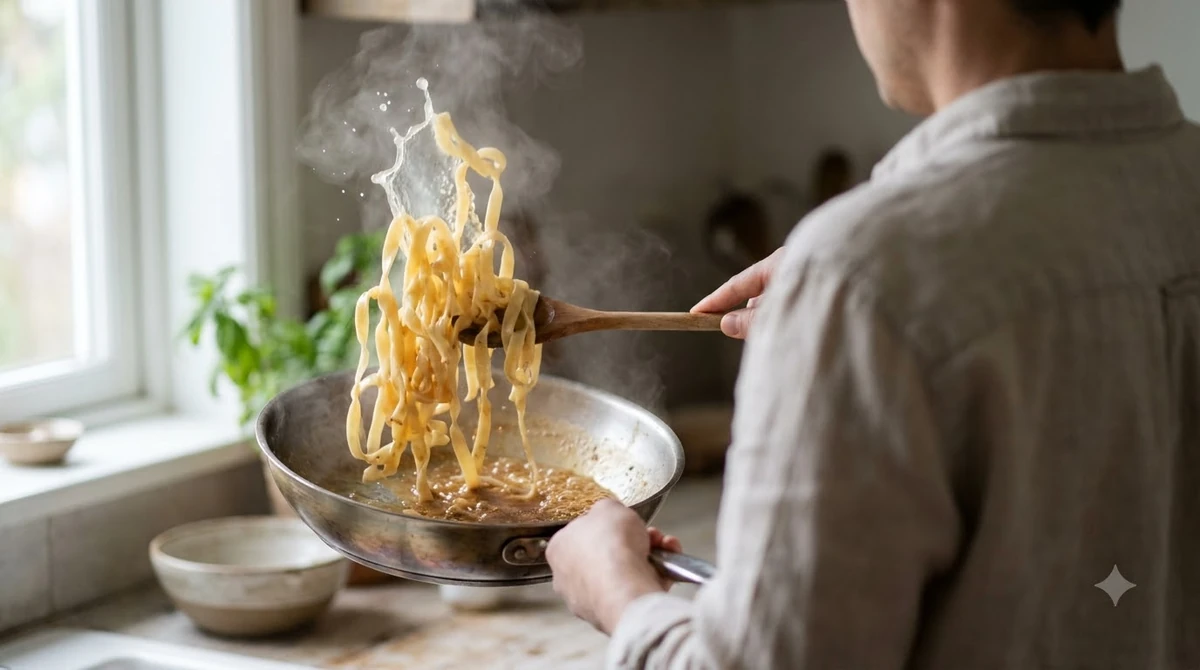
- Heat the pan gently and watch the oil. A shimmer on the surface appears just before the oil smokes.
- When the oil shimmers, add the food or lower the heat so the oil stays below the smoke point.
- For deep frying, choose refined olive oil. The reference names refined oils as the better fit because of their higher smoke point and milder flavor.
- Check the package for the grade before you choose the oil for a recipe.
The reference also notes that extra virgin oil begins to burn its unrefined particles above about 410 to 421°F, and the taste deteriorates. Keep extra virgin for dishes where its flavor matters most. For a raw drizzle at the end, see the notes on choosing a finishing olive oil. For the cooked dishes, treat the olive oil smoke point as the ceiling.
Common Mistakes With Olive Oil and Heat
The most common mistake is treating the smoke point as a safety line, followed by reusing oil that has already been heated many times.
- Heating past the shimmer and waiting for smoke before reacting.
- Using one olive oil smoke point figure as a rule for every grade.
- Reusing fried oil without checking it, since smoke point drops with reuse.
- Storing oil in clear bottles or near the stove, when the reference recommends dark glass at or below 15°C (59°F).
Frequently Asked Questions
Is the smoke point of extra virgin olive oil the same as refined olive oil?
No. The olive oil smoke point for extra virgin is generally lower, at about 374 to 419°F (190 to 215°C), while refined olive oil is cited around 390 to 470°F (199 to 243°C). Refined oil reaches a higher temperature before it smokes, which is why it suits deep frying. Check the package for the grade, since the reference ranges vary.
Can I fry with extra virgin olive oil?
Yes. The Wikipedia extra virgin olive oil article says it can be used for deep frying. Refined olive oil is usually chosen for deep frying because of its higher smoke point and milder flavor. Above about 410 to 421°F, extra virgin oil starts to burn its unrefined particles, and the taste suffers.
Does olive oil lose its health benefits when heated?
Heat reduces polyphenols, which drop significantly at 150°C (302°F). The reference cites cold-pressed processing and storage at or below 15°C in dark glass as ways to keep them. How much is lost depends on temperature and time, so no exact figure can be given for a typical pan.
How can I tell when olive oil is about to smoke?
Watch the surface for shimmer, which comes just before smoke. Adding food or turning the heat down prevents smoke from forming. Lower the heat as soon as the shimmer appears, because smoke follows it.
Does smoke point change when olive oil is reused?
Yes. The reference says smoke point drops as oil is reused, and the free fatty acid content rises with storage and use. Reused oil suits lower-heat cooking better than high-heat searing or deep frying. One brand sells separate cooking and finishing bottles, as described in this Graza olive oil review.
Is olive oil smoke point a safety limit?
No. The olive oil smoke point is a visible threshold and a weak guide to heat stability, because free fatty acids are usually under 1 percent. Oxidative stability predicts cooking behavior better. A smoking pan also releases acrolein, which the article says matters mainly for professional line cooks.
Choose the grade that matches the olive oil smoke point your cooking needs. Use extra virgin olive oil for sautéing, roasting and dressings, and reach for refined oil when you need more room to fry. Keep the oil fresh, store it in dark glass away from heat, and lower the flame as soon as the shimmer appears.
 9 min readLearnTypes of Olive Oil: Grades, Uses, and How to ChooseUpdated Nov 10, 2026
 9 min readLearnPizza Bianca Recipe: Roman Olive Oil Flatbread at HomeUpdated Nov 10, 2026
 8 min readLearnPizza Dough with Olive Oil: Simple Recipe and MethodUpdated Nov 11, 2026
 9 min readLearnHow Long Does Olive Oil Last?Updated Nov 11, 2026
 8 min readLearnHow to Tell If Olive Oil Is Real: Label, Grade, and Taste ChecksUpdated Nov 11, 2026
 9 min readLearnHow to Store Olive Oil So It Stays FreshUpdated Nov 11, 2026