
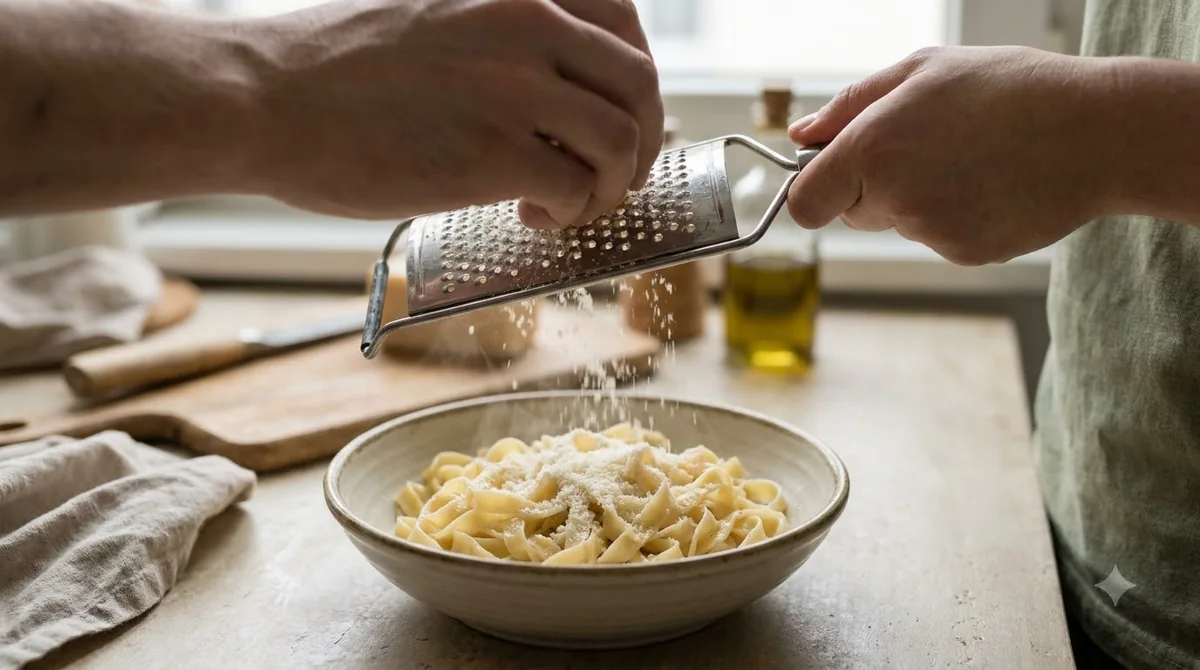

Pancetta vs guanciale comes down to the cut. Pancetta is cured pork belly, while guanciale is cured pork jowl, also called cheek, and it carries more fat. Both are Italian salt-cured pork products that flavor pasta, but they taste and cook differently.
Guanciale is the richer of the two and is the traditional choice for Roman pastas. Pancetta is milder and works well diced into sauces or sliced on a board.
| Pick | Best for | Key fact |
|---|---|---|
| Guanciale | Carbonara, amatriciana, gricia | Cut from pork jowl, with more fat than pancetta |
| Pancetta | Diced into pasta, sliced for a cold board | Cut from pork belly, dried 3 to 4 weeks after brining |
Where guanciale and pancetta come from
Guanciale comes from the jowl or cheek of the pig, while pancetta comes from the belly, which is why their fat and texture differ.
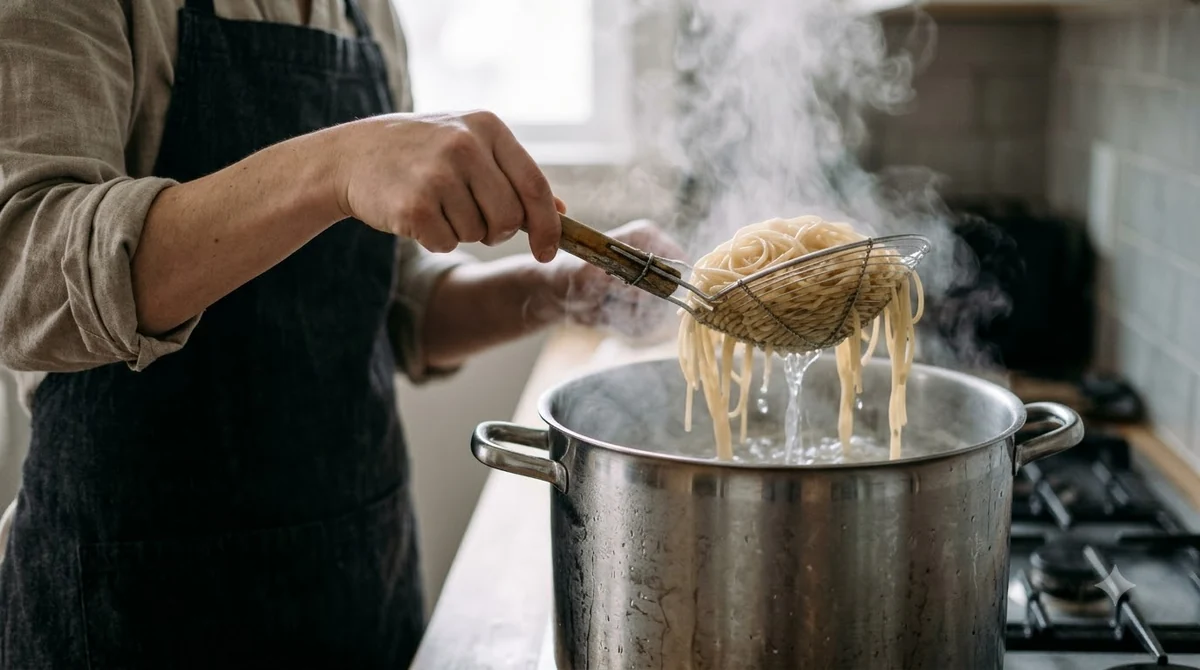
The name of guanciale tells you where it comes from. It is named after guancia, the Italian word for cheek, and the Wikipedia entry on guanciale lists pork jowl or cheeks as its main ingredient. The guanciale entry on Wikipedia places the meat in central Italy, particularly Umbria and Lazio, and notes that pancetta is sometimes used when guanciale is hard to find. For a first look at pancetta vs guanciale, the name is a useful clue, because the two products are named after different parts of the pig.
Pancetta is a salume made from pork belly. The skin is removed before curing. Tasting Table describes pancetta as keeping a balance of lean meat and fat, while guanciale retains more fat and is less lean. When you compare pancetta vs guanciale at the butcher counter, the cut is the first thing to check, because it decides almost everything else about the product.
The shape of pancetta also differs by region. Wikipedia notes that rolled pancetta is typical of northern Italy, while the flattened type is typical of central and southern Italy.
How pancetta vs guanciale is cured
Pancetta is brined for 10 to 14 days and then dried for 3 to 4 weeks, while guanciale is rubbed with salt and pepper and air-cured for weeks to months until it loses about 30% of its weight.
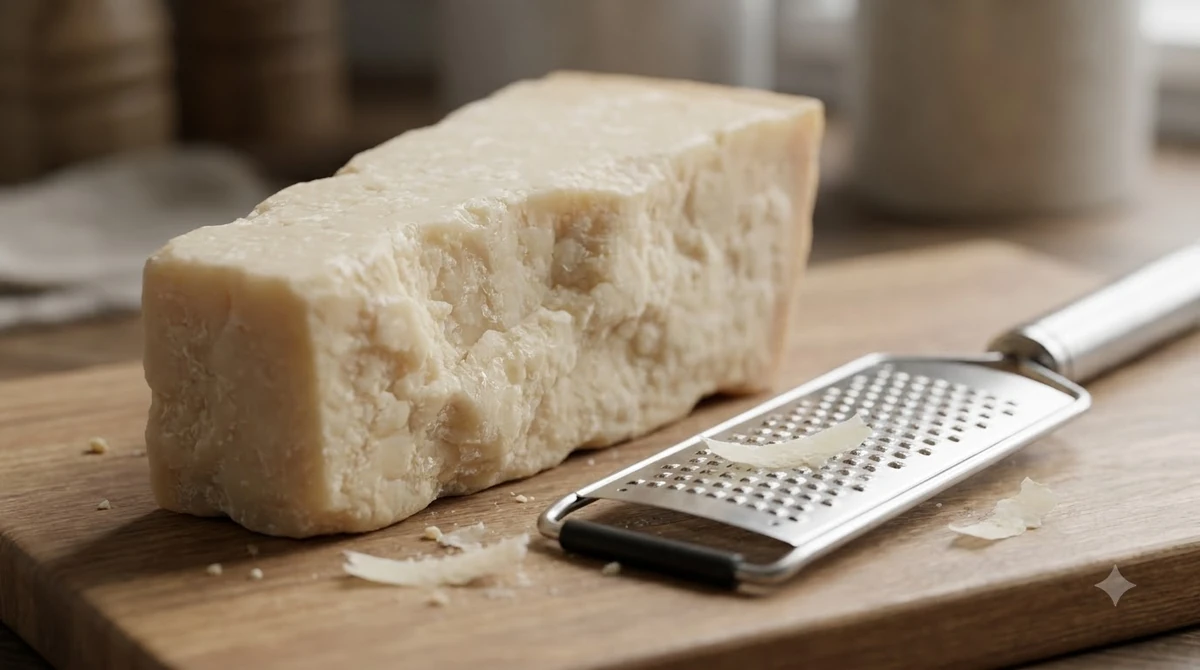
Pancetta follows a set sequence. According to the Wikipedia pancetta entry, the skin is removed and the pork is held in a brine for 10 to 14 days at low temperature. Most commercial brines use salt, dextrose, spices, sugar, garlic, and sodium nitrate or nitrite. The meat is then rolled and cased, warmed at 22 to 24 °C for 24 to 36 hours, cold-smoked in some versions, and dried at 12 to 14 °C and 72 to 75% relative humidity for 3 to 4 weeks. The finished product keeps about 70% of its original weight.
Guanciale is handled differently. The Wikipedia guanciale entry describes a rub of salt and black pepper, then a few weeks of brining. The salt is washed off with wine, the meat is re-spiced, and it is air-cured for weeks to months until it has lost about 30% of its original weight. The entry gives no single total duration.
The sources also disagree on total time for pancetta vs guanciale, which is worth knowing before you buy. America’s Test Kitchen describes guanciale as typically cured for a few months, and Tasting Table says about three months. For pancetta, America’s Test Kitchen says it hangs to dry for a couple of weeks, while Tasting Table puts it at roughly three weeks. Treat these as typical ranges rather than fixed rules, since producers vary.
Fat, flavor, and how each one cooks
Guanciale has more fat than pancetta, and that fat renders into a sauce, which is why many people find it more robust.
Fat is the main practical difference. America’s Test Kitchen and Tasting Table both report that guanciale has a higher fat ratio than pancetta, because it comes from the cheek rather than the belly. When guanciale hits a warm pan, its fat melts out and becomes the base of the sauce. Pancetta yields less fat, so a sauce built on it is usually less rich. Fat is also the first difference most cooks notice in pancetta vs guanciale side by side.
Flavor follows the fat. ATK notes that most people find guanciale more robust, and it attributes that partly to the longer cure. Tasting Table says pancetta is not quite as savory as guanciale in sauces and pasta dishes. Pancetta is the easier choice when you want cured pork with a gentler taste. Taste is the main reason pancetta vs guanciale is such a common question in Italian cooking.
Neither product is cooked during curing, so the cooking step is the same for pancetta vs guanciale. Both are raw cured meats, so the cooking happens in your pan. Render them over moderate heat until the fat has melted and the edges are crisp, and check the package or your recipe for timing, because the sources used here do not give a single cook time.

Seasoning and smoke
Guanciale is usually seasoned with salt, black pepper, garlic, rosemary, and sage, while pancetta is often seasoned with salt, pepper, and juniper.
Seasoning is one of the clearest differences you can taste in pancetta vs guanciale. America’s Test Kitchen lists juniper as a common spice in pancetta, sometimes with garlic or brown sugar. Guanciale includes salt and pepper and typically garlic, rosemary, and sage. Wikipedia adds that some guanciale producers use peperoncino or other red pepper, so the heat level can vary from one maker to the next.
Smoke is where the sources disagree about pancetta vs guanciale. The Wikipedia pancetta entry says that pancetta affumicata is salt-cured and smoked, similar to bacon. Tasting Table says pancetta is typically not smoked. The guanciale sources used here do not mention smoking at all, so check the label if smoke matters to you.
A quick label check settles most pancetta vs guanciale questions in the store:
- Confirm the cut: jowl or cheek means guanciale, belly means pancetta.
- Check whether it says smoked, since only some pancetta is.
- Look for a cure time or a “dry cured” note, and treat it as a guide rather than a rule.
Pancetta vs guanciale in carbonara and Roman pasta
Sources describe guanciale as the traditional choice for carbonara, amatriciana, and gricia, and pancetta as the easier swap.
Guanciale is the meat most closely tied to Roman pasta. Wikipedia lists spaghetti alla carbonara and sugo all’amatriciana among its main uses, and Tasting Table names spaghetti alla gricia as well. Because the fat comes from the cheek, it renders into a richer base for the sauce than belly fat does.
The debate is real but practical. America’s Test Kitchen notes that guanciale is the traditional base for spaghetti carbonara, and that some people argue a pancetta version is not authentic. The same article suggests seeking out whichever meat a recipe calls for to get the intended result. It also points out that pancetta is often easier to find in American supermarkets.
Pancetta is still a good match in many pasta dishes. Wikipedia says cubed pancetta is often used to add depth to pasta, and it is also common as thin slices on a cold board. If your recipe calls for cubed pancetta, using it is reasonable, but a traditionalist will still reach for guanciale when making carbonara. In everyday cooking, pancetta vs guanciale often comes down to what is available at your shop.
Can you substitute one for the other?
Yes, pancetta can stand in for guanciale when the cut and size match the recipe, but the dish loses some of its richer pork flavor.
Tasting Table says pancetta can replace guanciale in recipes, but you give up the extra porky flavor that guanciale brings. America’s Test Kitchen says the two can be swapped in a pinch as long as the cut and size match. Going the other direction, a fattier cut will put more fat into the pan, so plan for that. Keep these points in mind when you swap pancetta vs guanciale in a recipe:
- Match the size: cubes for cubed recipes, slices for sliced recipes.
- Expect more fat from guanciale, and pour off the excess as the recipe directs.
- Taste the sauce before adding more salt, since both products are salt-cured.
Frequently Asked Questions
Is guanciale the same as bacon?
No. Guanciale is cured pork jowl, not belly, and the sources used here do not describe it as smoked. The smoked version of pancetta is the product closest to bacon, according to the Wikipedia pancetta entry.
Which one has more fat?
Guanciale does, so the fat question in pancetta vs guanciale is not close. It comes from the cheek, and both America’s Test Kitchen and Tasting Table report a higher fat ratio than pancetta.
Are pancetta and guanciale cooked during curing?
No. Neither is cooked during curing, so you render them in the pan before use. Check the package or your recipe for cook times.
Which tastes better, pancetta vs guanciale?
Neither is better in every dish. Most people find guanciale more robust, so it suits recipes where the cured pork should stand out. Pancetta is milder and works well when the meat plays a supporting role.
Is there a protected pancetta?
Yes. Under EU protected designation of origin rules, only pancetta made in Calabria may be labelled pancetta di Calabria.
Which one should I use for amatriciana?
Guanciale. Wikipedia names sugo all’amatriciana as one of its main uses for the meat, and it is the traditional choice for that sauce.
The pancetta vs guanciale choice comes down to the recipe. For a traditional Roman pasta, choose guanciale. For cubed pork in a sauce or cured slices on a board, pancetta is the practical pick. When a recipe names one of them, use that one for the most accurate result.
 7 min readLearnWhat Is Pancetta? Italian Cured Pork Belly ExplainedUpdated Nov 10, 2026
 8 min readLearnWhat Is Guanciale? A Guide to Italy’s Cured Pork JowlUpdated Nov 10, 2026
 8 min readLearnAmatriciana Sauce Recipe: Guanciale, Pecorino and TomatoUpdated Nov 10, 2026
 8 min readLearnPasta alla Gricia Recipe: Guanciale, Pecorino and Black PepperUpdated Nov 10, 2026
 8 min readLearnSt Louis Style Pizza Recipe: Cracker Crust, Provel and Party CutsUpdated Nov 11, 2026
 8 min readLearnChicago Tavern Style Pizza Recipe: Thin, Crisp and Cut in SquaresUpdated Nov 11, 2026