
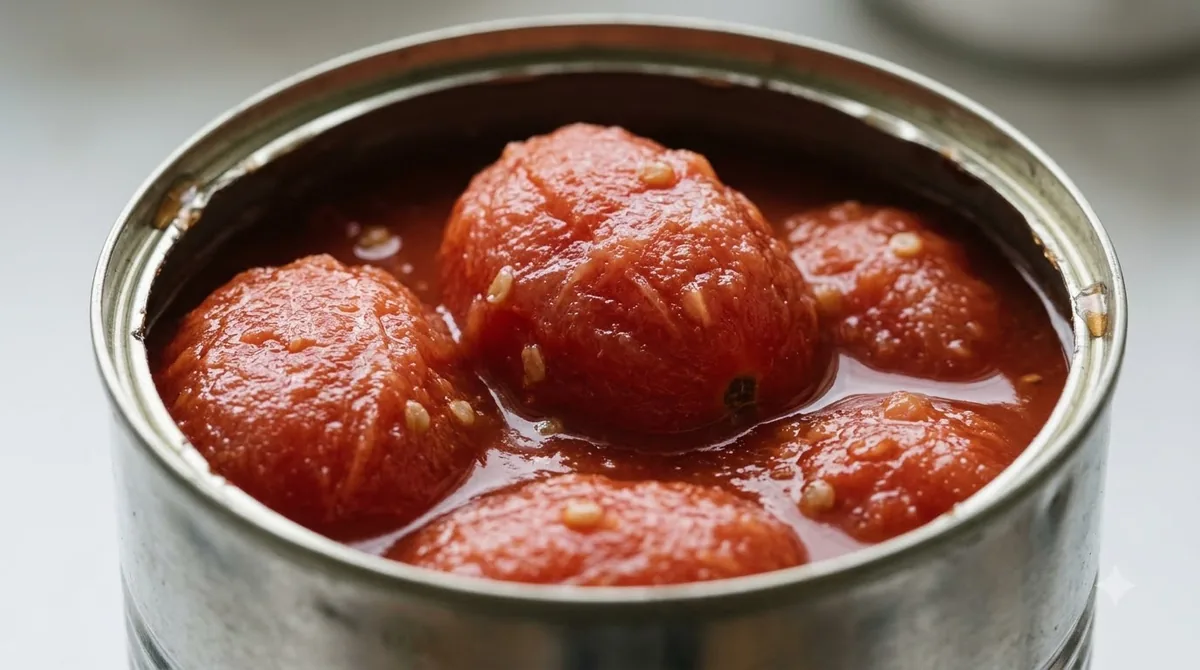

The best jarred pasta sauce is usually the one that tastes mostly of tomato, with a short ingredient list and little added sugar. Brand names on the front matter less than the back label. Two jars with similar names can taste very different once you read what is inside.
Use the label, the sauce style and the dish you plan to cook as your guide. Brand rankings change with each batch, so the criteria below are more reliable than any single pick. Use them to find the best jarred pasta sauce for your own kitchen.
| Style | Best for | Key fact |
|---|---|---|
| Smooth marinara | Lasagna and baked dishes | Few visible chunks, so it spreads evenly between layers |
| Chunky tomato sauce | Spaghetti and penne on weeknights | Visible tomato pieces add texture to short pasta |
| Basil and garlic | Simple pasta with olive oil and cheese | Herbs stand out, so check the list for added sugar |
| Meat sauce or ragù | Baked pasta and hearty dinners | Longer ingredient list, so compare sodium per serving |
| Vodka or cream sauce | Creamy penne and rigatoni | Dairy is listed on the label, so check it if you avoid dairy |

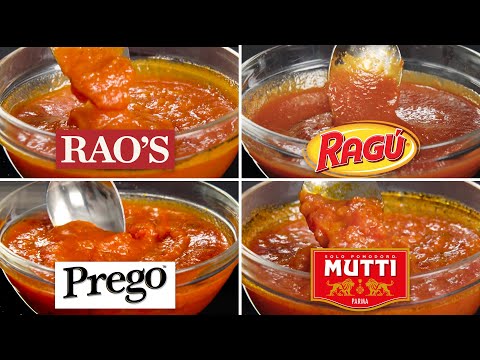
Rao's Homemade Marinara Sauce, 24 oz
Pros & ConsViewHide
Reasons to buy
- 24 oz jar of marinara made with Italian tomatoes
- Short ingredient list that avoids tomato puree and citric acid, per Tasting Table
- 4.7-star average on Amazon
Reasons to avoid
- Listing shows few ratings compared with big supermarket sauces
- Price per jar can vary a lot between sellers and multi-packs

Pros & ConsViewHide
Reasons to buy
- Organic marinara at a budget price
- Large 25 oz jar
- Rated 4.6 stars across more than 8K Amazon ratings
Reasons to avoid
- Store brand, so recipe can change
- Less distinctive flavor than premium jars

Yo Mama's Foods Keto Marinara Pasta Sauce - (3)
Pros & ConsViewHide
Reasons to buy
- No sugar added, low sodium marinara
- Three 12.5 oz jars per pack
- Over 7K Amazon ratings
Reasons to avoid
- Contains chicken stock, so it is not vegetarian
- 4.3 stars, a lower average than other jars in this guide
How to Pick the Best Jarred Pasta Sauce
A good jar starts with tomatoes and keeps the rest of the list short and recognizable.
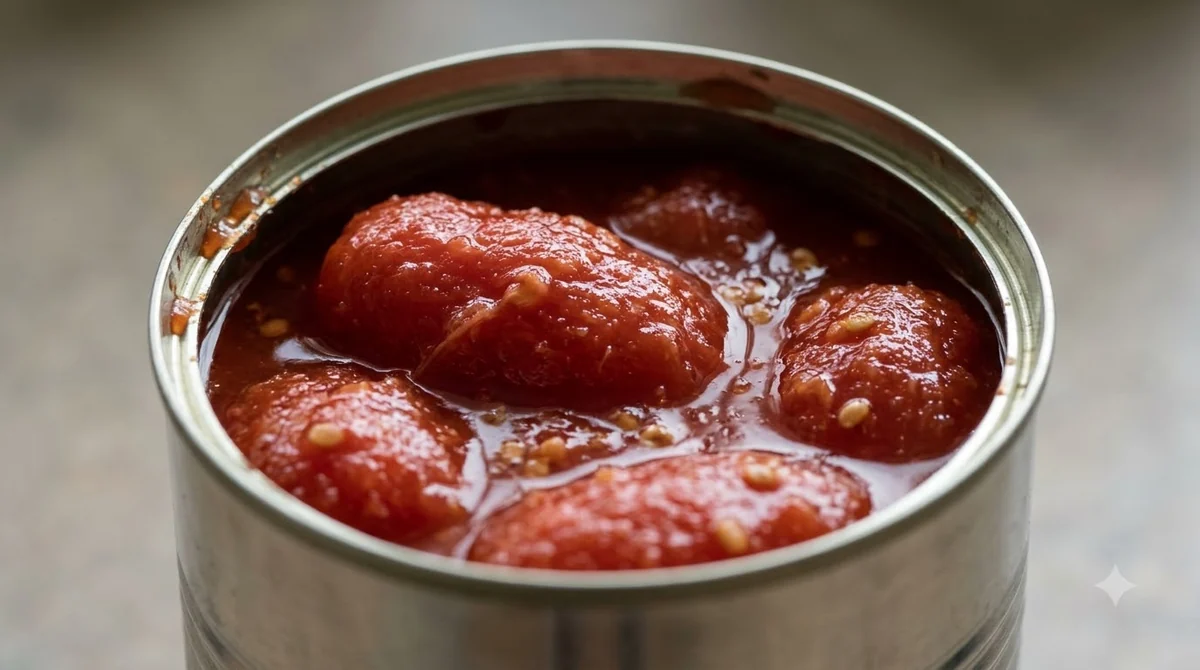
Marinara is a tomato-based sauce usually made with tomatoes, garlic, herbs and onions, according to Wikipedia’s marinara sauce entry. Olives, capers or a little wine appear in some versions. If a jar’s ingredients read close to that base, it will likely taste the way you expect from a classic marinara.
When you compare the best jarred pasta sauce options at the store, run the same three checks every time: the ingredient list, the sugar and sodium, and the texture that fits your dish. Those checks work the same way for a familiar brand and for a store label you have never tried.
Tomato sauces vary in texture, so one base can suit one dish and not another. Smooth sauces blend into the pasta, while chunky ones keep more tomato pieces visible on the fork.
Read the Ingredient List First
Tomatoes should come first on the label, followed by a short list of ingredients you recognize.
Several buying guides advise checking that tomatoes lead the list, and that the sauce uses olive oil rather than other oils. Garlic, onion, basil, oregano, salt and pepper are the simple ingredients that most traditional marinara uses. A jar that lists many additives gives you little to compare.
The best jarred pasta sauce usually reads like the list you would write for a simple dinner: tomatoes, olive oil, aromatics and salt. A short list also leaves room to adjust the seasoning at home, which is harder when a jar already contains sugar, thickeners and several extra flavorings.
A longer list is not always a warning sign. Meat sauces and cream sauces need more ingredients by design, so compare jars within the same style instead of holding a ragù to the same list as a basic marinara.
Check Sugar, Sodium and the Nutrition Label
The FDA treats 5% Daily Value or less per serving as low and 20% or more as high, so use %DV to compare sodium between jars.
According to the FDA’s Nutrition Facts label guide, %DV is useful for comparing products only when the serving size is the same. The serving size on the label is also not a recommendation of how much to eat, so check how many servings the jar holds.
Added sugars are sugars put in during processing. The label lists them separately from the natural sugars that tomatoes already contain. Some guides suggest scanning the ingredient list for sugar, corn syrup or fructose. Sugar can balance acidity in the best jarred pasta sauce, so a small amount is common, but a sweeter jar tastes noticeably different from a plain tomato sauce.
For any jar you are considering, the Nutrition Facts panel on that exact product is more reliable than a general guide. A sweeter jar may suit a younger eater, but it is not automatically the best jarred pasta sauce for every table.
Match the Sauce to the Dish
Choose a smooth sauce for layered baked dishes and a chunky sauce for short pasta that needs texture.
Smooth and thick sauces spread evenly between lasagna layers, which helps the dish hold together. Chunky sauces cling to the ridges of rigatoni and penne. Basil-forward jars suit a simple pasta tossed with olive oil and cheese. A basil and garlic jar may be the best jarred pasta sauce for a quick dinner, while a thick meat sauce suits a baked dish better. Use these as starting points:
- Lasagna and baked pasta: a smooth or thick marinara
- Spaghetti on a weeknight: a basil and garlic style
- Penne or rigatoni: a chunky sauce for more texture
- Ragù-style dishes: a meat sauce, with sodium checked per serving
Common Mistakes When Buying Jarred Sauce
The most common mistake is judging a jar by its front label instead of its ingredients and serving size.
Shoppers often compare calories without checking how many servings the jar holds. Because the listed amounts reflect one serving only, a jar that looks low in calories can still be high in sodium per meal. Another mistake with the best jarred pasta sauce is buying a thin sauce for a baked dish, where it will not hold between layers.
This guide does not rank specific brands, because recipes and ingredients can change between batches. Check the current label on the jar you plan to buy before you rely on any general rule. If you would rather build your own sauce, start from the best canned tomatoes, and browse more pantry picks in our gear and pantry guides.
Many shoppers assume the best jarred pasta sauce is the one with the most appealing words on the front. The back label is where the facts about tomatoes, sugar and sodium are printed, so read it before the jar goes into the cart.
Make a Jarred Sauce Taste Better at Home
Warming the best jarred pasta sauce in olive oil with garlic and finishing the pasta in the pan helps the sauce coat every strand.
Heat the sauce gently in a pan with a little olive oil and garlic to bring out a fresher aroma. Add fresh basil at the end for brightness. Finish the cooked pasta in the sauce with a splash of starchy cooking water so it clings better. Adjust the heat and amounts to taste, since these are general methods rather than exact measurements.
Even the best jarred pasta sauce needs care once it is opened. After opening, store the jar in the refrigerator and follow the storage line on the label. The label gives the timing for that specific product, which is more reliable than a general rule.
Frequently Asked Questions
Is jarred pasta sauce as good as homemade?
The best jarred pasta sauce can be a practical base, and a short ingredient list with tomatoes first gets closest to a homemade flavor. Adding olive oil, garlic or fresh basil at home brings the taste nearer to a sauce you would make from scratch. Results vary by product and batch.
Should I avoid jarred sauce with sugar?
Not always. Sugar can balance acidity, and many jars contain a small amount. Check the added sugars on the Nutrition Facts panel, and choose a jar with less sugar if you want the tomato flavor to stand out more.
What does %DV mean on a sauce label?
%DV shows how much a nutrient in one serving contributes to a full day of eating. According to the FDA, 5% DV or less per serving is considered low and 20% DV or more is considered high. Compare jars only when the serving sizes match.
Is chunky sauce better than smooth?
Neither is better for every dish. Chunky sauce gives more texture to spaghetti or penne, while smooth sauce spreads evenly through baked dishes like lasagna. Pick the style that matches how you plan to cook.
What is the best jarred pasta sauce for lasagna?
For lasagna, the best jarred pasta sauce is usually a smooth or thick marinara, because it spreads evenly between the layers. Choose a jar that does not look runny in the glass, since a thin sauce can make the layers slide apart when you cut the dish.
Can I use a jarred sauce for pizza?
Many cooks use a thick, low-sugar jar as a pizza base. A thin or watery sauce can soak into the dough and make the crust soggy, so look for a thicker texture or simmer the sauce briefly before spreading it. For pizza-specific jars, see our guide to the best jarred pizza sauce.
Finding the best jarred pasta sauce starts with the ingredient list and the Nutrition Facts panel, then a style that fits your dish. A short list with tomatoes first and modest sugar works for most weeknight dinners. Check the label on the jar you buy, since ingredients can change between batches.
 9 min readGear & PantryBest Jarred Pizza Sauce: How to Choose One That Tastes FreshUpdated Nov 10, 2026
 9 min readGear & PantryBest Jarred Alfredo Sauce: What to Look For in 2026Updated Nov 13, 2026
 9 min readGear & PantryBest Marinara Sauce: What to Look for in a JarUpdated Nov 17, 2026
 8 min readGear & PantryBest Pesto: How to Choose a Jar That Fits Your PastaUpdated Nov 16, 2026
 9 min readGear & PantryThe Best Italian Pasta Brand: How to Choose a Good BagUpdated Nov 17, 2026
 8 min readGear & PantryIs Rustichella d’Abruzzo Pasta Good? A Practical 2026 ReviewUpdated Nov 8, 2026