

Roasted red pepper sauce for pasta is a smooth, sweet sauce made by blending roasted red bell peppers with garlic, onion and olive oil. Because the base is puréed, it clings to noodles after only a few minutes of simmering, so it fits an ordinary weeknight. Pine nuts and a plant milk give it body and a creamy finish without cream.
The roasted red pepper sauce for pasta recipe below works with jarred or home-roasted peppers. Short pasta shapes with ridges or hollows hold the thick sauce best, and the steps are simple enough for a first try.
What Is Roasted Red Pepper Sauce for Pasta?
A roasted red pepper sauce is a puréed sauce built on roasted red bell peppers, with a savory base of onion and garlic.
Red bell peppers are simply ripened green peppers, according to the Wikipedia entry on bell peppers. That ripening gives them a fleshy texture and a naturally sweet taste, which is why they make a sauce without much added sugar.
Roasting softens the flesh and rounds out the sweetness. Once blended, the peppers form a base that works as a pasta sauce on its own, with no long cooking time needed. Most of the flavor comes from the peppers themselves, so a good roasted red pepper sauce for pasta starts with peppers that taste sweet and ripe.
Unlike a tomato sauce, roasted red pepper sauce for pasta has no acidic tomato base. The pepper sweetness does most of the work, so the seasoning should be restrained and tasted as you go.
The flavor sits between a light tomato sauce and a cream sauce. The peppers provide the body, the pine nuts add a soft richness, and the milk substitute keeps the texture silky without making it heavy.
Ingredients and Quantities
The base recipe uses 3 cups of chopped roasted red bell peppers, 3 tablespoons of toasted pine nuts and 3 garlic cloves, and makes about 3 cups of sauce.
These amounts come from a Whole Foods Market pasta sauce recipe for roasted red pepper sauce for pasta, which says the batch will generously coat one pound of pasta.
| Ingredient | Amount | Role in the sauce |
|---|---|---|
| Chopped roasted red bell peppers | 3 cups | Main body and sweetness |
| Pine nuts, toasted | 3 tablespoons | Richness and body |
| Yellow onion, diced | 1/2 large onion | Savory base |
| Crushed red chile flakes | 1/4 teaspoon | Gentle heat |
| Garlic, finely chopped | 3 cloves | Aroma |
| Unsweetened almond milk or oat milk | 1/2 cup | Creaminess without dairy |
| Fresh flat-leaf parsley, chopped | 1/4 cup | Fresh finish |
| Black pepper | 1/4 teaspoon | Seasoning |
| Extra-virgin olive oil | 1 tablespoon | Cooking fat |
| Kosher salt | 1/4 teaspoon | Seasoning, adjusted to taste |
Pine nuts do two jobs in this sauce. Blended with the peppers, they thicken the purée and add a mild, buttery note. Toasting them in a dry pan first deepens that flavor before they go into the blender.
Measuring the peppers by volume keeps the batch consistent. The yield of about 3 cups is a useful target for judging whether your roasted red pepper sauce for pasta has the right thickness. Taste the peppers before adding the full salt, especially if you used jarred peppers.
How to Make the Sauce Step by Step
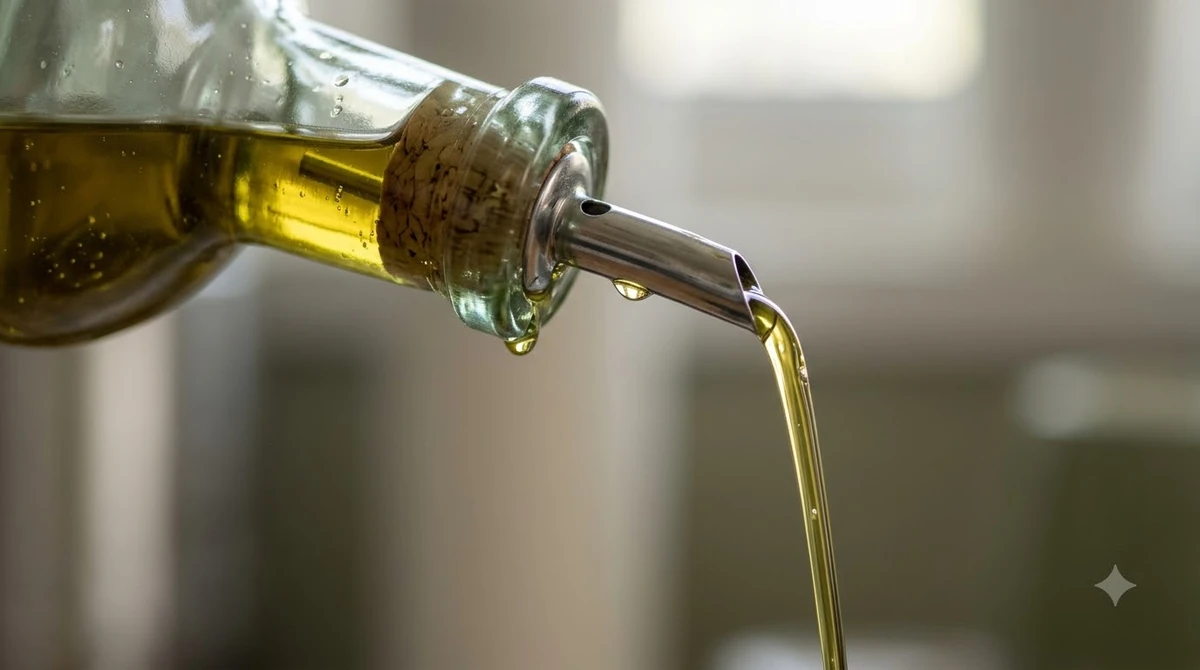
Sauté the onion and chile flakes in olive oil over medium heat for about 5 minutes, then add the garlic for 30 seconds.
- Purée the chopped roasted red peppers and toasted pine nuts in a blender until smooth, then set the purée aside.
- Warm the olive oil in a pan over medium heat, then sauté the diced onion and chile flakes for about 5 minutes.
- Add the chopped garlic and cook for 30 seconds, just until fragrant.
- Stir in the almond or oat milk, the pepper purée, the kosher salt and the black pepper.
- Simmer for 3 to 4 minutes, then take the pan off the heat.
- Stir in the chopped parsley off the heat so it stays bright.
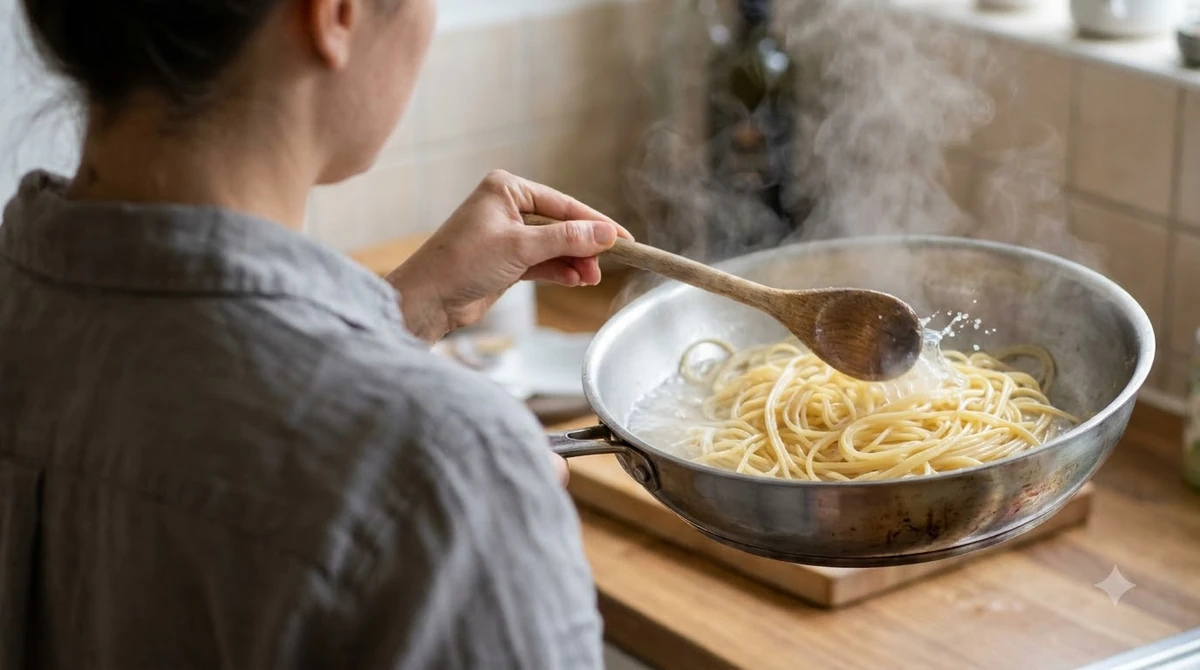
Cook the pasta until it is just tender, then reserve a splash of the starchy cooking water before draining. Toss the noodles with the roasted red pepper sauce for pasta over low heat, adding a little of the reserved water if the sauce feels too thick to coat evenly.
Keep the heat low once the pasta and sauce are together. A gentle toss lets the sauce cling without breaking down the purée or drying out the noodles.
Fresh or Jarred Roasted Peppers?
Jarred roasted peppers are the faster route, while roasting your own gives more control over char, salt and texture.
| Factor | Jarred peppers | Roasting at home |
|---|---|---|
| Preparation | Ready to purée | Needs roasting, cooling and peeling |
| Flavor | Soft and mild, sometimes slightly tangy | Smoky char and deeper sweetness |
| Salt control | Packed in brine, so taste before adding salt | You season from scratch |
| Best for | Weeknight dinners | Weekends and a fresher, smokier sauce |
The Whole Foods recipe calls for pre-roasted peppers, so jarred peppers match the source directly. Some cooks add a splash of vinegar to home-roasted peppers to brighten them, though the amount is a matter of taste.
Either route produces a good roasted red pepper sauce for pasta, so choose the one that fits your schedule. The method you pick changes the flavor more than the rest of the recipe does.
Choosing the Right Pasta Shape
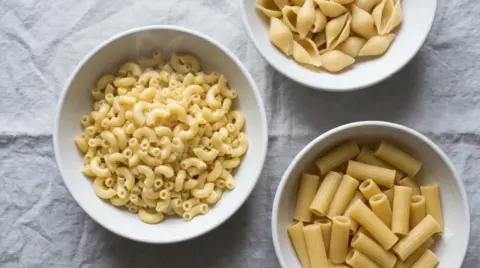
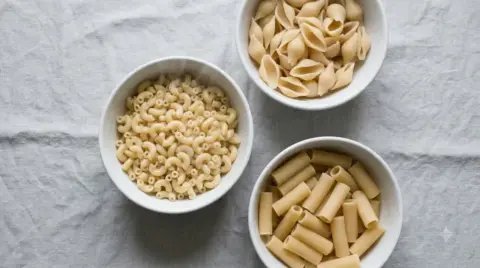
Short shapes with ridges or hollows hold a thick roasted red pepper sauce for pasta best, because the sauce settles into the gaps instead of sliding off.
- Rigatoni: the wide ridges trap the purée on the outside and inside.
- Penne: the diagonal cut and ridges give the sauce room to cling.
- Fusilli: the spirals catch bits of onion, chile and parsley.
- Cavatappi: the hollow corkscrews fill with sauce in every turn.
- Avoid very thin strands such as angel hair, which a heavy sauce tends to weigh down.
Shape matters more than many cooks expect. A thick purée on thin strands leaves much of the sauce in the bowl, while a short shape carries it to the fork. Check the package for the cooking time of whichever shape you choose.
Common Mistakes to Avoid
The usual problem with roasted red pepper sauce for pasta is a sauce that turns thin or dull, often from too much milk substitute or from skipping the purée step.
- Adding all the milk at once. Pour it in gradually and stop when the sauce coats a spoon.
- Cooking the garlic too long. Thirty seconds is enough before the liquid goes in.
- Skipping the pasta water. A small splash helps the sauce cling to the noodles.
- Salting before tasting. Jarred peppers already carry salt, so add the kosher salt in small amounts.
Storing and Reheating Leftover Sauce
Cool leftover roasted red pepper sauce for pasta promptly, store it sealed in the refrigerator and check current USDA guidance for time limits.
The source recipe does not give storage times, so use the current USDA leftover guidance rather than a guess. Reheat the sauce gently over low heat with a splash of water or plant milk, stirring so it does not separate or stick to the pan.
Frequently Asked Questions
Can I make roasted red pepper sauce for pasta without nuts?
Yes. Pine nuts add body, so leaving them out gives a lighter sauce. Purée the peppers very smooth, and add a little more milk substitute if the sauce feels thick.
Is almond milk or oat milk required?
The source recipe allows either unsweetened almond milk or oat milk in the same amount. Choose unsweetened versions so the sauce stays savory rather than sweet.
What pasta goes best with roasted red pepper sauce?
Short shapes with ridges or hollows, such as rigatoni, penne or fusilli, hold a thick purée best. Long thin strands tend to slide off a heavy sauce.
Can I use jarred roasted red peppers?
Yes. The source recipe calls for pre-roasted peppers, so jarred ones fit well. Drain them and taste before adding the full amount of salt, because jarred peppers already carry salt.
Does the sauce need to simmer for a long time?
No. The recipe simmers the sauce for 3 to 4 minutes after adding the purée. The parsley goes in off the heat so it stays bright.
Roasted red pepper sauce for pasta also works as a base for other dishes. Spoon a little over grilled chicken or a piece of toasted bread, and the same purée adds color and sweetness without extra cooking. Keep the flavor simple so the peppers stay the focus.
For a quick dinner, make the base of roasted red pepper sauce for pasta once, then toss it with pasta and a spoonful of reserved cooking water. Start with the amounts in the table, taste before adding salt, and adjust the chile flakes to match your heat preference. For more sauces and cooking basics, browse our pasta and pizza guides.
 8 min readLearnSausage and Peppers Pasta RecipeUpdated Nov 11, 2026
 8 min readLearnPasta alla Gricia Recipe: Guanciale, Pecorino and Black PepperUpdated Nov 10, 2026
 10 min readLearnSausage and Peppers Pizza Recipe for Home and Pizza OvensUpdated Nov 10, 2026
 8 min readLearnHomemade Pizza Sauce Recipe: 3 Easy Tomato TipsUpdated Nov 10, 2026
 9 min readLearnVodka Sauce Pizza Recipe: A Creamy Homemade GuideUpdated Nov 10, 2026
 7 min readLearnPaccheri Pasta: Sauces, Substitutes and Homemade GuideUpdated Nov 6, 2026