
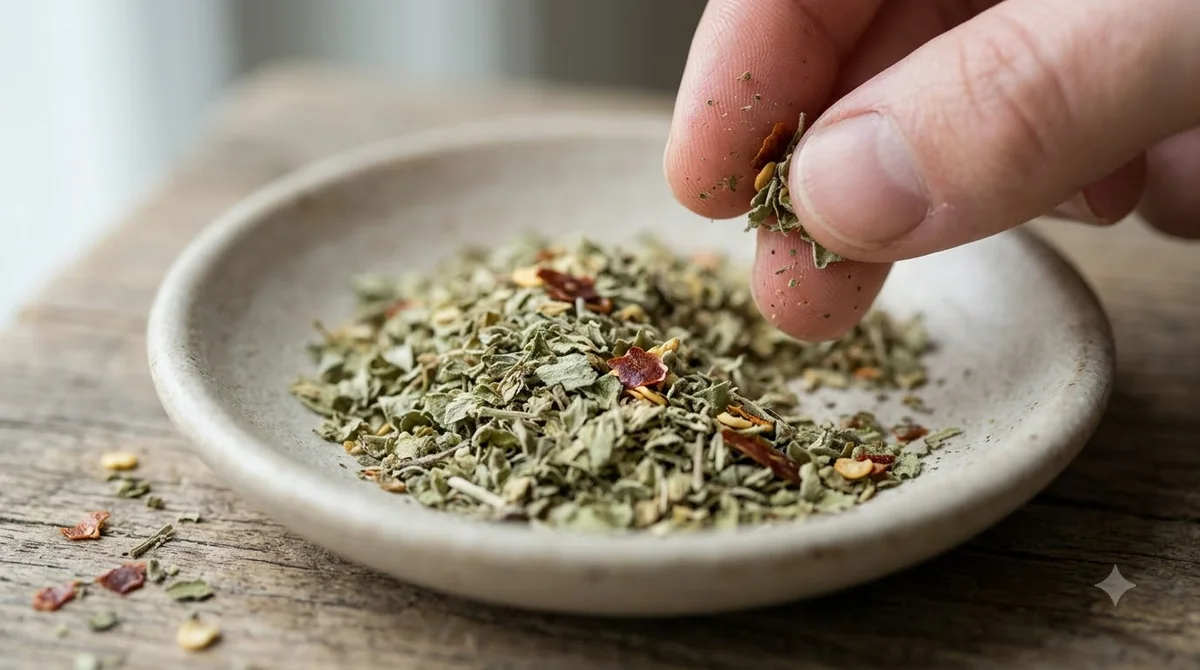

The short answer to what is Calabrian chili is this: a small, fiery red pepper from Calabria, the southern Italian region at the toe of the boot. It is fruity and slightly smoky, and it is most often sold in jars. This guide explains where it comes from, how hot it is, and how to use and store it.
What is Calabrian chili, exactly?
Calabrian chilies are regional cultivars of the pepper species Capsicum annuum and C. frutescens, grown in Calabria and known locally as peperoncino Calabrese. The name refers to the place, not to one fixed variety, so the peppers can differ from grower to grower.
Because the name points to a region rather than a single variety, two brands can label their jars Calabrian and still differ in heat, texture and oil. If you find a jar you like, buy the same brand again to keep the flavor consistent from one batch to the next.
According to Wikipedia’s entry on peperoncino, the pepper probably reached Italy around the 15th century, when southern Italy was under Spanish rule. In Calabria it became central to the local kitchen. Growers hang the peppers to dry in late summer and use them until the next harvest.
In the kitchen, the chili shows up in three main forms: fresh or dried whole pods, crushed flakes, and preserved pieces in oil. Each form suits a different job, which is why the label matters more than the name alone.
How hot are Calabrian chilies?
Calabrian chilies usually rate between about 25,000 and 40,000 Scoville heat units (SHU), which places them in the medium to high range, close to cayenne. Heat is one part of the profile, not the whole story, so what is Calabrian chili worth in a recipe depends on flavor too.
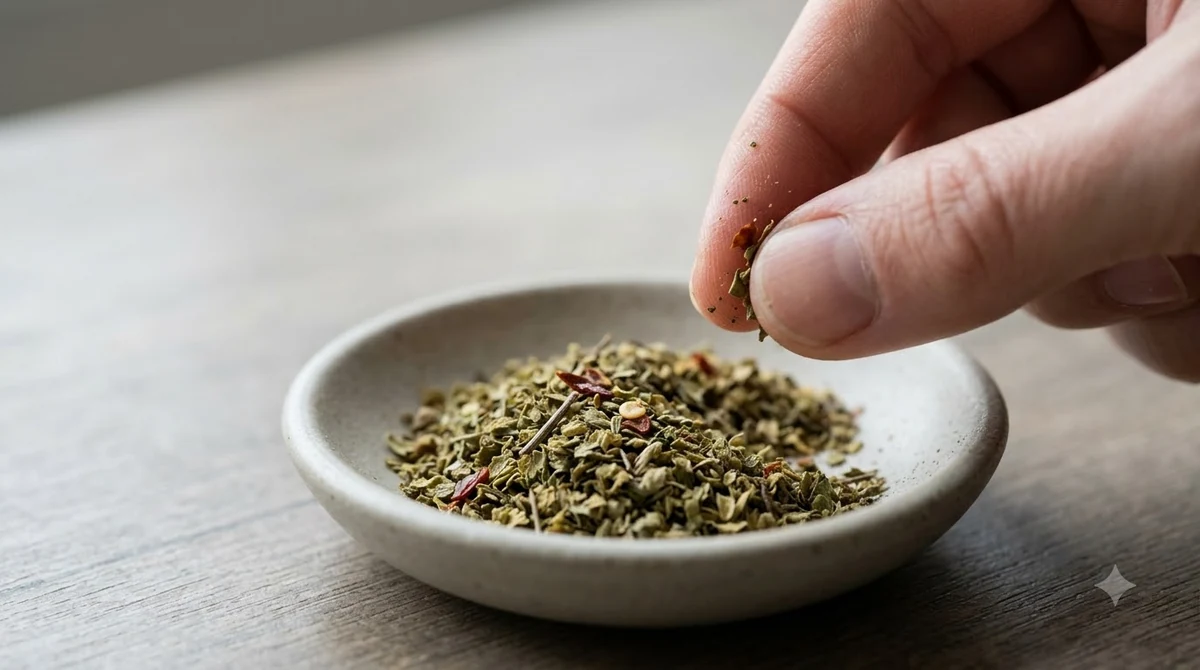
The Spice Library lists them at 25,000 to 40,000 SHU and compares their heat to cayenne. The table below sets that range next to the figure from Wikipedia, which is lower.
| Source | Reported heat |
|---|---|
| The Spice Library | 25,000 to 40,000 SHU |
| DeLallo (specialty food retailer) | 25,000 to 40,000 SHU |
| Wikipedia, typical Calabrian peperoncino | 15,000 to 30,000 SHU |
The gap at the low end matters if you cook for mild palates. Wikipedia notes that heat varies quite a bit among cultivars, so treat any single number as a range rather than a promise. Start with a small amount and taste as you go.
Preservation changes how the heat feels. DeLallo notes that the peppers are often packed in oil, which mellows their heat, so a jarred chili usually tastes rounder than a fresh one would.
What do they taste like and what do they look like?
Calabrian chilies taste fruity and slightly smoky, with a hint of saltiness when they are preserved in oil. The flavor is the reason cooks reach for them, because it adds depth to a sauce that plain heat cannot.
DeLallo describes a bright, robust flavor that combines fruity, smoky and spicy notes, finishing with a zesty edge.
Sources disagree on the shape. The Spice Library describes peppers about 2 to 3 inches long with glossy, smooth skin that deepens to bright red as it ripens. DeLallo describes small, round peppers about the size of a cherry or a walnut, with a slightly wrinkled texture when ripe. Both agree on a fiery red color, so check the product page if the exact size matters to you.
How Calabrian chilies are sold
Most home cooks buy Calabrian chilies in jars, whole or crushed, packed in olive oil, vinegar or salt.
- Whole chilies in oil, for slicing into dishes or leaving in a sauce.
- Crushed chilies in oil, which stir into sauces and dressings easily.
- Chopped chilies in jars, for spooning over pizza or spreading on bread.
- Calabrian chili paste, made by crushing hot peppers and combining them with oil, according to DeLallo. See our guide to the best Calabrian chili paste for what to check on a label.
- Dried whole or crushed peppers, the traditional way to keep the crop through the year.
For most cooks, a jar is the practical choice. It is ready to use, it stays covered in oil, and it avoids the late-summer drying that Calabrian growers have long relied on.
When you read a label, check three things: whether the chilies are whole or crushed, what they are packed in (oil, vinegar or salt), and whether the jar lists any heat rating. A rating, if given, tells you more about what to expect than the name alone.
How to use Calabrian chili in cooking
Calabrian chili works best where its fruit and heat can stand out: tomato sauce, pizza, marinades and dressings. Add it in the last minutes of cooking to keep the flavor bright.
- Pasta sauces: stir a spoonful into tomato sauce near the end of cooking.
- Pizza: scatter chopped chilies over the sauce or add them after baking for a sharper bite, keeping the pizza toppings order in mind.
- Marinades for meat and seafood, and salad dressings.
- Sandwich spreads, blended into mayonnaise or hummus.
- Roasted vegetables, soups and stews.
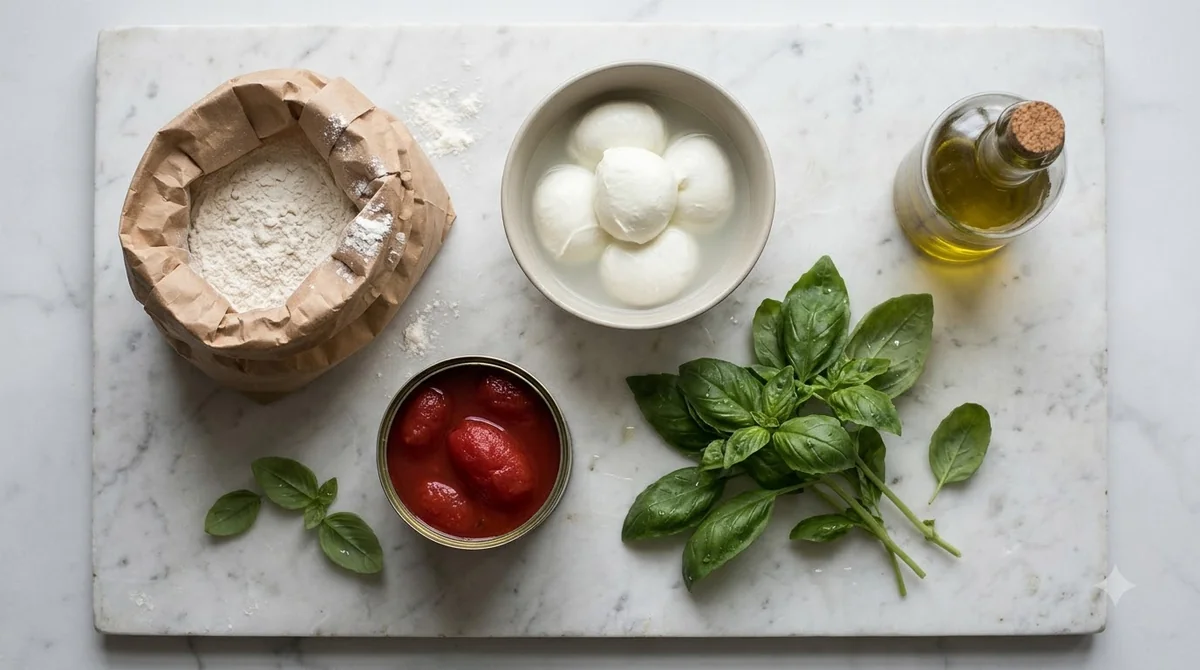
Calabrian cooking goes further. Wikipedia names bomba calabrese, chili oil, and the spreadable pork sausage ‘nduja as dishes that depend on the local pepper. The Spice Library notes that the fruity heat of ‘nduja, a spicy spreadable salami from Calabria, is central to the sausage.
Because heat varies by jar, add a small amount, taste, and then decide whether to add more.
Calabrian chili vs. cayenne and red pepper flakes
Cayenne is the closest common match for heat, while red pepper flakes are the easiest swap when you have nothing else on hand. Neither one brings the fruit and smoke of the Calabrian pepper.
| Option | Heat | Flavor and best use |
|---|---|---|
| Calabrian chili in oil | 25,000 to 40,000 SHU | Fruity and smoky; sauces, pizza, finishing |
| Cayenne | Similar to Calabrian chili, per the Spice Library | Plain heat without the fruit; general cooking |
| Red pepper flakes | Check the label, since no rating is standard | Use about half the volume, and add after cooking |
If a recipe needs heat only, cayenne or flakes will do the job. When flavor matters, as in a pasta sauce or a pizza topping, a jar of Calabrian chili is the better fit. A specialty spice guide suggests the half-volume swap only when the flakes go in after cooking.
If you cook for people who prefer mild food, add the chili at the table rather than in the pot. Each person can then add their own amount, and the sauce itself stays easy for everyone to enjoy.
How to store Calabrian chili
Store fresh Calabrian chilies in the refrigerator for about a week, dried ones airtight in a cool, dark place, and jarred ones fully covered in oil. Each form has a different shelf life.
- Fresh: keep in a sealed bag or container in the refrigerator for about a week. To freeze, lay whole chilies on a baking sheet, then move them to a freezer-safe container.
- Dried: dry the peppers fully, then keep them airtight in a cool, dark place for several months to a year.
- In oil: keep the chilies fully submerged and refrigerate the jar.
- Pickled: pour a hot mixture of vinegar, water and salt over the chilies, seal, and refrigerate.
Once a jar is open, a specialty spice guide warns that chilies that are not fully submerged can degrade within 4 to 6 weeks. Check the producer’s own storage instructions on the label, because they can differ by brand.
Frequently Asked Questions
Is Calabrian chili the same as red pepper flakes?
No. Calabrian chili is a named regional pepper, usually sold in oil, with a fruity and smoky flavor. Red pepper flakes are a general dried product, so they lack the fruit and smoke. Use flakes as a substitute when you have no jar on hand.
Is Calabrian chili hot enough for most people?
It depends on your tolerance. Sources put it at about 25,000 to 40,000 SHU, medium to high heat, roughly similar to cayenne. Wikipedia gives a lower typical range of 15,000 to 30,000 SHU, so start with a small amount and adjust.
Where does Calabrian chili come from?
Calabrian chilies come from Calabria, the southern Italian region at the toe of the boot, where they are called peperoncino Calabrese. Wikipedia says the pepper probably reached Italy around the 15th century, under Spanish rule of the south.
Can you eat Calabrian chili straight from the jar?
Yes. Calabrian cooks eat the peppers in several ways, including whole, fried until crisp, crushed, pickled, powdered or made into a paste, according to Wikipedia. Start with a small amount, since the heat can build.
What is ‘nduja, and how does it relate to the chili?
‘Nduja is a spicy, spreadable salami from Calabria, and the local chili gives it much of its fruity heat.
If you want a single jar for the kitchen, choose Calabrian chili in oil, and browse more pizza and pasta guides for ways to use it. It works in sauces, on pizza and in dressings, and it is the easiest form to keep ready in the refrigerator. Taste a small amount first, because heat varies from jar to jar.
 8 min readLearnWhat Is Fileja Pasta? A Calabrian Shape ExplainedUpdated Nov 11, 2026
 9 min readLearnWhat Is Nduja? A Spicy, Spreadable Calabrian SalamiUpdated Nov 10, 2026
 10 min readLearnCalabrese Pizza Recipe: Spicy Salami and Calabrian Chile PasteUpdated Nov 11, 2026
 9 min readLearnBBQ Pizza on the Grill: Dough, Heat and MethodUpdated Nov 10, 2026
 6 min readLearnPizza Stone on Gas Grill: Heat, Preheat and BakeUpdated Nov 13, 2026
 5 min readLearnHow to Make Pizza Crust Puffy: Hydration, Rise and HeatUpdated Nov 13, 2026