
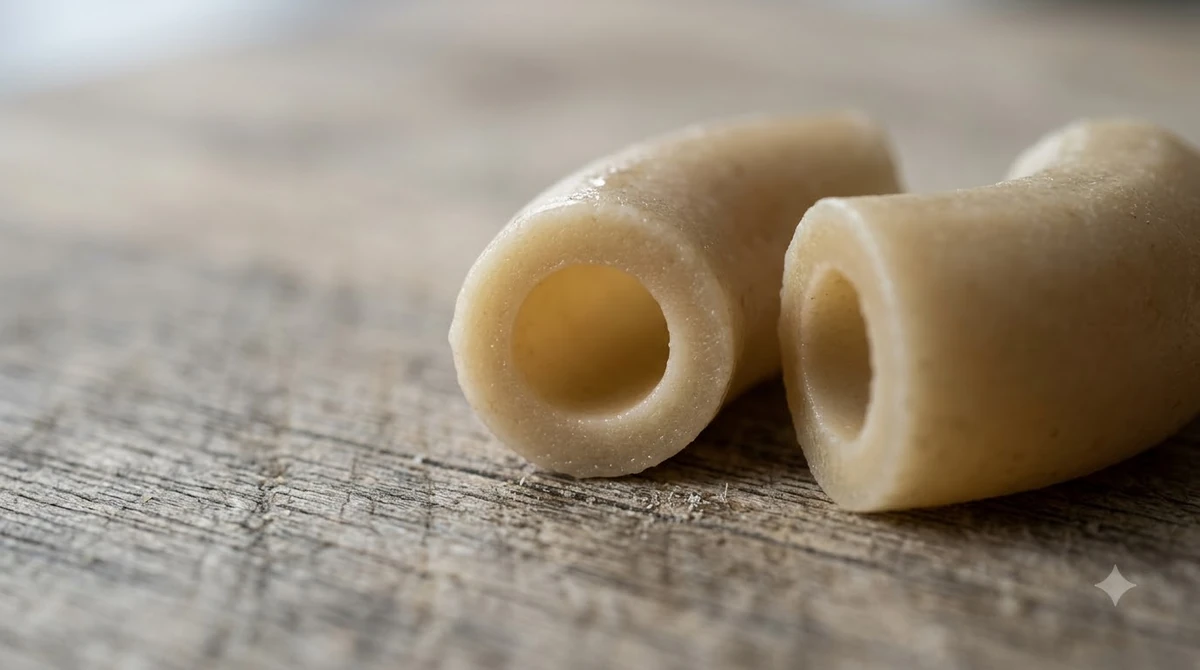

Fileja pasta is a hollow, curled pasta from the province of Vibo Valentia in Calabria, Italy. It is made from durum semolina and water, with no eggs, and it is shaped by hand around a thin cane. Its spiral form makes it easy to recognize on a plate.
The shape looks like a long screw, so many readers confuse it with fusilli. The two are made differently, and the cooking time depends on the brand, so check the package before you cook.
What Is Fileja Pasta?
Fileja pasta is an egg-free Calabrian shape, about 20 cm long, with a hollow center and a tight spiral look. It is one of the traditional pastas of the Vibo Valentia area.
According to Wikipedia’s entry on fileja, the pasta is a long shape from the province of Vibo Valentia, built as a hollow tube about 20 cm in length. The dough is durum wheat semolina mixed with water, which is what gives fileja its firm bite.
The Pasta Project describes the shape as slightly light yellow and usually 3 to 4 mm thick at most. The coiled dough is meant to resemble esparto grass, a tough cord-like grass used for weaving. Because of that spiral, fileja pasta is sometimes mistaken for fusilli, but the same source says the two shapes differ.
Because the dough is egg-free, the taste comes mostly from the semolina and the water, which is why the sauce plays such a large role on the plate. Pasta Social Club says the dough has enough heft and chew to stand up to strong flavors such as ‘nduja and hearty pork and lamb ragus.
Calabrian cooks use several names for the shape. Pasta Social Club lists fileja alongside maccarruna, maccarruni, filedda and ricci di donna, a phrase that means women’s curls. Knowing these names helps when you shop in Italian grocery stores or read regional recipes.
- A hollow tube, not a solid twist
- About 20 cm long before coiling
- Pieces about 3 to 4 mm thick at most
- Egg-free dough of semolina and water
How Is Fileja Pasta Made at Home?
Fileja pasta is made by rolling semolina dough into thin ropes and coiling each rope around a thin skewer, which leaves a hollow spiral when you slide it off.
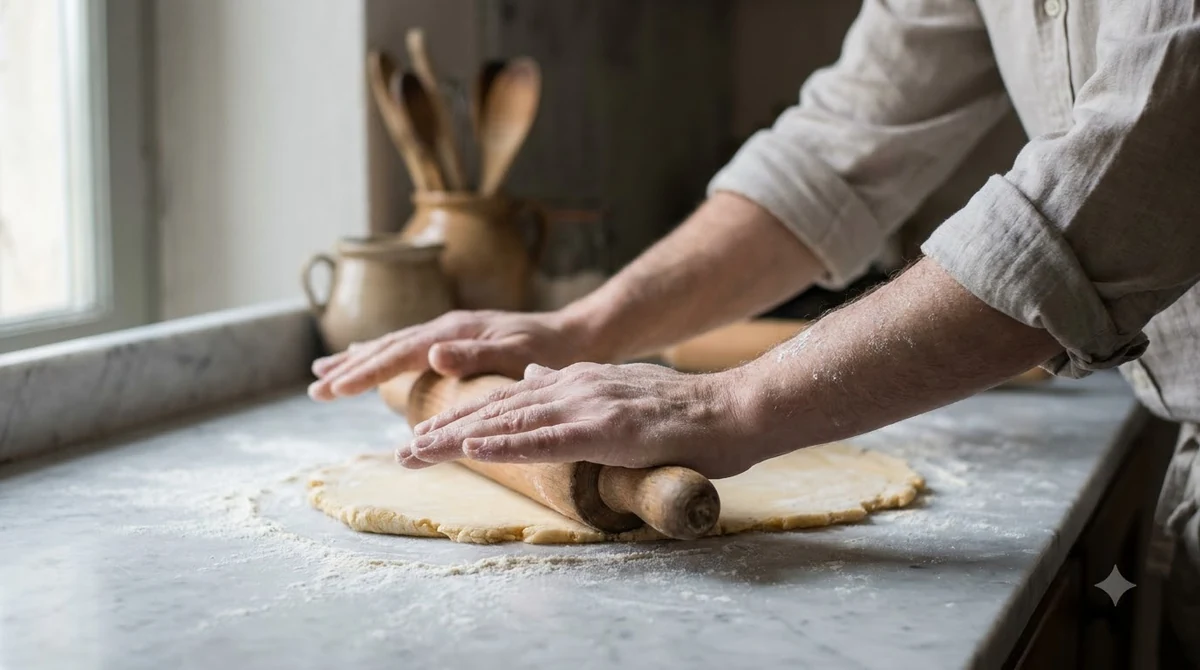
The traditional method wraps the dough around a thin cane called a dinacolo, sometimes spelled danaco. The Pasta Project notes that the dough is kneaded and rested for at least 30 minutes before shaping, and that each small ball is rolled into a rope about 2 to 3 inches long.
For a home method with exact measures, America’s Test Kitchen’s shaping lesson uses semolina dough divided into 16 pieces. Each piece is rolled into a 1/4-inch-thick rope, cut into 5-inch lengths, and coiled into a 6-inch hollow tube. Whole-wheat dough can also be used, according to the same source.
- Mix semolina and water into a firm dough, knead it, and let it rest for at least 30 minutes.
- Divide the dough into 16 pieces and cover the pieces you are not using with plastic wrap.
- Roll one piece into a rope about 1/4 inch thick and cut it into 5-inch lengths.
- Set a length at a 45-degree angle to the counter edge, lay a floured skewer across its top edge, and press the ends with your palms.
- Roll the skewer toward you so the dough coils tightly, then slide the finished tube onto a lightly floured tray.
If the dough sticks to the skewer, dust the skewer with flour again. The method does not require special equipment, so a home cook can start with the tools already in the kitchen. Our guide on how to make pasta without a machine covers more hand-shaping basics.
| Tool | How it fits fileja |
|---|---|
| Thin wooden skewer | The skewer used in the America’s Test Kitchen method, dusted with flour to stop sticking |
| Dinacolo or danaco | The traditional wood or metal stick described by The Pasta Project |
| Metal skewer or cut coat hanger | Stand-ins named by The Pasta Project when the traditional stick is not available |
Which Sauces Go Best With Fileja Pasta?
Fileja pasta holds chunky sauces well, and the classic partners are minced pork, simple tomato and spicy ‘nduja from Calabria.
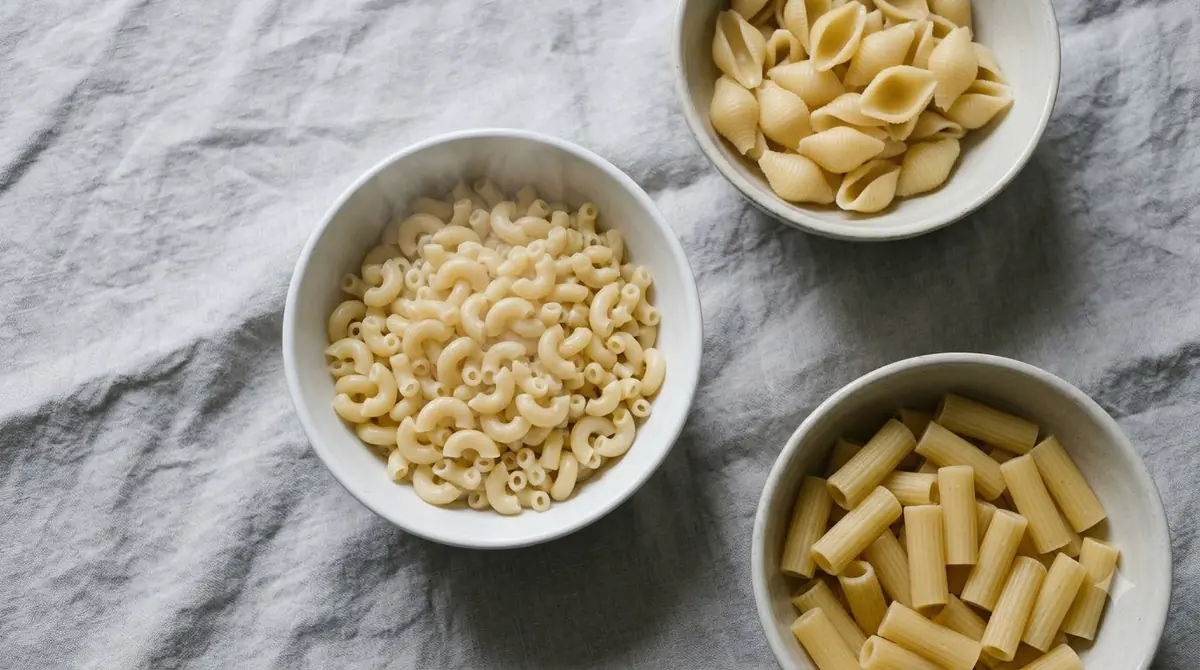
The Pasta Project lists minced pork sauce, simple tomato sauce and spicy Calabrian ‘nduja for readers who like heat. The same site says fileja is traditionally served on Sundays and holidays, so it is a dish for a relaxed meal.
- Minced pork sauce, a traditional match
- Simple tomato sauce for an everyday version
- Spicy ‘nduja for readers who want heat
- Pork and lamb ragu, named by Pasta Social Club
- Fileja Tropeana, a summer dish with zucchini, eggplant, tomatoes, Tropea onions and peperoncino
Fileja Tropeana is the vegetarian option, and it suits summer produce. A thick sauce settles into the spiral of fileja, while a thin, watery sauce tends to run off the coils.
How Do You Cook Fileja Pasta?
Cook fileja pasta in plenty of salted boiling water until it is tender, and follow the cooking time printed on the package. No reliable cooking time for fileja was confirmed in the sources used for this article, so the package is the reference.
Since fileja is traditionally served on Sundays and holidays, it fits a meal where time is set aside for cooking. Making it by hand takes longer than buying a box, so plan the shaping ahead of the dinner.
Fresh homemade fileja and dried store-bought fileja cook at different speeds. Thickness and dryness both change the time, so test a single piece before you cook the whole batch.
- Bring a large pot of water to a boil and add salt.
- Add the fileja and stir once so the tubes do not stick together.
- Start tasting at the time on the package and drain once the pasta is tender to the bite.
- Save a ladle of cooking water and finish the pasta in the sauce for a short time, so the sauce coats the spiral.
A common mistake is draining the pasta too early, which leaves the center firm while the outside stays chalky. Taste a piece before you drain.
How to Tell Fileja Pasta From Look-Alike Shapes
Fileja pasta is identified by its hollow, hand-coiled tube, its Vibo Valentia origin and its egg-free semolina dough, which together separate it from machine-made twists.
When you read a package or a menu, check these four points before you assume a spiral shape is fileja pasta.
- The shape is a hollow tube, not a solid twist
- The label names fileja, maccarruna, maccarruni or filedda
- The ingredients list only semolina and water
- The pieces are thin, at most about 3 to 4 mm thick
Look at the shape closely before you buy. A tube with a clear open center and an even spiral matches the description of the traditional style, while a solid, tightly pressed twist does not.
These checks do not guarantee a regional product, since many brands sell pasta with similar names. Read the label and the producer’s description before you buy.
Frequently Asked Questions
Is fileja pasta the same as fusilli?
No. The Pasta Project says fileja is sometimes mistaken for fusilli, but its shape differs. Fileja is a hollow tube about 20 cm long before it is coiled, and it comes from Vibo Valentia in Calabria.
What does fileja mean?
Pasta Social Club lists regional names for the shape, including maccarruna, maccarruni, filedda and ricci di donna, which means women’s curls. The sources used here do not give a separate etymology for the name fileja.
Is fileja pasta made with eggs?
Usually not. According to The Pasta Project, traditional Calabrian fresh pasta is made from wheat flour, water and salt with no eggs, and fileja follows that pattern.
Can I make fileja pasta without a cane?
Yes. The Pasta Project names a thin metal or wooden skewer, or the cut side of a metal coat hanger, as substitutes for the traditional dinacolo. Pasta Social Club also lists a knitting needle or chopstick as workable options.
What is the best sauce for fileja pasta?
Chunky sauces work best. Sources name minced pork, simple tomato, spicy ‘nduja and the summer Fileja Tropeana with vegetables. Choose the sauce that matches your taste for heat and your season.
If you are buying fileja, check the package for cooking time and for an ingredient list of semolina and water. If you make it at home, start with one test piece, since the shaping takes practice and the first tubes may come out uneven.
 8 min readLearnWhat Is Calabrian Chili? Origin, Heat and How to Use ItUpdated Nov 10, 2026
 10 min readLearnCalabrese Pizza Recipe: Spicy Salami and Calabrian Chile PasteUpdated Nov 11, 2026
 9 min readLearnWhat Is Nduja? A Spicy, Spreadable Calabrian SalamiUpdated Nov 10, 2026
 8 min readLearnChifferi Pasta: Shape, Cooking and 1 Simple RecipeUpdated Nov 10, 2026
 7 min readLearnTripoline Pasta: Shape, Sauces and How to Cook ItUpdated Nov 11, 2026
 9 min readLearnTortelli Pasta: Shapes, Fillings and How to Serve ThemUpdated Nov 10, 2026