

Why is Italian pasta better? Mostly because of the ingredients and the way it is shaped and dried. Traditional Italian dried pasta is usually made from 100 percent durum wheat semolina, often pushed through bronze dies that leave a rough surface, and dried more slowly. Those choices affect texture and how well sauce clings, though the ingredients matter most.
“Better” is a judgement, not a measurement, so the honest answer is that Italian-style pasta tends to have a firmer bite and a surface that holds sauce well. Many supermarket pastas made the same way are just as good, and some Italian brands are not worth the price.
Why Is Italian Pasta Better? What Changes the Result
Italian dried pasta is usually defined by three things: the flour, the die that shapes it, and the drying process.
Those three choices change how the pasta cooks and eats. Durum semolina gives a firm structure, bronze dies roughen the surface, and slower drying can help the pasta keep its shape in the pot. None of them is magic on its own, but together they explain why many people find traditional Italian pasta more satisfying with a simple sauce.
Why Durum Wheat Semolina Matters
Durum semolina is the foundation of good dried pasta, and cheaper pasta often swaps some of it for regular flour.
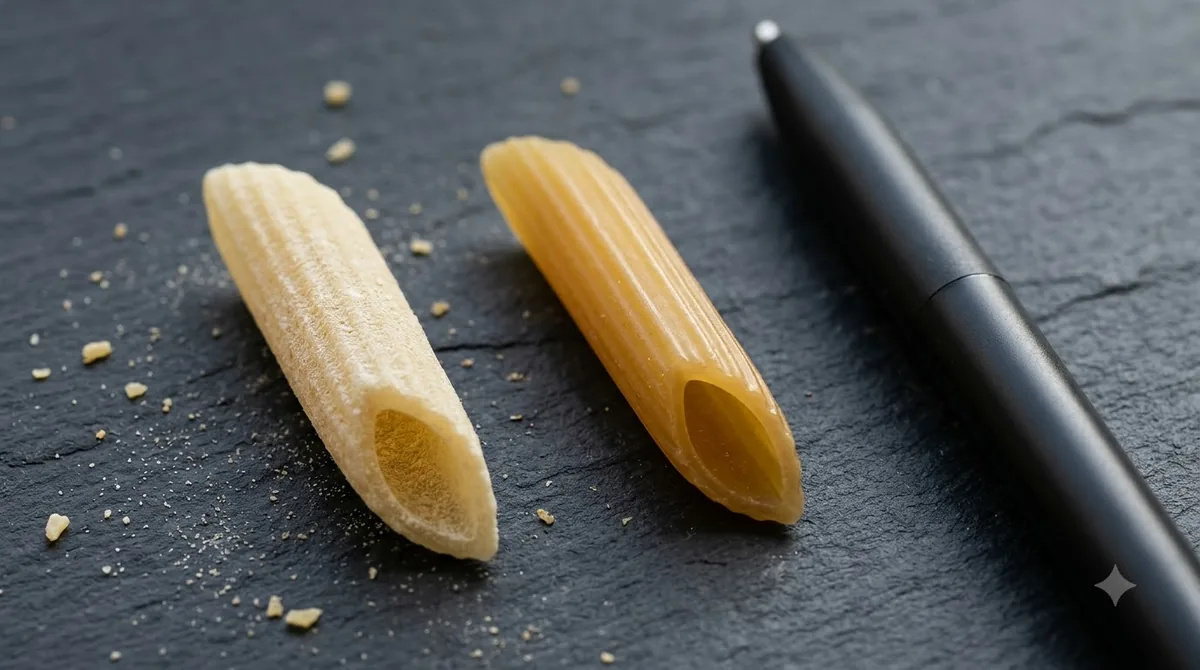
America’s Test Kitchen notes that some makers use flour because it is cheaper, but that this can leave cooked pasta gummy. Its advice is to stick to pasta made from 100 percent durum wheat semolina. Durum has a firmer structure than soft wheat, so it holds its shape and gives the chew most people look for in a dried pasta.
Check the ingredient list before the brand name. If the first and only ingredient is durum wheat semolina, you are starting from the right place. If you see common wheat flour, expect a softer and less reliable texture.
How Bronze Dies Change the Surface
Bronze dies give pasta a rougher, more textured surface, and that texture is the main reason sauce clings better.
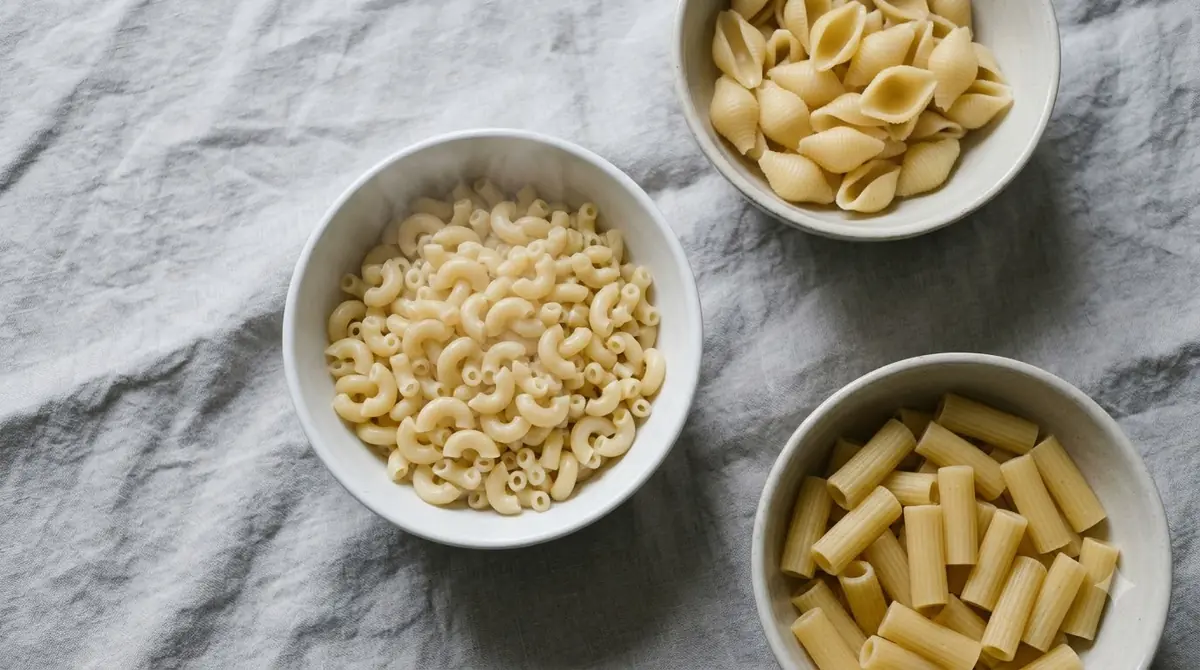
Tasting Table describes bronze-cut pasta as slightly rough and rustic, with tiny pores that catch toppings. America’s Test Kitchen says that pasta sauces cling more readily to the rough surface of bronze die-cut pasta. Teflon-coated dies are cheaper and easier to maintain, and they produce a smoother pasta that lets sauce slide off more easily. The difference is real, but it matters most with thin, loose sauces such as a simple oil or butter dressing.
Does Slow Drying Make Pasta Better?
Slow drying is often marketed as a quality mark, but the evidence is weaker than the marketing suggests.
Tasting Table notes that bronze-cut pasta is often dried at lower heat for a long time, sometimes more than a day. America’s Test Kitchen, however, reports that drying time affected pasta quality less than other factors, and it concludes that shoppers should concentrate on ingredients first. Producers make strong claims about slow drying, and those claims are worth reading with some caution, since the brand has a stake in them.
Slow drying may help texture in some cases, but it does not replace good semolina. A long-dried pasta made from weak ingredients will still disappoint.
Does the Country Matter More Than the Recipe?
Country of origin is a clue, not a guarantee, and the ingredient list and the process tell you more.
Italy has a long tradition of pasta making, and many of the best-known brands are Italian. Still, a pasta made in Italy from a weak blend can cook worse than a well-made domestic pasta from pure durum. Use origin as a starting point, then check the flour, the die, and the drying method on the packet.
How to Pick Better Dried Pasta at the Shop
Use a short checklist to choose pasta that is likely to cook well and hold sauce, whatever the country printed on the bag.
- Choose a pasta whose ingredient list shows 100 percent durum wheat semolina.
- Look for “bronze-cut” or “bronze die” on the packet if you use thin, loose sauces.
- Treat “slow dried” as a bonus, not a guarantee, and compare it with the ingredient list.
- Cook a small batch the first time and taste it against your usual pasta.
Follow the cooking time on the packet and test a piece before draining, since bronze-cut and smooth pastas can take different times.
Where Italian Pasta Is Overrated
Expensive imported pasta is not always the best choice, and the premium is often for the packaging and the story rather than the cooking.
For heavy, chunky sauces, a smooth-die pasta can work perfectly well, and a sauce built on good tomatoes, olive oil, and seasoning will do more for the dish than the bag. For everyday cooking, a well-made domestic durum pasta often gives the same result at a lower price.
Frequently Asked Questions
Is Italian pasta healthier than other pasta?
Italian dried pasta is not healthier by default. Nutrition depends on the ingredients and portion size, so check the label on the bag you buy.
What is bronze-cut pasta?
Bronze-cut pasta is shaped by pushing dough through bronze dies, which leave a rough, porous surface that holds sauce. It is usually more expensive than pasta made with smooth dies.
Does slow drying make pasta taste better?
It may help texture for some pastas, but America’s Test Kitchen found drying time mattered less than the ingredients. Treat it as one factor among several.
Why does some dried pasta turn gummy?
Pasta made with regular flour instead of durum semolina can turn gummy when cooked. Overcooking is another common cause, so start testing a minute or two before the packet time.
Italian pasta is usually better because of durum semolina, bronze-cut surfaces, and careful drying, but the ingredient list matters more than the flag on the packet. Check the flour, pick a die that suits your sauce, and taste a small batch before you stock up.
 7 min readLearnWhat Is Durum Wheat? The Hard Wheat Behind Pasta and SemolinaUpdated Nov 10, 2026
 8 min readLearnHow to Finish Pasta in the Sauce for Better CoatingUpdated Nov 10, 2026
 8 min readLearnHow to Store Fresh Pasta: Fridge, Freezer and Drying MethodsUpdated Nov 10, 2026
 8 min readLearnWhat Is Semolina Flour? A Clear Guide to Durum Wheat FlourUpdated Nov 10, 2026
 8 min readLearnSemolina vs Cornmeal for Pizza Peel: Which Works BetterUpdated Nov 10, 2026
 9 min readLearnBread Flour vs All Purpose Flour for Pizza: Which Gives a Better CrustUpdated Nov 10, 2026