
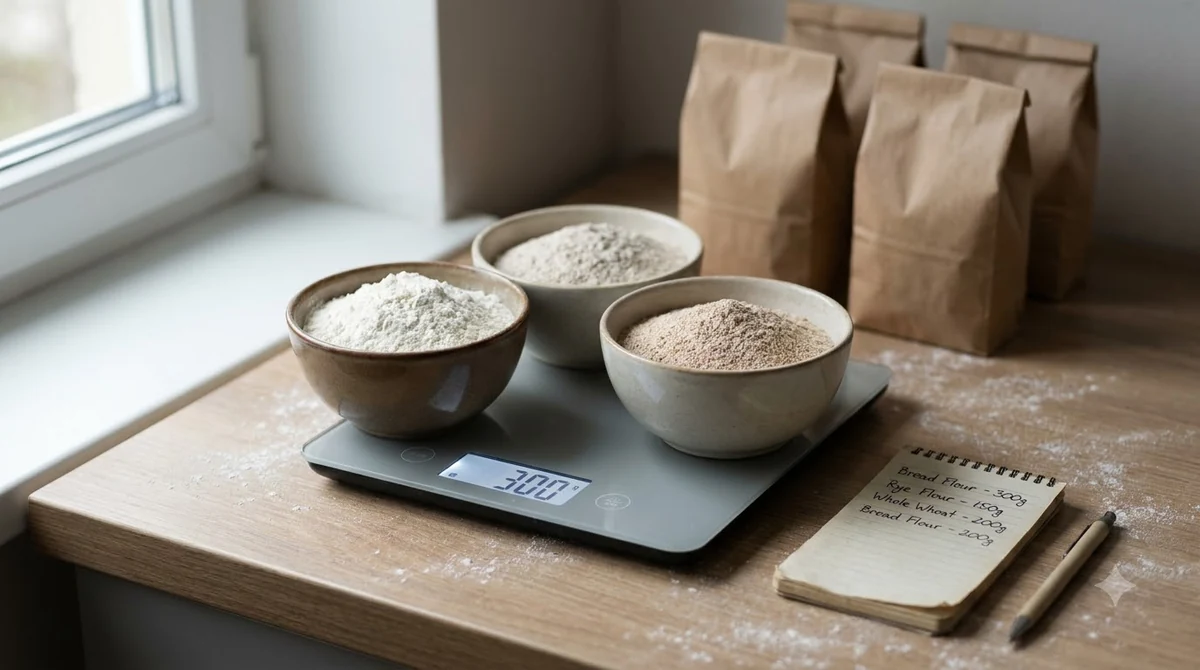

Bread flour vs all purpose flour for pizza comes down to protein: bread flour usually gives a chewier, sturdier crust, while all purpose flour gives a softer, less crisp one. America’s Test Kitchen describes bread flour as having a high protein level of 12 percent or above, which is why it is the common pick for chewy homemade pizza.
When you compare bread flour vs all purpose flour for pizza, all purpose still works for a quick pizza night. Choose bread flour when you want more chew and a crisper base, and check your recipe first, since not every pizza needs it.
Bread Flour vs All Purpose Flour for Pizza: The Short Answer
For most home pizza, bread flour is the better choice because its higher protein builds more gluten. All purpose flour is acceptable in a pinch, but the crust will be less crisp and the dough will feel softer in your hands.
In bread flour vs all purpose flour for pizza, the difference is small on the bag but noticeable on the peel. A bread flour dough holds its shape when you stretch it, while an all purpose dough tends to relax and spread more easily. If you bake often, bread flour is the better everyday bag. If you bake once in a while, all purpose flour is fine for a quick crust. For specific bags, see our flour for pizza dough guide.
Protein Is the Real Difference
Bread flour has a high protein level of 12 percent or above, while all purpose flour sits at a moderate 9 to 12 percent. Protein is the number that decides how much gluten your dough can build, and it is the core of bread flour vs all purpose flour for pizza.
America’s Test Kitchen’s flour guide for bread making puts all purpose flour at a moderate 9 to 12 percent, and says most recipes use a flour with about 10.5 percent protein. The gap between the two bags looks small on paper, but it changes how the dough behaves once you knead and bake it.
More protein leads to more gluten. Gluten is the elastic network that traps the gas from the yeast, so the dough can rise and keep its structure in the oven. The same guide says the high protein content in bread flour ensures strong gluten development and a sturdy dough, which translates to chewy texture and a crisp crust.
Chewiness is the trait most home bakers notice first when they compare bread flour vs all purpose flour for pizza. A pizza made with bread flour bites back a little, with an open, springy interior. An all purpose crust is more tender, and the bite is softer. Neither is wrong, but if you want the classic chewy pie, bread flour is the safer choice.
Protein numbers also vary by brand, so the bread flour vs all purpose flour for pizza choice depends on the bag too. A bag labeled bread flour from one mill can differ from another, so check the protein on the label when it is listed. The type of flour tells you the general range, but the bag tells you the exact figure.
How Each Flour Handles Water
The same amount of water can make a soft, sticky dough with all purpose flour but a supple, workable dough with bread flour. Water absorption depends on protein, so bread flour vs all purpose flour for pizza is never a one to one swap in the same recipe.
This matters in bread flour vs all purpose flour for pizza because a recipe written for bread flour can feel too wet when you swap in all purpose. Start with the water the recipe calls for, then hold back a small amount if the dough is very sticky. Add water or flour in small steps only, and give the dough a few minutes to rest before you decide it needs more. For more on how much water a dough can take, see what pizza hydration means.
Higher protein all purpose flour can also change the result. The same test kitchen notes that using a higher protein all purpose flour where it is not specified may leave results slightly drier and chewier. The flour brand matters as much as the type on the label.
A common mistake is adding a lot of extra flour to fix a sticky dough. That shifts the balance of the recipe and can change the final texture of the crust. Adjust in small amounts, then judge the dough by feel, not by a fixed rule.
The guide does not give a set water adjustment for all purpose flour. Treat any percentage you find elsewhere as a starting point, and let the dough tell you what it needs. If you want a wetter dough to practice on, try this 70 hydration pizza dough recipe.
Bread Flour vs All Purpose Flour for Pizza Side by Side
Bread flour vs all purpose flour for pizza favors bread flour on chew and crispness, while all purpose flour wins on convenience and a softer bite. Use the table below as a quick check when your recipe lists one flour and you have the other.
| Factor | Bread flour | All purpose flour |
|---|---|---|
| Protein level | High, 12 percent or above | Moderate, 9 to 12 percent |
| Gluten development | Strong, sturdy dough | Weaker, softer dough |
| Same water amount | Supple, workable dough | Can be soft and sticky |
| Crust | Chewy with a crisp base | Less crisp, more tender |
| Best for | Chewy, well-risen pies | A quick pizza with flour on hand |
If your recipe calls for bread flour and you only have all purpose, expect a less chewy result rather than a failed dough. Reverse the swap and the dough will be firmer, so plan to handle it a little more gently.

Bread Flour Dough, Step by Step
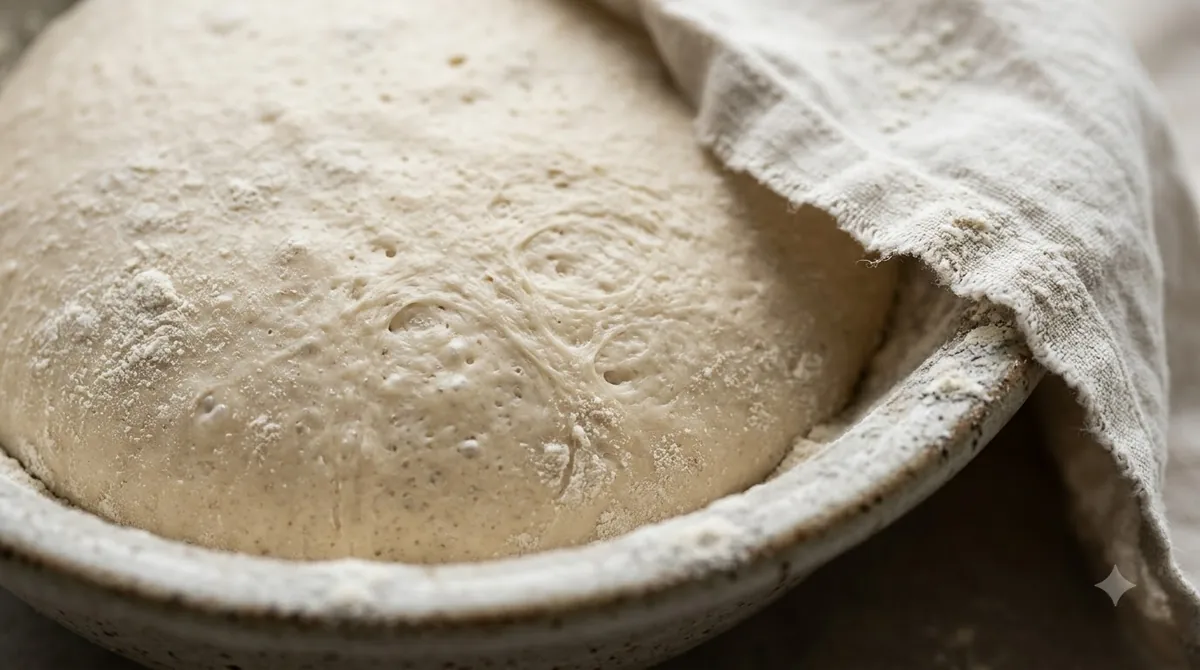
A bread flour pizza dough from America’s Test Kitchen uses 567 grams of flour, 1 3/4 cups of water in two parts, and about 5 minutes of kneading. Follow the weights for the flour, since the recipe gives the flour in grams.
- 4 cups (20 oz / 567 g) bread flour, plus more for dusting
- 1/2 cup warm water at 105 to 115 degrees F, plus 1 1/4 cups water at room temperature
- 1 envelope (2 1/4 tsp) rapid-rise yeast
- 1 1/2 tsp salt
- 2 Tbsp extra virgin olive oil
The test kitchen’s pizza dough recipe with bread flour knead the dough with a stand mixer and dough hook for about 5 minutes, until it is smooth and elastic. Let it rise until doubled, which takes 1 1/2 to 2 hours. A longer walkthrough of the mixer method is in how to make pizza dough in a stand mixer.
The recipe gives weights only for the flour, so measure the water, yeast and salt by the amounts listed. Keep the water in two parts so you can judge the dough as it comes together. In bread flour vs all purpose flour for pizza, bread flour is forgiving here, which is why it suits a first attempt at a chewy crust.
When All Purpose Flour Is Fine
For bread flour vs all purpose flour for pizza, all purpose is fine for a quick, softer pie, though the crust will be less crisp than one made with bread flour. Use it when a bag of bread flour is not in the pantry and the pizza is for a casual night.
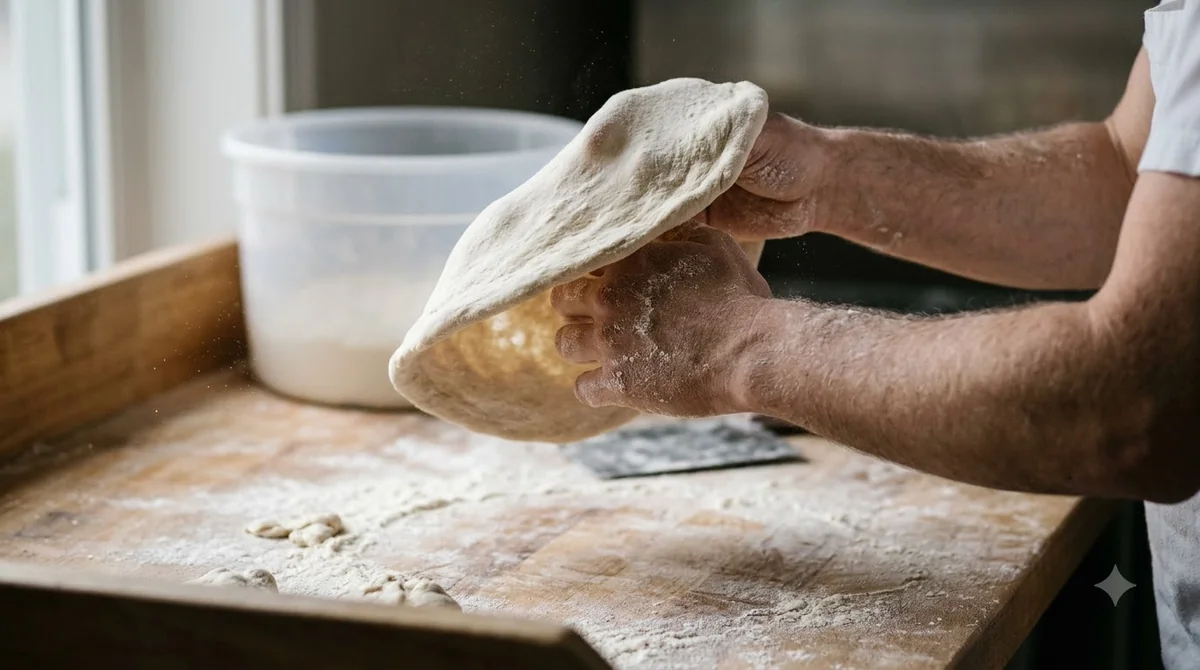
America’s Test Kitchen says unbleached all purpose flour can be used in a pinch, but the resulting crust will be less crisp. That makes it a reasonable backup for an unplanned pizza, not a first choice for a sturdy, chewy base.
The same guide advises checking the recipe before you shop, since not all breads and pizzas require bread flour. Many recipes are written with all purpose flour in mind, so the flour the recipe names is the best guide.
00 flour is a fine Italian flour often used for thin Neapolitan style pizza. The pages used for this guide did not confirm its protein figure, so check the bag and the recipe before swapping it in for bread flour or all purpose flour. For a recipe built around 00 flour, see this Caputo pizza dough recipe.
Frequently Asked Questions
Can I use all purpose flour instead of bread flour for pizza?
Yes, in a pinch. America’s Test Kitchen says unbleached all purpose flour can be used in a pinch, but the crust will be less crisp. Expect a softer, less chewy base, and watch the dough, since the same water can make it sticky.
Does bread flour make pizza crust chewier?
Yes. Bread flour has a high protein level of 12 percent or above, which builds strong gluten and a sturdy dough. The same source says this translates to chewy texture and a crisp crust, which is why it is the common choice for chewy homemade pizza.
Should I add more water when using bread flour?
For bread flour vs all purpose flour for pizza, follow the recipe first. The test kitchen notes that the same water can make a supple, workable dough with bread flour, so bread flour usually handles the recipe’s water well. Adjust in small amounts only when the dough is clearly too stiff or too wet.
Can I mix bread flour and all purpose flour?
A mix of bread flour vs all purpose flour for pizza will land between the two in protein, so the chew will fall between them too. The pages used for this guide did not give a tested blend ratio for bread flour vs all purpose flour for pizza, so start with a small batch, note the crust, and adjust from there.
Is 00 flour better than bread flour for pizza?
It depends on the style you bake. 00 flour is traditional for thin Neapolitan pizza. The pages used for this guide did not confirm its protein figure, so compare the bag and recipe before choosing between 00 and bread flour.
Do I need bread flour for every pizza?
No. For bread flour vs all purpose flour for pizza, America’s Test Kitchen says not all breads and pizzas require bread flour, so check the recipe before you shop. If the recipe names all purpose flour, use it and expect a slightly less crisp crust.
When you weigh bread flour vs all purpose flour for pizza at home, reach for bread flour when you want a chewy, sturdy pie and follow a weight-based recipe. Keep all purpose flour for quick pizza nights, and expect a less crisp crust. Either way, follow the flour the recipe names, because the water and rise depend on it.
 9 min readLearnPizza Dough with All Purpose Flour: A Home Recipe That WorksUpdated Nov 11, 2026
 9 min readLearnSemolina Flour vs All Purpose Flour: Which One to Use and WhenUpdated Nov 10, 2026
 8 min readLearnPizza Dough With Bread Flour: How to Make a Chewy Crust at HomeUpdated Nov 6, 2026
 8 min readLearnWhat Is Manitoba Flour? A Strong Flour for Pizza and BreadUpdated Nov 11, 2026
 6 min readLearnHow to Make Low Carb Pizza Crust With Almond Flour and CheeseUpdated Nov 13, 2026
 8 min readLearnSemolina vs Cornmeal for Pizza Peel: Which Works BetterUpdated Nov 10, 2026