
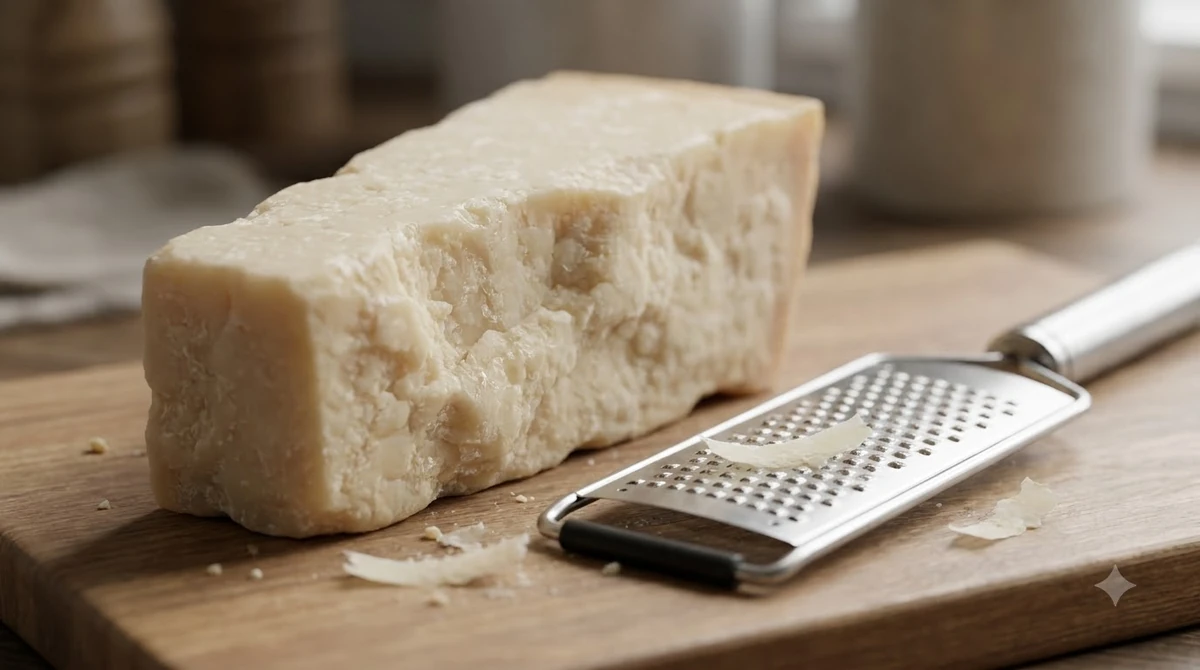

Why is my pizza cheese rubbery? Usually the cheese has been overheated or baked too long, as its proteins squeeze out moisture and leave a stiff, dry layer. Wet fresh mozzarella and pre-shredded cheese make the problem worse. Using a drier cheese, adding fresh mozzarella later in the bake, and watching the bake time will fix most cases.
What Makes Pizza Cheese Turn Rubbery?
Cheese becomes rubbery when it is heated too long. As the proteins warm, they squeeze out water and fat, so the longer the cheese stays in the oven, the drier and stiffer it gets. The Do You Even Pizza guide to rubbery cheese names overheating or overcooking as the main cause.
Fresh mozzarella is the most prone to this. The same guide says it can turn into rubbery blobs in a regular oven within a few minutes, so timing matters more with fresh cheese than with a block.
Fresh or Low-Moisture: Which Cheese Holds Up?
The moisture content of the cheese decides how it bakes. Under FDA standards, fresh mozzarella is 52 to 60 percent water, while low-moisture mozzarella is 45 to 52 percent. That Pizza Kitchen explains that fresh cheese releases its water during a long, cooler bake. That water can pool on the pizza, steam the cheese and stop it from browning.
Low-moisture mozzarella starts drier, so it melts more evenly and browns more reliably. It is the better choice for a home oven, which usually runs at 500 to 550 degrees Fahrenheit for 8 to 10 minutes. Fresh mozzarella suits a much hotter oven, where a pizza cooks in around 60 to 90 seconds.
Flavour is the trade-off. Fresh mozzarella tastes milkier and more delicate, while low-moisture cheese is milder and a little saltier, but more predictable in the oven.
How to Add Fresh Mozzarella Without Rubbery Cheese
A hybrid approach works well at home. Spread low-moisture cheese over the base first for structure and browning, then add torn fresh mozzarella later in the bake so it softens without flooding the crust.
Prepare the fresh cheese before it goes on the pizza. That Pizza Kitchen suggests slicing it and draining it on paper towels in the fridge for about an hour, or overnight. Do You Even Pizza also suggests pressing it between two paper towels for 15 to 20 minutes. Both steps remove water that would otherwise turn into rubber.
- Drain fresh mozzarella on paper towels in the fridge for about an hour before you use it.
- Put the fresh cheese on partway through the bake, not at the very start.
- Use a low-moisture block as the base layer, since it holds its shape better than fresh cheese.
- Watch the clock. Once the cheese is melted and lightly golden, take the pizza out.
Pre-Shredded Cheese and Other Hidden Causes
Pre-shredded cheese often contains anti-clumping additives, and those stop it from melting smoothly. Buying a block and shredding it yourself gives a better melt and a softer texture. If you do use bagged cheese, spread it on a plate and chill it in the back of the fridge for a few hours first so it dries out a little.
Choice of cheese fat also matters. Full-fat mozzarella melts better and stretches more than part-skim, although it can be harder to find. Part-skim cheese can brown unevenly and turn slightly rubbery once it cools, so check the label before you buy.
The table below shows the usual causes and the change that fixes each one.
| Cause | Fix |
|---|---|
| Cheese baked too long | Pull the pizza once the cheese is melted and lightly golden |
| Wet fresh mozzarella | Drain and press it, then add it partway through the bake |
| Pre-shredded cheese | Buy a block and shred it, or chill the shreds to dry them |
| Part-skim cheese | Choose a full-fat mozzarella when you can find one |
| Too much cheese | Use a moderate layer so the centre melts through |
How to Tell When the Cheese Is Done
The right moment to take the pizza out is when the cheese has melted into an even layer and just begins to colour at the edges. Waiting for deep browning on top usually means the cheese has already started to tighten and dry out.
Check the pizza a minute or two before the time you expect it to be ready. Look at the centre, not only the edges, because the middle often lags behind. If the cheese still looks wet and loose, give it a little longer, but keep checking so it does not pass the point of melting smoothly.
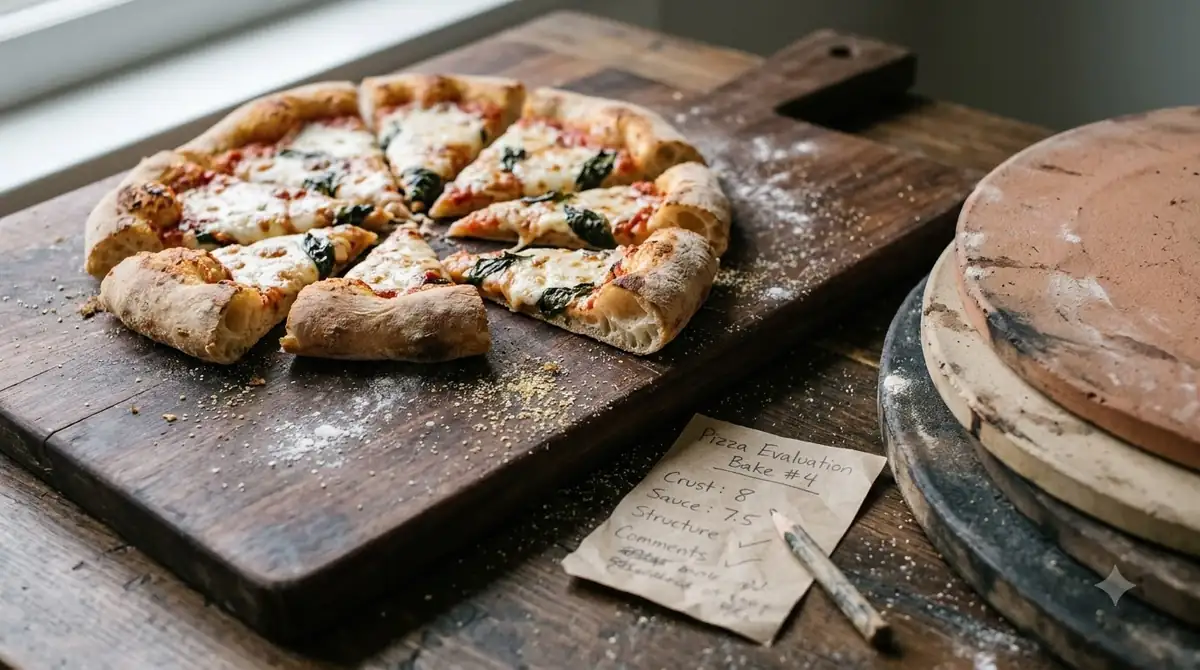
Keep notes for each bake: the cheese type, the amount, the oven setting and the time it took to reach the right colour. After a few pizzas you will know the window for your own oven, and rubbery cheese becomes much less common.
Frequently Asked Questions
Why is my pizza cheese rubbery even with low-moisture mozzarella?
The cheese is probably baked too long or at too high a heat for the bake time. Pull the pizza as soon as the cheese is melted and lightly golden.
Should I add fresh mozzarella at the start of the bake?
Usually not. Adding it partway through the bake keeps it from overheating. Drain or press the slices first so less water reaches the crust.
Is pre-shredded cheese the reason my pizza cheese is rubbery?
It can be. The anti-clumping additives in bagged cheese stop it melting smoothly, so a block cheese that you shred yourself usually gives a better texture.
Can I fix rubbery cheese on a pizza I already baked?
Not really. A rubbery layer will not soften on a second bake. Change the drying, the cheese type and the bake time for the next pizza.
Rubbery pizza cheese usually comes down to moisture and time. Use a drier block cheese, drain any fresh mozzarella, add it late and take the pizza out once it has melted. Make one change at a time so you can see which one works in your oven.
 6 min readLearnWhy Is My Pizza Greasy? Causes and Easy FixesUpdated Nov 13, 2026
 6 min readLearnWhy Is My Pizza Soggy in the Middle? Causes and FixesUpdated Nov 13, 2026
 9 min readLearnWhy Is My Pizza Dough Tough? Causes and Easy FixesUpdated Nov 12, 2026
 10 min readLearnWhy Is My Pizza Crust Gummy? Causes and FixesUpdated Nov 10, 2026
 8 min readLearnWhy Is My Pizza Crust Hard? Causes and FixesUpdated Nov 10, 2026
 6 min readLearnWhy Is My Fresh Pasta Gummy? Causes and Easy FixesUpdated Nov 13, 2026