
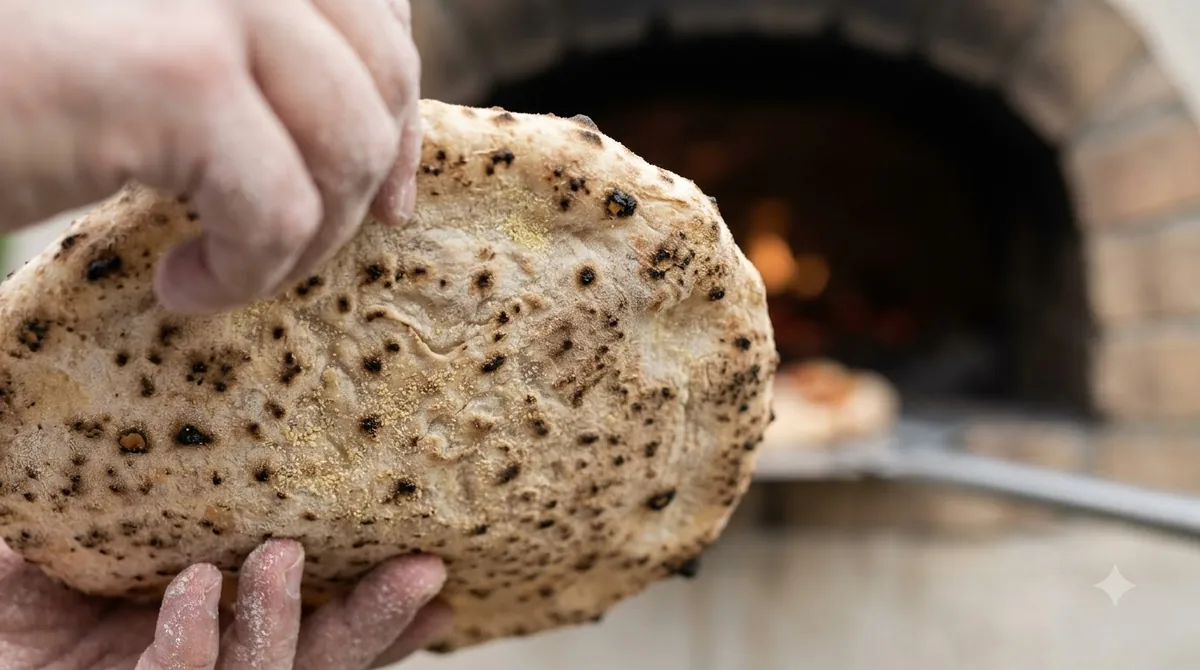

The main answer to why is my pizza crust hard is oven heat: a long bake at a low temperature dries the dough out before the surface browns. Flour and handling can also make a crust tough. Both causes are covered below.
Crust texture depends on how the dough is handled as well as how it bakes. If the crust is tough all the way through, start with the dough. If it is pale, dry and firm while the top looks done, start with the oven.
Why Is My Pizza Crust Hard in the Oven
Oven temperature is usually the main culprit, because a low heat held for a long bake lets moisture escape before the crust sets. Home ovens can reach up to 550°F, so a crust that comes out firm is usually a heat or timing problem.
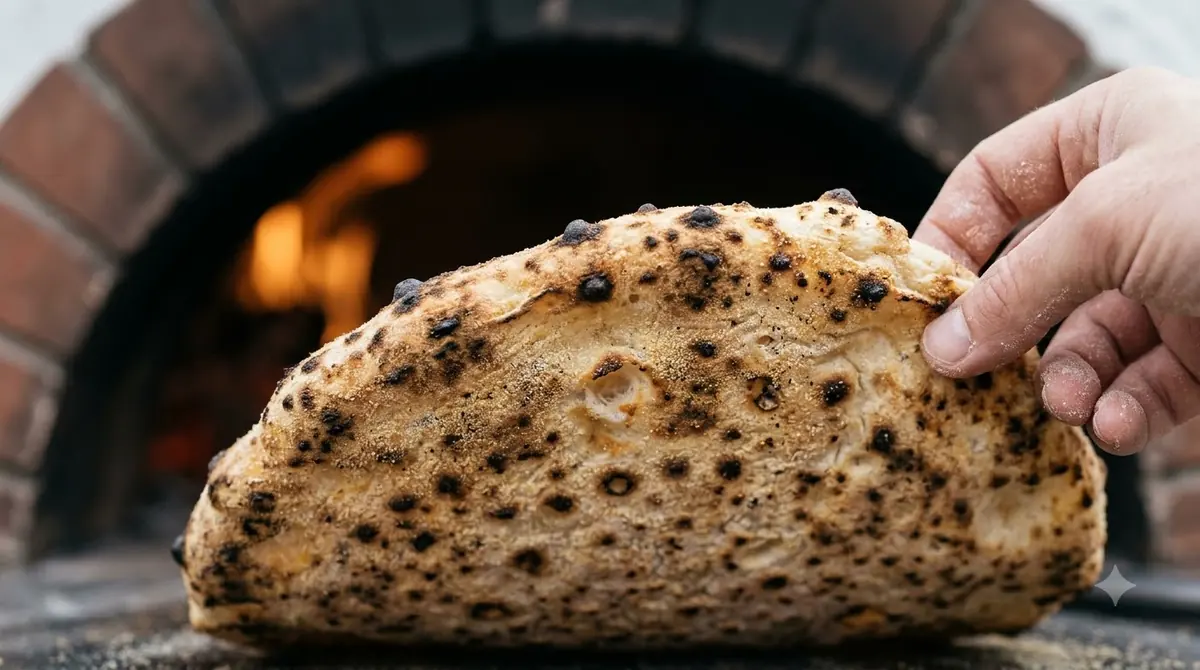
To see why is my pizza crust hard, remember that dough is mostly water held inside a network of gluten. When it bakes slowly at low heat, that water leaves gradually, and the crust dries into a firm, cracker-like texture. A hot oven sets the outside quickly, so less moisture is lost from the middle. That moisture loss is the core reason why is my pizza crust hard after a slow bake.
Tasting Table makes the same point in its explanation of this problem, saying that pizza baked at a low temperature for an extended period dries the dough and makes it harder. The article gives reference points: non-commercial ovens reach up to 550°F, brick pizza ovens are heated to 626°F, and the pizza itself can reach 392°F, which it calls the sweet spot. Tasting Table’s guide to hard homemade crust is the source for these figures.
If you keep asking why is my pizza crust hard, start by using the hottest setting your oven allows, and keep the bake short enough that the crust browns before it dries. For more tips on pushing your oven higher, see how to get a pizza oven hotter. A long bake at a mild temperature gives the water time to escape, so the crust stays pale and firm even when it is cooked through.
How Flour and Dough Handling Make Crust Tough
The second answer to why is my pizza crust hard is handling: adding flour after the dough is mixed is the most common error behind a tough crust, according to pizzeria owner Nicole Bean. Her point is that extra flour changes the dough in a way that cannot be undone during baking.
Chowhound’s explanation of tough pizza crust is written by Faefyx Collington and quotes Bean, who owns two Pizaro’s Pizza Napoletana locations in Houston, Texas. Her view is direct: adding extra flour is only going to make the dough tougher.
Flour added to wet dough raises the gluten content, which has a similar effect to overworking it. Heavy dusting on the work surface during shaping can also produce a thick, chewy crust that is more likely to burn, and a dough that is too wet to begin with is covered in our guide to pizza dough that is too sticky.
Overworking is a third answer to why is my pizza crust hard. Kneading or folding too much builds gluten, and the result is a tough, chewy base. Stop kneading once the dough is smooth and holds together, rather than working it by the clock.
The fixes are practical and easy to try in the next batch:
- Rest the dough longer before shaping, which Bean names as the best way to avoid the problem.
- Chill the dough if your kitchen is warm, since the article says chilling can also help.
- Fold the dough a few more times, but not so much that it becomes overworked.
- Dust the bench lightly, and brush off excess flour before adding toppings.
Preheated Steel and Broiler Method for Crisper Results
The method Tasting Table relays from NPR pairs a preheated steel at 430°F with a bake of 60 to 90 seconds on the steel, then a finish under the broiler. The steel gives the base a short, intense heat rather than a long, gentle bake. For a longer routine on the steel itself, see our guide to baking steel preheat and first bake.
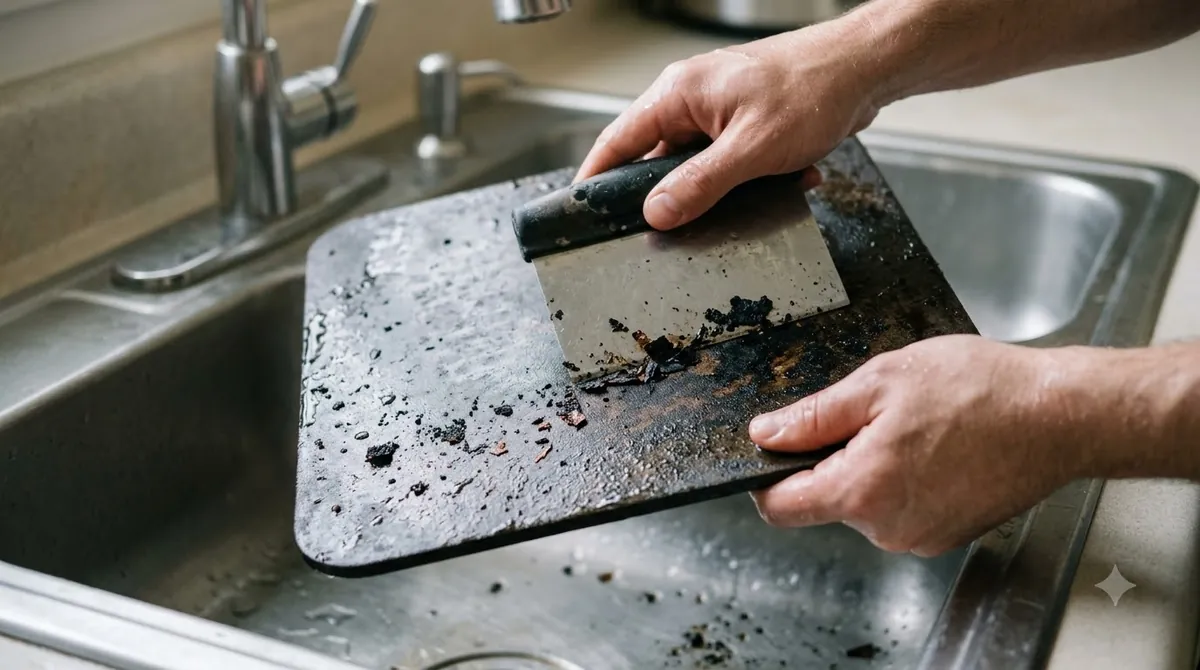
The method starts with the steel itself. The article says to preheat a steel surface to 430°F, and it names a steel baking pan or the bottom of the oven as options. For the full preheat-and-bake routine, see how to use a pizza steel in a home oven.
Bake the pizza on the steel for 60 to 90 seconds, until the bottom looks close to burning. Remove the pizza and finish it under the broiler, watching it closely so the top does not darken too far.
This approach suits home ovens that struggle to hold high heat, and it is one more answer to why is my pizza crust hard when the base is pale. The opposite problem, a wet base, is covered in how to fix soggy pizza. Check your oven manual before using a broiler with a steel or stone, because the manufacturer’s limits take priority over any general method.
Symptoms, Causes and Fixes at a Glance
Use this table to match what you see on the plate with a likely cause behind why is my pizza crust hard. Each row relates to a point covered above.
| Symptom | Likely cause | Fix |
|---|---|---|
| Crust is dense and chewy | Extra flour added after mixing, which raises gluten | Rest longer and fold gently instead of adding flour |
| Crust is tough all the way through | Overworked dough with too much gluten | Stop kneading once the dough is smooth and holds together |
| Thick base that burns easily | Heavy flour dusting on the work surface | Dust the bench lightly and brush off excess |
| Pale, dry, firm crust | Low oven heat with a long bake | Use the hottest setting your oven allows and bake for less time |
| Pale base under a done top | Not enough direct heat on the base | Preheat a steel or stone and finish under the broiler |
Step by Step Fix for a Hard Crust
Change one step at a time when you test why is my pizza crust hard in your own oven, starting with oven heat and flour, because those are the two causes the sources cover most clearly. Changing several things at once makes it hard to tell which fix worked.
- Preheat the oven and your steel or stone fully, then use the hottest setting the oven allows.
- Keep flour off the dough during shaping, and dust the bench only lightly.
- Rest the dough longer, and fold it a few more times instead of adding flour.
- Bake until the rim and base brown, and avoid a long, low bake that dries the crust.
- If the top is done but the base is still pale, finish under the broiler and watch it closely.
Hydration and Recipe Changes
The sources used for this guide give no safe hydration percentage, so this article does not recommend one. Chowhound notes that flour type (see pizza dough with bread flour), protein content, kneading time and humidity all affect how much flour a dough needs. If the crust keeps firming up, the recipe may be the reason why is my pizza crust hard, not the oven.
The article says the only fix for humidity is trial and error. If you change the recipe, change one thing at a time, such as the water amount or the rest time, and bake each batch the same way so you can compare results. If a dense crust comes from dough that did not rise enough, read about underproofed pizza dough.
Frequently Asked Questions
Why is my pizza crust hard even when it looks done?
The top can brown while the dough inside has lost moisture during a long, low-temperature bake. Tasting Table notes that low heat for an extended time dries the dough, so check the texture as well as the color.
Does adding more flour help a sticky dough?
Usually not. Bean says adding extra flour after mixing only makes the dough tougher, because it raises gluten. Fold the dough a few more times and rest it longer instead of adding flour during shaping.
Is kneading longer a fix for a hard crust?
Usually not, since overworking is a common reason for why is my pizza crust hard: it builds gluten, which leads to a tough, chewy crust. Stop once the dough is smooth and holds together.
Does a steel or stone help with a hard crust?
If you wonder why is my pizza crust hard in a home oven, Tasting Table describes baking on a preheated steel at 430°F for 60 to 90 seconds, then finishing under the broiler. The sources used here do not cover stone results in detail, so treat the steel method as one approach to test.
Should I change the water amount to fix a hard crust?
When testing why is my pizza crust hard, change the water only in small steps and one batch at a time. The sources used here do not give a safe hydration figure, so keep other variables fixed while you test a new amount.
If the crust is still hard after you fix the bake, ask again why is my pizza crust hard and check the dough before the oven next time. Start with the flour on the bench and the oven heat, since the sources agree most on those two causes. Keep a short note of each change so you can see which fix made the difference.
 10 min readLearnWhy Is My Pizza Crust Gummy? Causes and FixesUpdated Nov 10, 2026
 9 min readLearnWhy Is My Pizza Dough Tough? Causes and Easy FixesUpdated Nov 12, 2026
 6 min readLearnWhy Is My Pizza Greasy? Causes and Easy FixesUpdated Nov 13, 2026
 5 min readLearnWhy Is My Pizza Cheese Rubbery? Causes and FixesUpdated Nov 13, 2026
 6 min readLearnWhy Is My Pizza Soggy in the Middle? Causes and FixesUpdated Nov 13, 2026
 9 min readLearnWhy Is My Pasta Sticky? Causes and Easy FixesUpdated Nov 10, 2026