

The best hot honey is a jar that starts with real honey, names its chili source and sits at a heat level you can enjoy. Hot honey is honey infused with chili peppers, usually used as a finishing drizzle on pizza, chicken or cheese. Many brands sell it, so the label tells you more than the brand name does.
Start with the ingredient list, then judge the heat, then match the jar to how you cook. That order is the quickest way to find the best hot honey for your table. You can also make a basic version at home in about 30 minutes.
What Hot Honey Is and What Makes a Good Jar
Hot honey is honey infused with chili, so the honey base and the chili source decide most of its quality.
Mike’s Hot Honey, a brand founded in 2010 by Mike Kurtz, describes its product as honey infused with chilies. The brand’s own page calls it a blend of honey and chili peppers. That page does not list a heat rating, an ingredient list or product sizes, so check the jar itself rather than relying on marketing copy. Our Mike’s Hot Honey review looks at that brand in more detail.
The best hot honey jar tells you three things: which honey it uses, which chili it adds and how hot it runs. Pure honey with a named chili is the simplest starting point. Taste alone does not tell you what is in the jar, so when you compare the best hot honey options, the printed label matters more than the flavor on first sample.

How to Find the Best Hot Honey on a Label
Ingredients are listed by weight, so the first ingredient is the largest part of the jar.
In the United States, the federal labeling rule requires ingredients to be listed by common name in descending order of predominance by weight, as set out in 21 CFR 101.4. If an ingredient is itself a mix with its own common name, the label may show that name followed by a parenthetical list of its parts. Use the list in this order:
- Check whether honey comes first. If it does, the jar is mostly honey by weight.
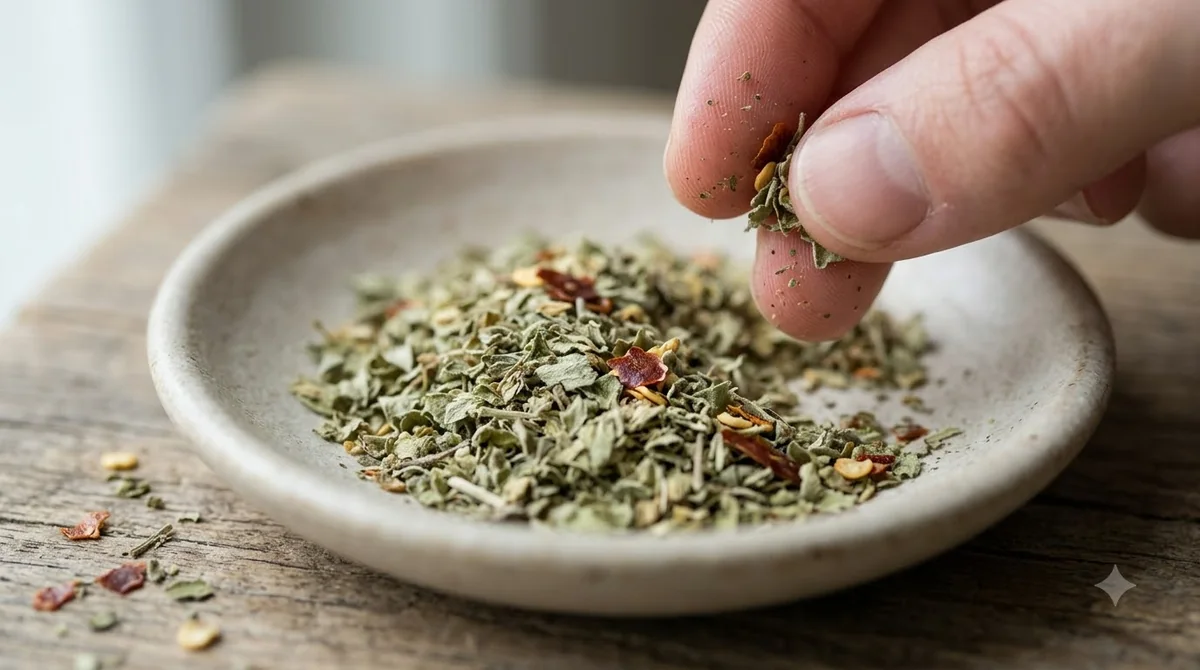
- Find the chili source. Red pepper flakes, cayenne and chili sauce give different textures and different heat.
- Read any parenthetical list. A chili sauce or seasoning blend listed as one ingredient shows its parts in brackets.
- Note any butter, vinegar or sugar. These change how the jar tastes on food, not just how it looks.
- Follow any storage line on the label, since the instructions differ by product.
How Hot Is It? Reading Heat Levels
Hot honey gets its heat from chili, and the Scoville scale measures that heat in Scoville heat units (SHU).
The Scoville scale is a measurement of spiciness of chili peppers and other substances, recorded in Scoville heat units. The table gives typical ranges for three common peppers, based on the Scoville scale entry.
| Pepper | Typical heat (SHU) | What it means in a jar |
|---|---|---|
| Jalapeño | 2,500 to 10,000 | Mild to moderate warmth |
| Cayenne | 25,000 to 50,000 | Clear heat that sits behind the sweetness |
| Habanero | 100,000 to 350,000 | Strong heat that needs only small amounts |
Red pepper flakes do not get their own entry in that source, so their heat depends on the blend, and a jar may combine several peppers. The burn itself comes from capsaicin, which is found mainly in the placental tissue and inner membranes of a chili rather than in the seeds. Heat depends on the pepper you add, not on the honey underneath it, so the best hot honey for you is the one whose pepper you can name.
Where Hot Honey Works Best on Pizza and Beyond
Hot honey works best as a finish, added after the food comes out of the oven.
On pizza, the usual approach is to bake first and drizzle afterward. The Well Plated hot honey pizza recipe bakes at 500 F, or as high as the oven goes, on an upper-third rack for 8 to 10 minutes, rotating the pizza halfway through. It then moves the pie to a cutting board and drizzles it with hot honey.
A different route appears in a Tasting Table pepperoni recipe, which preheats the oven to 475 F with a pizza stone or baking sheet inside and bakes for 12 to 15 minutes. Both recipes put hot honey on pizza, but the oven settings differ, so follow the one that matches your oven and crust. For a full pie from dough to drizzle, see our hot honey pizza recipe.
The best hot honey for pizza is one whose heat you can predict, and it tends to suit a few kinds of food:
- Pepperoni and mozzarella pizza, where salt and fat balance the sweetness.
- Fried or roasted chicken, where a light drizzle adds sweet heat.
- Cheese boards with aged or salty cheese.
It is a poor fit for a baby under one year old, and it is a weak choice for a table where some guests dislike chili. In that case, serve it on the side so each person can add as much as they want. For dry toppings that pair with the drizzle, see our guide to pizza seasoning.
Making Hot Honey at Home
A basic homemade hot honey needs half a cup of honey, red pepper flakes, cayenne and apple cider vinegar, plus about 15 to 30 minutes of infusing.
The Well Plated hot honey recipe uses a bowl or spouted measuring cup with room for the honey to bubble. Follow these steps:
- Microwave 1/2 cup honey on high until it starts to bubble, about 45 seconds to 1 minute, depending on your microwave.
- Stir in 1 tablespoon red pepper flakes and 1/8 to 1/4 teaspoon cayenne. Let it cool and steep for 15 minutes, or 30 minutes for a spicier honey.
- Stir in 1 teaspoon apple cider vinegar and reheat briefly to loosen the honey.
- Pour the honey through a fine mesh sieve into a storage container, then cover it tightly.
If you want more heat, add more pepper flakes and infuse for another 15 minutes. Because you can always add chili later but cannot take it back out, start mild and taste as you go.
For a garlic-forward, Thai-style version, the Tasting Table recipe simmers 2 tablespoons butter, 1/2 cup honey, 3 tablespoons Thai sweet chili sauce, 2 teaspoons Thai red chile flakes, two minced garlic cloves, 1/4 teaspoon sea salt and 1/8 teaspoon black pepper. The garlic simmers for 2 to 3 minutes before the mixture is used.
Store-Bought or Homemade: How to Choose
Store-bought hot honey saves time, while homemade lets you control the honey, the chili and the heat level, which is why some cooks make their own best hot honey.
| Factor | Store-bought | Homemade |
|---|---|---|
| Ingredient control | Set by the brand; read the label | You pick the honey and the chili |
| Heat control | Fixed by the jar | Add flakes or cayenne and infuse longer |
| Time | Ready to use | About 15 to 30 minutes of infusing, plus cooling |
| Storage | Follow the label | Up to 3 months at room temperature or in the fridge, once cooled and tightly covered |
Buy store-bought if you want the best hot honey for guests or gifts with a consistent heat level, or if you already know a brand you like. Make your own if you want to adjust the heat for each meal or use a honey you already have on the shelf. More label-reading help is in the Gear and Pantry guides.
Storage and Crystallization
Crystallized hot honey is not spoiled, and gentle warming returns it to a liquid.
Honey crystallizes when glucose comes out of solution and forms granules, which is a physical change. The honey entry on Wikipedia notes that crystallizing does not mean the honey has expired. How fast it sets depends on its sugar ratio: honeys high in glucose crystallize quickly, while low-glucose honeys such as chestnut or tupelo do not crystallize.
Heat needs care. Excessive heat increases hydroxymethylfurfural (HMF) and reduces enzyme activity, so warm the jar gently and for the shortest time possible. Once your homemade batch has cooled, keep it tightly covered and use it within the 3 month window from the Well Plated recipe.
Who Should Skip Hot Honey or Use Caution
Babies under one year should not eat honey, because honey can carry botulism spores.
Infants can develop botulism after consuming honey contaminated with Clostridium botulinum endospores, according to the Wikipedia honey entry. That source describes the risk as small but says taking it is not recommended until after one year of age. Hot honey is still honey, so the same rule applies to it. The CDC botulism prevention page says honey is not safe for infants and advises against feeding honey to a child younger than 1 year old.
Heat is a second caution. Chili strength varies widely by pepper, as the table above shows, so start with a small amount when cooking for people who are sensitive to spice. Skip the drizzle for anyone you have been told to avoid spicy food.
Frequently Asked Questions
Is hot honey the same as honey with chili flakes?
Hot honey is honey infused with chili, so a jar with flakes stirred in is close to the same thing. Check the ingredient list to see whether it also contains vinegar, butter or sauce before you pick the best hot honey for your recipe.
How hot is hot honey?
It depends on the chili. Jalapeño ranges from 2,500 to 10,000 SHU, cayenne from 25,000 to 50,000 SHU and habanero from 100,000 to 350,000 SHU, so jars with the same name can taste very different.
Can I drizzle hot honey on pizza before baking?
The Well Plated recipe drizzles it after baking. The pizza is moved to a cutting board first, and then the honey is drizzled over it.
Do I need a pizza stone?
Not necessarily. The Tasting Table pepperoni recipe preheats the oven with a pizza stone or a baking sheet inside, then bakes at 475 F for 12 to 15 minutes.
Is hot honey safe for babies?
No. Babies under one year should not eat honey, because honey can carry botulism spores. The CDC advises against feeding honey to a child younger than 1 year old.
Does hot honey go bad?
Crystallization does not mean spoilage, and gentle warming returns the honey to a liquid. Homemade hot honey keeps up to 3 months at room temperature or in the fridge once cooled and tightly covered.
Choose the best hot honey by reading the label first, then pick the heat that fits your meals. If you make your own, start mild, because you can always add more chili later but cannot take it back out.
 8 min readGear & PantryMike’s Hot Honey Review: Sweet Heat in a Squeeze BottleUpdated Nov 16, 2026
 10 min readGear & PantryBest Canned Anchovies: How to Choose the Right Tin for Your KitchenUpdated Nov 16, 2026
 8 min readGear & PantryBest Olive Oil: How to Choose the Right Bottle for Your KitchenUpdated Nov 17, 2026
 8 min readGear & PantryBest Pesto: How to Choose a Jar That Fits Your PastaUpdated Nov 16, 2026
 8 min readGear & PantryDigital Kitchen Scale: What It Does and How to Choose OneUpdated Nov 16, 2026
 11 min readGear & PantryBest Yeast for Pizza Dough: How to Choose the Right TypeUpdated Nov 16, 2026