
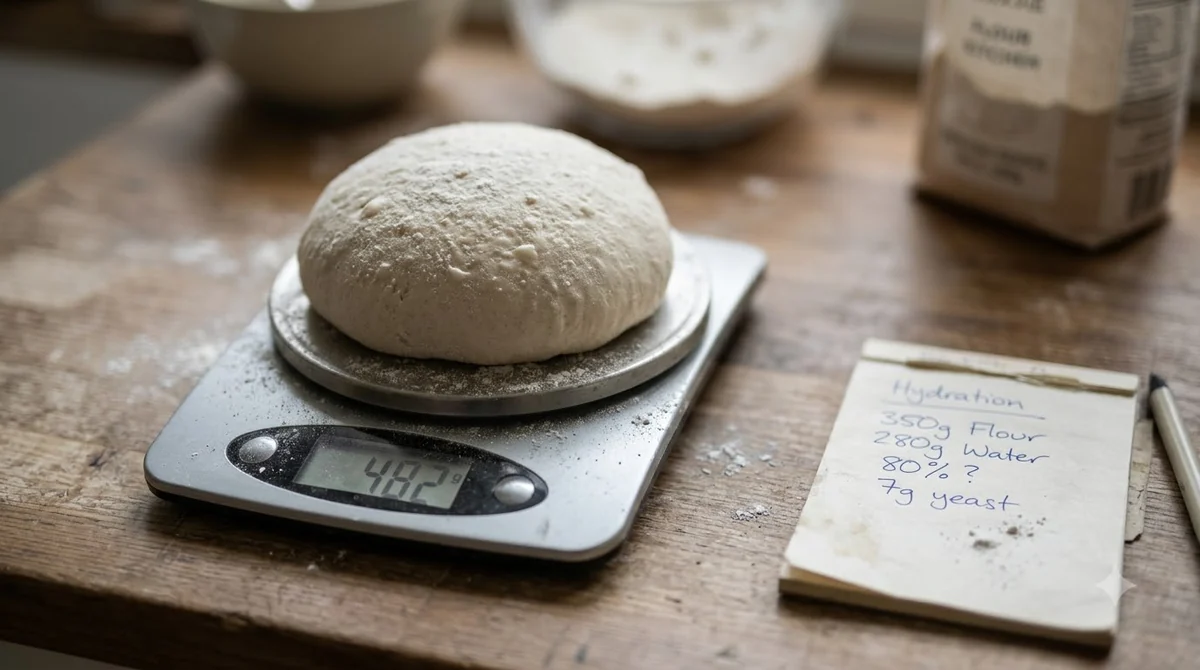

A digital kitchen scale is a strain gauge scale that shows the mass of food in grams or ounces. It replaces measuring cups for many recipes, so ingredient amounts stay consistent from one batch to the next.
The features that matter most are capacity, readability and a tare function. Check those on the spec sheet before you compare prices.
How a Digital Kitchen Scale Works
A digital kitchen scale uses a strain gauge that bends slightly under load and sends a signal to a display, which turns that signal into a number.
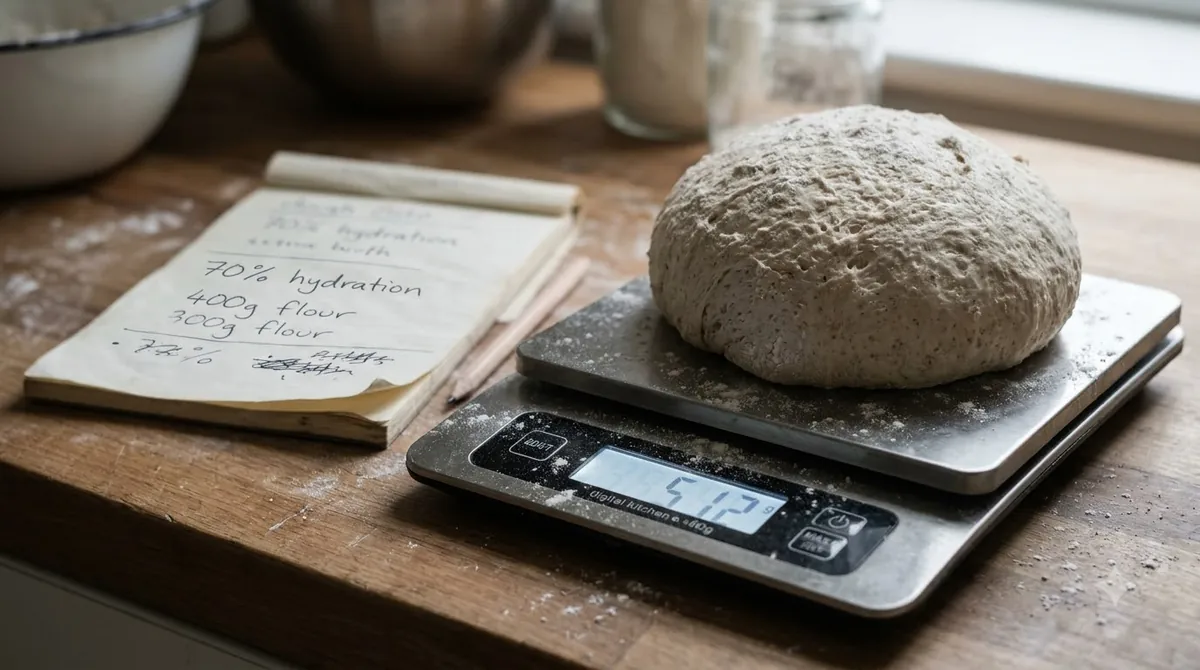
Reference sources describe a digital kitchen scale as a strain gauge scale, a type of device that measures mass. A digital kitchen scale measures mass or weight, and the two words are often used loosely in home cooking. The practical point for a cook is simple: the display shows how much the food weighs, so you can add ingredients until you reach the amount a recipe asks for. For taring and unit tips, see our guide on how to use a digital kitchen scale.
Because the sensor responds to whatever sits on the platform, the surface under the scale matters. A counter that wobbles or slopes can shift the reading. Place the scale on a flat, firm surface before you start weighing.
Wait for the display to settle before you read it. Many scales show a brief fluctuation when an ingredient is poured or scooped, and the stable number is the one to use. If the reading keeps moving on a flat surface with nothing on the platform, check the batteries or the manual’s troubleshooting section before you rely on the digital kitchen scale.
Grams, Ounces and Other Units
One avoirdupois ounce equals exactly 28.349523125 grams, and a pound is 16 ounces, so a pound equals 453.59237 grams. Most digital kitchen scales let you switch between grams and ounces with a button.
| Unit | Equivalent | Note |
|---|---|---|
| 1 ounce (oz) | 28.349523125 g | Avoirdupois ounce, the US customary and British imperial ounce |
| 1 pound (lb) | 16 oz, or 453.59237 g | Calculated from the ounce value above |
| 1 gram (g) | About 0.035 oz | Use grams for small amounts such as yeast or salt |
Grams give finer steps for small amounts, while ounces suit larger quantities of flour or cheese, and gram weights are also handy for fresh pasta dough. If a recipe mixes both systems, the NIST guidance on SI and US customary units explains how the two relate, and the exact ounce value above lets you convert without rounding errors.
When a recipe is written in ounces but your digital kitchen scale is set to grams, switch the display rather than converting by hand. The display conversion avoids the small rounding errors that creep in when you multiply a number by hand, and the exact ounce value makes the switch reliable.
Features to Check Before Buying
Capacity, readability and a tare function are the three specs that decide whether a digital kitchen scale suits home baking.
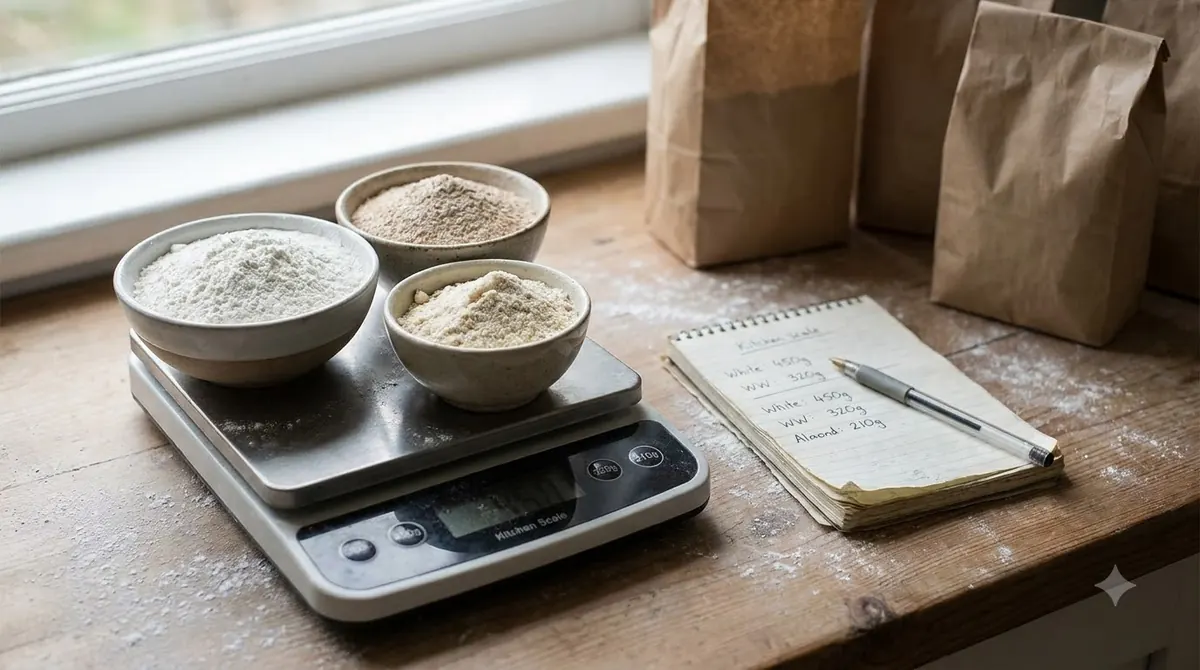
Read the spec sheet for each model and compare these points in order:
- Capacity: the maximum load the scale is rated for. A heavy mixing bowl plus a kilogram of flour must fit within that limit, so add the bowl weight before you decide.
- Readability: the smallest step the display shows. A finer step helps with yeast, salt and spices, where a small error changes the result.
- Tare function: resets the display to zero with a container on the platform, so only the food weight is shown. Confirm it works in both grams and ounces.
- Platform: a flat, washable surface large enough for your bowl. A removable platform is easier to clean.
- Power source: batteries or a charging connection. Check what the manual lists before you buy, and keep spare batteries on hand if the model uses them.
Check every number against the manufacturer’s listing or manual. If a spec is missing from the product page, treat that model as unverified until you can confirm it.
Look for a model that lets you tare more than once in a single session. Recipes with several ingredients in one bowl, such as a batter, depend on each tare step being reset correctly. Test the function with a small amount of water before the first real recipe, and note whether the digital kitchen scale holds its zero between steps.
Display size and backlighting also matter more than they seem. A digital kitchen scale that sits on a crowded counter, or that you read from an angle while your hands are covered in dough, is easier to use when the digits are large and the light is clear.

Common Weighing Mistakes
Most inaccurate results come from skipping tare, weighing liquids by volume, or using a scale on an uneven surface.
| Mistake | What it causes | Fix |
|---|---|---|
| Adding ingredients without tare | Container weight counted as food | Tare after placing each container |
| Measuring liquids by volume in a cup | Different amounts from the same recipe line | Weigh the liquid in grams in a bowl on the platform |
| Scale on a sloped or soft surface | Readings that drift or change when touched | Move it to a flat, firm counter and recheck |
| Mixing units mid-recipe | Rounding errors when switching systems | Stay in one unit for the whole recipe |
Cup measures can be close enough for some dry ingredients, but a digital kitchen scale removes the variation that comes from how firmly flour is packed. For recipes where ratios matter, such as bread and pizza dough, weighing is the more consistent method.
Dough is a special case. When a recipe lists flour and water by weight, the ratio between them sets the texture, so a few grams of error in either one changes the result. Weigh the flour first, tare, then add the water. Keep notes on the weights you use so you can repeat a good batch, and use our pizza dough calculator or the guide on how much dough a 12-inch pizza needs to plan the amounts.
Off-center loads can also throw off a reading on some models. Place the bowl in the middle of the platform rather than at the edge, and check the manual for any guidance on loading.
Cleaning and Care
Wipe the platform with a damp cloth and keep the display dry, since moisture is the main risk to the electronics.
- Switch the scale off and remove any removable platform.
- Wipe the platform with a damp cloth and mild soap, then dry it fully.
- Clean spills right away so food does not dry on the surface.
- Never submerge the body in water unless the manual says the model is washable.
- Store the scale flat, away from heat, and follow the manufacturer’s care sheet.
Avoid abrasive pads, harsh solvents and soaking the platform in a sink unless the manual lists it as washable. Residue from spilled flour or sugar can be brushed off dry before the damp cloth is used, which keeps the surface from clumping.
Frequently Asked Questions
Is a digital kitchen scale more accurate than measuring cups?
For dry ingredients such as flour, weighing usually gives a more consistent result than scooping, because the volume of a cup changes with how the flour is packed. Use the readability on the spec sheet to judge how fine the measurements can be.
Do I need a scale that shows both grams and ounces?
Many recipes use one system only. A digital kitchen scale that switches between grams and ounces covers both, and the conversion for an avoirdupois ounce is exact at 28.349523125 grams.
What does tare mean on a digital scale?
Tare sets the display to zero with a container on the platform, so the reading shows only the food you add. Press it again after each ingredient to keep the running total accurate.
Can I weigh liquids on a digital kitchen scale?
Yes. Place a bowl on the platform, tare it, then pour in the liquid in grams. This avoids the error that comes from reading a measuring cup at an angle.
How often should a digital kitchen scale be recalibrated?
Check the manufacturer’s manual for calibration steps and any recommended interval. If the manual does not give an interval, test the scale with a known weight before relying on it for a critical recipe.
A digital kitchen scale is a small purchase that makes ingredient amounts repeatable. Decide on capacity and readability first, then confirm the tare function and platform size, and weigh every ingredient in one unit for the whole recipe.
 8 min readGear & PantryHow to Use a Digital Kitchen Scale for Accurate BakingUpdated Nov 10, 2026
 8 min readGear & PantryPizza Peel: What It Does and How to Choose OneUpdated Nov 16, 2026
 8 min readGear & PantryCavatelli Maker: What It Does and How to Choose and Use OneUpdated Nov 17, 2026
 8 min readGear & PantryPizza Dough Proofing Box: What It Does and How to Use OneUpdated Nov 10, 2026
 10 min readGear & PantryBest Canned Anchovies: How to Choose the Right Tin for Your KitchenUpdated Nov 16, 2026
 9 min readGear & PantryBest Hot Honey: How to Choose the Right Jar for Your KitchenUpdated Nov 16, 2026