
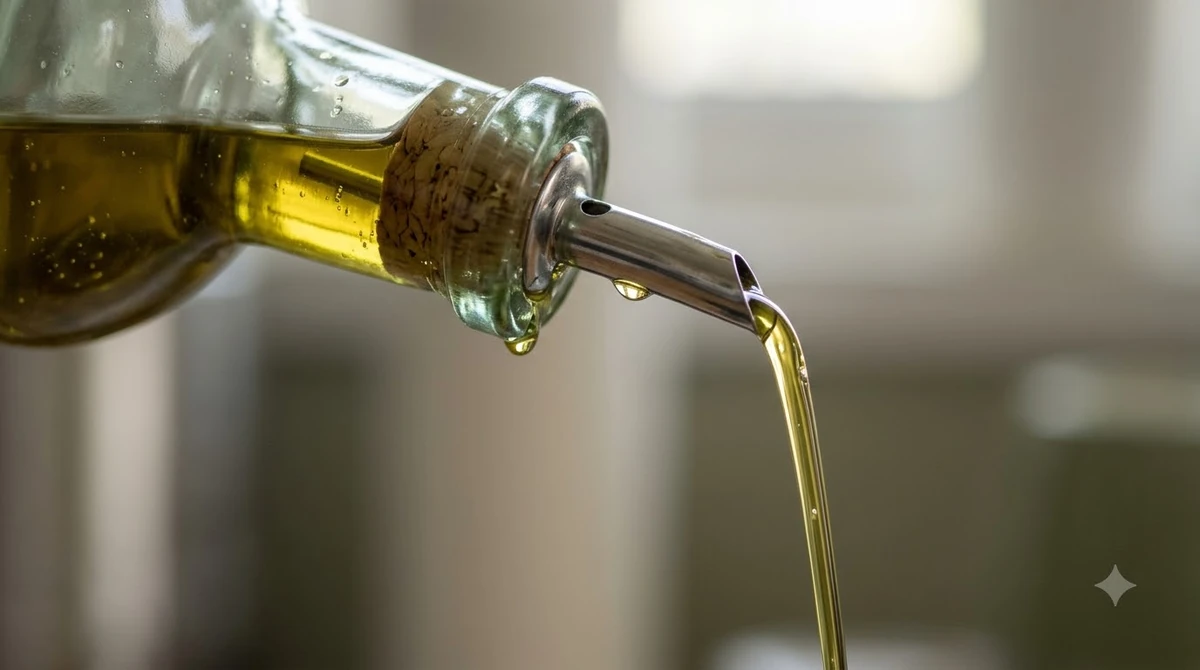

The best olive oil for cooking is extra virgin for sauteing and roasting, and refined or pure olive oil for frying. Heat decides the choice more than the brand does, so match the bottle to the method you use most. Extra virgin keeps its flavor but tolerates less heat than refined oil, and the grade on the label tells you what you are buying.
| Pick | Best for | Key fact |
|---|---|---|
| Extra virgin olive oil | Sauteing, roasting, sauces, finishing | Typical smoke point range of 350 to 410 °F |
| Refined or pure olive oil | Pan frying and high-heat searing | Smoke point cited at about 470 °F |
| Light olive oil | Baking and neutral-flavor dishes | Refined oil blended with a small share of virgin oil |

Graza Sizzle Extra Virgin Olive Oil, Cooking Oil
Pros & ConsViewHide
Reasons to buy
- Extra virgin cooking oil in a 750 mL bottle
- 4.7-star average across about 4.2K Amazon ratings
- Priced as an everyday oil
Reasons to avoid
- Brand pages name no growing region or harvest date
- Smaller than a 2 L bag-in-box

Bertolli Cooking Olive Oil, High Smoke Point
Pros & ConsViewHide
Reasons to buy
- Sold as a cooking oil with a high smoke point, suited to searing and frying
- Large 32 fl oz bottle
- Rated 4.7 stars on Amazon
Reasons to avoid
- Not an extra virgin finishing oil
- Milder flavor than extra virgin for dipping or drizzling

California Olive Ranch California Extra Virgin
Pros & ConsViewHide
Reasons to buy
- Chef's bottle of 100% California extra virgin olive oil
- 16.9 fl oz size is easier to finish within months of opening
- 4.4-star average on Amazon
Reasons to avoid
- Smaller than the 2 L bag-in-box, so cost per ounce is higher
- Harvest date is not shown on the listing

California Olive Ranch, 100% California Bag-in-Box
Pros & ConsViewHide
Reasons to buy
- 2 L bag-in-box cuts light exposure
- Labeled 100% California extra virgin olive oil
- 4.5-star average on Amazon
Reasons to avoid
- Large format only pays off if you use it within months of opening
- Highest sticker price in this comparison

Pompeian Smooth Extra Virgin Olive Oil
Pros & ConsViewHide
Reasons to buy
- Rated 4.8 stars across more than 41K Amazon ratings
- Large 2 L (68 fl oz) bottle for heavy home use
- Pompeian is one of the brands America's Test Kitchen recommended
Reasons to avoid
- Two liters is a lot to finish within about six months of opening
- Check the bottle for a harvest date before you rely on freshness
Best Olive Oil for Cooking by Heat: Which Oil Fits Each Method
For sauteing at medium heat, extra virgin olive oil works well, while frying calls for a refined or pure olive oil that tolerates more heat. The table below shows the best olive oil for cooking for each method.
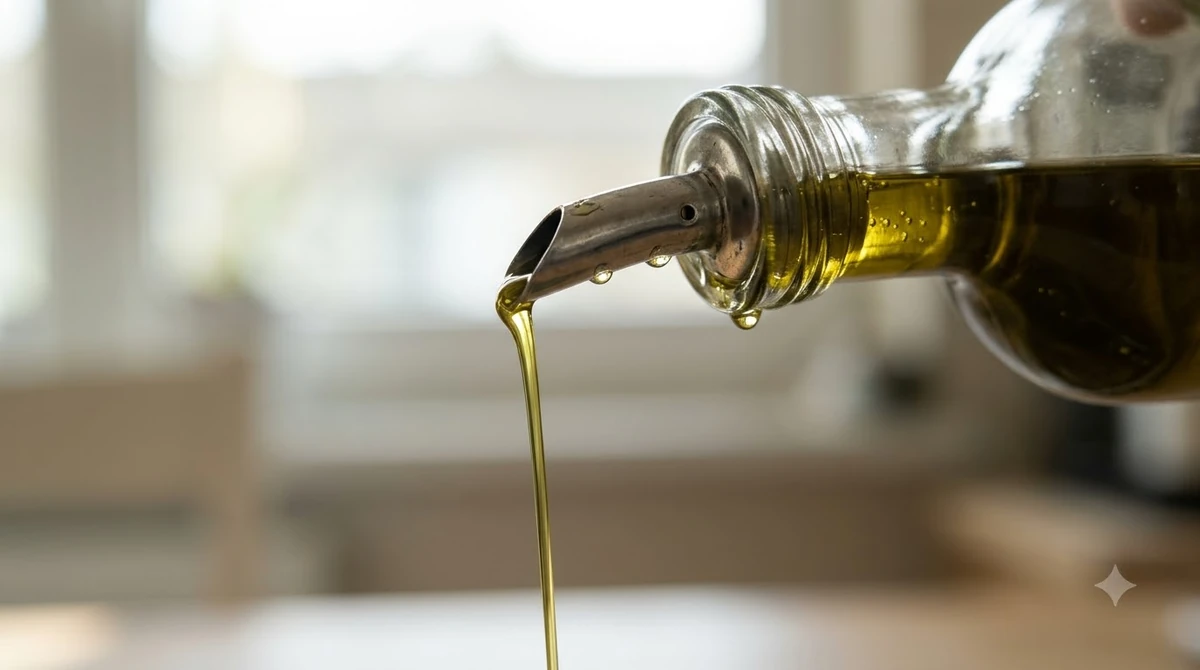
The California Olive Oil Council guide on cooking with olive oil gives a typical smoke point range of 350 to 410 °F for olive oil, and says refined or pure olive oil can reach about 470 °F. Treat these figures as a guide for choosing an oil, not as a promise that a bottle stays stable at that temperature. For more on what the numbers mean, read about the olive oil smoke point.
| Cooking method | Oil to use | Why |
|---|---|---|
| Sauteing at 400 °F or lower | Extra virgin | Flavor holds up at moderate heat |
| Roasting vegetables | Extra virgin | Mild olive flavor suits oven heat |
| Pan frying | Regular or light olive oil | The oil gets hotter, so a refined grade is the recommended pick |
| Deep frying | Vegetable or canola oil by default | Olive oil can be used but costs more |
| Baking | Mild extra virgin or light olive oil | Mild extra virgin adds a noticeable olive flavor, light olive oil stays neutral |
Extra Virgin Olive Oil for Everyday Sauteing and Roasting
Extra virgin olive oil is the default for sauteing and roasting at moderate heat, because its flavor survives everyday cooking. It is also the right oil when the olive taste is part of the dish. For most home kitchens, the best olive oil for cooking at moderate heat is a fresh extra virgin bottle that you use up steadily rather than one you keep for months near the stove.
The same guide advises keeping sauteing at 400 °F or lower and adjusting between medium and medium-high heat depending on your stovetop. Staying in that range is what lets the oil keep the flavor you bought it for.
Extra virgin is the best olive oil for cooking in these situations:
- Sauteing onions, garlic and greens at medium heat
- Roasting vegetables and potatoes in a standard oven
- Building a base for soups, beans and tomato sauces
- Finishing a dish with a drizzle just before serving, as in the best finishing olive oil picks
Extra virgin is a poor match for very high-heat searing and for deep frying, where a refined oil is the better tool. Using a delicate, grassy bottle for those jobs wastes the flavor you paid for.
Refined and Pure Olive Oil for High-Heat Frying
For frying, refined or pure olive oil is the better choice because it tolerates higher heat, with a smoke point cited at about 470 °F. If you are looking for the best olive oil for cooking at high heat, look for a refined or pure label rather than a finishing oil. The guide recommends regular or light olive oil for pan frying, since the oil gets hotter in the pan.
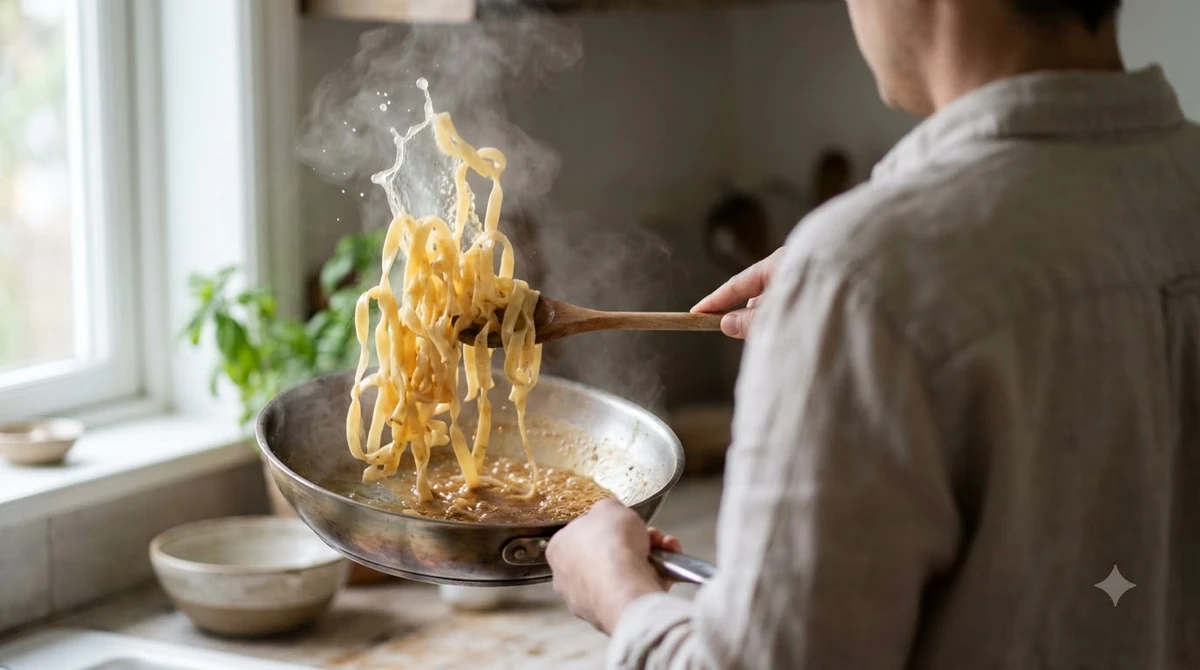
Here is a simple routine for pan frying with the best olive oil for cooking at higher heat:
- Pick a regular or light olive oil, not a finishing bottle.
- Heat the pan over medium or medium-high heat, checking the stovetop response before adding food.
- Add enough oil to cover the bottom of the pan, then add the food.
- Lower the heat if the oil starts to smoke, since the flavor and the pan both suffer.
Deep Frying Versus Pan Frying
Deep frying is a different job. The guide gives a range of 340 to 380 °F for olive oil in a deep fryer, and it says olive oil costs more than the vegetable or canola oil it usually replaces. For a deep fryer, check the oil type your appliance manual recommends before you switch, because the best olive oil for cooking in a pan is not always the right oil for a deep fryer.
Budget and Bulk Olive Oil for Daily Cooking
A budget olive oil is fine for everyday cooking when the label says extra virgin, because that grade caps free acidity at 0.8 grams per 100 grams. The grade matters more than the price tag, so read the label before you compare bottles, and learn the types of olive oil first. A budget pick can be the best olive oil for cooking in your kitchen if its grade matches your heat and you use it before it loses freshness.
The FAO’s description of the standard notes that the extra virgin limit was lowered to 0.8 gram per 100 grams, while virgin olive oil keeps a maximum of 2 percent. Check the FAO olive oil standard if you want the original wording.
- Look for the extra virgin grade on the front or back label
- Choose a size you can finish before the oil loses its freshness
- Buy a large tin or bottle only if you cook with olive oil every day
- Keep a second, cheaper bottle for frying rather than heating your best extra virgin; the Graza vs California Olive Ranch comparison shows two popular cooking bottles
Light Olive Oil and Neutral Oils for Baking
Light olive oil is refined and blended with a small share of virgin oil, so its flavor is mild enough for baking, which is why it works as a neutral swap. Light olive oil can be the best olive oil for cooking when you want no olive taste in the dish.
When you bake, the best olive oil for cooking depends on the flavor you want in the finished bake, not on the bottle’s price. Baking has two good options. A mild extra virgin gives a noticeable olive flavor to cakes, flatbreads and quick breads. A light olive oil keeps the bake neutral when you want the flavor of the other ingredients to lead, and it can stand in for vegetable or canola oil when you want no olive taste.
Common Mistakes When Choosing Olive Oil for Cooking
Choosing the best olive oil for cooking starts with heat, not with the label. The most common mistake is heating a delicate finishing oil to high temperatures, which wastes the flavor you bought it for. Matching the grade to the heat before you cook avoids most of the problems. A bottle with an attractive label is not automatically the right oil, so the grade on the back label and the heat of the job should decide. Check the grade first, then the use.
- Buying one bottle for every job, then using it for high-heat frying
- Treating the smoke point as a freshness test, when it only describes a temperature range
- Ignoring the grade, since the guide notes that virgin olive oil can show minor flavor defects compared with extra virgin
- Leaving oil near the stove, where heat and light speed up its decline

Frequently Asked Questions
What is the smoke point of olive oil?
The California Olive Oil Council guide cites a typical smoke point range of 350 to 410 °F for olive oil, and about 470 °F for refined or pure olive oil. A smoke point is a temperature range, not a shelf-life signal, so check the grade on the label before you choose the best olive oil for cooking at high heat.
Which olive oil is best for frying?
Refined or pure olive oil is the usual choice for frying because it tolerates higher heat, which makes it the best olive oil for cooking at that temperature. For pan frying, the guide recommends regular or light olive oil, while deep frying is usually done with vegetable or canola oil.
Is extra virgin olive oil good for cooking?
Yes. At moderate heat it is the best olive oil for cooking in most kitchens, for sauteing, roasting and sauces. Its flavor is best kept at lower temperatures, so reserve refined oil for very high heat and frying.
Can you bake with olive oil?
Yes. Use a mild extra virgin for a noticeable olive flavor, or light olive oil as a neutral substitute for vegetable or canola oil. Pick the one that matches the flavor you want in the finished bake.
Does a higher acidity grade mean worse cooking oil?
Acidity is a grade measure, not a cooking test, so it cannot pick the best olive oil for cooking by itself. Under the FAO-cited standard, extra virgin olive oil has a maximum free acidity of 0.8 gram per 100 grams. Oils that fail that limit are sold under a lower grade, which is a labeling question more than a question of cooking performance.
If you cook with olive oil most days, keep two bottles: an extra virgin for sauteing, roasting and finishing, and a refined oil for frying. Match each bottle to the heat you use most, and the dish will taste the way you intended. That two-bottle setup is the simplest route to the best olive oil for cooking in a home kitchen.
 9 min readGear & PantryBest Truffle Oil: How to Choose a Bottle That Matches Your CookingUpdated Nov 16, 2026
 8 min readGear & PantryBest Pizza Peel for Ooni Koda 12: 4 Types ComparedUpdated Nov 17, 2026
 9 min readGear & PantryBest Pizza Peel for Ooni Koda 16: 4 Types ComparedUpdated Nov 17, 2026
 8 min readGear & PantryOoni Fyra 12 Pizza Peel: 4 Best Types ComparedUpdated Nov 10, 2026
 9 min readGear & PantryPizza Oven Brush Guide: 4 Easy Bristle Types ComparedUpdated Nov 10, 2026
 9 min readGear & PantryBest Extra Virgin Olive Oil: How to Pick One That Holds UpUpdated Nov 17, 2026