
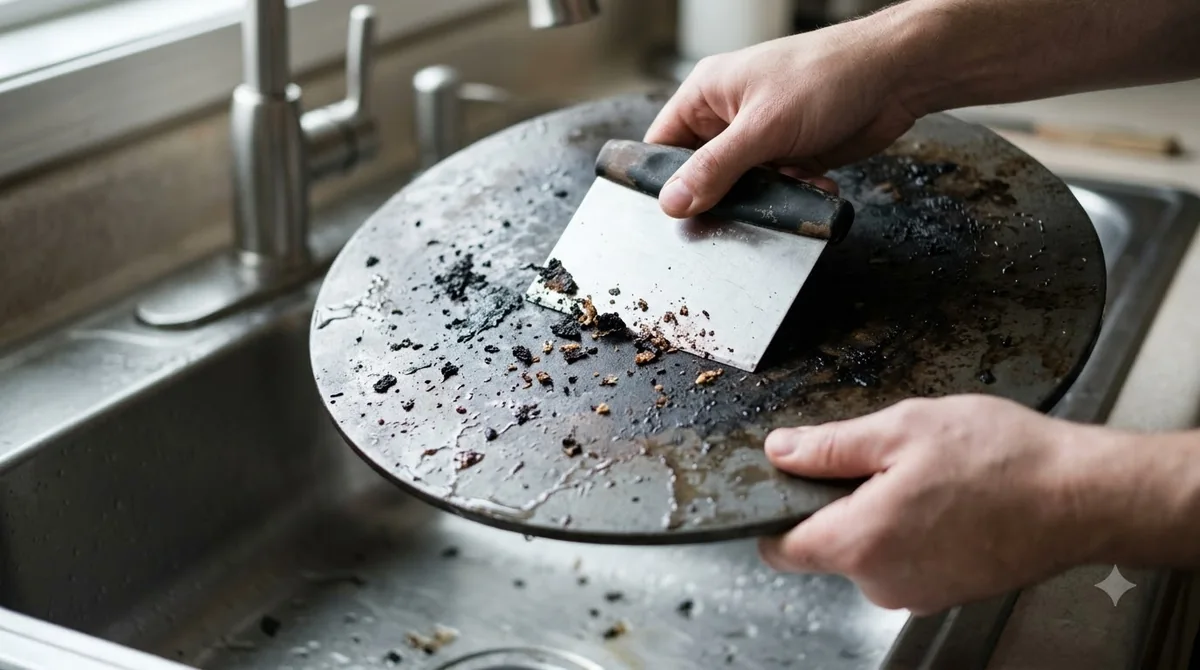

A dough scraper is a rigid, flat kitchen tool for lifting, dividing and cleaning raw dough. It is also called a bench scraper, and it is one of the simplest tools for home bakers and pizza makers. The firm blade moves dough that would otherwise cling to your hands and the counter.
Most models have a small stainless steel blade and a wood or plastic handle. Choosing one comes down to the blade, the edge and the grip, more than the brand name.

Amazon Basics Multi-Purpose Bench Scraper
Pros & ConsViewHide
Reasons to buy
- Stainless-steel blade with 1/4-inch measurement marks, per the listing
- Contoured non-slip handle and dishwasher safe
- Rated 4.8 stars on Amazon
Reasons to avoid
- 6.1 x 4.33-inch blade is compact for large dough batches
- Square edge is not suited to scooping sticky dough from a bowl

OXO Good Grips Multi-Purpose Scraper & Chopper
Pros & ConsViewHide
Reasons to buy
- Stainless-steel blade with 1-inch measurement markings, per the listing
- Soft non-slip grip and dishwasher safe
- Rated 4.8 stars on Amazon
Reasons to avoid
- Costs more than basic metal scrapers
- Metal blade should not be used on non-stick or scratch-prone surfaces
What a Dough Scraper Is
A dough scraper is a stiff, flat blade, usually about 8 by 13 centimetres, that you use on the work surface rather than in a bowl.
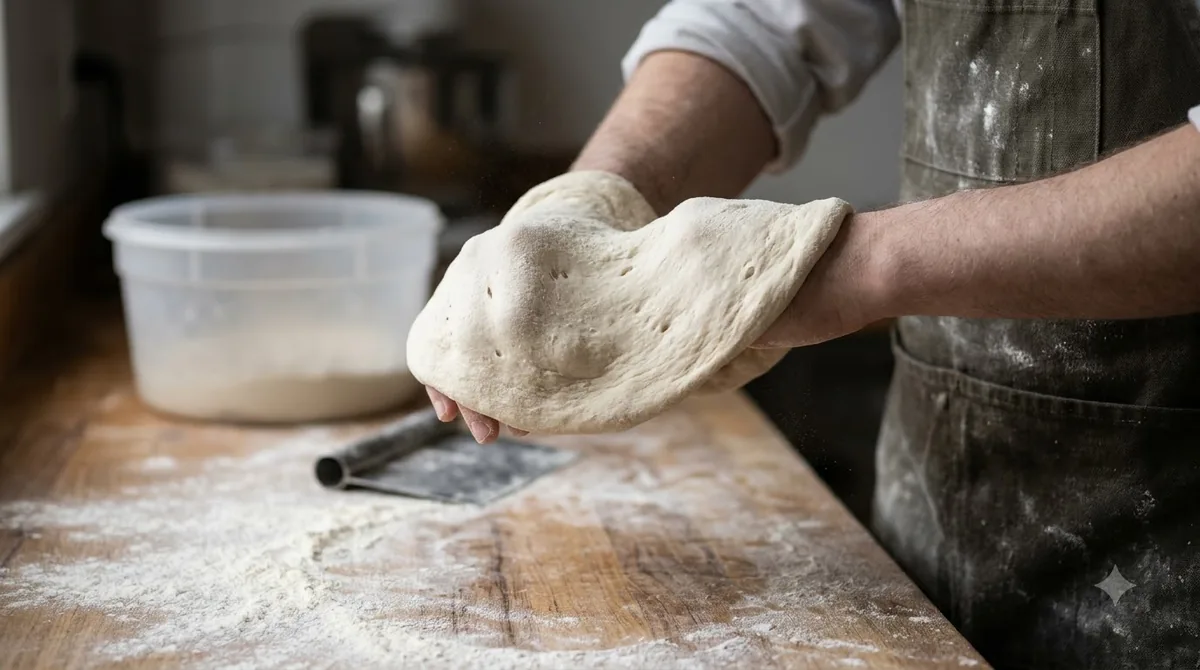
Wikipedia describes the dough scraper as a rigid kitchen tool that bakers use to handle raw dough and clean work surfaces. The same tool goes by several names, including dough cutter, dough knife, pastry cutter, board scraper and bench knife, so product listings may use any of them. The same entry notes that the tool can scrape dried dough bits off the work surface and slice dough, which is why it appears in so many kitchens.
Most dough scrapers are a small sheet of stainless steel with a handle of wood or plastic. Some versions have a rolled edge along the steel blade instead of a sharp one. Because the blade is flat and stiff, you can slide it under dough that would otherwise tear when lifted by hand.
Bowl scrapers are a related but different type. They are usually made of plastic or silicone rubber, and some have nylon or silicone handles. Some listings use the names loosely, so check the material and shape before you buy.

Blade Material and Edge Shape Matter Most
Stainless steel is the usual material for the bench type, and the edge decides how well the blade cuts a dense dough. The table below compares the two main types side by side.
| Feature | Bench (dough) scraper | Bowl scraper |
|---|---|---|
| Usual material | Stainless steel blade, wood or plastic handle | Plastic or silicone rubber |
| Main jobs | Lifting, turning and dividing dough; clearing the counter | Scraping mixing bowls |
| Price range in the source | No figure given | Below US$1 to US$20 |
According to America’s Test Kitchen’s bench scraper guide, a deeply beveled edge cuts through pizza and bread dough quickly. The same guide prefers a textured polypropylene handle, which is easy to grip with greasy or floury hands and is thinner than many handles, so the blade stays flat for scooping.
The same guide notes that a thinner handle keeps the blade flat for scooping, so a flat, slim profile is worth checking. Choose the feel that suits your bench and your hands, and read the product listing for the exact blade dimensions.
How to Use a Dough Scraper on Bread and Pizza Dough
You use a dough scraper to lift, turn and divide dough, and the wide blade also clears flour and scraps from the bench. The steps below cover the basic moves for bread and pizza dough.
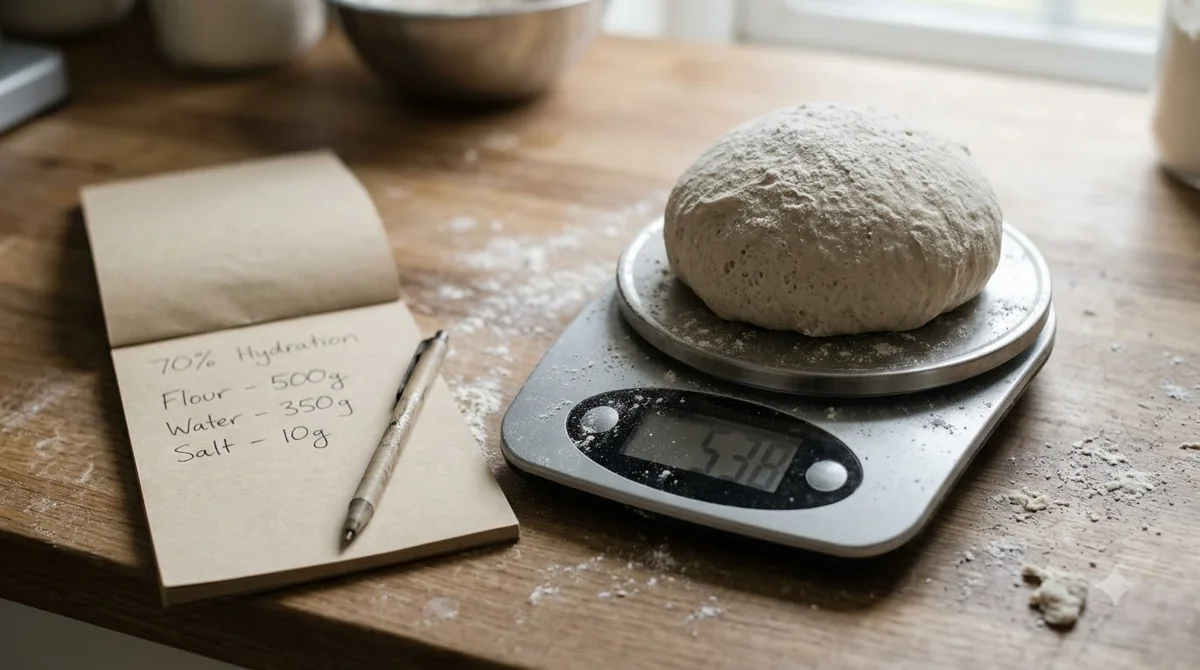
- Slide the blade flat under the dough to free it from the bench.
- Lift and turn the dough over, using the edge to fold it onto itself.
- Divide the dough by pressing the blade straight down into halves, thirds or more portions, and weigh each piece on a digital kitchen scale if you want equal sizes.
- Shape a dough log by dragging the blade along its length to make an even cylinder.
- Push flour and scraps into a pile, then lift them off the counter with the blade.
The tool helps most with sticky dough, because you can slide it under the dough instead of pulling the dough up with your fingers. Wikipedia lists lifting, turning and portioning as the main jobs, and these steps follow that pattern.
Work on a clean, dry surface and keep a light dusting of flour under the dough so it does not grab the bench. Wipe the blade between divisions so that dough scraps do not drag into the next portion. Once the dough is divided, see how to stretch pizza dough by hand.
Other Jobs a Dough Scraper Handles in the Kitchen
Test kitchen cooks also use the same blade to cube butter, portion bar cookies and level dry ingredients in a measuring cup. Each of these jobs uses the flat edge rather than a sharp point. Because one blade covers several small jobs, a single dough scraper can replace a spatula or bench knife for some tasks.
- Cubing butter: halve a stick lengthwise, roll it a turn, halve again, then slice four cubes at a time.
- Bar cookies: press straight down on the blade to portion them into neat cuts.
- Frosting: hold the blade at a 90-degree angle while you slowly turn the cake on a turntable or plate.
- Measuring: dip a cup into flour or sugar, then level it with the blade.
- Moving food: slide diced or sliced food from a board to a pan.
These uses show why a dough scraper is worth keeping in a drawer even if you rarely bake bread. It can replace a knife for some portioning tasks, but it is not a substitute for a knife when you need a precise cut through a thick ingredient.
What to Check Before You Buy
Choose a steel blade with a beveled edge, a handle you can grip with floury hands, and dimensions that suit the bench you work on. These four checks cover most of the differences between models.
- Blade material: stainless steel is the usual choice for the bench type.
- Edge: a deeply beveled edge is the feature America’s Test Kitchen highlights for cutting dough.
- Handle: a textured grip stays secure when your hands are dusted with flour or oil.
- Size: the typical blade is about 8 by 13 centimetres, but sizes vary, so check the listed dimensions.
A steel model covers dough and counters, while a plastic or silicone bowl scraper suits mixing bowls. You may need one, the other, or both, depending on what you cook most often. More bench tools are listed in the Gear & Pantry guides.
Common Mistakes and Care
Most problems come from using a blade on a surface or for a job it was not made for, so read the care label before you start. The material decides the care routine, so a steel blade and a plastic handle need different attention.
Stainless steel is simple to rinse and dry, while wood and plastic handles need the care the maker recommends. Dry the tool fully after washing, and follow the maker’s advice for wood handles.
This advice does not replace the manufacturer’s instructions. Dishwasher safety, handle wear and warranty terms vary by model, and this article does not confirm them for every product.
What We Could Not Verify
Several details below come from buyer guides and search snippets that could not be read in full, so check them before you rely on them.
- Non-stick surfaces: some buyer guides advise against steel blades on non-stick coatings. Check the coating maker’s guidance.
- Bread dough angle: one guide suggests a shallow angle with as few downward cuts as possible. This has not been confirmed on a full page.
- Measurement marks: some models print portioning marks on the blade. Check the product listing for them.
- Bench scraper prices: the source read here gives prices only for bowl scrapers. Compare current prices on the retailer’s page.
To check any of these, use the manufacturer’s spec sheet, the product’s care guide or the retailer’s dimensions table. Those sources are more current than a general article.
Frequently Asked Questions
What is a dough scraper used for?
A dough scraper is used to lift, turn and divide dough and to clear flour and scraps from a work surface. Some cooks also use it to cube butter and level dry ingredients in a measuring cup.
Is a dough scraper the same as a bench scraper?
In most cases, yes. Wikipedia notes that the tool is also known as a bench scraper, dough cutter, dough knife, pastry cutter, board scraper or bench knife, so the names overlap. Our guide on how to use a dough scraper shows how to handle sticky dough.
Can a dough scraper cut pizza dough?
Yes. America’s Test Kitchen says a deeply beveled bench scraper cuts through pizza and bread dough quickly. A knife or pizza wheel may still suit some cuts better, so choose the tool for the task.
Should I buy a steel or plastic dough scraper?
Choose steel for handling dough on a counter, because stainless steel is the usual material for that type. Choose plastic or silicone for scraping mixing bowls, since those are the materials used for bowl scrapers.
How much does a dough scraper cost?
The source read here lists bowl scrapers from below US$1 to US$20. It gives no price for bench scrapers, so check current listings before you buy.
Is a dough scraper safe on non-stick pans?
This has not been verified. Some buyer guides advise against steel blades on non-stick coatings, so check the cookware maker’s care guidance first.
If you handle bread or pizza dough often, a stainless steel bench scraper with a beveled edge and a grippy handle is a practical starting point. Add a plastic or silicone bowl scraper if you mix in bowls. Check the listed dimensions before you buy, because sizes vary between models.
 8 min readGear & PantryHow to Use a Dough ScraperUpdated Nov 10, 2026
 8 min readGear & PantryPizza Dough Roller: Types, Uses and What to Check Before You BuyUpdated Nov 8, 2026
 9 min readGear & PantryHow to Use a Bench Scraper: Techniques, Cleaning and Common MistakesUpdated Nov 10, 2026
 11 min readGear & PantryBest Yeast for Pizza Dough: How to Choose the Right TypeUpdated Nov 16, 2026
 8 min readGear & PantryBest Flour for Pasta: How to Choose by Dough TypeUpdated Nov 16, 2026
 8 min readGear & PantrySpiral Mixer for Pizza Dough: Best Types and Picks for 2026Updated Nov 10, 2026