

Can you use parchment paper in a pizza oven? Yes, for bakes at moderate heat, as long as the oven stays under the paper’s rated limit. Many parchment brands are rated up to 420°F (216°C). Above that, the paper can scorch and smoke, so the pizza oven setting matters more than the paper itself.
What Temperature Can Parchment Paper Handle?
Some parchment brands are rated for temperatures up to 420°F (216°C), according to the Wikipedia overview of parchment paper. That figure is a brand-level maximum, not a universal rule, so the number printed on your package is the one to follow. For can you use parchment paper in a pizza oven, that number is the deciding fact.
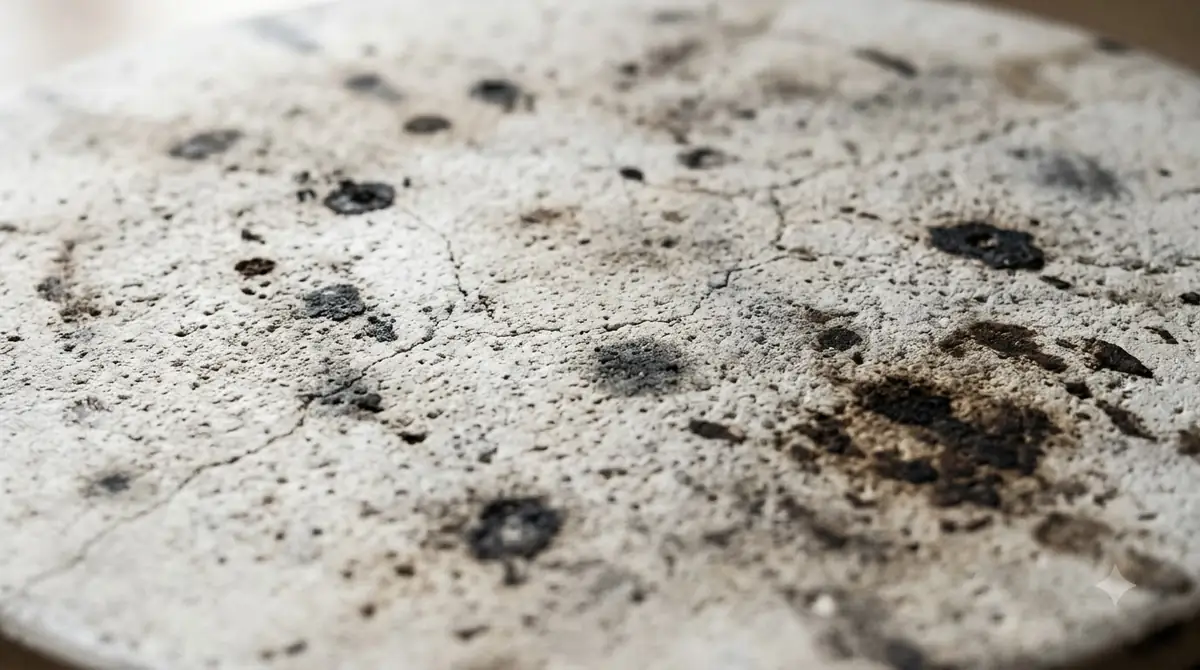
Most parchment is treated with silicone or another release coating so food does not stick. That coating is what keeps the sheet from sticking, but it does not make the paper suitable for very high heat. The same source gives no oven temperature guidance for parchment, so treat the printed rating as the only firm limit you have. That is the short answer to can you use parchment paper in a pizza oven: only up to the number on the box.
Parchment is not the same as wax paper. Wax paper is not meant for the oven, and the reference notes that wax paper causes smoke in an oven, so do not substitute it. Wax paper is not a fair stand-in when you ask can you use parchment paper in a pizza oven, so keep the two apart.
How Hot Do Pizza Ovens Get?
Home kitchen ovens typically reach 500 to 550°F (260 to 290°C), while dedicated pizza ovens run from 500 to 900°F. The Gozney guide to pizza oven heat lists these ranges, and the gap between them explains why a parchment rating that suits a home oven may not suit a pizza oven.
| Oven or bake | Typical temperature |
|---|---|
| Home kitchen oven | 500 to 550°F (260 to 290°C) |
| Deep-dish pizza | 400 to 450°F (204 to 232°C) |
| Dedicated pizza oven range | 500 to 900°F |
| Thin-crust pizza | 800 to 900°F (426 to 482°C) |
Why Parchment Fails in a Very Hot Pizza Oven
When you ask whether you can use parchment paper in a pizza oven at very high heat, the answer changes. Parchment pushed past its rating can scorch, brown, and smoke, and the smoke can taint the pizza. A thin-crust bake at 800 to 900°F is far above the 420°F figure, so parchment is a poor fit for that style.
The risk also depends on how long the paper is exposed. A short bake leaves less time for scorching, but the rating still applies from the first minute, so do not count on a quick bake to save a sheet placed in a very hot chamber.
The stone matters as much as the air. King Arthur Baking says to aim for at least 500°F on the surface of a stone or steel, measured with an infrared thermometer, and that is already above the 420°F figure some parchment brands quote. So can you use parchment paper in a pizza oven on a properly preheated stone? Only if your paper carries a higher rating than the surface it sits on, and the printed rating on your own box is the number to check.
Keep parchment away from open flame and from the oven’s hottest areas. A sheet that touches a flame or a hot wall can char quickly even when the average temperature looks acceptable.
When Parchment Paper Works Well in a Pizza Oven
The yes in can you use parchment paper in a pizza oven applies to bakes that stay at or under 420°F, such as a deep-dish pizza in the 400 to 420°F part of the 400 to 450°F range. A 450°F bake is above the 420°F rating, so it is outside the safe zone for that brand.
- Check the printed maximum on the parchment box.
- Set the oven to the bake temperature you need, not its maximum.
- Trim the sheet so it does not hang over the edge of the pan or stone.
- Watch the first bake, and stop if the paper browns quickly.
If you are unsure how hot your home oven runs, see what temperature to bake pizza in a home oven before you decide whether the answer to can you use parchment paper in a pizza oven is yes for your setup.
Trimming the sheet keeps it from touching the oven walls or a flame, which is the most common way parchment starts to char.

Safer Options for High-Heat Pizza
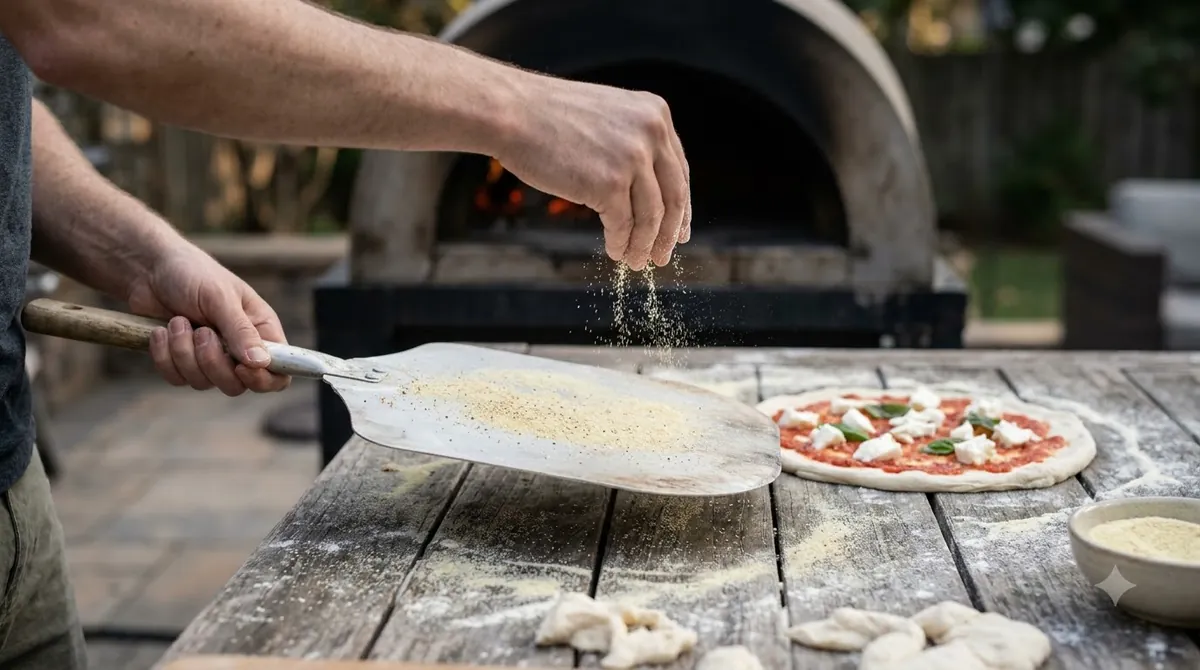
For thin, high-heat pizza, a peel dusted with semolina or cornmeal is the usual choice, because the dough slides onto a hot stone without any paper in the oven. That approach avoids the rating question entirely. Not sure which dusting to pick? See semolina vs cornmeal for pizza peel.
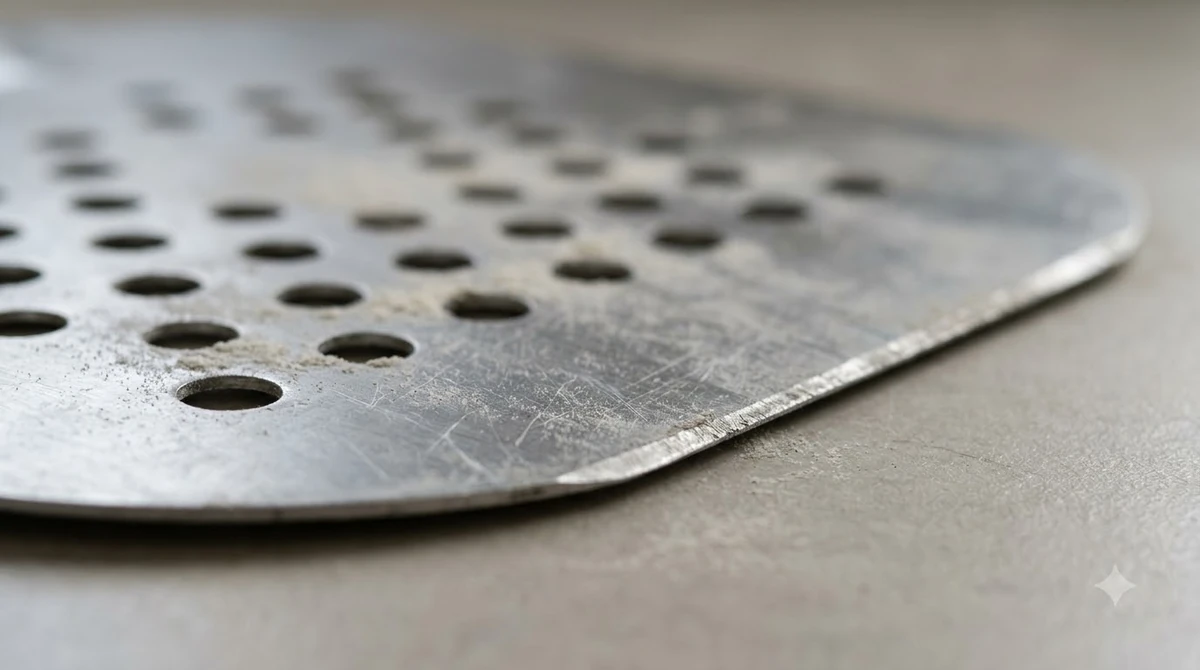
A pizza stone or steel gives a hot, flat base for the crust. Pair it with a peel and the dough can go straight onto the hot surface, so no sheet of parchment is needed at all.
Wikipedia’s baking stone article notes that cooks prevent sticking by sprinkling cornmeal or flour on the stone or by using parchment paper, so both habits are common. The same article describes a roughly 16 by 16 inch, 1/4 inch thick steel plate as a popular alternative to stone, and it says steel conducts heat better than stone. That extra heat is one more reason to ask can you use parchment paper in a pizza oven with steel before you try it. For a full comparison, read pizza stone vs pizza steel, or browse the best pizza steels.
At the far end of the range, the Neapolitan rules cited by Wikipedia call for baking for 60 to 90 seconds at 485°C (905°F) in a wood-fired oven. No parchment rating comes close to that figure, so for true Neapolitan-style baking the question of can you use parchment paper in a pizza oven is settled before you start: leave it out and use a peel.
Common Mistakes With Parchment in a Pizza Oven
The most common mistake when deciding can you use parchment paper in a pizza oven is trusting a parchment box that is labeled for the oven without reading the actual temperature rating. The label may say oven-safe but still list a lower maximum than the oven you plan to use.
- Using wax paper instead of parchment.
- Letting the sheet hang past the stone and touch a flame.
- Assuming a short bake makes any temperature safe.
- Using parchment for thin-crust pizza at 800 to 900°F.
Frequently Asked Questions
Can you use parchment paper in a pizza oven at 500°F?
Yes, but only if the parchment is rated to 500°F or higher, because many brands are rated up to 420°F (216°C). Check the printed maximum on the package before using it at 500°F.
Is parchment paper safe for thin-crust pizza?
For thin-crust pizza, can you use parchment paper in a pizza oven at the usual heat? Thin-crust pizza is usually baked at 800 to 900°F in a dedicated pizza oven, which is well above the 420°F rating of many parchment brands. A peel dusted with semolina is the safer choice for that style.
What is the difference between parchment and wax paper?
Parchment is treated for heat resistance, while wax paper is not meant for oven use. The reference notes that wax paper causes smoke in an oven, so it should never go in a pizza oven.
Can parchment go under dough on a pizza stone?
For can you use parchment paper in a pizza oven on a stone, it can work for bakes within the rated limit, but a hot stone will char paper that exceeds its rating. Keep the sheet trimmed and check the printed maximum before you start.
What should I check on parchment before using it?
Before deciding can you use parchment paper in a pizza oven, check the printed maximum temperature, confirm the paper is labeled for oven use, and look for a silicone release coating. If the box gives no maximum, do not use it in a hot pizza oven.
So can you use parchment paper in a pizza oven? Yes for lower-heat bakes, but a very hot pizza oven is outside its normal range. Read the package rating, match it to the bake temperature, and use a peel for thin-crust pizza.
 8 min readLearnHow to Make Pizza Without a Peel: Parchment and Sheet Pan MethodsUpdated Nov 11, 2026
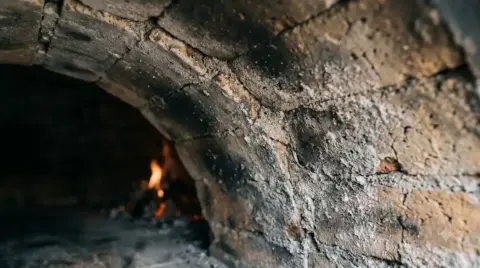 7 min readLearnCan You Use Charcoal in a Pizza Oven?Updated Nov 7, 2026
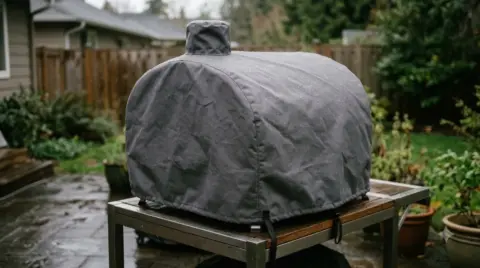 6 min readLearnPizza Oven Attachment for Grill: How It Works and How to Use ItUpdated Nov 13, 2026
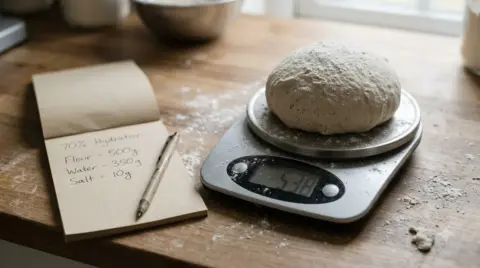 9 min readLearnInstant Yeast vs Active Dry Yeast for Pizza: Which to UseUpdated Nov 10, 2026
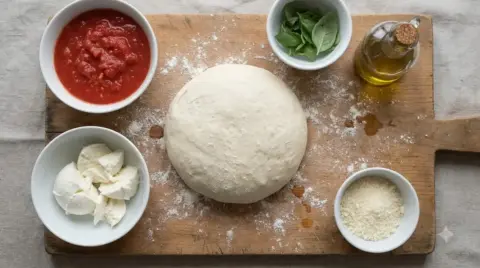 8 min readLearnLow Moisture vs Fresh Mozzarella for Pizza: Which to UseUpdated Nov 10, 2026
 7 min readLearnDoes Pizza Dough Need Sugar? What It Does and How Much to UseUpdated Nov 11, 2026