
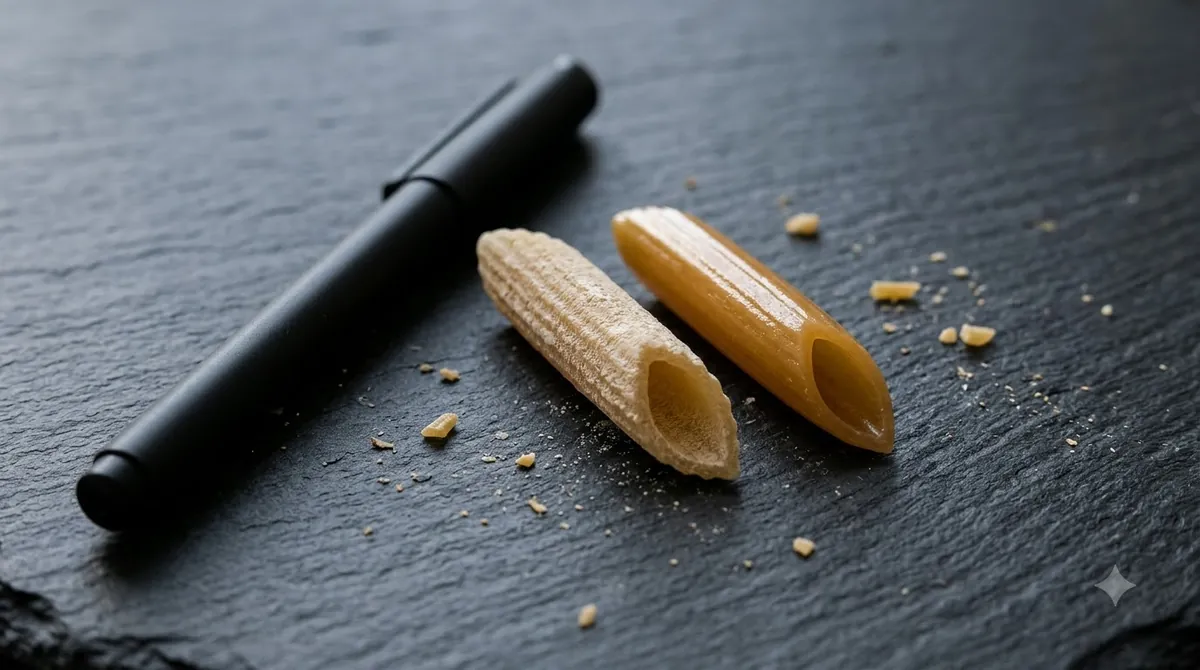

Pennoni pasta is a large tube pasta that is a wider version of penne. Its extra width gives it room to hold thick meat and tomato sauces. Cooking it is much like cooking penne, but the package time and the sauce choice matter more.
This guide covers how pennoni pasta differs from penne, how to cook it, and which sauces suit the shape. Sizes vary by brand, so check each package before you cook.
What Is Pennoni Pasta?
Pennoni pasta is a wider version of penne, the Italian tube pasta with diagonally cut ends. The brand page consulted sells it ridged, as pennoni rigati.
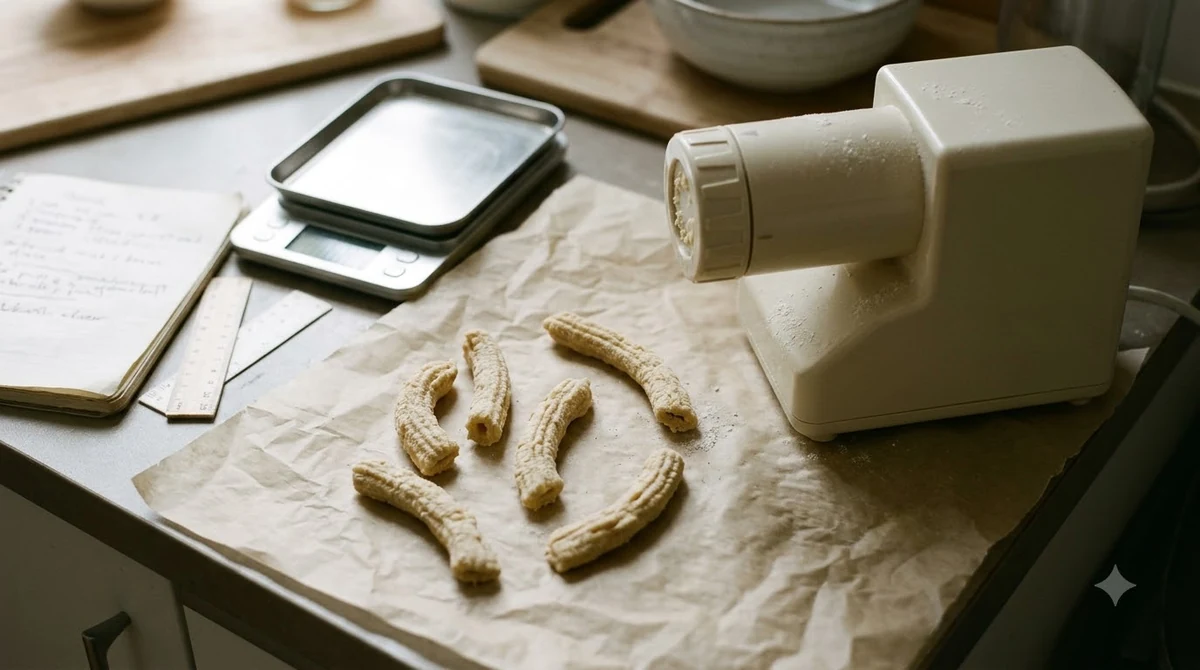
Wikipedia’s penne entry describes pennoni as a wider version of penne, and The Pasta Project calls them the larger variety. The basic tube shape is the same, so the differences a shopper notices are width, the cooking time printed on the package, and whether the surface is ridged.
The name is closely tied to penne, which takes its name from penna, the Italian word for feather or pen. A pennoni tube is therefore a bigger cousin of a shape named after a writing tool, and the link is worth knowing when you read Italian pasta labels.
Because pennoni are wide, they suit sauces with pieces in them, such as a meat ragù or a chunky vegetable sauce. The pieces can settle inside the tube and cling to its surface, which a thin sauce cannot do as well.
Pennoni Compared With Penne
Pennoni are wider than penne, and one Gragnano brand lists 12 minutes for its pennoni rigati, at the top of the 8 to 12 minute range that many penne packages give.
| Feature | Penne | Pennoni |
|---|---|---|
| Shape | Tube with diagonally cut ends | Wider tube, the larger version of penne |
| Cooking time | Usually 8 to 12 minutes, per package | 12 minutes on a Gragnano pennoni rigati package |
| Surface | Ridged (rigate) or smooth (lisce) | Ridged in the brand listings consulted |
| Sauce fit | Heavier meat or tomato sauces | Hearty meat and tomato sauces, such as pennoni alla napoletana |
| Exact dimensions | Vary by brand, check the package | Not confirmed from the sources consulted |
A recipe written for penne usually works with pennoni pasta, and our guide to how long to boil penne covers the basics. Start with the cooking time on your own package, because a wider tube can take longer to soften in the center than a narrow one.
Where the Penne Shape Came From
Penne is generally traced to Giovanni Battista Capurro in Liguria, who patented a machine in 1865 that cut pasta diagonally without breaking it.
The Pasta Project dates Capurro’s patent to March 11, 1865, and describes it as a machine that cut pasta diagonally without breaking it. Wikipedia adds that the machine cut fresh pasta into a pen shape without crushing it, in sizes from 3 cm to 5 cm.
The shape was meant to imitate the steel nibs of fountain and dip pens that were common at the time. The sources consulted do not document a separate origin story for pennoni, so any claim about the name’s meaning should be treated as unconfirmed. For narrower cuts of the same family, see pennette and mostaccioli.
How to Cook Pennoni Pasta
Cook pennoni in plenty of well-salted water, and begin tasting near the low end of the time printed on the package.
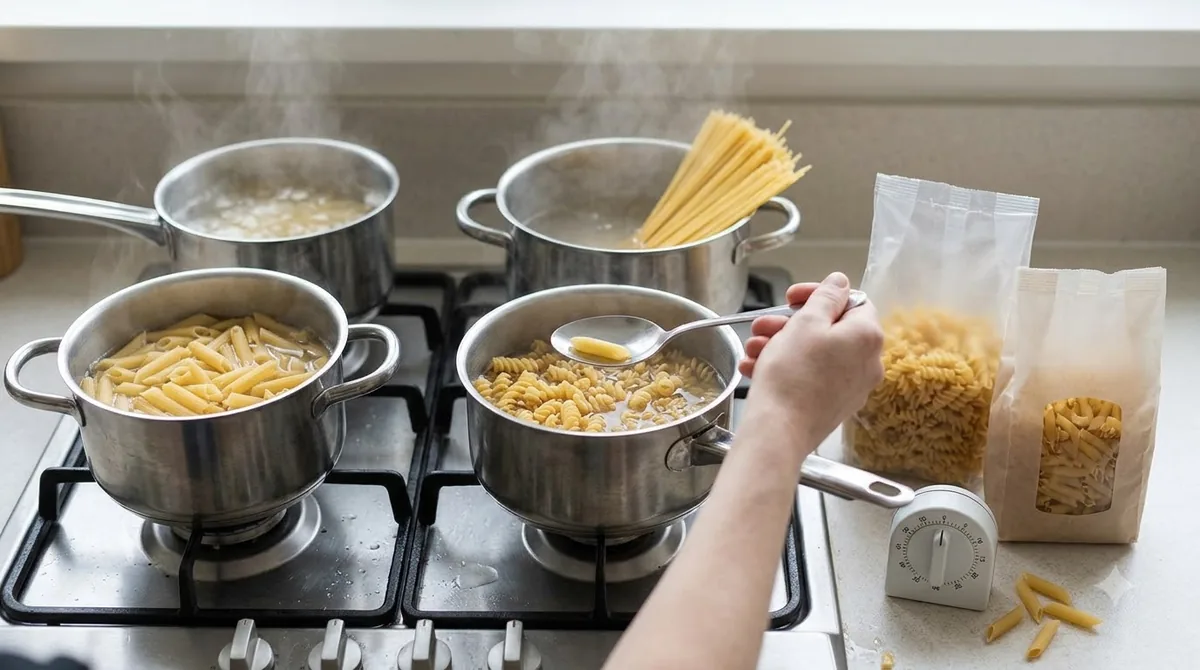
The Pasta Project describes the Italian rule of thumb as 100 g of pasta per person, cooked in 1 liter of water with 10 g of sea salt. Scale that rule to your batch so the water stays hot when the pasta goes in.
- Bring a large pot of water to a boil, using about 1 liter for every 100 g of pennoni.
- Add 10 g of sea salt for each liter of water.
- Stir in the pennoni once the water is boiling again, then stir once or twice in the first minute so the tubes do not stick together.
- Set a timer for the time on the package, and start tasting a minute or two before it ends.
- Drain the pasta and toss it with sauce right away, keeping a splash of cooking water to loosen the sauce if it is too thick.
Pennoni pasta is large enough that a timer alone can mislead you. Bite through the center of one tube; it should be tender with no chalky line when you cut it.
Best Sauces for Pennoni Pasta
Pennoni pair best with heavy meat or tomato-based sauces, which cling to the wide tube and fill its hollow center.
Pasta Garofalo, a Gragnano producer, suggests its pennoni rigati with pennoni alla napoletana, a tomato sauce with anchovies and capers. That combination is salty and bold, so keep the sauce simple and let the pasta carry it.
- Meat ragù, the heavier style that The Pasta Project pairs with penne.
- Chunky tomato sauce with vegetables or sausage.
- Tomato, anchovy and caper sauce in the Neapolitan style.
- Light creamy or seafood sauces, which The Pasta Project says are paired less often with penne shapes.
A chunky sauce with small pieces works better in a wide tube than one with large chunks that cannot fit inside it, so cut vegetables and meat small before you simmer them. A sauce that is too thin will pool at the bottom of the bowl instead of coating the pasta.
If you prefer a light sauce with few pieces, a thin oil or cream sauce can slide off a wide tube and leave the bite tasting bare. In that case a smaller shape is the better match.
Ridged or Smooth Pennoni
Ridged pennoni, sold as rigati, suit chunky sauces, while smooth versions suit delicate or liquid-based sauces, according to The Pasta Project.
| Type | Best sauce style | What to check |
|---|---|---|
| Rigati (ridged) | Hearty, chunky sauces | Most brand listings consulted use this form |
| Lisce (smooth) | Delicate or liquid-based sauces | Smooth pennoni were not confirmed in the sources consulted, so check the brand |
For a first box of pennoni pasta aimed at a classic meat or tomato sauce, the ridged form is the safer choice because its surface holds more of the sauce.
Common Mistakes With Pennoni Pasta
The most common errors are trusting a penne cooking time, under-salting the water, and pairing the pasta with a thin sauce.
- Trusting a penne timing. A brand may list a longer time, as the 12 minute Gragnano pennoni package does.
- Skipping the salt. The Pasta Project rule is 10 g of sea salt per liter of water.
- Using too little water. The rule is about 1 liter for every 100 g, so a crowded pot cools down and cooks unevenly.
- Pairing with a thin sauce that drains off a wide tube.
Taste often near the end of the cooking time. A wide shape can look done on the outside before the center is tender.
What Remains Unconfirmed
Several details about pennoni vary by brand, and the sources consulted for this guide did not settle them.
A standard diameter for pennoni, a documented origin for the name, and a baking time for pennoni in a pasta bake were not confirmed from a source that could be read. Check each of these on the package or the brand’s product sheet before you rely on them. If you want a baked tube-pasta dish to adapt, our baked ziti recipe is a good starting point.
- Diameter and length: check the package or the brand’s product sheet.
- Name origin: treat claims that the name means large quills as unverified.
- Baking time: check the recipe and the package together.
- Sauce pairing: check the brand’s own suggestions for its shape.
Frequently Asked Questions
Is pennoni pasta the same as penne?
No. Pennoni are a wider version of penne, so the tube shape is the same but the width is larger. Check the package for the exact size, because sizes vary by brand.
How long should you cook pennoni pasta?
Follow the time printed on your package first. One Gragnano brand lists 12 minutes for its pennoni rigati, while many penne packages give a range of 8 to 12 minutes. Start tasting near the low end of the range.
What sauce goes best with pennoni pasta?
Hearty meat ragù and chunky tomato sauces work best with pennoni pasta. Garofalo suggests a tomato, anchovy and caper sauce in the Neapolitan style.
Can I use a penne recipe for pennoni pasta?
Usually yes. Keep the same salt and water ratio, adjust the cooking time to your package, and choose the same heavy sauces you would use with penne.
Should I buy ridged or smooth pennoni?
For chunky sauces, ridged rigati is the better choice, because the ridges give the sauce more surface to grip. Smooth versions suit delicate or liquid sauces, but smooth pennoni were not confirmed in the sources consulted.
If this is your first box of pennoni pasta, pick a ridged brand, cook it to the time on the package, and serve it with a meat or tomato sauce you already know. That gives you a clear baseline before you try lighter sauces or a recipe written for another shape.
 7 min readLearnFarfalloni Pasta: 5 Simple Facts and the Best SaucesUpdated Nov 11, 2026
 8 min readLearnReginette Pasta: Shape, Origin and 5 Best SaucesUpdated Nov 11, 2026
 8 min readLearnRoasted Red Pepper Sauce for Pasta: A Simple Homemade RecipeUpdated Nov 11, 2026
 8 min readLearnHow Long Does Opened Pasta Sauce Last?Updated Nov 11, 2026
 8 min readLearnWalnut Sauce for Pasta Recipe: A Creamy Ligurian Sauce Made at HomeUpdated Nov 11, 2026
 8 min readLearnSunday Gravy Recipe: A Slow Meat Sauce for PastaUpdated Nov 11, 2026