
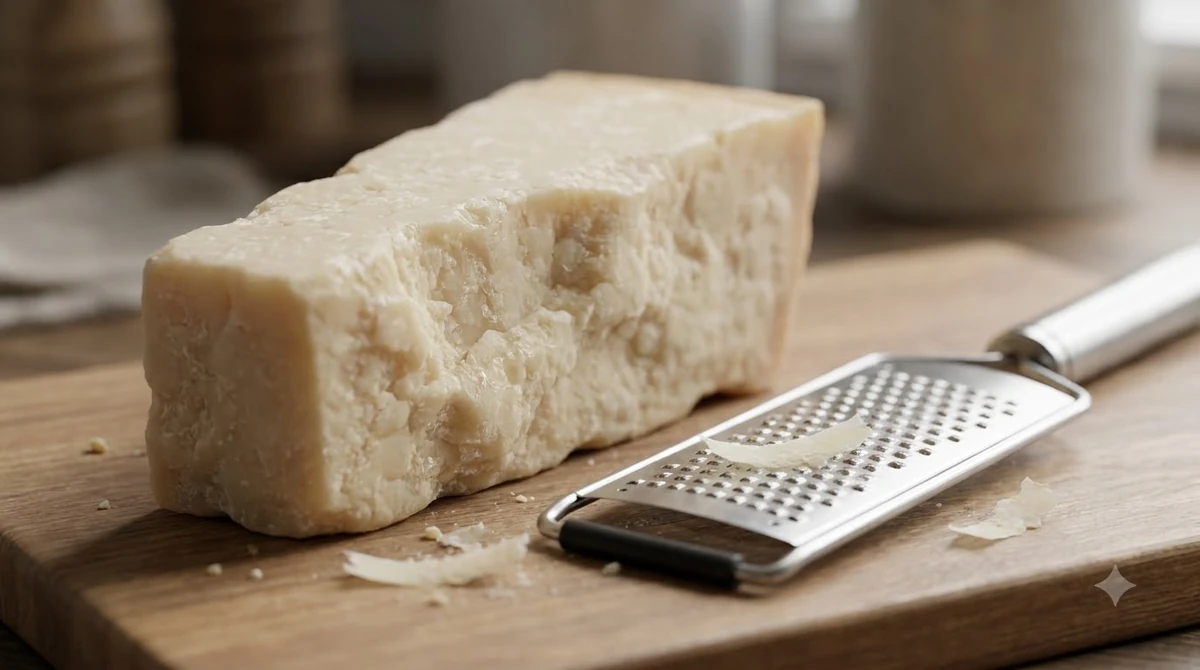

The answer to what is gorgonzola is simple: it is an Italian blue cheese made from cow’s milk, with a legally protected name. Its name comes from the town of Gorgonzola, near Milan. It comes in two styles, dolce and piccante.
Gorgonzola is made mainly in Lombardy and Piedmont. Dolce is the milder, creamier style, while piccante is aged longer and tastes sharper. Knowing what is gorgonzola in both styles helps you choose.
What Is Gorgonzola and Where Does It Come From
Gorgonzola is made mainly in Lombardy and Piedmont in northern Italy, from unskimmed cow’s milk. Its protected name means only cheese made in the defined area can carry it.
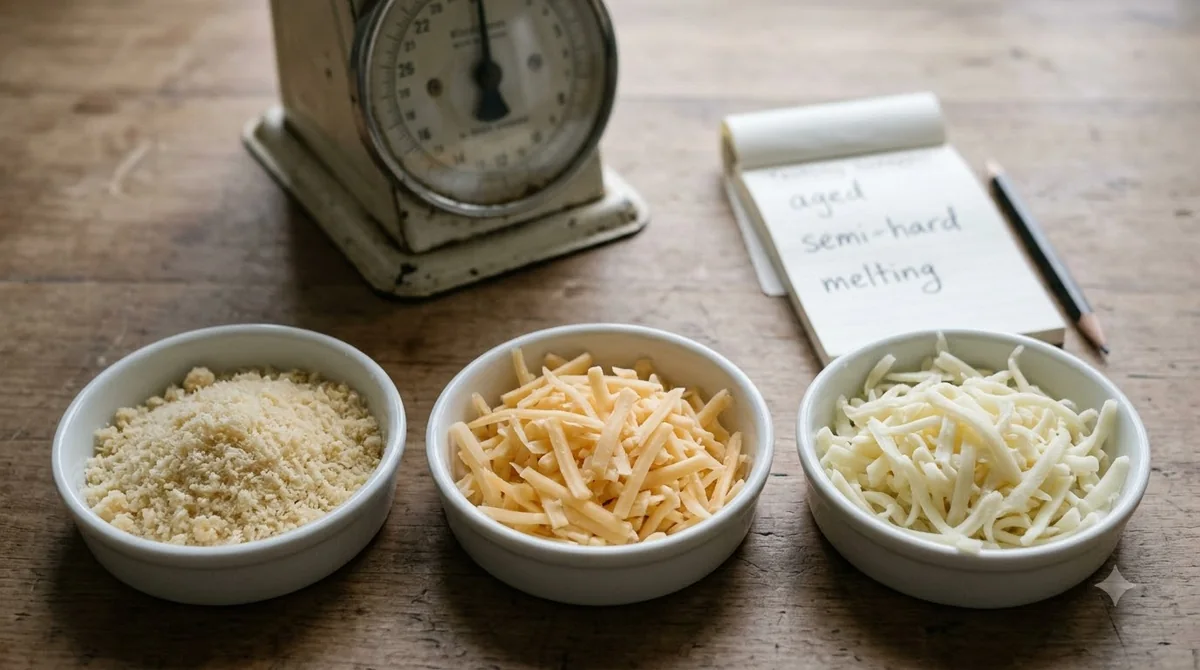
The name comes from the town of Gorgonzola, near Milan. Wikipedia says the cheese is believed to date to the Middle Ages, and that its greenish-blue marbling was noted as early as the 11th century. Nearby localities dispute the town’s claim to the origin.
Italian law recognized the name in 1955 with a DOC designation. That legal recognition is a big part of what is gorgonzola in Italy. According to Wikipedia, the European Union registered Gorgonzola as a Protected Designation of Origin (PDO) on 21 June 1996. The producer’s Castello’s Gorgonzola page describes the cheese as exclusively made from cow’s milk, with cows grazing on pastures in Lombardy and Piedmont.
Gorgonzola is also imitated abroad. Wikipedia notes that versions made in places such as Wisconsin and Vermont use the name, but they are not the protected cheese. The US FDA sets a standard of identity for Gorgonzola, so the label wording matters when you buy.
Understanding what is gorgonzola starts with geography, because the place defines the product. A cheese sold under the name outside the defined area is an imitation, even when the recipe looks similar. Shoppers who ask what is gorgonzola often see the name on labels from several countries, so reading the label carefully matters.
How Gorgonzola Is Made
Gorgonzola is made by curdling milk, draining off the whey, and aging the cheese at low temperature. Metal rods or steel needles create air channels that let the blue mold grow through the paste.
- Milk is delivered daily from nearby pastures, pasteurized, and combined with selected yeasts and rennet.
- The curds are cut and the whey is drained off.
- The cheese is brined with sea salt before aging.
- During aging, the cheese is pierced so air reaches the paste and the blue veins can form.
Aging length is where sources disagree. Wikipedia says Gorgonzola is typically aged three to four months, while the producer’s page says the cheese must mature for a minimum of 50 days before it can be labeled Gorgonzola. Both agree that longer aging gives a firmer cheese with a stronger taste. If you need an exact figure for one product, check the label or the producer’s specification.
Knowing what is gorgonzola made of explains much of its taste. The base is cow’s milk only, so the flavor comes from the milk, the mold, and the aging time working together.
Dolce vs Piccante
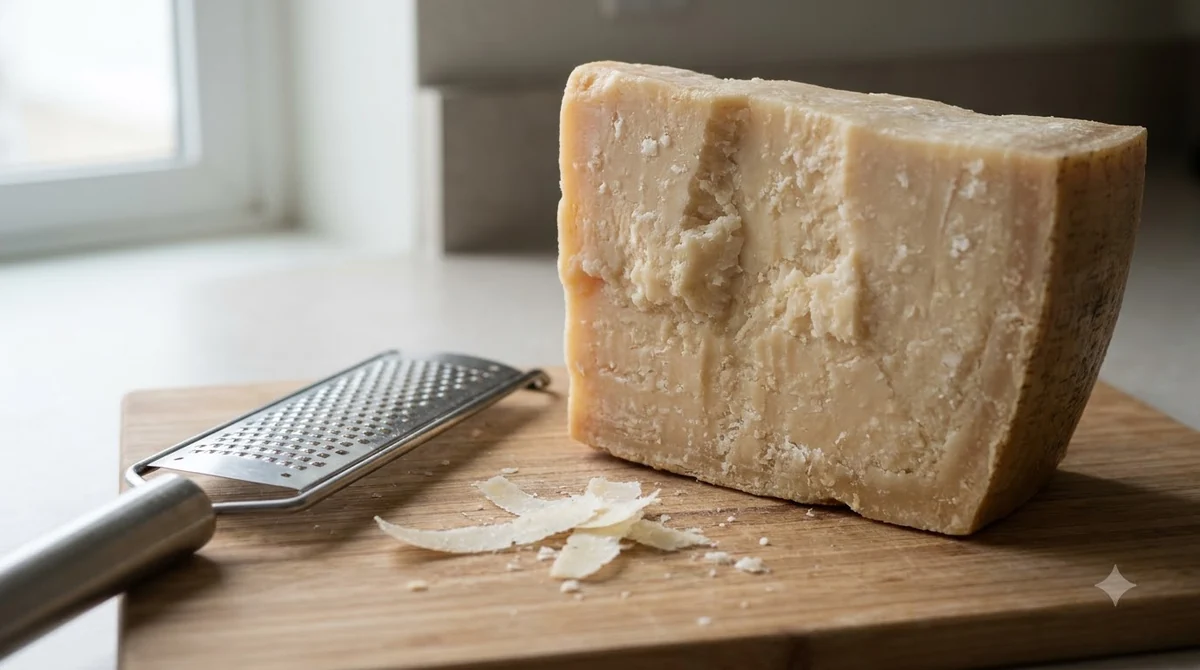
Dolce is the younger, softer style with a buttery texture, while piccante is aged longer and has a firmer, crumblier, sharper bite. These two styles are the main choice you will face in the store.
| Feature | Dolce | Piccante |
|---|---|---|
| Age | Younger | Aged longer |
| Texture | Soft, creamy, buttery | Firm and crumbly |
| Flavor | Milder, slightly sweet finish | Pungent, sharper bite |
| Common use | Sauces and melting dishes | Cheese boards and salads |
Wikipedia says dolce can be less salty, with a slightly sweet finish. Piccante is also called naturale or montagna, and either style can be quite salty, with a bite from the blue veining. Producers note that mature gorgonzola is stronger and piquant, so the age of the cheese shapes how strong it tastes.
When people ask what is gorgonzola dolce compared with piccante, the answer is mostly about time. Dolce is young and soft, so it spreads and melts easily. Piccante has aged longer, so it has a crumblier texture and a sharper finish that suits a cheese board.
Choosing Between Them
Choose dolce for sauces, melting and a milder first taste. Choose piccante when you want a sharp flavor on a cheese board or in a salad. Some people find gorgonzola milder than other blue cheeses, though a piccante can still taste pungent at the finish. To decide what is gorgonzola style suits you, match the style to how you plan to eat it.
Gorgonzola vs Other Blue Cheeses
Gorgonzola belongs to the same family as Stilton and Roquefort, but it is a distinct Italian cheese with its own protected name. The main differences are origin, the two styles, and a reputation for a milder taste than many blue cheeses.
If you are comparing what is gorgonzola with Stilton or Roquefort at the shop, check the style first. Dolce is the gentler choice, and piccante brings more bite.
If you like blue cheese but find Stilton or Roquefort too strong, a dolce gorgonzola can be a gentler place to start. A piccante suits anyone who wants a sharp, crumbly bite.
How to Cook With Gorgonzola
Gorgonzola melts into risotto, gnocchi and creamy sauces, and it is a classic topping for quattro formaggi pizza. Wikipedia also lists polenta and steak sauces among its common uses.
- Risotto: stir it in near the end of cooking so it melts into the rice.
- Pasta and gnocchi: add it to a sauce made with butter or cooking cream. See best sauce for gnocchi for more ideas.
- Polenta: serve it on top or stir it through the hot polenta.
- Pizza: use it as one of the four cheeses on a quattro formaggi pizza.
- Steak: make a sauce with port or sweet wine and spoon it over the meat.
Gorgonzola softens quickly when heated, so add it near the end of cooking unless a recipe says otherwise.
Because a little goes a long way, start with a small amount, taste, and add more only if the dish needs it. Remember that what is gorgonzola good for in the kitchen depends on the style you buy. Dolce tends to suit sauces, while piccante can add bite to pizza and steak.
How to Store and Serve Gorgonzola
Keep gorgonzola in the refrigerator, wrap any cut surface, and eat it within a few days of purchase. Take it out about half an hour before serving so its flavor can develop.
- Keep it in the refrigerator at all times. The producer describes it as a live cheese that keeps maturing.
- Wrap any exposed cut surface in food-grade cling film. Without it, the paste dulls and turns a yellowish color.
- If the rind carries a strong smell, remove it for storage and wrap the rindless piece in aluminum foil, or keep it in the tray it came in.
- Take it out and let it sit at room temperature for at least half an hour before serving.
- If the cut face looks dull, cut away the first slice with a long-bladed knife, and the paste will look glossy again.
The producer advises buying reasonable quantities and eating gorgonzola within a few days of purchase. Spicy gorgonzola keeps longer than mild, but both are best eaten fresh.
Good storage starts with understanding what is gorgonzola: a live cheese that keeps changing after it leaves the dairy. Wrap it well, keep it cold, and check the date on the package before you buy.
On a cheese board, gorgonzola pairs well with grapes, honey and pistachios, according to Castello. Serve it with crackers or fresh bread so the strong flavor does not overwhelm the rest of the board. For a milder melting cheese, see what is fontina.
Frequently Asked Questions
Is gorgonzola a blue cheese?
Yes, and that answers much of what is gorgonzola in one line. Gorgonzola is an Italian blue cheese made from cow’s milk. It belongs to the same family as Stilton and Roquefort, but it has its own protected name and two styles, dolce and piccante.
What does gorgonzola taste like?
Ask what is gorgonzola flavor like and the answer depends on the style. Dolce tastes milder, creamier and slightly sweet, with a buttery texture. Piccante is aged longer, so it is firmer, crumblier and more pungent. Either style can be quite salty, with a bite from the blue veining.
Is gorgonzola a PDO cheese?
Yes. The European Union registered Gorgonzola as a Protected Designation of Origin on 21 June 1996, so only cheese made in the defined area of Lombardy and Piedmont can use the name. Lookalikes made elsewhere are imitations.
How long does gorgonzola last?
The producer advises eating gorgonzola within a few days of purchase because it keeps maturing. Keep it in the refrigerator, wrapped, and check the date on the label. The producer does not give a fixed shelf life in days.
Can you eat the rind?
The producer’s page does not say whether the rind is edible, so check the label or ask the seller before eating it. The rind is often where the strong smell comes from, which is why it is removed for storage.
What is gorgonzola used for?
Gorgonzola is used in risotto, gnocchi, pasta sauces, pizza, polenta and steak sauce. It also works on cheese boards with fruit and nuts. Wikipedia lists these uses, and the producer confirms the risotto, pasta and pizza uses.
If you are new to blue cheese and still wondering what is gorgonzola like on the plate, start with a small piece of dolce and try it on its own or in a warm sauce. Once you know how strong you like it, move on to piccante for boards and salads. Buy only what you will eat within a few days. If you are still asking what is gorgonzola good for, the short answer is a cheese for boards, sauces and pizza. More ingredient explainers are in the Learn guides.
 7 min readLearnWhat Is Fontina? A Simple Guide to Italy’s Alpine Melting CheeseUpdated Nov 11, 2026
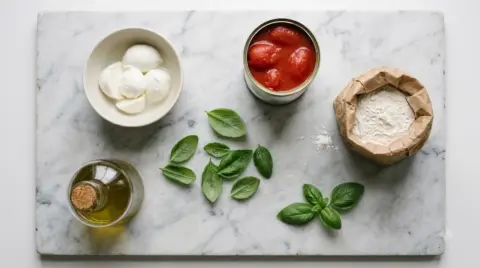 7 min readLearnWhat Is Mozzarella di Bufala? Italy’s Buffalo Milk CheeseUpdated Nov 11, 2026
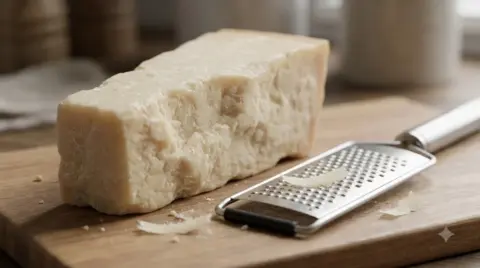 7 min readLearnWhat Is Ricotta? An Easy Guide to Italy’s Whey CheeseUpdated Nov 10, 2026
 8 min readLearnWhat Is Porchetta? A Simple Guide to Italy’s Boneless Pork RoastUpdated Nov 11, 2026
 7 min readLearnWhat Is Prosciutto di Parma? A Simple Guide to Italy’s Protected HamUpdated Nov 11, 2026
 7 min readLearnWhat Is Colatura di Alici? Italy’s Anchovy Drip SauceUpdated Nov 11, 2026