
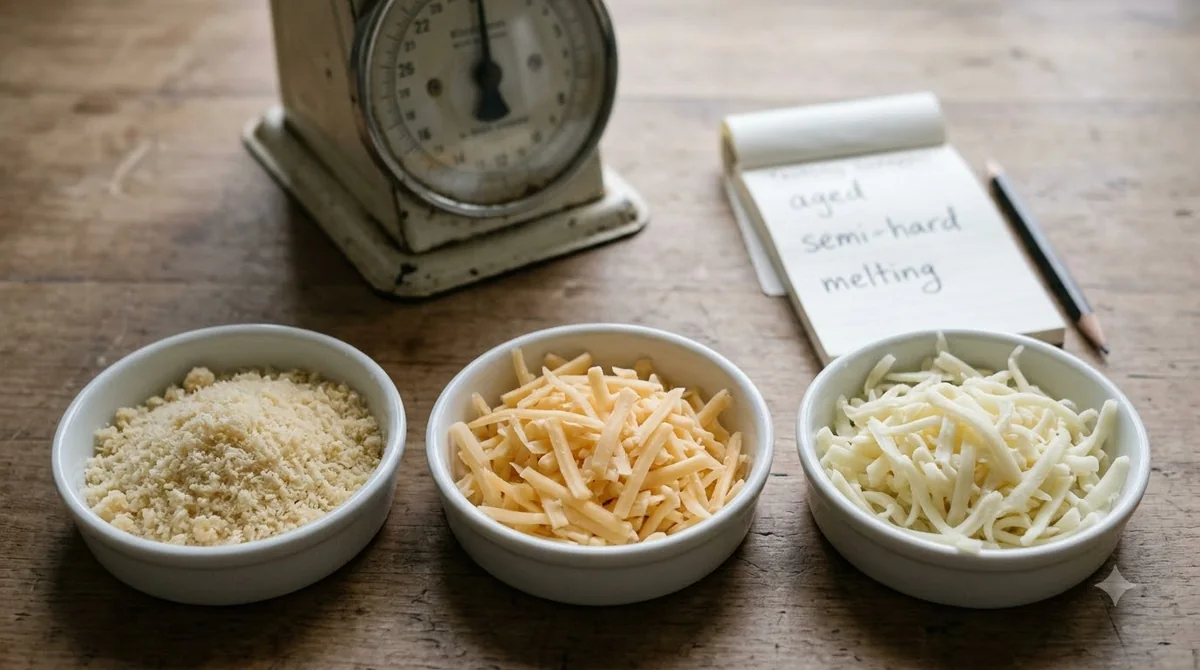

What is fontina? It is a semisoft cow’s milk cheese from Italy’s Aosta Valley, protected by an EU Protected Designation of Origin. It has a mild, nutty flavor and melts smoothly, which is why cooks use it in fondue and other melted dishes.
Young fontina is mild enough for everyday cooking and creamy enough for fondue. Look for the Fontina Val d’Aosta name on the label, because the word fontina alone does not guarantee an Aosta Valley product.
What is fontina cheese and where does it come from?
Fontina is a semisoft cow’s milk cheese from Aosta Valley, a region in the Alps, and it has been made there since the 12th century.
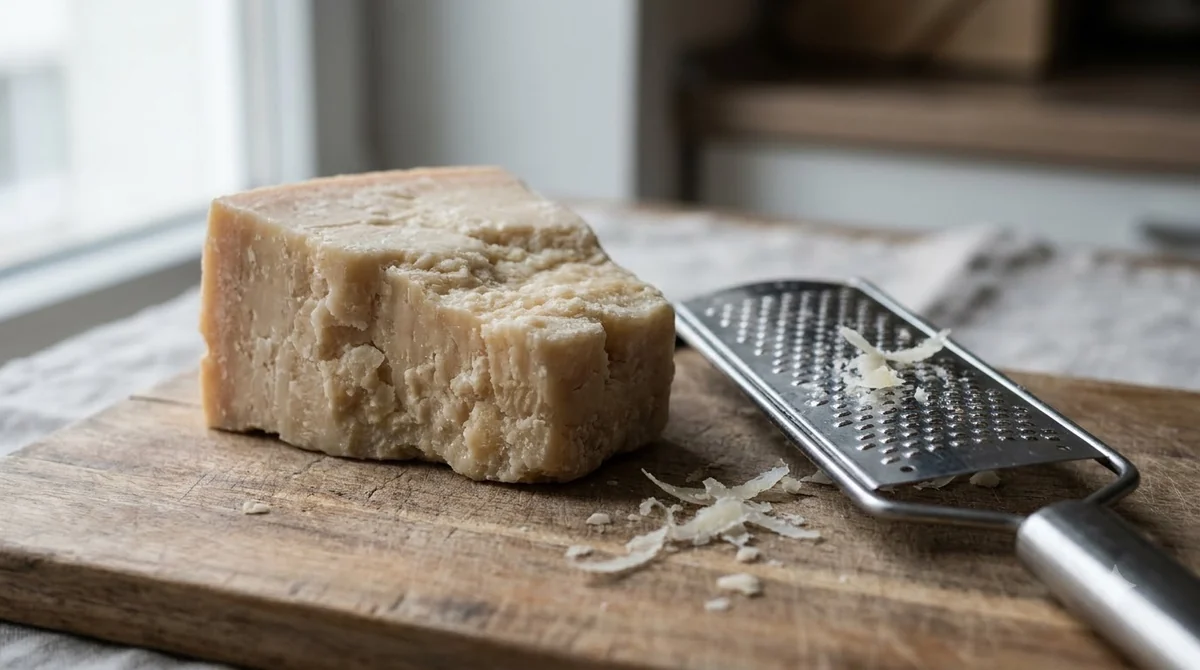
Aosta Valley lies in the Alps. A fresco at Issogne Castle, dated 1480, is possibly the earliest depiction of the cheese, which shows how long it has been part of the local food tradition.
The European Union granted fontina a Protected Designation of Origin (PDO) in 1996. The Aosta Valley version follows strict rules on milk and production, and Wikipedia’s fontina overview summarizes them.
The name has a US twist as well, and it matters when you ask what is fontina on a label. In 1986, the US Trademark Trial and Appeal Board ruled that fontina is a generic name, so the word alone does not prove that the cheese came from Aosta Valley.
The full label name, Fontina Val d’Aosta, is the clearest signal of the Aosta Valley product. America’s Test Kitchen describes it as the original Italian fontina, a costly cheese prized for its rich, nutty flavor and excellent meltability.
How fontina is made and what it tastes like
Traditional Aosta Valley fontina is made from unpasteurized milk from a single milking, and the cheese contains about 45% milk fat.
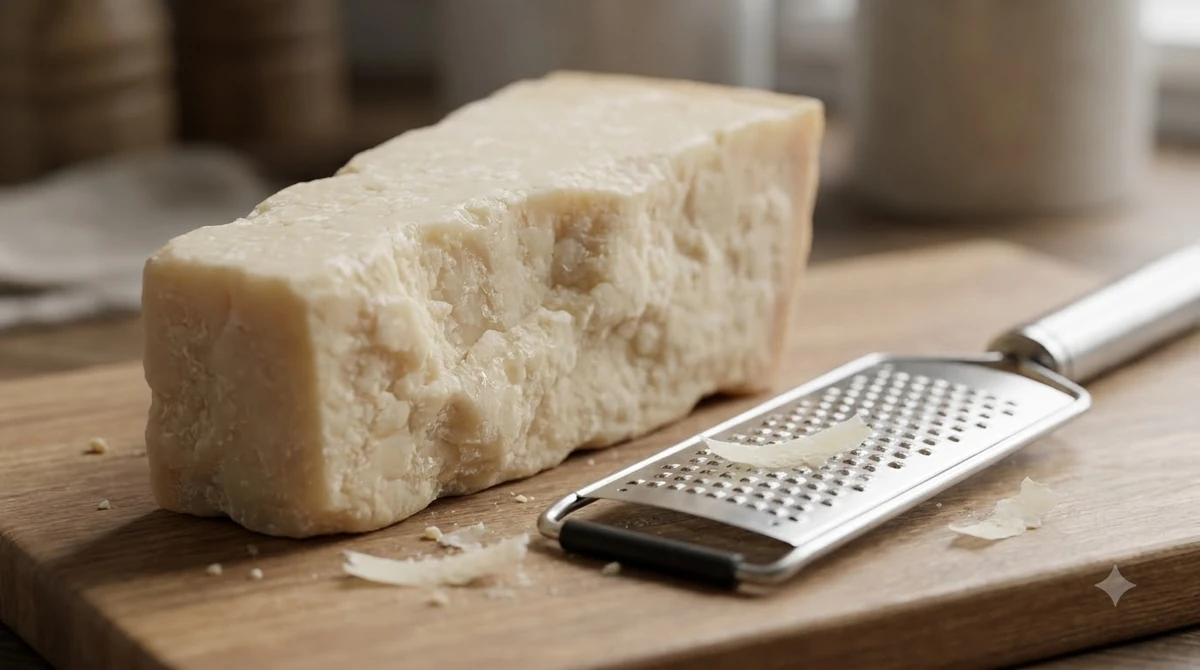
According to the Wikipedia overview, the Aosta Valley rules require milk from one milking, and the cheesemaking runs in two batches per day. Those rules explain why the milk matters as much as the aging.
Fontina is semisoft to hard. Its rind is natural and ranges from tan to orange-brown, and the pale cream interior has small holes called eyes.
The natural rind forms during aging, which is why its color changes with the age of the wheel and why the outer layer can look darker than the interior.
| Feature | Young fontina | Mature fontina |
|---|---|---|
| Flavor | Creamy and mild | Nuttier, with the nuttiness growing with age |
| Texture | Softer and semisoft | Hard, but it still melts well |
| Common use | Fondue | Melted dishes and roast meat |
The Aosta Valley version is described as earthy, mushroomy and woody, which is a deeper profile than the mild taste of young cheese.
How to use fontina in cooking
So what is fontina good for in the kitchen? Mostly melting. Young fontina is the classic choice for fondue, and fonduta alla valdostana is a traditional Aosta Valley dish built on fontina, milk and eggs.
Fonduta is a warm, creamy dish. The Valdôtaine version is listed in the Wikipedia fondue entry as made from fontina, milk and eggs, and that short list is a good starting point for home cooks. The cheese also appears on quattro formaggi pizza.
- Choose young fontina for fondue, since it is the classic cheese for a smooth melt.
- Pick mature fontina when you want a stronger, nuttier taste in a melted dish.
- Serve mature fontina with roast meat, a pairing that the Wikipedia overview mentions.
- Try the Aosta Valley fonduta with fontina, milk and eggs for a traditional result.
For more on the dish, see Wikipedia’s fondue entry, which covers the general method of serving fondue in a shared pot.
Wikipedia’s fondue entry notes that the mixture is typically kept near 65 °C (150 °F) so it stays smooth, and that a toasted cheese crust, called la religieuse, can form at the bottom of the pot. Piedmont has its own version, fonduta piemontese, made with fontina, milk, butter and eggs.
When you shop, America’s Test Kitchen suggests choosing Italian-made fontina for panini and baked pasta, such as a baked ziti. The same page says other fontinas are not in the same league as Fontina Val d’Aosta, although some tasters found good ones.
Fontina vs other Italian melting cheeses
A label that says only fontina is not always proof of the Aosta Valley PDO product, so look for the Fontina Val d’Aosta name on the package.
The 1986 US trademark ruling treats fontina as a generic name. That is why labels can use the word for cheeses from different places, and why the origin statement matters.
In its taste test of fontina, America’s Test Kitchen’s taste test page found the Italian original rich and nutty, while tasters described other supermarket fontinas as bright, firm, smooth and creamy.
When you compare melting cheeses, focus on the flavor and texture the label or producer describes. Fontina’s mild, nutty profile makes it a different choice from fresh mozzarella, which is soft and milky. For that side of the comparison, see low-moisture vs fresh mozzarella for pizza, or compare it with provolone.
What this guide does not confirm
This research did not confirm fontina’s breed of cow, minimum aging period, wheel size, price or storage time, so this article does not state those details.
- Breed and minimum aging: check the producer’s specification or the label.
- Wheel size and price: compare current listings from the seller, since prices change often.
- Storage time: read the date and storage advice printed on the package.
- Substitutes: test a small batch of any replacement before serving it to guests.
A practical check is to compare the producer’s details with the package, the seller’s listing and the label wording. When those details agree, you can be more confident about the product you are buying.
Frequently Asked Questions
Is fontina the same as mozzarella?
No. Mozzarella is a fresh, soft cheese, while fontina is a semisoft cow’s milk cheese from Aosta Valley with a natural rind and a nutty flavor. Both melt, but they taste and behave differently, so the swap changes the dish.
What is fontina used for?
Fontina is mainly used for melting, such as fondue, fonduta and melted sandwiches. Mature fontina still melts well and is often served with roast meat, according to the Wikipedia overview.
Does fontina melt well?
Yes. Young fontina is the classic choice for fondue, and mature fontina still melts well, according to the Wikipedia overview. Grate or cut it into small pieces so it melts evenly in the pan.
What is a good substitute for fontina?
Choose a mild, semisoft cow’s milk cheese that melts smoothly, and test it in a small batch first. This research did not confirm specific substitutes, so check the package or producer for melting and storage details.
Is fontina made with raw milk?
Traditional Aosta Valley fontina is made from unpasteurized milk from a single milking, according to the Wikipedia overview. Check the label and producer information for the milk treatment of the product you buy.
Where can I check the official rules for fontina?
Check the producer’s specification and the EU PDO register for current production rules. This article relies on the Wikipedia overview, which does not replace the official specification or list breed and aging details.
Is fontina good for sandwiches?
Yes, it is a common choice for panini. America’s Test Kitchen recommends Italian-made fontina for panini and baked pasta when you buy a supermarket version, because the flavor and melt are the main reasons to pick it. Taste a small piece first to see whether you like its nuttiness.
Before you buy, look for the Fontina Val d’Aosta name and read the package for storage and use advice, since those details change from one producer to another. Young fontina suits fondue and melted dishes, while mature fontina adds a stronger nutty flavor. More cheese explainers are in the Learn guides.
 9 min readLearnWhat Is Gorgonzola? A Guide to Italy’s Blue CheeseUpdated Nov 11, 2026
 7 min readLearnWhat Is Mozzarella di Bufala? Italy’s Buffalo Milk CheeseUpdated Nov 11, 2026
 7 min readLearnWhat Is Ricotta? An Easy Guide to Italy’s Whey CheeseUpdated Nov 10, 2026
 8 min readLearnWhat Is Porchetta? A Simple Guide to Italy’s Boneless Pork RoastUpdated Nov 11, 2026
 7 min readLearnWhat Is Prosciutto di Parma? A Simple Guide to Italy’s Protected HamUpdated Nov 11, 2026
 7 min readLearnWhat Is Colatura di Alici? Italy’s Anchovy Drip SauceUpdated Nov 11, 2026