
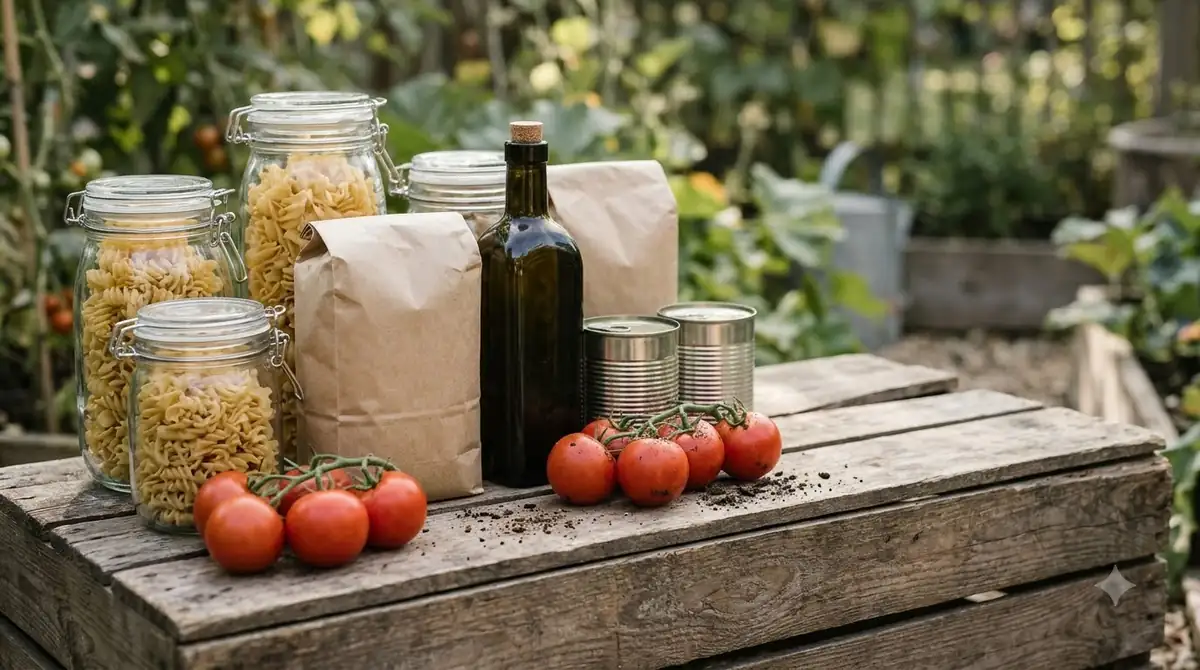

What is colatura di alici? It is an Italian fish sauce made from salted, fermented anchovies, and it comes from the small fishing village of Cetara on the Amalfi Coast. It is a clear, amber-tinted liquid that the cook drips over pasta or vegetables in small amounts, rather than using it as a base for a sauce.
The sauce has a long history, and it has been protected by an EU Protected Designation of Origin (PDO) since 2020. Knowing what it is helps you tell it apart from other anchovy products on the shelf.
What is colatura di alici and where it comes from
Colatura di alici is a fish sauce from Cetara, a fishing village in Campania, and its name translates roughly as “anchovy drippings.” The sauce is made by fermenting salted anchovies in brine, and the liquid that drips out is the product.
According to the Wikipedia entry on colatura di alici, the fish are harvested on the Amalfi Coast between March 25 and July 22, and the sauce was granted Protected Designation of Origin status in 2020. The same entry traces its roots to garum, the fermented fish sauce that was a common condiment in ancient Rome.
The traditional containers are small chestnut barrels called terzigni, where the anchovies ferment and the sauce collects.
Wikipedia adds a short history. It says the recipe for garum was recovered by medieval monks, who salted anchovies in wooden barrels every August and let the liquid drip out through the cracks in the wood. It also says the process later spread across the region, and that wool sheets came to be used to filter the sauce. That page flags who refined the method as unsourced, so read it as local tradition rather than a documented fact. Anyone asking what is colatura di alici in a historical sense can think of it as the modern, protected descendant of the old Roman condiment.
How colatura di alici is made
The production is simple in outline: fresh anchovies are salted, packed, and left to cure, and the sauce is collected as it drains. The main steps, as described by Zingerman’s Community, are these.
- Fillets are layered with coarse sea salt into barrels.
- Rocks are set on top of the barrel to apply gentle, steady pressure, so liquid collects as the anchovies cure.
- The anchovies cure until the next season, a year later, and sometimes longer, with the liquid aged in wood.
- The slightly fermented liquid is drained off before the anchovies are sold.
Because the curing takes many months, a bottle of colatura is a product of patience. Producers differ in their salt levels and curing times, so the label is the best guide to what you are buying.
How colatura di alici tastes
Colatura tastes strongly salty and deep, which is the short answer to what is colatura di alici like on the plate. Because it is made from anchovies, it carries a savory, fish-based character, but the flavor is concentrated rather than fishy in a raw sense.
Because it is so concentrated, a little goes a long way. Its saltiness is the main reason cooks adjust the salt in the pasta water when they use it, which is the advice given by Zingerman’s Community.
How to use colatura di alici
The classic use is spaghetti alla colatura di alici, where a small amount of the sauce is added to spaghetti cooked with garlic and olive oil. Other ways to use it are listed below.
- Spaghetti or bucatini with garlic and olive oil, with less salt in the pasta water.
- A dressing made with olive oil and colatura, about two parts oil to one part colatura.
- A drizzle over fish, roasted or grilled vegetables, or mashed potatoes.
- A splash in soup, or brushed on a grilled cheese sandwich.
- Tossed with fried bread cubes to make savory croutons.
Start with a small amount, taste, and add more only if the dish needs it. The sauce is salty, so seasoning should be adjusted at the end.
Colatura di alici compared with fish sauce and anchovy paste
Colatura is often confused with other anchovy products. The table below shows the main differences, based on how each one is made and used.
| Product | Form and origin | Typical use |
|---|---|---|
| Colatura di alici | Clear amber liquid drained from salted anchovies, made in Cetara | Finishing drizzle on pasta and vegetables |
| Asian fish sauce | Thin liquid from fermented fish, from many producers | Seasoning in many Southeast Asian dishes |
| Anchovy paste | Thick paste of ground anchovies | Melted into sauces, dressings and braises |
If you want the Italian flavor of a Cetara sauce, choose colatura. If you need a salty, savory base for a braise, anchovy paste or a standard fish sauce is usually more practical. Whole fillets are another option, and our guide to the best canned anchovies explains how to choose and store them, while this anchovy pizza recipe shows a baked use for the same salty flavor.
How to store colatura di alici
Storage times and temperatures vary by producer, and the sources used for this article do not give a fixed number. Read the label on your bottle for the recommended storage method and the best-before date, and keep the cap closed between uses.
What to check on the label before you buy
A bottle of colatura is a small purchase, so the label is worth reading carefully. These are the details that matter most when you compare products.
- Origin wording: look for Cetara and the protected name colatura di alici di Cetara, which identifies the PDO product.
- Ingredients: read the ingredient list and check for any added flavorings or thickeners, which a traditional product should not need.
- Container and volume: small bottles suit a finishing sauce, since only a small amount is used at a time.
- Storage and best-before date: follow the producer’s instructions, as these vary from one product to another.
If a product does not show its origin or ingredients, it is worth choosing another bottle, because the flavor and quality depend on the anchovies and the curing process.
What the available sources do not settle
Several details about colatura are not stated in the pages used for this article. These include the exact salt ratio, the minimum curing time in months, the salt content of the finished sauce, and a recommended dose per serving. Producer specifications and the official PDO register are the best places to confirm them, and a cook who wants precise figures should check those sources before following a recipe that depends on them.
Frequently Asked Questions
Is colatura di alici the same as fish sauce?
They are related because both are fermented fish products, but colatura is a specific Italian sauce from Cetara with its own production method and PDO protection.
What is colatura di alici made from?
It is made from anchovies that are salted, cured and drained, and the liquid is the sauce.
What is the classic dish with colatura?
Spaghetti alla colatura di alici, with spaghetti, garlic, olive oil and a small amount of the sauce.
Does colatura di alici taste fishy?
It is salty and savory with a deep flavor. Used in small amounts, it adds depth to pasta and vegetables rather than a strong fish taste.
Where should I buy colatura di alici?
Look for a product labelled as colatura di alici di Cetara, since the PDO label identifies the protected product. Check the producer’s label for storage advice.
Colatura di alici is a small bottle with a big flavor. Start with a small amount on garlic-scented spaghetti, taste, and let the label guide storage. If you enjoy salty, cured Italian ingredients, see our guide to bottarga, another cured Italian finishing ingredient, next.
 7 min readLearnWhat Is Prosciutto di Parma? A Simple Guide to Italy’s Protected HamUpdated Nov 11, 2026
 7 min readLearnWhat Is Mozzarella di Bufala? Italy’s Buffalo Milk CheeseUpdated Nov 11, 2026
 7 min readLearnWhat Is Fior di Latte? A Simple Guide to Italy’s Cow’s Milk MozzarellaUpdated Nov 10, 2026
 8 min readLearnWhat Is Porchetta? A Simple Guide to Italy’s Boneless Pork RoastUpdated Nov 11, 2026
 9 min readLearnWhat Is Gorgonzola? A Guide to Italy’s Blue CheeseUpdated Nov 11, 2026
 7 min readLearnWhat Is Fontina? A Simple Guide to Italy’s Alpine Melting CheeseUpdated Nov 11, 2026