
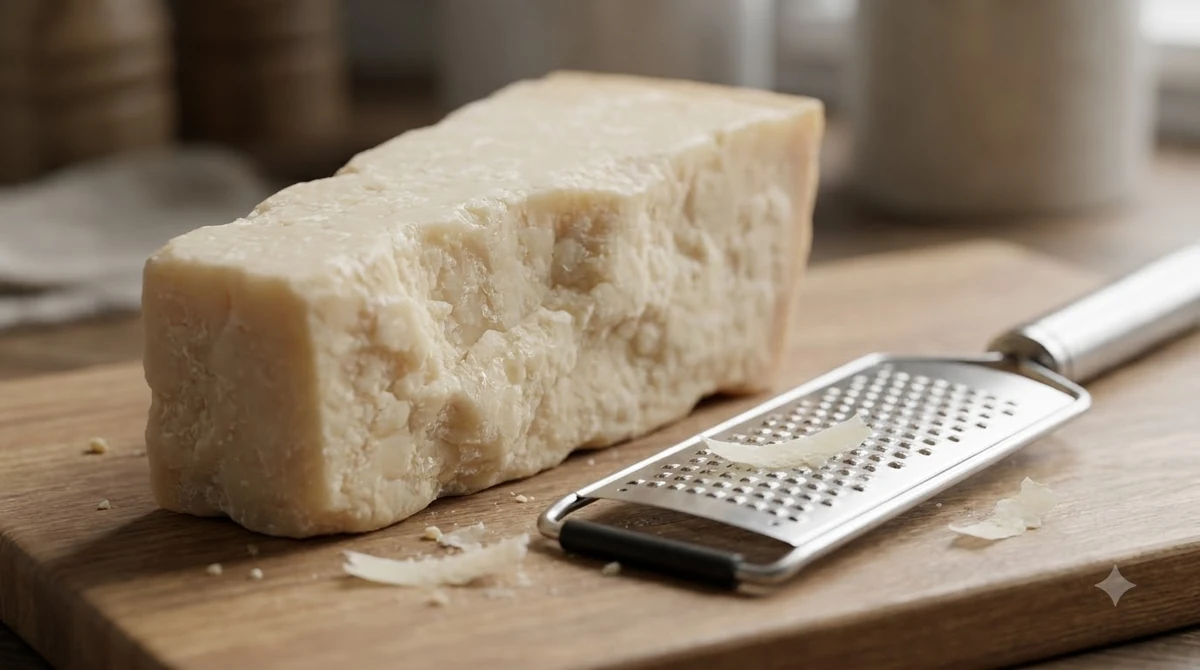

The answer to what is ricotta is simple: ricotta is a soft Italian whey cheese with a mild, creamy texture. It is made from whey, the liquid left over after other cheeses are made, so it has a mild flavor and a creamy, delicate texture.
Ricotta comes fresh, aged or baked, and each style suits different dishes. Fresh ricotta works best in desserts and light fillings, while a sturdier store-bought tub holds up better in baked pasta.
What ricotta is
Ricotta is an Italian whey cheese traditionally made from the leftover liquid of other cheeses, using milk from sheep, cow, goat or Italian water buffalo.
The name comes from the Latin recocta, meaning “re-cooked”, which describes how the whey is heated a second time. Tasting Table notes that ricotta is not technically considered a cheese, because it comes from milk that has already been processed.
Modern ricotta is often made from whole milk rather than from whey alone. Tasting Table describes the texture as light and airy, creamy and milky without being heavy or dense, which is why many cooks reach for it in both sweet and savory recipes.
How ricotta is made
Ricotta is made by heating whey until its remaining proteins form a fine curd, which is then strained out through cloth.
- The leftover whey is left at room temperature for 12 to 24 hours so it becomes more acidic.
- The whey is heated to near boiling.
- The low acidity and high heat cause the whey proteins, mainly albumin and globulin, to form a fine curd.
- The curd is cooled and separated by straining it through cloth.
Making ricotta at home
A home version swaps the whey for whole milk. The usual method heats the milk, stirs in an acid such as white vinegar or lemon juice with a little salt, and lets the curds form. The curds are then drained through a cheesecloth-lined strainer until they reach the consistency you want. Follow a tested recipe for exact temperatures and amounts, and remember that homemade ricotta keeps only a few days.
Making ricotta on the Italian peninsula dates back to the Bronze Age, when ceramic milk boilers were used, according to Wikipedia’s ricotta entry. Herders still used similar boilers in the 19th century, which shows how little the method has changed.
Types of ricotta
Fresh ricotta is soft and light, while ricotta salata, infornata, affumicata and forte are aged, baked, smoked or fermented styles.
| Type | How it is made | Typical use |
|---|---|---|
| Fresh ricotta | Soft and unaged, with a short shelf life | Desserts, fillings and spreads |
| Ricotta salata | Salted, pressed, dried and aged until firm enough to grate | Grated over pasta and salads |
| Ricotta infornata | Baked until it develops a brown, lightly charred crust | Eaten as a savory cheese, popular in Sardinia and Sicily |
| Ricotta affumicata | Smoked, usually over oak or chestnut wood | Savory dishes |
| Ricotta forte | Salted and aged about a year into a pungent, spreadable paste sold in jars | Spread on bread |
Ricotta salata is typically made with sheep’s milk ricotta from Lazio, according to Wikipedia. The cheese is pressed, salted, dried and aged until firm. It is usually grated or shaved over pasta and salads, in the same spirit as pecorino romano.
The same reference names two protected ricottas, ricotta romana and ricotta di bufala campana, which carry PDO status. Check the label for these names if you want a product with a documented origin.
The aged, baked and smoked styles are treated differently from fresh ricotta, so the storage advice later in this guide applies mainly to fresh tubs.
Ricotta vs cottage cheese
Ricotta has less salt and more fat than cottage cheese, and its curds are finer and drier, so the two do not always swap one for one.
| Attribute | Ricotta | Cottage cheese |
|---|---|---|
| Curds | Finer and drier | Larger and firmer |
| Salt | Less | More |
| Fat | More | Less |
Texture also varies by brand. The Cheese Professor notes that store-bought ricotta is often sturdy and grainy because machines break up the curd, while artisanal styles are fluffier and smoother. Whole milk ricotta is defined as at least 8 percent fat.
Choose the smoother style for desserts and the denser style for baked dishes where the filling must hold its shape.
How to choose good ricotta
A short ingredient list is a good sign when you shop for ricotta, and artisan or locally made tubs tend to be creamier than mass-market ones.
Ricotta is usually found in the dairy section near mascarpone or cottage cheese. Read the label and the date stamp before you buy.
Tasting Table also notes that commercial ricotta is typically heavier and wetter, because stabilizers and thickeners hold it together without draining all the water. That makes it sturdier in baked dishes but less light in desserts.
- Check the ingredient list and prefer the shortest one.
- Pick a creamier artisan tub for desserts and fillings.
- Pick a denser store-bought tub for lasagna and other baked pasta.
- Avoid any tub with mold or a yellowish tint.
How ricotta is used
Ricotta works in savory and sweet dishes, from lasagna and ravioli to cannoli and cheesecake.
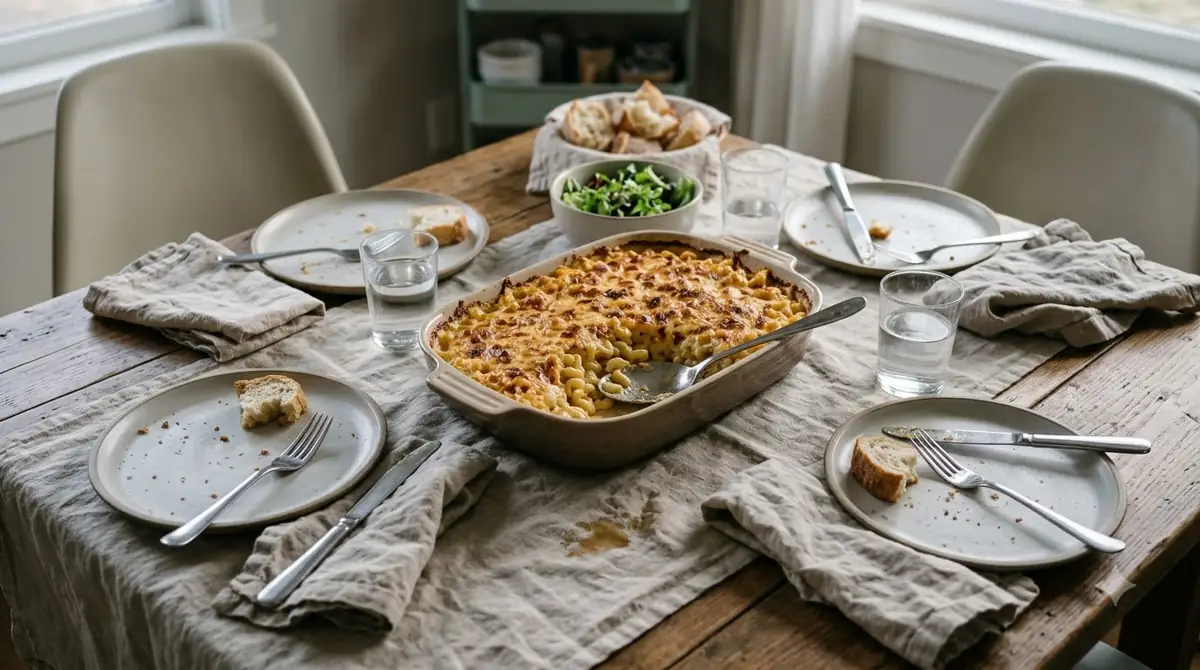
Sturdier store-bought ricotta holds up between layers of pasta and sauce, which makes it a good fit for lasagna, stuffed shells and manicotti. The Cheese Professor also lists ravioli and light gnocchi dough as common uses, with a caution that fluffy styles can squirt out when a ravioli is cut.
- Savory: stuffed into lasagna, ravioli and manicotti
- Savory: worked into light gnocchi dough
- Savory: baked on pizza, as in this spinach and ricotta pizza
- Sweet: the filling for Sicilian cannoli
- Sweet: the base for baked ricotta cheesecake
- Either: spread on toast with honey and fruit such as figs
Because the sweet and savory uses need different textures, pick the style that matches the recipe rather than buying one tub for everything.
How to store and freeze ricotta
Store-bought ricotta keeps up to one or two weeks in a sealed container in the refrigerator, while homemade ricotta lasts only a few days.
- Keep it refrigerated the whole time in a sealed container.
- Discard it if it has sat at room temperature for more than two hours.
- Discard it if mold appears or the white color turns yellowish.
- Freeze it in sealed bags for up to six months, and expect quality to decline after three months.
- Use thawed ricotta in cooked dishes, where a slightly grainy texture matters less.
The sources reviewed did not state how long an opened tub keeps, so check the package date and the manufacturer’s label before you buy or use it.
Frequently Asked Questions
Is ricotta a cheese?
Ricotta is usually called a cheese, but Tasting Table notes that it comes from milk that has already been processed, so it is not technically a cheese by some definitions.
Is ricotta the same as cottage cheese?
No. Ricotta has finer, drier curds, less salt and more fat than cottage cheese. The two can sometimes stand in for each other in similar recipes, but the texture and seasoning will differ.
What is ricotta salata?
Ricotta salata is an aged version of ricotta that is salted, pressed, dried and aged until it is firm enough to grate. It is used on pasta and salads rather than in creamy fillings.
How long does ricotta last?
Store-bought ricotta lasts up to one or two weeks when sealed and refrigerated, and homemade ricotta lasts only a few days. Discard it if it sits at room temperature for more than two hours or shows mold.
Can you freeze ricotta?
Yes. Sealed bags can hold ricotta for up to six months, though quality may decline after three months. Thawed ricotta is best used in cooked dishes such as lasagna or baked pasta.
If you are still sorting out cheeses for pasta night, browse more pizza and pasta guides. For desserts and light fillings, choose fresh ricotta with a soft, smooth texture. For baked pasta, a sturdier store-bought tub is more reliable. Keep it cold, use it within a week or two, and freeze any extra in sealed bags.
 7 min readLearnWhat Is Mozzarella di Bufala? Italy’s Buffalo Milk CheeseUpdated Nov 11, 2026
 7 min readLearnWhat Is Fontina? A Simple Guide to Italy’s Alpine Melting CheeseUpdated Nov 11, 2026
 9 min readLearnWhat Is Gorgonzola? A Guide to Italy’s Blue CheeseUpdated Nov 11, 2026
 7 min readLearnWhat Is Fior di Latte? A Simple Guide to Italy’s Cow’s Milk MozzarellaUpdated Nov 10, 2026
 8 min readLearnWhat Is Mascarpone? A Plain Guide to Italy’s CreamUpdated Nov 10, 2026
 8 min readLearnWhat Is Guanciale? A Guide to Italy’s Cured Pork JowlUpdated Nov 10, 2026