
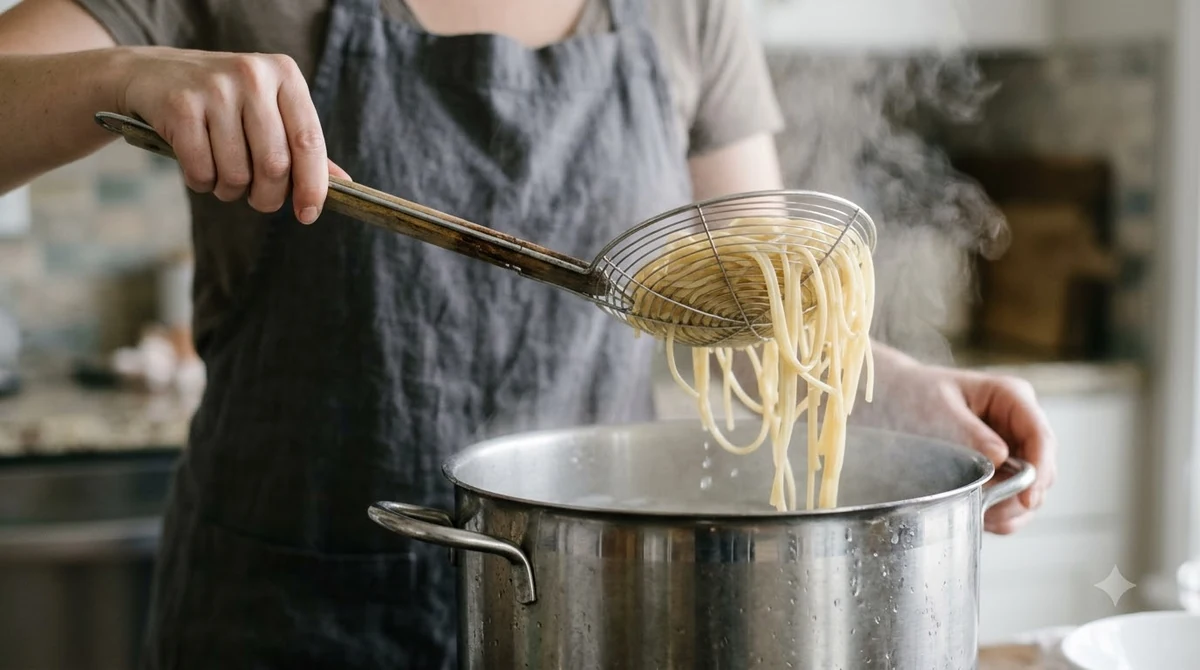

The best wine to pair with pasta depends mostly on the sauce, not the shape. Tomato sauce needs a high-acid red, cream sauces suit richer whites, and pesto pairs well with herbal Sauvignon Blanc.
Acidity, body and richness decide most matches for the best wine to pair with pasta. Each section below covers one sauce family, and a checklist at the end gives a quick answer.
How the Sauce Decides the Best Wine to Pair With Pasta
The sauce sets the pairing because it carries most of the acid, fat and herbs on the plate. Shape changes the texture, but it rarely changes which wine works.
Start by asking what the sauce is built on, because that is the first step to finding the best wine to pair with pasta. A tomato sauce brings acid, a cream sauce brings fat, and a pesto brings herbs and oil. Match the wine to the strongest flavor on the plate, not to the pasta name on the menu.
Three wine traits do most of the work here. Acidity makes a wine feel fresh and helps it cut through richness. Body describes how heavy the wine feels in the mouth. Tannin is the dry grip found mainly in red wines. A good pairing either matches the sauce on these traits or contrasts with it, rather than fighting it.

Why Tomato Sauce Needs a High-Acid Red
Tomato sauce is high in acid, so the wine needs at least as much acidity or it can taste flat. For the best wine to pair with pasta in this group, check acidity first. Tasting Table says the wine should be equally or more acidic than the sauce.
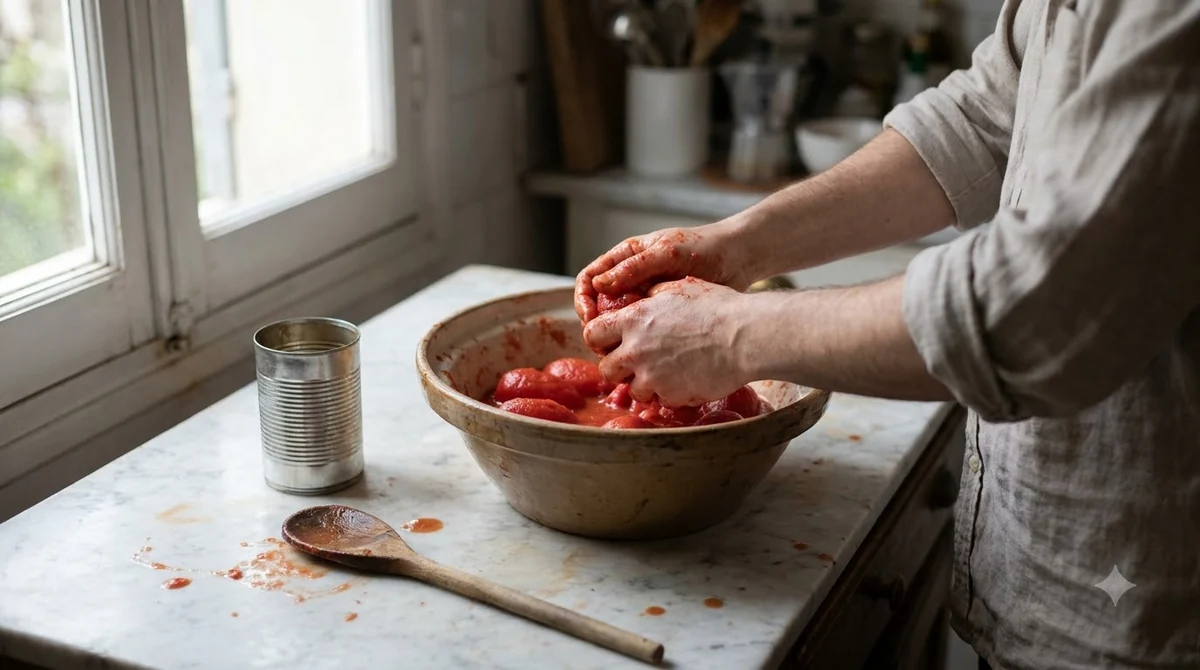
According to Wine Folly’s pasta pairing guide, tomatoes are high in acidity, so a relatively tart, medium-bodied red works best. The same guide names several reds that fit this profile.
- Sangiovese, the grape behind Chianti Classico
- Primitivo and Montepulciano d’Abruzzo
- Nero d’Avola from Sicily
- Cannonau and Negroamaro, both Italian
Sangiovese is the grape Tasting Table names most often for tomato sauce. Tasting Table pairs it with Chianti Classico for marinara-style dishes, since the wine’s acidity keeps pace with the tomatoes.
Puttanesca brings olives, capers and anchovies to a tomato base. Tasting Table suggests Nero d’Avola with similarly vibrant flavors, and it advises avoiding heavy oak and high alcohol.
Arrabbiata is the spicy version. Tasting Table recommends Zinfandel because its natural acidity can match the intensity of the sauce, while its spice complements the chili heat.
Meat Ragu and Bolognese Wine Pairings
Meat ragu is heavy, so it calls for a bright, structured red or a sparkling red that can cut through the fat. Tasting Table names Lambrusco as its pick for Bolognese, such as our bolognese sauce recipe.
The article recommends choosing a bright wine to contrast the weighty meat sauce. Lambrusco is a sparkling red, so its lift between bites helps keep a rich plate from feeling dense.
For a richer ragu, Wine Folly notes that Negroamaro has more richness and tannin than Primitivo, and it pairs better with red meat. When you look for the best wine to pair with pasta with meat, choose that style if the sauce is built on meat. Choose a lighter red when the sauce is mostly tomato.
Cream and Alfredo Sauces Need Body and Contrast
Chardonnay is a dependable answer for the best wine to pair with pasta in cream sauces, because it can either match the richness or contrast it, depending on the style. Tasting Table names an unoaked and an oaked version as useful choices.
A crisp, unoaked Chardonnay works as contrast. Its acidity lifts the butter and cream, so the plate does not feel heavy.
A fuller, oaked Chardonnay matches the sauce instead. Oak adds toasty, creamy notes that echo the dairy, which suits heavier Alfredo or cheese-rich sauces such as our Alfredo sauce recipe.
| Chardonnay style | How it works | Best with |
|---|---|---|
| Unoaked and crisp | Acidity contrasts the cream | Lighter cream sauces |
| Fuller and oaked | Body matches the richness | Heavy Alfredo and cheese sauces |
Carbonara, Vodka Sauce and Pinot Styles
Among the best wine to pair with pasta options for carbonara, Pinot Grigio stands out because the rich, velvety dish needs acidity to cut through it. Tasting Table recommends serving that wine chilled. Try it with our carbonara recipe.
The article says the dish begs for some acidity to cut through the richness. A chilled, crisp white keeps the rich sauce from feeling heavy across the plate.
Vodka sauce is a creamy tomato sauce, and Pinot Noir is Tasting Table’s pick for it. The wine’s acidity and low tannins suit the sauce without overwhelming its nuance.
Pesto and Herb Sauces Pair With Sauvignon Blanc
Sauvignon Blanc is the usual answer for the best wine to pair with pasta with pesto, because its herbal character follows the basil, and its high acid keeps the oil from feeling heavy.
Wine Folly says the green sauce (like the one in our pesto Genovese recipe) should be the centerpiece, and the wine should be congruent with it. Herbaceous wines such as Sauvignon Blanc are best suited for this reason.
Tasting Table calls Sauvignon Blanc naturally high in acid, which makes it a pleasant palate cleanser between forkfuls. Vermentino, another herbal white, appears on Wine Folly’s list for green pasta dishes.
Seafood Pasta, Rosato and Lean Whites
Seafood pasta suits lean to medium-bodied white wines, according to Wine Folly, which makes it one of the simpler cases for the best wine to pair with pasta. When a seafood dish also includes tomato, a rosato is the better choice.
Wine Folly names several whites for seafood pasta:
- Pinot Grigio and Verdicchio
- Vernaccia and Muscadet
- Picpoul de Pinet and Grenache Blanc
Lean whites keep the flavor of the seafood clear. A heavy oaked white can crowd delicate shellfish, so choose the lighter style first.
A rosato bridges the tomato and the seafood. It keeps enough fruit to work with the sauce while staying fresh enough for the fish.
Cacio e Pepe, Olive Oil and Vegetable Pasta
For cacio e pepe, the best wine to pair with pasta is either Prosecco or Sangiovese, depending on whether you want bubbles or an earthy red. Tasting Table picks Prosecco, while Wine Folly links black pepper to Sangiovese.
Tasting Table describes the Prosecco’s delicate, fruity and floral aromas as a fit that does not overpower the simple dish. Its effervescence also cuts through the cheese.
Vegetable pasta without tomato suits a light, lemony, floral white. Wine Folly names Soave, Vermentino, Lugana and Sauvignon Blanc for this style. Once tomato enters the sauce, go back to the tomato rules above.
Pairing Checklist by Sauce
Use this table to find the best wine to pair with pasta for each sauce in one pass. Each row follows the reasons given in the sections above.
| Sauce | Wine style | Why |
|---|---|---|
| Tomato marinara | Sangiovese or Chianti Classico | Matching acidity |
| Bolognese ragu | Lambrusco | Bright contrast to the meat |
| Alfredo | Unoaked or oaked Chardonnay | Contrast or match the richness |
| Carbonara | Pinot Grigio, served chilled | Acidity cuts the richness |
| Vodka sauce | Pinot Noir | Acidity and low tannins |
| Pesto | Sauvignon Blanc | Herbal match and high acid |
| Seafood without tomato | Lean to medium-bodied white | Keeps the seafood clear |
| Seafood with tomato | Rosato | Bridges both ingredients |
| Cacio e pepe | Prosecco or Sangiovese | Bubbles cut the cheese, or black pepper suits a red |
| Vegetable pasta, no tomato | Light, lemony white | Freshness and floral notes |
Common Pairing Mistakes to Avoid
When choosing the best wine to pair with pasta, the most common mistake is pairing a low-acid wine with a tomato sauce, which can make the wine taste flat. Most other errors come from ignoring the sauce.
- Serving a heavily oaked red with a tomato sauce
- Choosing a very tannic red for seafood or pesto
- Pouring a heavy wine with a light dish, which can overwhelm it
- Matching only the pasta shape and ignoring the sauce
Alcohol level matters too. Tasting Table advises avoiding high-alcohol wines with puttanesca, because a high alcohol content may make the chili heat less tolerable. Check the label before you pour, and drink responsibly if you are of legal drinking age. Planning a pizza night instead? See our guide to the best wine to pair with pizza.
Frequently Asked Questions
What is the best wine to pair with tomato pasta?
Sangiovese, such as Chianti Classico, is the most common pick for tomato pasta. Tasting Table recommends a wine that is at least as acidic as the sauce, so the tomatoes do not make it taste flat.
Does the pasta shape change the best wine to pair with pasta?
Shape matters less than the sauce, so the best wine to pair with pasta still follows the sauce. A chunky meat ragu and a thin oil sauce can call for different wines, but the sauce’s acid, fat and herbs decide the match in both cases.
Should wine with pasta be served chilled?
Chilled whites are a safe default for creamy and rich dishes. Tasting Table recommends serving its carbonara wine chilled, and lighter whites usually show their freshness best cold.
Is rosé a good match for pasta?
Yes, rosé works well with seafood pasta that includes tomato, according to Wine Folly. Tasting Table also names a bold rosé as a good match for amatriciana.
Red or white for carbonara?
White is the usual choice. Tasting Table pairs carbonara with Pinot Grigio because the rich, velvety dish needs acidity to cut through it.
Start with the sauce when you choose the best wine to pair with pasta, then match the wine’s acidity to the richness of the dish. When in doubt, pick a wine with enough acid to keep pace with the food, and keep heavy oak for dishes that can carry it.
 9 min readLearnBest Wine to Pair with Pizza: Matches by Sauce and ToppingUpdated Nov 12, 2026
 8 min readLearnWhat to Serve with Ravioli: Sides, Sauces and Wine PairingsUpdated Nov 12, 2026
 7 min readLearnSpaghetti Alle Vongole Recipe: Clams, Garlic and White WineUpdated Nov 11, 2026
 8 min readLearnGarlic Parmesan Pasta Recipe: Silky Sauce in 25 MinutesUpdated Nov 12, 2026
 9 min readLearnChicken Piccata Pasta Recipe: Lemon, Caper and Butter SauceUpdated Nov 12, 2026
 9 min readLearnPizza Sauce vs Pasta Sauce: What Actually DiffersUpdated Nov 12, 2026