


Here is how to use a baking steel: preheat it on an upper rack at 500 to 550°F for 45 to 60 minutes, then bake food directly on its hot surface. A baking steel is a thick, flat slab of metal that stores oven heat and releases it quickly into the bottom of your food. The method is the same for pizza, bread and pies, and most problems come from a steel that was not preheated long enough.
How a Baking Steel Works in a Home Oven
A baking steel absorbs heat from your oven and passes it to the bottom of your food faster than most stones. Steel conducts heat better than cordierite stone, which makes it a useful surface for crisp, well-browned crusts.
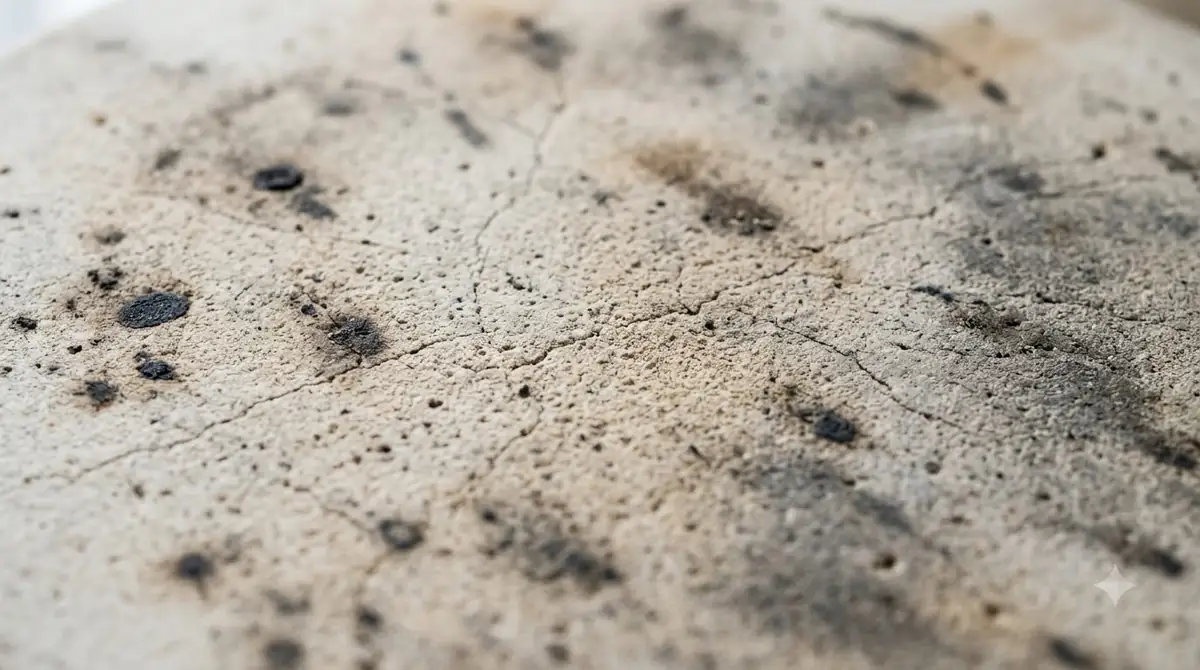
King Arthur Baking compares steel and stone directly. It says steels have higher thermal conductivity and heat faster, while stones can crack and steels are pretty much indestructible. The table below sums up the differences; for a closer match-up, see pizza stone vs pizza steel.
| Feature | Baking steel | Cordierite stone |
|---|---|---|
| Heat transfer | Higher thermal conductivity | Transfers heat less well |
| Heating speed | Heats faster | Heats more slowly |
| Durability | Pretty much indestructible | Can deteriorate and crack |
Knowing how to use a baking steel well starts with understanding why it behaves differently from a stone. A stone transfers heat less well, so the bottom of the food browns more slowly. King Arthur recommends a rectangular slab as large as will fit in your oven, so the heat stays even across the whole bake.
How to Use a Baking Steel: Preheating Step by Step
Place the steel on the first or second rack from the top and preheat the oven to 500 to 550°F for 45 to 60 minutes. The Baking Steel company says the steel should sit about 7 inches below the broiler, and it warns against the bottom rack, which can scorch the base before the top cooks.
- Put the steel on the first or second rack from the top, and keep it there for the whole preheat.
- Set the oven to 500 to 550°F, or to its highest setting, and preheat for at least 45 minutes. The company’s troubleshooting guide asks for a full hour.
- Use convection if your oven has it. King Arthur notes that convection mode can speed up preheating.
- Optionally, broil for the last 5 to 10 minutes of preheat. Turn the broiler off after the first minute or two of baking.
- If you have an infrared thermometer, check that the steel reads at least 500°F before you bake; see how to use an infrared thermometer.
Once the steel is hot, pizza takes about 4 to 6 minutes (see how to use a pizza steel for a pizza-only walkthrough), and you can rotate it once if the top browns unevenly. The Baking Steel guide gives no bake times for bread or pies, so follow your recipe for those. Preheating is the step most people shorten, and it is the one that matters most.
Learning how to use a baking steel comes down to the preheat. A steel that is only warm on the outside will not give the crisp base you expect, even if the oven air is at full heat. Keep the oven door closed while the steel heats, and avoid checking it so often that heat escapes.
Baking Pizza and Bread on a Baking Steel
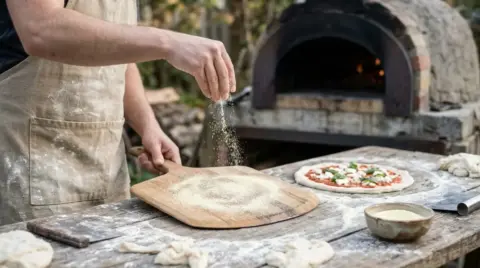
Build your food on a lightly floured peel or on parchment paper, then launch it onto the hot steel quickly. Build the pizza right before you launch it, so the dough does not sit and stick. Give the peel a gentle shake to make sure nothing is stuck before you slide it in.
- Use a well-fermented dough at room temperature. The company says doughs with 65 to 70 percent hydration bake better on a steel.
- Launch the food quickly and confidently, so the steel keeps its surface heat.
- If you launch on parchment, pull the paper out partway through the bake so the crust can brown directly on the steel. See using parchment paper in a pizza oven for limits.
- Give the steel at least 5 minutes to recover heat before the next bake, as King Arthur recommends.
Knowing how to use a baking steel for dough also means respecting timing. Do not let the dough sit on the peel while you add toppings, because it can stick before it reaches the hot surface. Use a light dusting of flour or a sheet of parchment underneath so the dough slides off the peel without tearing.
Why Food Sticks to a Baking Steel
If food sticks while you practice how to use a baking steel, the steel is probably not hot enough yet, according to the Baking Steel company. Dough can sink into the surface pores and bond to the metal, so keep the steel fully preheated and launch without delay.
Seasoning and Cleaning Your Baking Steel
Caring for the surface is part of how to use a baking steel over the long run. Baking Steel ships its steels hand-seasoned with flax oil, so you can start using one straight away. The company’s two guides give slightly different advice on upkeep: the home-oven guide says no oiling is needed before the first use, while its troubleshooting guide suggests re-seasoning from time to time.
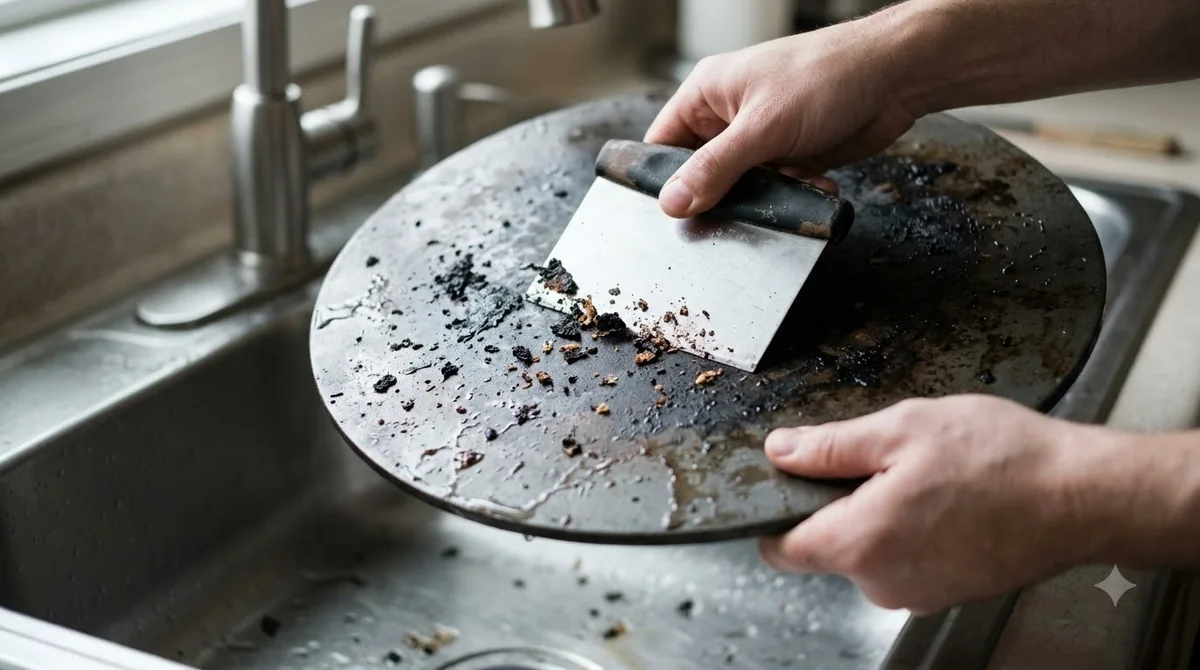
- Let the steel cool completely in the oven before you touch it.
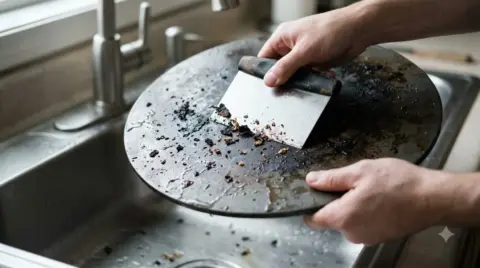
- Scrape off baked-on food with a metal spatula or the company’s cleaning bricks.
- Wipe the surface with a damp cloth and a small amount of dish soap.
- Rinse, dry thoroughly, and rub on a thin layer of cooking oil.
To re-season, rub the steel lightly with flax, canola or avocado oil, then heat it at 400°F for about an hour. Never soak the steel or put it in the dishwasher, because that can damage the surface.
Common Mistakes When Using a Baking Steel
Most problems with how to use a baking steel come from four habits: short preheating, a slow launch, cold dough and poor care after baking. Each one is easy to fix once you know what to change.
- Preheating for only 20 to 30 minutes. The company says a steel needs a full hour before a pizza goes on.
- Opening the oven for too long during the launch, which lets heat escape from the steel.
- Using cold or stiff dough. Room-temperature dough with good hydration gives better results.
- Leaving residue on the steel or letting it stay wet, which risks rust. Treat it like cast iron and store it dry.
Most of these errors show up as sticking, uneven browning or a pale base. If the bottom of a pizza is pale, the steel was probably not hot enough at launch. If food sticks, go back to the preheat before you change the dough recipe.
Other Ways to Use a Baking Steel
Beyond pizza, learning how to use a baking steel opens up bread and pies. King Arthur calls rectangular slabs great for bread, and says a steel or stone helps pies brown well and avoid a soggy bottom.
For the best fit, choose a rectangular steel as large as your oven can hold, so that the heat spreads evenly across the bake. Once you know how to use a baking steel for pizza, the same preheat and rack position give you a good starting point for bread, though the bake time should follow your recipe.
Frequently Asked Questions
How long should you preheat a baking steel?
Preheat it for 45 to 60 minutes at 500 to 550°F, according to the Baking Steel company. Its troubleshooting guide advises at least 60 minutes at 500°F or your oven’s maximum. King Arthur also recommends at least an hour with the steel in place.
Why does food stick to a baking steel?
Sticking usually means the steel is not hot enough. Preheat it for longer and launch the food quickly so the steel keeps its heat. Cold, stiff dough with low hydration can also stick, so let the dough come to room temperature first.
Do you need to season a baking steel?
Baking Steel hand-seasons its steels with organic flax oil before shipping. The company’s troubleshooting guide suggests re-seasoning when needed: rub the steel lightly with oil and heat it at 400°F for about an hour.
Can you put a baking steel in the dishwasher?
No. The company says never to soak the steel or put it in the dishwasher. Let it cool completely, scrape off debris, then wipe it with a damp cloth and a small amount of dish soap before drying it well.
Which rack should a baking steel go on?
For how to use a baking steel safely, place it on the first or second rack from the top, about 7 inches below the broiler. Avoid the bottom rack, which sits too close to the heating element and can burn the base before the top cooks.
Is a baking steel better than a pizza stone?
King Arthur says steel conducts heat better than cordierite stone and heats faster. It also notes that stones can crack, while steel is pretty much indestructible. The better choice depends on how quickly you want the base to brown and how much care you want to give the surface. To compare models, see best pizza steels.
How long should you wait between pizzas?
Give the steel at least 5 minutes to recover heat between bakes, according to King Arthur. Keep the oven on while you wait, so the steel stays at temperature for the next launch.
What oil should you use to re-season a baking steel?
The company recommends flax, canola or avocado oil. Rub a thin layer over the surface, wipe off any excess, and heat the steel at 400°F for about an hour before you bake again.
Knowing how to use a baking steel well comes down to patience. Give the steel a full preheat, launch quickly, and clean it only after it has cooled completely.
 9 min readGear & PantryHow to Clean a Baking Steel: Scrape, Dry, and Re-SeasonUpdated Nov 11, 2026
 8 min readGear & PantryHow to Choose a Baking Steel ThicknessUpdated Nov 11, 2026
 7 min readGear & PantryBaking Steel vs Pizza Stone: Which Gives Better Crust?Updated Nov 15, 2026
 8 min readGear & PantryHow to Use a Digital Kitchen Scale for Accurate BakingUpdated Nov 10, 2026
 9 min readGear & PantryHow to Use a Pizza Steel for Crisp Home PizzaUpdated Nov 10, 2026
 8 min readGear & PantryHow to Use a Pizza Oven Brush the Right WayUpdated Nov 11, 2026