
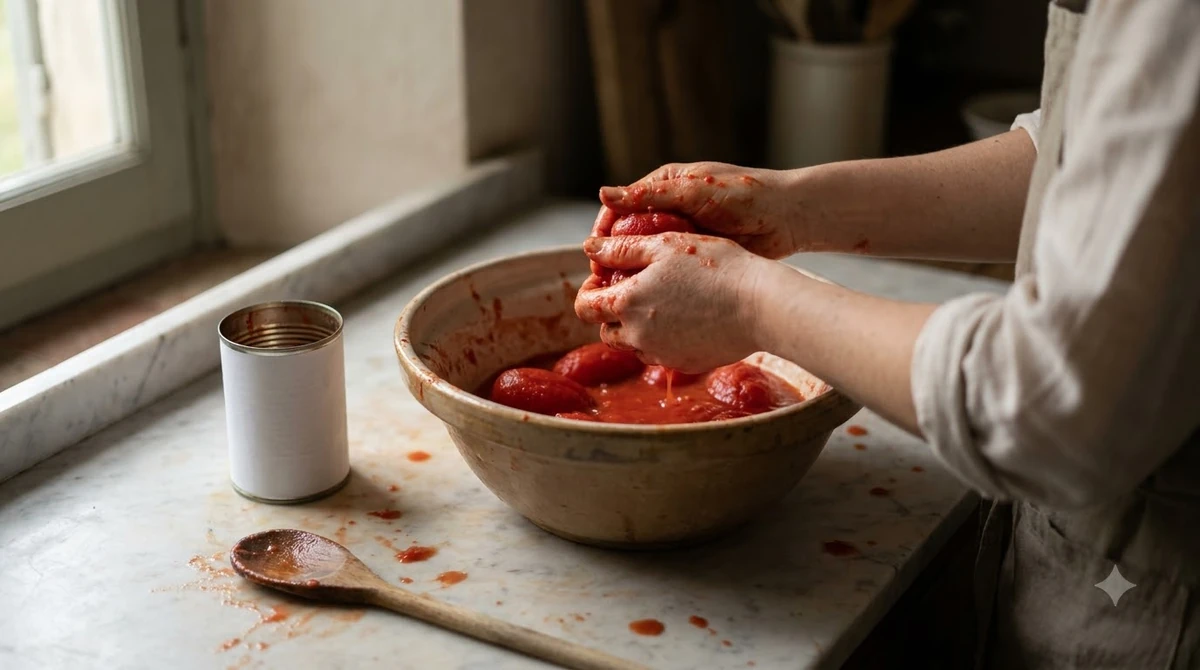

The best food mill for most home cooks has at least three interchangeable disks, a medium-tight spring and a stable base. Disk size decides how much skin and seed reaches your sauce, so it matters more than the name on the box. A food mill is a hand-cranked tool that grinds cooked produce and strains it in one step.
A food mill makes seedless tomato sauce faster than peeling and blending, but it takes more setup. Match the bowl size of the best food mill to your pot and to the jobs you do most often.
| Pick | Best for | Key fact |
|---|---|---|
| Cuisipro Deluxe food mill | Top pick overall | Named the winner in America’s Test Kitchen’s review for its large capacity; dishwasher-safe, three disks |
| Küchenprofi food mill | Seed removal from tomato sauce | Did the best job of straining seeds in America’s Test Kitchen’s review; four disks |
| Weston food mill | Small tomato batches | Two-quart capacity and three disks (fine, medium, coarse) |
| Any mill with three or more disks | Everyday purées and mashed potatoes | Every mill in the same review had at least three disks |

Cuisipro Deluxe Food Mill,Silver
Pros & ConsViewHide
Reasons to buy
- Named the top pick in America's Test Kitchen's food mill review for its large capacity
- Dishwasher-safe, with the bowl on the bottom rack and the handle and disks on the top rack
- Rounded, padded handle is comfortable to turn
Reasons to avoid
- Higher price than the Küchenprofi
- Three disks, one fewer than the Küchenprofi

Küchenprofi Stainless Steel Food Mill, Silver
Pros & ConsViewHide
Reasons to buy
- Did the best job of straining seeds from tomato sauce and berry coulis in the ATK review
- Four interchangeable disks
- 18/10 stainless steel, listed as dishwasher-safe
Reasons to avoid
- Only Recommended with Reservations from ATK
- Wide wire handle can dig into the hand and the mill is a touch heavy (2.32 lb)

Hungry Artisan 3-Disc Food Mill for Applesauce
Pros & ConsViewHide
Reasons to buy
- Stainless steel hand-crank mill with three disks, the minimum the ATK review found on every tested mill
- Suited to applesauce, tomato sauce and canning, per the listing
- Lower price than the Cuisipro
Reasons to avoid
- Not tested by America's Test Kitchen or The Kitchen Professor
- Check the disk markings before using it for seeded tomato sauce
Quick Answer: What a Food Mill Does
A food mill grinds cooked produce and strains it in one motion, leaving most skins and seeds behind. You place soft, cooked food in the bowl, turn the crank and push the purée through a perforated disk. The crank does the work, so you need little force. When you shop for the best food mill, this one-step action is the feature to judge first.
The mill is built for soft, cooked foods, so cook harder produce before you mill it. America’s Test Kitchen says food mills are designed for soft, cooked foods and are common for mashed potatoes, applesauce and tomato sauce. Jelly needs further straining after milling, so a mill alone will not give you clear jelly. If jelly is your main goal, no best food mill replaces a fine strainer.

Food Mill vs Ricer vs Blender
For tomato sauce, a food mill gives a skinless, nearly seedless result in two to four minutes, while peeling and blending took 11 minutes and left a seedy, aerated sauce. In the same America’s Test Kitchen comparison, a ricer gave the fluffiest potatoes and a masher gave the most rustic result.
| Tool | Tomato sauce | Mashed potatoes |
|---|---|---|
| Food mill | Skinless and nearly seedless; 2 to 4 minutes with unpeeled tomatoes | Smoothest of the three tools tested |
| Blender or food processor | Seedy and aerated; peeling by hand first took 11 minutes | Gluey mash, which the review warns against |
| Ricer | Not the right tool for sauce | Fluffiest result, thanks to its gentle touch |
| Masher | Not the right tool for sauce | Most rustic, with lumps left behind |
If your main goal is seedless sauce, the best food mill beats a blender. If you want light, fluffy potatoes, a ricer is the better choice. The mill wins when you want a smooth purée and do not mind a little setup time.
Disks Decide the Result
Small disk holes keep tomato seeds out, while larger holes suit chunky applesauce or meat sauce. Each tested mill came with several interchangeable disks, so the best food mill is the one whose disk set matches your food.
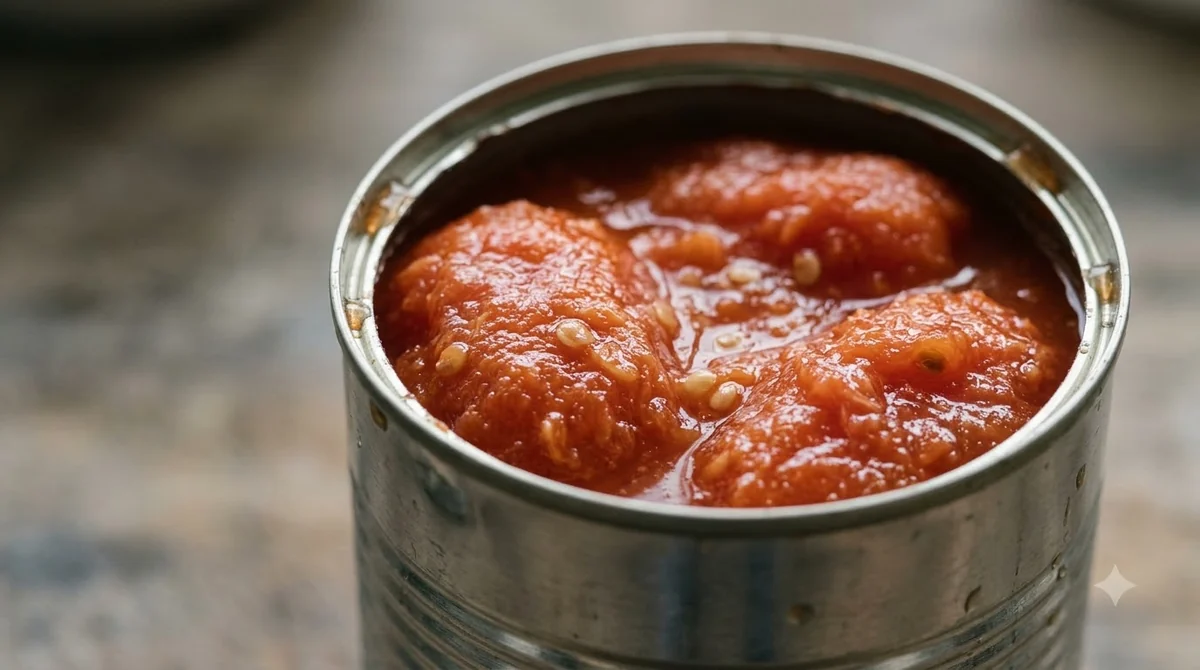
- Tomato sauce: use small holes, because seeds add bitterness and tartness, according to The Kitchen Professor’s guide to food mills.
- Mashed potatoes: small holes give a smooth, light mash, while large holes give a chunkier, thicker one.
- Garlic mash: use small holes, or large garlic pieces stay in the potatoes.
- Applesauce: larger holes give a chunkier texture.
America’s Test Kitchen found that each tested mill had at least three disks, labeled fine, medium and coarse. The review does not map hole sizes to those labels, so check each disk’s marking before you rely on it for sauce. Puree quality was consistent across the tested models, though every mill let some potato skin through, so expect a few skins in mashed potatoes.
Best Food Mill Picks by Task
America’s Test Kitchen named the Cuisipro Deluxe Food Mill its top pick because it had the largest capacity of the mills it tested, and it is dishwasher-safe with three disks. The Küchenprofi did the best job of straining seeds from tomato sauce and berry coulis in the same review, and it came with four disks for more texture options, though it earned only a “Recommended with Reservations” rating. Choose the Küchenprofi if seed removal is your top concern, and the Cuisipro for the best food mill if capacity matters most.
The Weston model suits small tomato batches. The Kitchen Professor describes it as a two-quart mill with three disks, fine, medium and coarse. A smaller bowl is easier to store, but it means more batches when you are canning.
The product box also lists the Hungry Artisan 3-disc mill, a stainless steel option with three disks. America’s Test Kitchen did not test it, so treat it as a three-disk alternative rather than a reviewed pick.
If you would rather skip milling, see our best tomato passata and best canned tomatoes picks. If you cook sauce only now and then, a best food mill with three disks and a stable base covers most jobs. Spend more on capacity only when you process several pounds of tomatoes at once.
What to Check Before You Buy
Spring tension, stability and handle comfort decide how cleanly a food mill works and how tired your hands get. Check these three features before you compare any best food mill on price.
- Spring tension: medium-tight springs push enough without letting seeds through. Slack springs are slow, and overly tight springs pass seeds and are hard to set up.
- Stability: long legs or rubbery hooks and grips keep the mill steadier than hooks alone.
- Handles and weight: heavy mills tire the arms, and rounded, padded handles are more comfortable than thin wire ones.
- Body material: The Kitchen Professor advises against plastic, which can leave a taste and is not machine-washable.
- Capacity: a small mill forces several small batches, while a larger bowl handles a full pot of cooked tomatoes.
Tomato Sauce Workflow
Boil tomatoes for about 10 minutes until the pulp softens, then mill them through a small-hole disk. Unpeeled tomatoes work well because the mill removes the skins during milling.
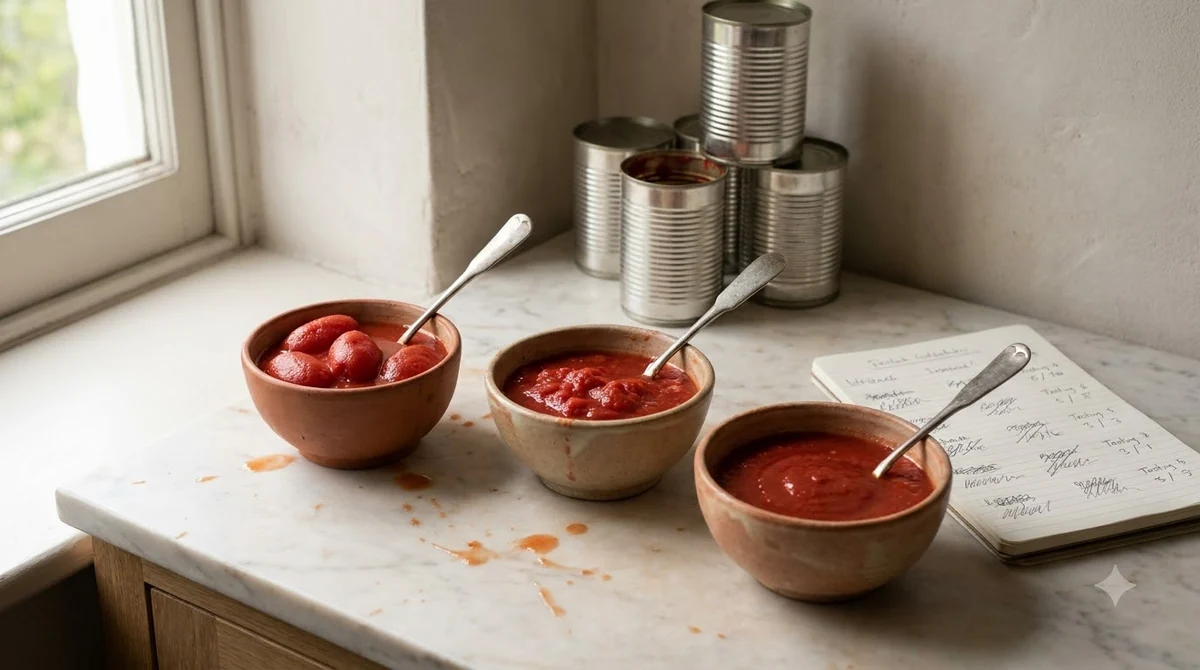
- Boil the tomatoes for about 10 minutes, or until the pulp softens.
- Add any sugar and spices to the cooked tomatoes before milling, not after.
- Place the soft, cooked tomatoes in the bowl and fit a small-hole disk.
- Turn the crank to force the pulp through, and repeat in batches if the bowl fills.
- Simmer the milled sauce until it thickens, because skipping this step leaves it thin and tart (see how to thicken pasta sauce).
America’s Test Kitchen milled unpeeled tomatoes in two to four minutes and got a skinless, nearly seedless sauce, which is much faster than peeling by hand first. Any best food mill with a small-hole disk can run this step, and our marinara sauce guide shows what to do with the result.
Common Mistakes With a Food Mill
The most common mistake is using a large-hole disk for tomatoes, which lets seeds into the sauce. Most other errors come from picking the wrong disk, the wrong size or the wrong tool for the food, not from the best food mill itself.
- Using a large-hole disk for tomato sauce, so seeds pass through.
- Buying a mill that is too small, which forces many small batches.
- Skipping the reduction step, which leaves the sauce thin and tart.
- Adding sugar and spices after milling instead of before.
- Using a blender or food processor for mashed potatoes, which makes a gluey mash.
- Choosing a plastic body, which can leave a taste and is not machine-washable.
Frequently Asked Questions
Is a food mill better than a blender for tomato sauce?
Yes, if you want seedless sauce, the best food mill beats peeling and blending. In America’s Test Kitchen’s comparison, peeling and blending took 11 minutes and gave a seedy, aerated sauce. Milling unpeeled tomatoes took 2 to 4 minutes and produced a skinless, nearly seedless sauce.
Which disk should you use for tomato sauce?
Use the smallest holes, because seeds add bitterness and tartness to the sauce. Larger holes suit chunkier applesauce or sweet sauces. Check the disk markings, since the review did not map hole sizes to fine, medium and coarse.
Can a food mill replace a ricer?
Not for every job. A food mill gave the smoothest mashed potatoes of the three tools tested, while a ricer gave the fluffiest result. Choose a ricer for light mash and a food mill when you want a smooth purée with skins and seeds left behind.
How do you clean a food mill?
America’s Test Kitchen advises cleaning the mill as soon as possible, before food dries on the disks, and letting every part dry fully before you reassemble it. Several tested mills, including the Cuisipro and the Küchenprofi, are listed as dishwasher-safe, but the RSVP Stainless Steel model was only safe for its disks, so check the care label on your best food mill before you put any part in the dishwasher.
What size food mill should you buy?
Choose the best food mill size for the pot and batch you cook most often. A small mill forces several small batches. The Kitchen Professor recommends large batches for canning, and it describes a two-quart Weston model as a smaller option.
Are plastic food mills worth buying?
The Kitchen Professor advises against plastic models. Plastic can leave a taste and is not machine-washable. If you plan to make tomato sauce often, look for the best food mill with a sturdier body.
For most home cooks, a food mill with three disks and a steady base is the best food mill to buy. Choose plastic only if your budget is tight and you rarely make sauce. Buy extra disks early, because the disk decides your sauce. Browse more kitchen gear guides for pizza and pasta.
 8 min readGear & PantryBest Balsamic Glaze: How to Choose One That Tastes RightUpdated Nov 13, 2026
 8 min readGear & PantryGozney Arc Cover: How to Choose the Right OneUpdated Nov 10, 2026
 7 min readGear & PantryCorzetti Stamp: How to Choose the Right One for Home PastaUpdated Nov 10, 2026
 5 min readGear & PantryWholesale Italian Food Monthly Deals: What’s Live Right NowUpdated Nov 5, 2026
 9 min readGear & PantryWholesale Italian Food vs Supermarket Italy: Which One Fits You?Updated Nov 10, 2026
 9 min readGear & PantryBest Food Processor for Pizza Dough: Picks and How to ChooseUpdated Nov 13, 2026