
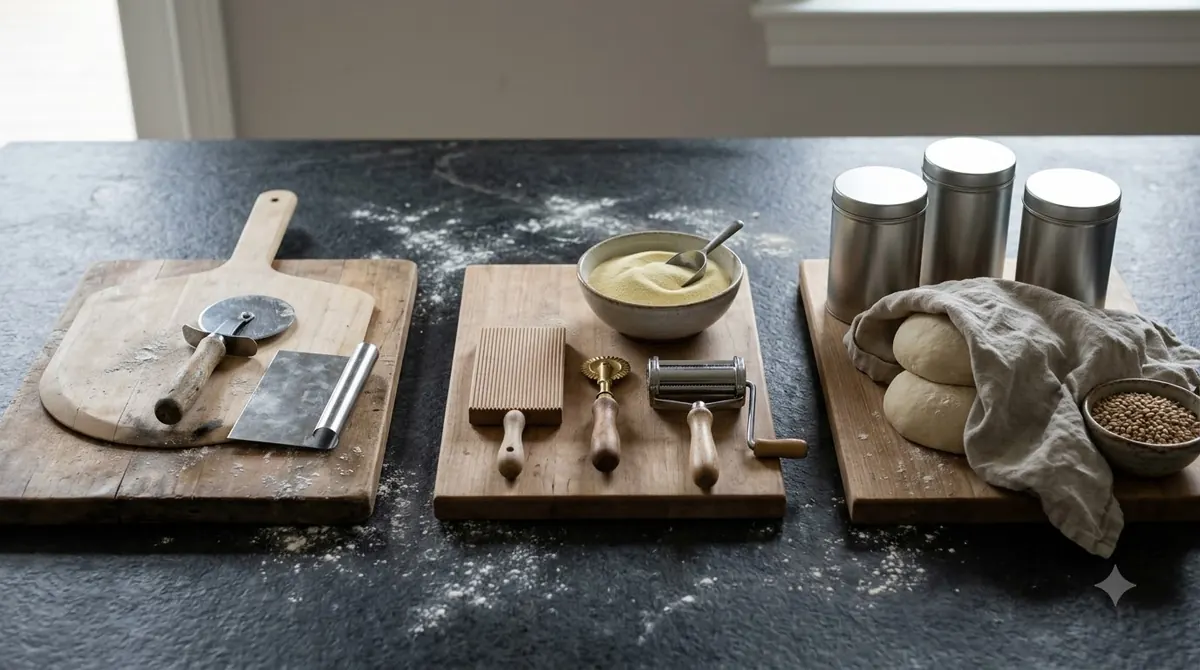

The best food processor for pizza dough is a model with a large bowl and a motor strong enough to knead a full batch without stalling. In America’s Test Kitchen testing, the Cuisinart Custom 14 Cup stood out for its 14-cup bowl and 720 W motor. Smaller bowls work for a single pizza, but a double batch needs more room.
Choose the best food processor for pizza dough by how many pizzas you make at once and how much dough you knead per session. The right model also depends on whether you want a quick mix or a full kneading session.
Quick Picks Compared
Five food processors handled pizza dough well in America’s Test Kitchen testing, with the Cuisinart Custom 14 Cup, which America’s Test Kitchen names its top-rated food processor overall, as the best food processor for pizza dough for batch size and power.
| Model | Bowl size | Motor | Dough note |
|---|---|---|---|
| Cuisinart Custom 14 Cup | 14 cups | 720 W | Top overall pick for batch size |
| Breville Sous Chef 16 | 16 cups | Not listed | Smooth, elastic dough with no motor struggles |
| Magimix Compact 4200 XL | 14 cups main bowl | 950 W | Kneads dough well, weaker at other tasks |
| Cuisinart Pro Custom 11 | 11 cups | 625 W | Handled a double batch with 4 cups of flour |
| KitchenAid 13-Cup | 13 cups | Not listed | Smooth, elastic double batch |

Cuisinart Food Processor 14-Cup Vegetable Chopper
Pros & ConsViewHide
Reasons to buy
- 14-cup bowl with room for a double batch of dough
- America's Test Kitchen's top-rated food processor
- Dough blade for kneading
Reasons to avoid
- Large footprint on the counter
- Wattage and bowl size mean you should scale recipes to the bowl

Pros & ConsViewHide
Reasons to buy
- 11-cup bowl handled a double batch of pizza dough in testing
- Smaller and lighter than the 14-cup Custom
- Lower price than the larger models
Reasons to avoid
- Smaller bowl leaves less room for very large batches
- Dough can climb the bowl if the batch is too big

Breville BFP810 Sous Chef 16 Cup Food Processor
Pros & ConsViewHide
Reasons to buy
- 16-cup bowl for large batches
- Made smooth, elastic dough with no motor struggles in testing
- Strong rating from buyers
Reasons to avoid
- Highest price of the three picks
- Large machine that needs storage space
How We Chose
The best food processor for pizza dough has to do three jobs well: hold a full batch, turn a stiff dough without stalling, and bring it together into a smooth ball. The criteria below come from America’s Test Kitchen’s dough tests, which compared models on capacity, power and the dough they produced.
- Bowl capacity, because a double batch of pizza dough needs about 4 cups of flour in the bowl.
- Motor power, where the wattages America’s Test Kitchen listed ran from 625 W to 950 W, and some models list no wattage at all.
- Dough result, meaning whether the machine produced a smooth, elastic ball rather than a sticky or under-kneaded mass.
- Blade, since the Williams-Sonoma recipe below uses the dough blade, so confirm that one comes with the model you pick.
Wattage alone does not make the best food processor for pizza dough. The shape of the bowl and the blade affect how evenly the dough moves, so read the dough notes for each model rather than only the spec sheet.
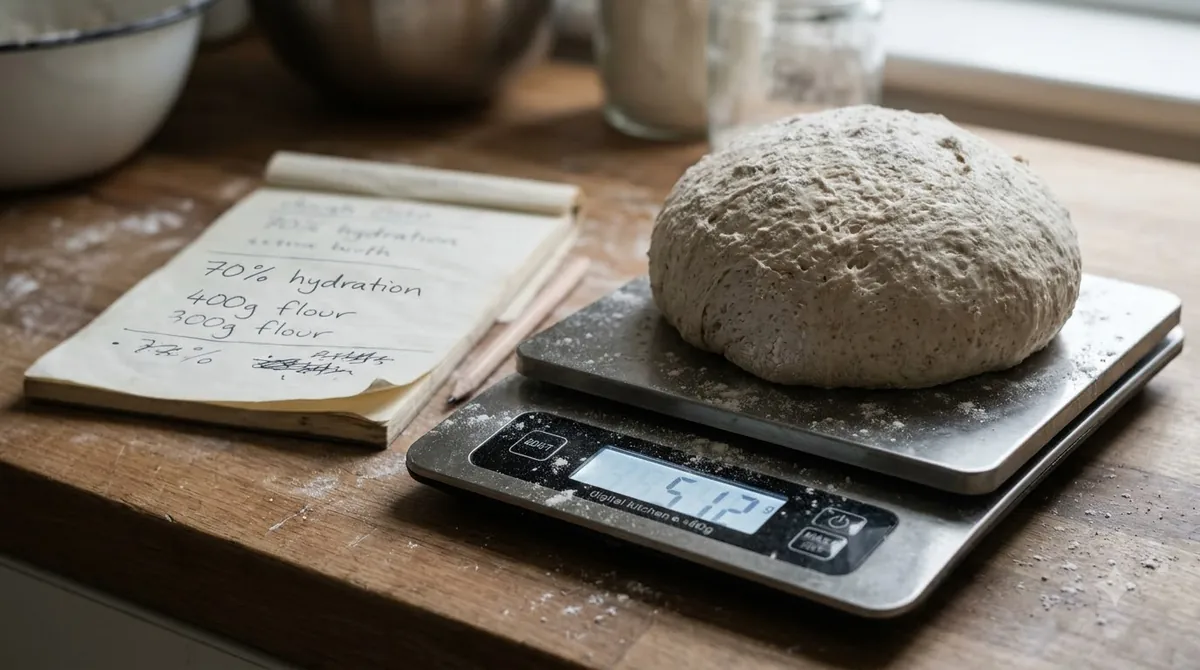

Best Food Processor for Pizza Dough by Batch Size
For most home pizza makers, the best food processor for pizza dough in this group is the Cuisinart Custom 14 Cup, because it combines a 14-cup bowl with a 720 W motor. Its bowl leaves room for a family-size batch, and the 720 W figure is the power number to compare against the other models in the table.
The Breville Sous Chef 16 is the upgrade pick, and the best food processor for pizza dough for people who knead large batches. America’s Test Kitchen reported that it produced smooth, elastic dough with no motor struggles, and its 16-cup bowl leaves room for a generous double batch. The motor wattage was not listed, so compare it with the 14-cup Cuisinart if power is your main concern. Retail listings for the 16-cup Sous Chef now carry the model number BFP810, so check that the specifications match the review before you order.
For power, the Magimix Compact 4200 XL offers a 950 W motor in a 14-cup main bowl, which makes it a strong candidate for the best food processor for pizza dough when kneading matters most. It kneaded dough well, although it did other food processing tasks less well, so it suits a cook who mainly makes dough and sauces.
The Cuisinart Pro Custom 11 is the smaller option at 11 cups and 625 W. It processed a double batch of pizza dough with 4 cups of flour, which makes it the best food processor for pizza dough for a household making two or three pizzas at a time.
The KitchenAid 13-Cup produced a smooth, elastic double batch of pizza dough, and its light base moved around the counter while kneading. The Ninja Professional XL, at 12 cups, took longer to mix than the recipe indicated but still came out well, so it works if you accept a slower mix.
Matching Bowl Size to Your Batch
Bowl size decides how much dough the best food processor for pizza dough can mix in one go, so match it to the number of pizzas you plan to make. In America’s Test Kitchen testing, the 11-cup Cuisinart Pro Custom 11 handled a double batch with 4 cups of flour, while the 9-cup KitchenAid could not accommodate a double batch at all. A single-pizza dough needs far less room than a double batch, so a smaller bowl can still be the right food processor for pizza dough if you only cook one or two pizzas a week.
If you host often or cook for a family, a 13-cup to 16-cup bowl gives you space for a double batch and a safety margin. The stall America’s Test Kitchen saw with the 9-cup model happened as a double batch finished, which is a reason to size up rather than squeeze a large batch into a small bowl. Measure your usual flour in cups before you buy, then add a little room for the dough to rise in the bowl.
Make Pizza Dough in a Food Processor
You can make a basic pizza dough in a food processor in about 3 minutes of processing time, following a method that uses 3 cups of flour and rests for about 1½ hours. Williams-Sonoma’s food processor recipe sets out the steps below, and the order of those steps matters for the result.
Pulsing the flour and salt first mixes the salt through the flour before any liquid goes in. Adding the yeast mixture slowly lets the flour absorb each addition, which helps the dough come together without a sticky patch. The recipe treats a ball that cleans the bowl sides as the signal to move on, with two 1-minute processing periods in total.
- Dissolve 1 Tbs active dry yeast and 1 tsp sugar in 1 cup warm water at 105 to 115°F, then wait about 5 minutes until foamy.
- Combine 3 cups all-purpose flour and 1 tsp salt in the processor with the dough blade, and pulse 3 or 4 times.
- With the motor running on dough speed, add the yeast mixture slowly, letting each addition absorb before the next.
- Add 2 Tbs extra-virgin olive oil, then process about 1 minute until the dough forms a ball that cleans the bowl sides, and process 1 minute more.
- Oil a large bowl, add the dough, cover it, and let it rise in a warm place until doubled, about 1½ hours.
The recipe page does not state a yield, but it says to divide the dough in half for pizza, which suggests two portions. Check the dough size against your pan or stone before you shape it. For hydration changes, the pizza dough hydration chart shows how water levels change the dough, and our guides to kneading pizza dough by hand cover the alternative.

Common Mistakes When Choosing a Processor
The most common mistake with the best food processor for pizza dough is buying a bowl too small for the batch you plan to make. America’s Test Kitchen found that the KitchenAid 9-Cup could not accommodate double batches of dough, and its motor stalled as the batch finished. That is a bowl-size problem, not a dough problem.
- Buying a 9-cup bowl for a family of pizza makers, which limits each batch.
- Ignoring the motor, since a weak motor can struggle with stiff dough.
- Expecting a food processor to handle very large or long kneading sessions the way a stand mixer can.
Some details are not confirmed by the sources used here. The wattage was not listed for the Breville Sous Chef 16, the KitchenAid 13-Cup or the Ninja Professional XL, and the Williams-Sonoma recipe does not state a dough yield. Check the manufacturer’s specification sheet for motor power, and weigh a test batch to confirm the yield before you buy the best food processor for pizza dough for a specific batch size.
Frequently Asked Questions
Can a food processor knead pizza dough?
Yes. Several models in America’s Test Kitchen testing produced smooth, elastic pizza dough, so a food processor can be the best food processor for pizza dough for a small household. Bowl size and motor power decide how large a batch you can make, so check those first.
Do I need a special dough blade?
The Williams-Sonoma recipe uses the dough blade for the mix, so check whether the best food processor for pizza dough you are considering includes one before you buy. The sources used here do not say how a standard blade compares, so check the model’s manual for the blade it recommends for dough.
Can a food processor replace a stand mixer for pizza dough?
For one or two pizzas, often yes, and a bowl-based model can be the best food processor for pizza dough for a small kitchen. A stand mixer is better for larger batches and longer kneading sessions because it runs for extended periods more comfortably. See how to make pizza dough in a stand mixer for that method, and the best spiral mixer for pizza dough guide if you outgrow a bowl-based machine.
How much flour can a food processor handle?
The Cuisinart Pro Custom 11 handled a double batch with 4 cups of flour in testing, which makes it a practical best food processor for pizza dough for smaller kitchens. Smaller bowls need smaller batches, so scale the recipe to fit the bowl.
How long should pizza dough rise after food processor mixing?
The Williams-Sonoma method rises about 1½ hours in an oiled, covered bowl until doubled. Rise time changes with room temperature, so the dough is ready when it has doubled in size.
For most home pizza makers, the Cuisinart Custom 14 Cup gives the best balance of bowl size and power, which makes it the best food processor for pizza dough in this comparison. If you regularly make large batches, the Breville Sous Chef 16 is worth the extra room. Measure your usual batch before you choose the best food processor for pizza dough for your kitchen, and pick a bowl that fits it with space to spare. More tools for dough and pizza night are in the Gear & Pantry guides.
 11 min readGear & PantryBest Yeast for Pizza Dough: How to Choose the Right TypeUpdated Nov 16, 2026
 9 min readGear & PantryBest Flour for Pizza Dough: How to Choose by Style and OvenUpdated Nov 16, 2026
 9 min readGear & PantryBest Food Mill: How to Choose the Right One in 2026Updated Nov 12, 2026
 8 min readGear & PantryBest Flour for Pasta: How to Choose by Dough TypeUpdated Nov 16, 2026
 9 min readGear & PantryHow to Use a Pizza Dough DockerUpdated Nov 11, 2026
 9 min readGear & PantryHow to Use a Pizza Dough RollerUpdated Nov 11, 2026