
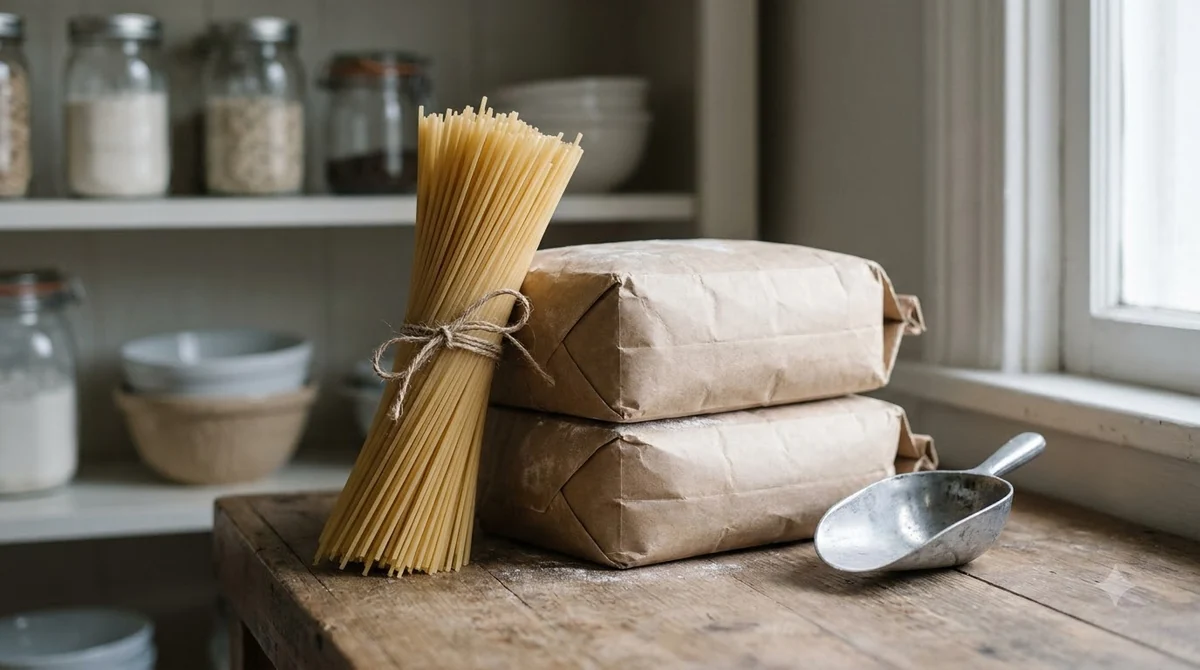

The best whole wheat pasta is a dried pasta made from whole wheat or whole durum flour, so the bran and germ stay in the milling. Choose the shape for your sauce first, then check the label wording before you buy.
Whole wheat pasta tastes nuttier and cooks to a firmer bite than refined semolina pasta. Pick a long strand, spiral or tube based on what you plan to serve.
| Pick | Best for | Key fact |
|---|---|---|
| Long strands (spaghetti, linguine) | Olive oil, garlic and light tomato sauces | Extruded through a die that sets the strand shape |
| Short spirals (fusilli, rotini) | Chunky vegetable, pesto and baked sauces | Grooves and spirals catch small pieces |
| Tubes (penne, rigatoni) | Meat ragu, cream sauces and baked dishes | The hollow centre holds sauce |
| Whole grain blends | Buyers who want a mix of grains | May contain barley, corn or quinoa, not only wheat |

Bionaturae Spaghetti Pasta Noodles
Pros & ConsViewHide
Reasons to buy
- Whole wheat spaghetti, a long strand that suits olive oil and light sauces
- Six 16 oz boxes in one order
- 4.6 average Amazon rating
Reasons to avoid
- Six boxes is a lot of pasta to store if you cook it rarely
- Fewer ratings than the mass-market brands

Barilla Whole Grain Rotini, 16 Ounce
Pros & ConsViewHide
Reasons to buy
- Whole grain rotini, a spiral that grips chunky and baked sauces
- Eight 16 oz boxes per case
- 4.6 average Amazon rating
Reasons to avoid
- Case size suits stocking up, not a first trial box
- Only a few dozen ratings so far

DeLallo Whole Wheat Spaghetti, 1 Pound Bag
Pros & ConsViewHide
Reasons to buy
- Organic whole wheat spaghetti imported from Italy
- Four 1 lb bags per order
- 4.5 average Amazon rating
Reasons to avoid
- Four bags is more than a single dinner needs
- Whole wheat spaghetti is coarser and nuttier than semolina
How We Chose the Best Whole Wheat Pasta
The best whole wheat pasta for your kitchen is the one that matches your sauce, because shape usually matters more than brand when you are pairing pasta with a dish. This page groups the picks by shape and does not rank brands from a personal taste test, and it does not invent prices or review scores. Each pick follows three checks drawn from sources you can read.
- Label wording: the flour should be whole wheat or whole durum wheat flour for a plain whole wheat claim.
- Shape and sauce fit: the shape should hold the sauce you plan to cook.
- Cooking guidance: the package time is the final guide for every shape, not a guess from the shape alone.

What Makes Pasta Whole Wheat
Whole wheat pasta is made from the entire wheat kernel, keeping the bran, germ and endosperm, which makes it nuttier and coarser than semolina pasta. The FDA’s draft guidance on whole grain label statements describes a whole grain as one whose bran, germ and endosperm are present in the same relative proportions as in the intact kernel. Check the FDA’s whole grain label statements page if you want the exact wording.
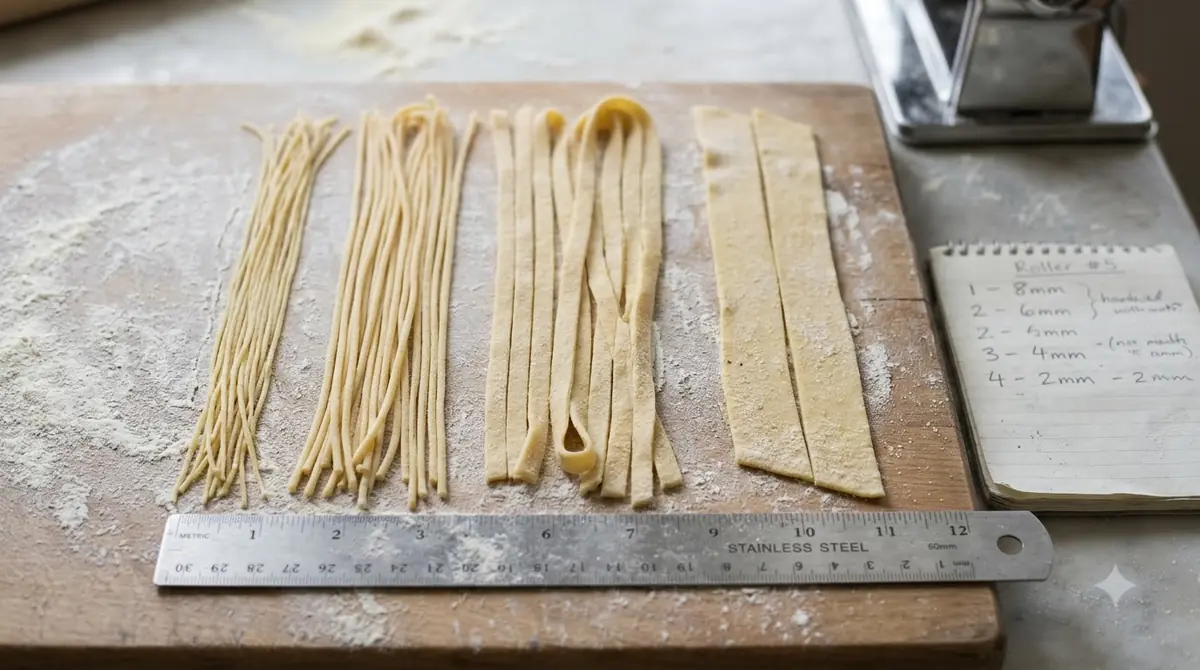
Whole wheat flour is the milled form of the whole kernel. The Wikipedia entry for whole wheat flour lists 12.2 g of dietary fiber and 13.70 g of protein per 100 g of whole-grain flour, but that is the flour, not a finished box of pasta. The box label gives the real figures for each product, so use it when you compare.
Durum wheat is the traditional wheat behind pasta. Wikipedia’s entry on pasta says pasta dough has been made mostly of wheat flour or semolina, with durum wheat used predominantly in the south of Italy. A whole durum flour version keeps the bran and germ that white semolina removes. Wikipedia’s durum entry gives about 12% total protein in defatted durum flour, compared with 11% in common wheat.
A whole wheat pasta is not always pure wheat. Some products are whole grain blends that can include barley, corn, quinoa, spelt, buckwheat, rice or rye, and some brands add fillers. The bran and germ give a nutty flavor and a slightly coarser surface that grips sauce well.
Most dried pasta, whole wheat or not, is made by extrusion: dough is pushed through a die, and the die’s shape sets the final pasta shape. That is why the best whole wheat pasta for one sauce can be a poor match for another, even when the flour is the same.
Long Strands: Whole Wheat Spaghetti and Linguine
Whole wheat spaghetti and linguine suit olive oil, garlic and light tomato sauces because a thin strand carries a light coating without pooling the sauce. The best whole wheat pasta in this shape should have a smooth surface that is still firm after the package time.
Spaghetti is the simplest choice for oil-based dishes, where the sauce is thin and needs to coat each strand. Linguine is a flatter strand that works well with pesto and seafood, where it holds small pieces of food along its width.
- Choose thin spaghetti for oil-based sauces such as aglio e olio.
- Choose linguine for seafood or pesto, where a flat strand holds sauce well.
- Toss with a spoonful of cooking water so the whole wheat strands cling without clumping.
If you cook for a simple dinner, a long strand is often the easiest place to start with the best whole wheat pasta. The sauce is light, the cooking is straightforward, and the nutty flavor of the bran and germ shows clearly in a dish with few ingredients.
Short Shapes: Whole Wheat Fusilli and Rotini
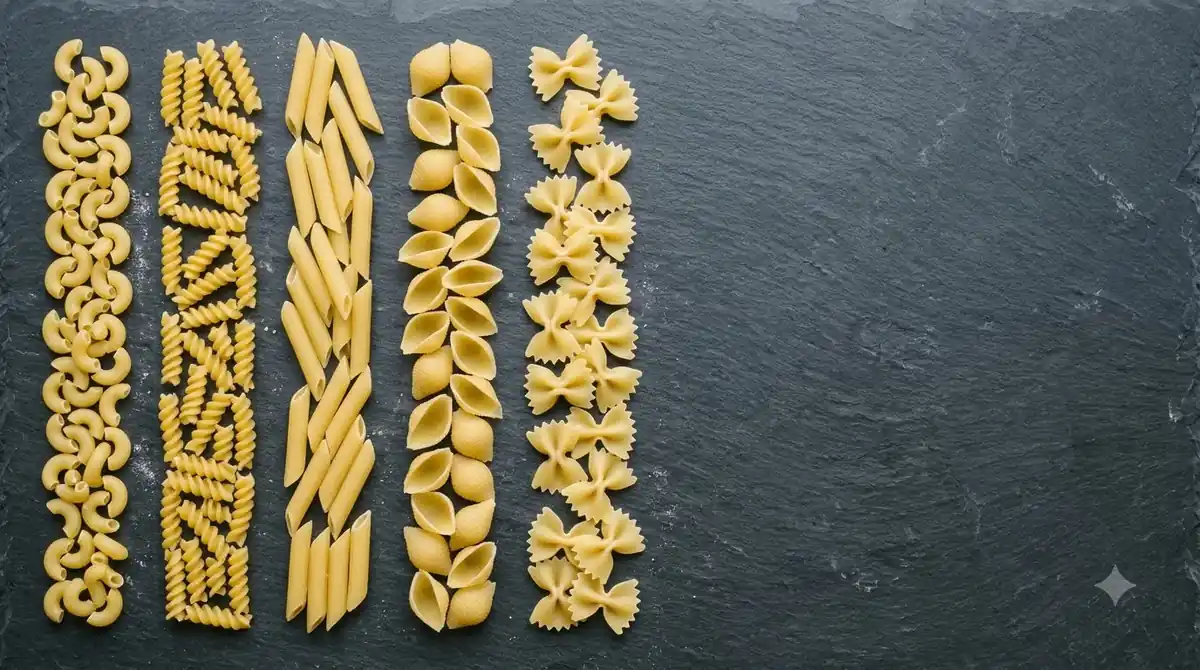
Whole wheat fusilli and rotini hold chunky vegetable, pesto and baked sauces because the spirals catch small pieces of food. A short spiral is a practical choice for a weeknight pot of pasta, since the sauce stays in the grooves instead of sliding to the bottom of the bowl.
For a baked dish, the best whole wheat pasta is usually a short shape that holds cheese and sauce in its grooves, such as fusilli or rotini. The spiral keeps small pieces of sausage or vegetable in each bite, so the dish does not separate on the plate.
Because the shape is set by the die, check the package for the exact cook time of the best whole wheat pasta you pick. Taste a piece near the end of the time on the box before you drain (see our guide to cooking pasta al dente), since no single cook time fits every brand.
Tubes: Whole Wheat Penne and Rigatoni
Whole wheat penne and rigatoni suit meat ragu, cream sauces and baked pasta because the hollow centre holds sauce and filling, which makes a tube one of the best whole wheat pasta shapes for a hearty dish. Rigatoni with ridges grips a thick sauce better than a smooth tube. See our penne vs rigatoni comparison for more on the two shapes.
- Use penne for cream and vodka sauces.
- Use rigatoni for meat ragu and baked dishes.
- Choose a ridged tube when the sauce is thick or chunky.
A smooth tube suits a thin cream sauce, while a ridged tube suits a thick ragu. Match the surface to the sauce and the best whole wheat pasta tube will coat evenly from the first forkful to the last.
How to Check a Whole Wheat Pasta Label
A whole wheat pasta label should name whole wheat flour or whole durum wheat flour as the flour. The FDA’s draft guidance says whole wheat macaroni products are made from whole wheat flour, whole durum wheat flour, or both, so that is the wording to look for.
- Read the first ingredient: it should be whole wheat or whole durum flour.
- Look for “whole grain” if you want a mix of grains, and read which grains are listed.
- Treat phrases like “made with whole wheat” as a cue to read the ingredient list, not as proof of a whole wheat product.
Reading the label is the fastest way to judge the best whole wheat pasta for your needs, because the box tells you what is inside before you cook it. Keep the ingredient list in view when you compare two boxes side by side, and check the nutrition panel for the fiber and calorie numbers of that exact product.
Common Mistakes With Whole Wheat Pasta
The most common mistake with the best whole wheat pasta is cooking it by feel instead of by the package time. Whole wheat can taste dense or gritty when it is undercooked, and soft when it is overcooked.
- Salting the water too little, so the pasta tastes flat.
- Draining too early and leaving the sauce thin.
- Assuming it is gluten-free, which it is not.
- Using a delicate sauce with a heavy shape, or a thick sauce with a thin strand.
Sauce fit is the mistake that most often makes the best whole wheat pasta taste wrong on the plate, even when the cooking time is correct. Pick the shape first, then the sauce, and your whole wheat pasta will carry the flavor you intended.
Frequently Asked Questions
Is whole wheat pasta gluten-free?
No. Whole wheat pasta contains wheat gluten, so it is not suitable for a gluten-free diet. Check the label of any product you buy before you choose the best whole wheat pasta for a gluten-free meal, since whole wheat is never a gluten-free choice.
Is whole wheat pasta healthier than regular pasta?
This page does not give a fiber or calorie figure for a finished box, because the sources read did not include one for pasta. Compare the nutrition panel on each box, since fiber and calories vary by product, and the best whole wheat pasta for a daily meal may differ from the one you pick for a special dinner.
What is the difference between whole wheat and whole grain pasta?
Whole wheat pasta is made from wheat flour only. Whole grain pasta can mix in barley, corn, quinoa or other grains, so read the ingredient list.
Does whole wheat pasta taste different?
Yes. The bran and germ add a nutty flavor and a slightly coarser texture than refined semolina pasta, which pairs well with hearty sauces, so the best whole wheat pasta for a rich ragu is often a ridged tube.
Can I use whole wheat pasta in any recipe?
Most recipes work with the best whole wheat pasta, especially ones with bold sauces. Follow the cook time on the package and taste before draining, since the cook time differs by shape and brand.
The best whole wheat pasta for your table is the one that matches your sauce and passes the label check. If you want a shape for a specific sauce, start with the shape and then check the flour on the label. For a related topic, see whole wheat pizza dough, which uses the same flour logic.
 8 min readGear & PantryBest Canned Tomatoes: How to Choose Whole, Crushed or DicedUpdated Nov 17, 2026
 10 min readGear & PantryIs De Cecco Pasta Good? A Review of Taste, Texture and QualityUpdated Nov 10, 2026
 8 min readGear & PantryRummo Pasta Review: Bronze-Cut Texture, Price and Who Should BuyUpdated Nov 8, 2026
 8 min readGear & PantryBest Flour for Pasta: How to Choose by Dough TypeUpdated Nov 16, 2026
 8 min readGear & PantryBest Pasta Cutter Wheel Types for Home CooksUpdated Nov 10, 2026
 8 min readGear & PantryPasta Cutter Guide: 3 Types, Blades and How to Use OneUpdated Nov 10, 2026