
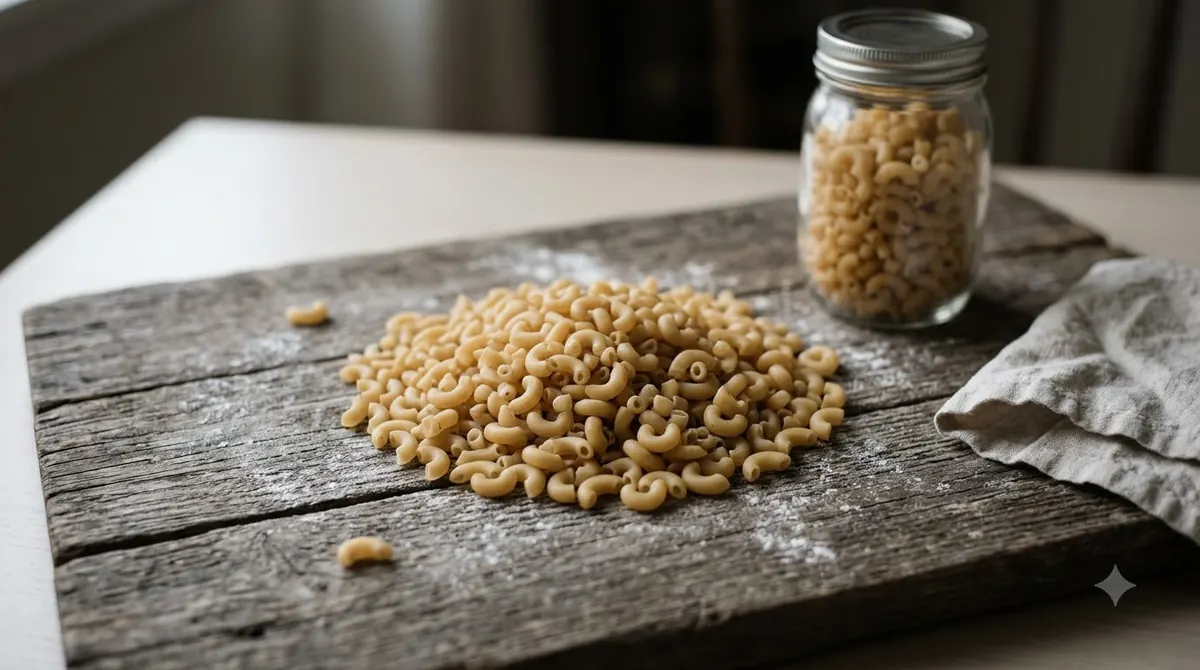

Chifferi pasta is a short, elbow-shaped tube pasta that belongs to the same family as elbow macaroni. Cooks use it with bean, tuna and tomato sauces and in soups. The exact cooking time is printed on the package, so check it before you start.
This guide covers the shape, where the name comes from, how chifferi compares with elbow macaroni, how to cook it and one bean and tuna recipe from a published source. Details we could not confirm are listed separately so you can check them yourself.
What Chifferi Pasta Looks Like
Chifferi pasta is a short elbow tube. Wikipedia’s macaroni entry notes that macaroni is made with durum wheat and is usually produced commercially by large-scale extrusion, the same family of method used for most dried elbows.
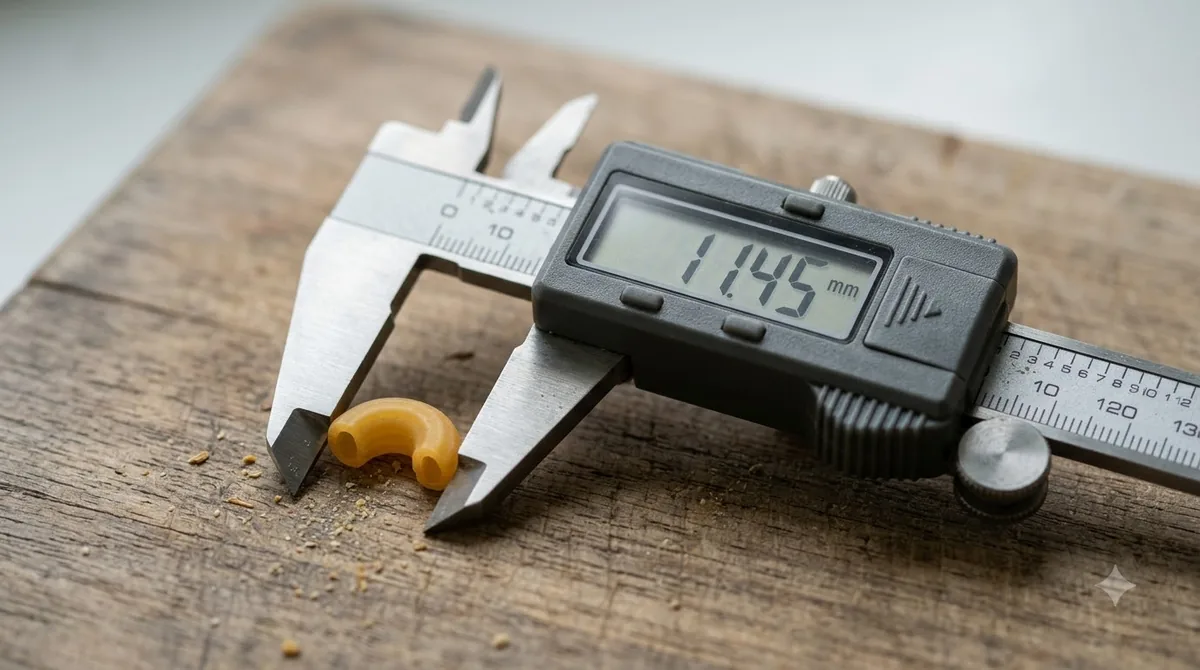
The Pasta Project describes chifferi as a short, elbow-shaped pasta and calls it a type of elbow macaroni or gomiti pasta. Its recipe lists gomiti, chifferi or pipette as interchangeable elbow options, so a shop may label the same tube under different names. The Pasta Project’s chifferi recipe is the source for that description.
The same macaroni entry (see also our macaroni pasta guide) groups chifferi with lumache, lumaconi, pipe and pipette as elbow-shaped pastas that are similar to macaroni in North American culture. It also explains that the curve comes from extruding the two sides of the tube at different speeds, which is why an elbow bends rather than runs straight.
Product listings and glossaries also mention ridged and smooth versions of chifferi. We did not confirm that from a manufacturer page, so read the label on the bag before you buy.
Where the Name Comes From
The name is often linked to the kipferl, a crescent-shaped Austrian roll, but that link comes from a manufacturer’s account that we did not confirm.
According to Wikipedia’s entry on the kipferl, the roll is a yeast bread rolled into a crescent and was recorded in Vienna as chipfen by 1227. It is made from plain bread-style dough rather than pasta dough, so the shape is the only common feature between the two.
Pasta names often come from local dialect or from a producer’s own catalogue, so a name story from one brand should be read as that brand’s account rather than an established history.
Chifferi vs Elbow Macaroni
Chifferi and elbow macaroni are both short curved tubes, so the choice is mostly about the label, the brand and the sauce you plan to make.
| Feature | Chifferi pasta | Elbow macaroni |
|---|---|---|
| Shape | Short elbow tube | Short curved tube |
| Family | Listed with lumache, lumaconi, pipe and pipette | The base elbow pasta in the group |
| Dough | Durum wheat and water in most dried versions; check the label | Durum wheat |
| Other names | Some brands use chifferini | Named differently by region and brand |
| Common use | Chunky bean and tuna sauce in the recipe below | Baked macaroni and cheese, cold salads |
| Cooking time | Follow the package | Follow the package |
The table shows how much the two shapes overlap. Where a recipe calls for elbow macaroni, chifferi is often a reasonable swap, but brands differ in size and cooking time, so for chifferi pasta the package is the final guide.
When you compare boxes in a shop, look at the length and the diameter printed on the label, because a short tube and a longer curved tube behave differently in a sauce and in a salad.
How to Cook Chifferi Pasta
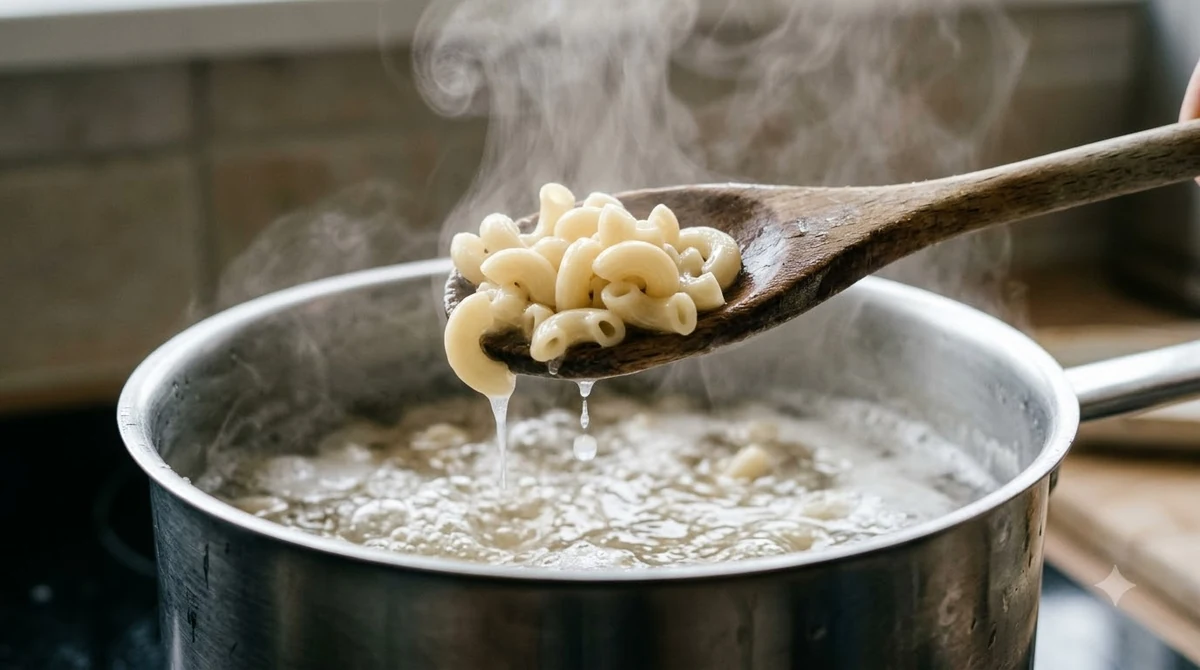
Cook chifferi in a large pot of boiling salted water until al dente, following the packet time, then drain it and add it to the sauce while it is still hot.
- Fill a large pot with water and bring it to a rolling boil. A large pot gives the pieces room to move so they do not stick together.
- Salt the water. The Pasta Project does not give an amount, so season to taste.
- Add the chifferi and stir once or twice in the first minute to separate the pieces.
- Cook for the time on the package, and taste a piece near the end of that time. Choose the texture you like, with a slight bite if the pasta will be cooked again in the sauce, as described in our guide to cooking pasta al dente.
- Drain the pasta and toss it with the sauce right away, while both are hot, so the sauce coats the tubes.
Keep the package in view while you cook chifferi pasta. Recipe sites often give a fixed time, but the time printed by the maker reflects that specific product and is the better guide.
A Simple Chifferi Pasta Recipe With Beans and Tuna
This recipe for four uses 400 g of chifferi with cannellini beans, tuna and tomato concentrate, and takes about 30 minutes of active time, not counting bean soaking and cooking.
The recipe comes from The Pasta Project, which labels it Central Italian. The author notes that beans are a staple in central Italy, while tuna pastas further south more often use olives, tomatoes and capers.
Ingredients for four servings
- 400 g (14 oz) chifferi, gomiti or pipette
- 200 g (7 oz) dried cannellini beans, or one can of cooked beans
- 120 g (4 oz) canned tuna, preferably in olive oil
- 1 white onion, thinly sliced
- 4 tablespoons tomato concentrate
- 1 garlic clove
- 1 to 2 anchovy fillets or 1 teaspoon anchovy paste
- 1 red chili, deseeded and finely chopped
- 1 bay leaf
- 1 handful fresh parsley, chopped
- 2 to 3 tablespoons extra virgin olive oil
- Salt and black pepper to taste
Method
- Soak the dried beans overnight, then simmer them over low heat. The recipe’s steps give about 60 minutes, while its body text says about 90 minutes, so taste the beans and check the package.
- Soften the onion, garlic, chili and anchovy in the olive oil, then stir in the tomato concentrate and bay leaf.
- Add the tuna and the beans with their cooking water, or vegetable stock if you used canned beans. Cook covered on low heat for about 10 minutes.
- Cook the chifferi in boiling salted water until al dente, following the packet time.
- Toss the drained pasta with the sauce, then finish with the parsley and black pepper.
If you like tuna with short pasta, our tuna pasta recipe is a lighter lemon and garlic option. Use a spoonful of the bean cooking water to loosen the sauce if it looks tight. The water carries starch from the beans, which helps the sauce cling to the pasta.
Choosing Sauces and Avoiding Common Mistakes
Chunky sauces with beans, vegetables or tuna suit short tubes like chifferi pasta, while very thin sauces tend to run off the pasta and collect in the bottom of the bowl.
- Chunky sauces with beans or tomato pieces cling to the outside of the tubes and fill the hollow centers.
- Thin, watery sauces pool at the bottom of the bowl. Simmer them a little longer or add a splash of the pasta water.
- Overcooked short tubes turn soft and mushy. Taste early and drain once the pasta has a slight bite.
- Salting a sauce heavily before the pasta goes in can make the finished dish too salty, so season in stages.
These points are general cooking advice rather than results from a published study, so treat them as a starting point and adjust to your taste.
What Is Not Verified and How to Check It
We did not confirm the ridged or smooth versions, the manufacturer’s name story, or a single bean cooking time from a manufacturer page, so check these details yourself before you cook chifferi pasta at home.
- Check the label for the shape name, such as rigati (ridged) or lisce (smooth), and the printed cooking time.
- Check the bean package for soaking and cooking time, since the recipe source gives two different figures.
- If you want the name history, read the brand’s own product page or ask the producer directly.
- If a package time differs from a recipe, follow the package and adjust the sauce to match.
Frequently Asked Questions
Is chifferi pasta the same as elbow macaroni?
Chifferi is a short elbow tube, and The Pasta Project calls it a type of elbow macaroni. Brands may label the same shape differently, so the package details matter more than the name.
Can I use elbow macaroni instead of chifferi?
Often yes, because both are short curved tubes. Use the cooking time printed on the package you actually bought, since sizes and brands vary.
How long should I cook chifferi pasta?
Follow the packet time and taste near the end. The recipe source says to cook in boiling salted water until al dente and gives no fixed minutes for the pasta itself.
Does chifferi pasta come in ridged and smooth versions?
Some product listings mention ridged (rigati) and smooth (lisce) versions. We did not confirm this from a manufacturer page, so check the label on the bag.
Can I use chifferi pasta in soup?
Short tubes like chifferi pasta are easy to eat with a spoon. Add them near the end of cooking so they keep some bite, and check the package for the time. A classic bean soup such as pasta e fagioli shows how short pasta behaves in a spoonable dish.
For a short tube that holds chunky sauces, chifferi pasta is a practical choice. Read the package for timing, then use the bean and tuna recipe as a starting point for a simple weeknight dinner.
 7 min readLearnLasagnette Pasta: Shape, Uses and Cooking TipsUpdated Nov 11, 2026
 8 min readLearnManicotti Pasta: Shape, Size, Cooking Times and SubstitutesUpdated Nov 10, 2026
 8 min readLearnCasarecce Pasta: Simple Guide to Shape, Sauce and CookingUpdated Nov 10, 2026
 8 min readLearnSpaghetti alla Chitarra: Shape, Sauces and Cooking Time ExplainedUpdated Nov 10, 2026
 6 min readLearnTrofie vs Fusilli: Shape, Sauce and Cooking DifferencesUpdated Nov 13, 2026
 8 min readLearnTortellini vs Ravioli: Shape, Filling and Cooking ComparedUpdated Nov 12, 2026