
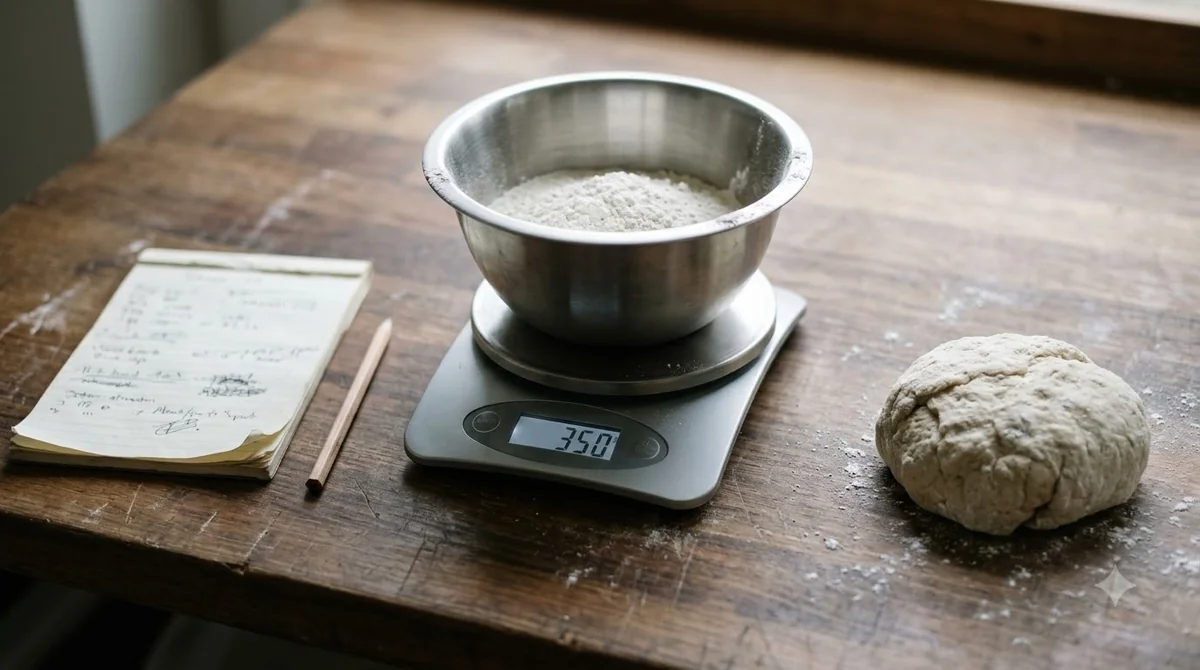

Diastatic malt powder in pizza dough is malted barley flour with active enzymes that turn some starch into sugar and help the crust brown. Use only a small amount, usually 0.2 to 1 percent of flour weight, because too much causes over-fermented dough and a burnt, sour crust.
Diastatic Malt Powder in Pizza Dough: Why Bakers Use It
Diastatic malt powder in pizza dough adds active enzymes that break some flour starch into simpler sugars, and those sugars caramelize in the oven to brown the crust.
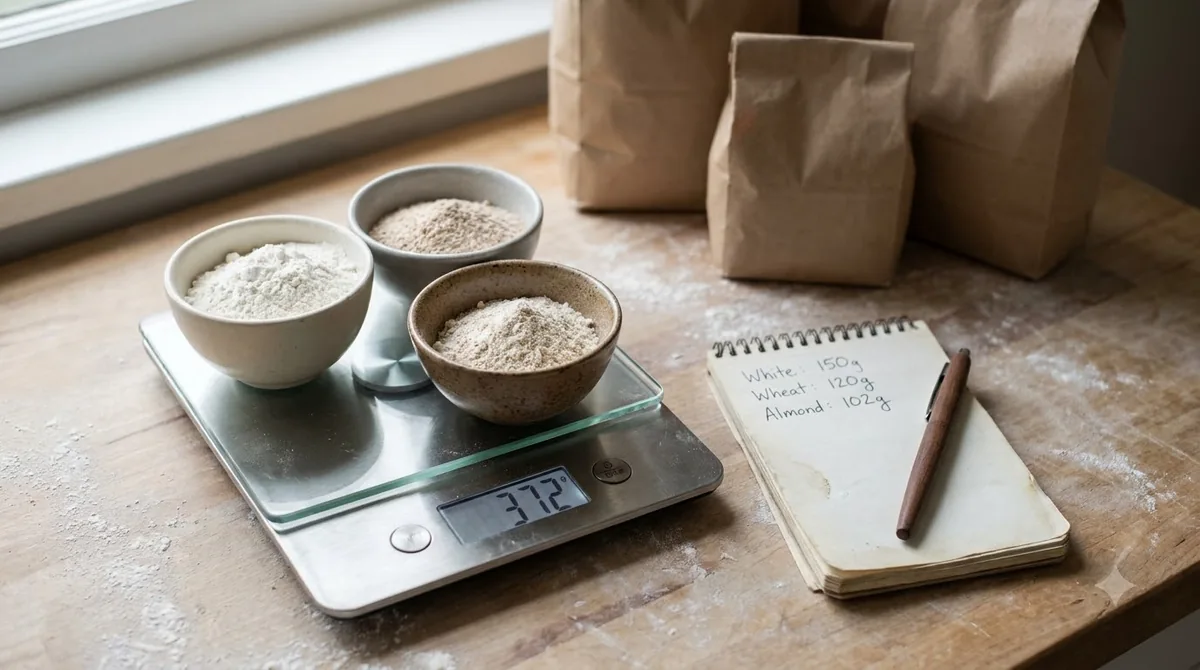
Malt whose enzymes remain active is called diastatic malt. Malting grain develops alpha-amylase and beta-amylase, which modify starch and convert it into sugars such as glucose and maltose, according to Wikipedia’s malt article.
In their baking article, Safia Abali and Pieter Städler note that the extra sugars caramelize during baking and give pizza a deeper brown color. For most bakers, diastatic malt powder in pizza dough therefore does two jobs: it supplies enzyme activity and it adds the sugar that browns the crust.
How Much Diastatic Malt Powder to Use in Pizza Dough
Supplier guidance puts diastatic malt powder in pizza dough at 0.2 to 1 percent of flour weight, and one published home recipe uses about 0.6 percent.
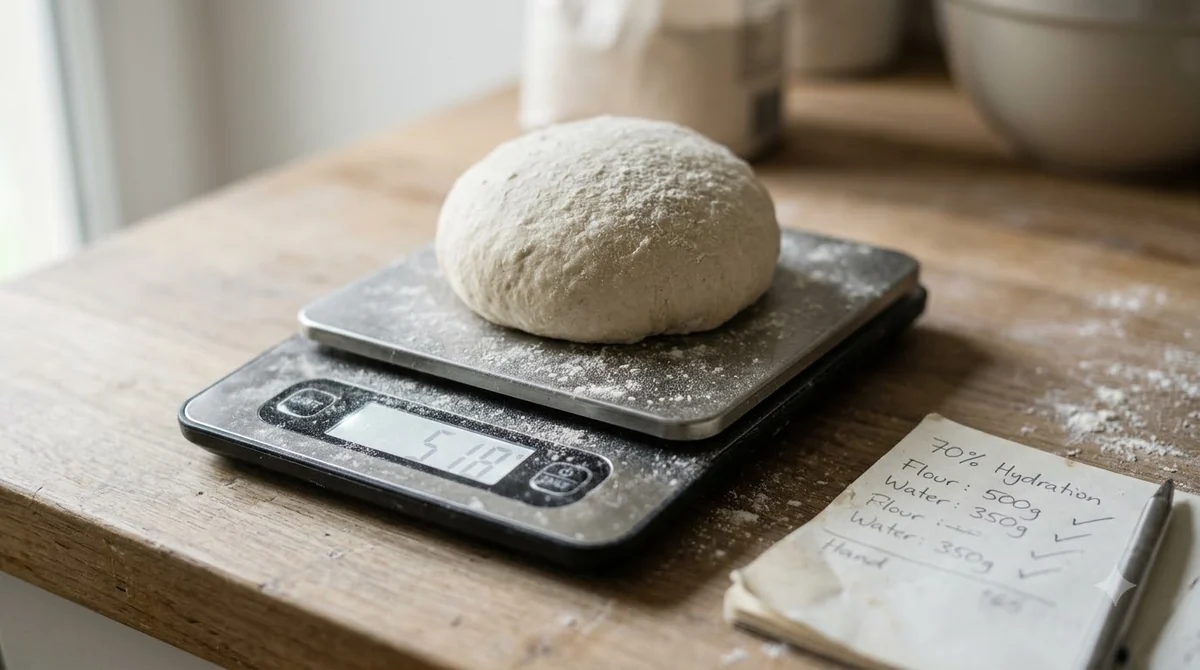
According to LAPA’s dosage guide, a supplier of Italian food, the starting point for pizza is 0.3 percent of flour weight, or 3 g per kg of flour. The same guide gives 0.2 to 0.5 percent for Neapolitan dough fermented 24 to 48 hours, and 0.3 to 0.7 percent for high-hydration pan pizza (see our guide to high hydration pizza dough).
| Dough style | Percent of flour weight | Grams per kg of flour |
|---|---|---|
| Starting point for pizza | 0.3% | 3 g |
| Neapolitan, 24 to 48 hour ferment | 0.2 to 0.5% | 2 to 5 g |
| Pan pizza, high hydration | 0.3 to 0.7% | 3 to 7 g |
| Very long ferment, 48 to 72 hours | 0.2 to 0.3% | 2 to 3 g |
| Home New York-style recipe (5 g in 788 g flour) | About 0.6% | About 6 g |
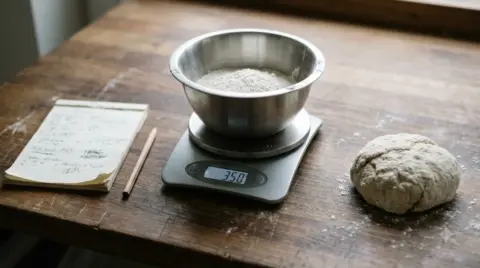
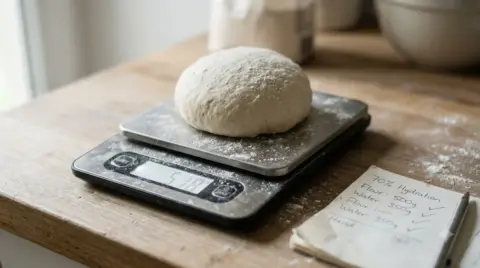
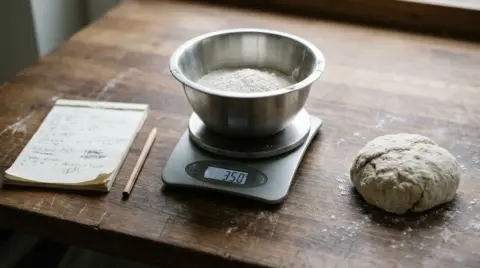
Use the amount printed on the packaging, because Stadler’s article says less is more. Weigh the malt rather than measuring it by spoon, since the home recipe on margotspizza.com uses only 5 grams of diastatic malt for 788 grams of bread flour.
When Diastatic Malt Helps and When to Skip It
Diastatic malt helps most in a home oven, which runs cooler, and is not recommended for very hot Neapolitan baking, where the crust can burn.
In Stadler’s baking article, the authors say the malt is beneficial at lower temperatures, such as a home oven. They advise against it for high-temperature Neapolitan baking because the crust burns at excessive temperatures.
- Good fit: a home oven that runs cooler, where the extra sugars help the crust brown.
- Skip it: very hot Neapolitan baking, where the crust can burn.
- Check the flour label: Stadler’s article describes diastatic malt as used with unmalted flour, so check whether your flour already lists malted barley before you add more.
- Going above the packaging amount without a reason.
- Ignoring the ferment length. LAPA says a 48 to 72 hour ferment can stay at 0.2 to 0.3 percent, because the enzymes have more time to work.
- Baking at very high heat, where browning can turn into burning.
- Using nondiastatic malt and expecting enzyme activity from it.
- Measuring by spoon. At 3 to 5 grams per batch, a small error changes the dose a lot.
- Weigh the flour (a pizza dough calculator helps with the math), then calculate the malt. For pizza, LAPA’s starting point is 3 g per kg of flour.
- Weigh the diastatic malt powder separately, for example 5 g for 788 g of bread flour as in the home recipe.
- Mix the malt with the other ingredients and follow your recipe for water, yeast and salt.
- Ferment the dough cold for 48 hours in a covered container, then portion it and refrigerate the balls for 24 more hours (our guide to cold ferment pizza dough explains the method).
- Take the dough out about two hours before baking so it comes to room temperature.
Think of the choice as a question about your oven first and your dough second. If your oven runs cool, a small dose of diastatic malt powder in pizza dough is easier to justify. If it runs very hot, the browning can outpace the bake, so leave it out or test a very small amount. Our Neapolitan pizza dough recipe shows a home-oven version of that style.
Diastatic Malt Powder vs Nondiastatic Malt
Diastatic malt keeps active enzymes, while nondiastatic malt has its enzymes deactivated by heat and mainly adds flavor and color.
Wikipedia’s malt article explains that heating the malt deactivates its enzymes. Specialty malts have little diastatic power but supply flavor, color or body.
| Feature | Diastatic malt | Nondiastatic malt |
|---|---|---|
| Enzyme activity | Active, converts starch into sugar | Inactive, deactivated by heat |
| Main role in dough | Enzyme activity and browning from extra sugars | Flavor, color and body |
Do not swap one for the other. Nondiastatic malt adds flavor and color, but it does not supply the enzyme activity that diastatic malt powder in pizza dough is meant to provide.
Common Mistakes With Diastatic Malt Powder
The most common mistake is adding too much, which over-ferments the dough and leaves a crust that is burnt and sour.
Stadler’s article warns that too much diastatic malt powder in pizza dough can cause over-fermented dough, a burnt crust and an unpleasantly sour taste. Watch for these errors when you bake with it.
How to Add Diastatic Malt Powder to Your Dough
When you use diastatic malt powder in pizza dough, weigh the malt on a gram scale, mix it with the other ingredients, then cold ferment the dough as the published home recipe does.
Change one variable at a time when you test a new dose, so you can tell whether the malt or the oven changed the color or texture.
Frequently Asked Questions
Is diastatic malt powder necessary in pizza dough?
No. Diastatic malt powder in pizza dough is optional, and pizza dough works without it. The malt mainly adds enzyme activity and extra sugars that help the crust brown, so a dough without it usually bakes paler. Use it when you want more browning in a home oven, and skip it when your oven runs very hot.
Can I use nondiastatic malt instead?
Not for enzyme activity. Nondiastatic malt has inactive enzymes because heat deactivates them, so it adds mainly flavor, color and body. Wikipedia’s malt article makes this distinction clear.
How much diastatic malt powder per kilogram of flour?
For diastatic malt powder in pizza dough, LAPA suggests starting at 0.3 percent of flour weight, about 3 g per kg, and gives a pizzeria range of 0.2 to 1 percent. Stay near the low end for long ferments of 48 to 72 hours, and follow the packaging amount if it is printed on the package.
Does it work in Neapolitan dough?
Stadler’s baking article does not recommend diastatic malt powder in pizza dough for very high-temperature Neapolitan baking, because the crust burns at excessive temperatures. If you bake Neapolitan style in a very hot oven, leave diastatic malt out or test a very small dose first.
Does diastatic malt powder speed up fermentation?
It can. Enzyme activity converts starch into sugar, which gives the yeast more to work on, but the sources checked here do not put a number on any change in speed. Check the dough by eye and feel, and do not shorten the recipe’s timings on the assumption that it rises faster.
Why did my crust burn after I added diastatic malt?
The malt sugars caramelize quickly, so very high oven heat or too much malt can burn the crust. Reduce the amount of diastatic malt powder in pizza dough, check your oven temperature and watch the crust color in the final minutes of baking.
Start with about 3 grams per kilogram of flour, weigh it on a gram scale, and follow the amount on the package. Adjust in small steps based on crust color and texture, and skip diastatic malt powder in pizza dough when your oven runs very hot.
 7 min readLearnDoes Pizza Dough Need Sugar? What It Does and How Much to UseUpdated Nov 11, 2026
 9 min readLearnPizza Dough Without Yeast: A Baking Powder Recipe for One 12-Inch CrustUpdated Nov 10, 2026
 10 min readLearnHow Long Does Pizza Dough Last in the Fridge?Updated Nov 10, 2026
 8 min readLearn70 Hydration Pizza Dough Recipe: What 70% Water Does to Your CrustUpdated Nov 10, 2026
 10 min readLearnHow Much Yeast for Pizza Dough: A Simple GuideUpdated Nov 10, 2026
 8 min readLearnHow Much Salt in Pizza Dough? A Simple GuideUpdated Nov 10, 2026