
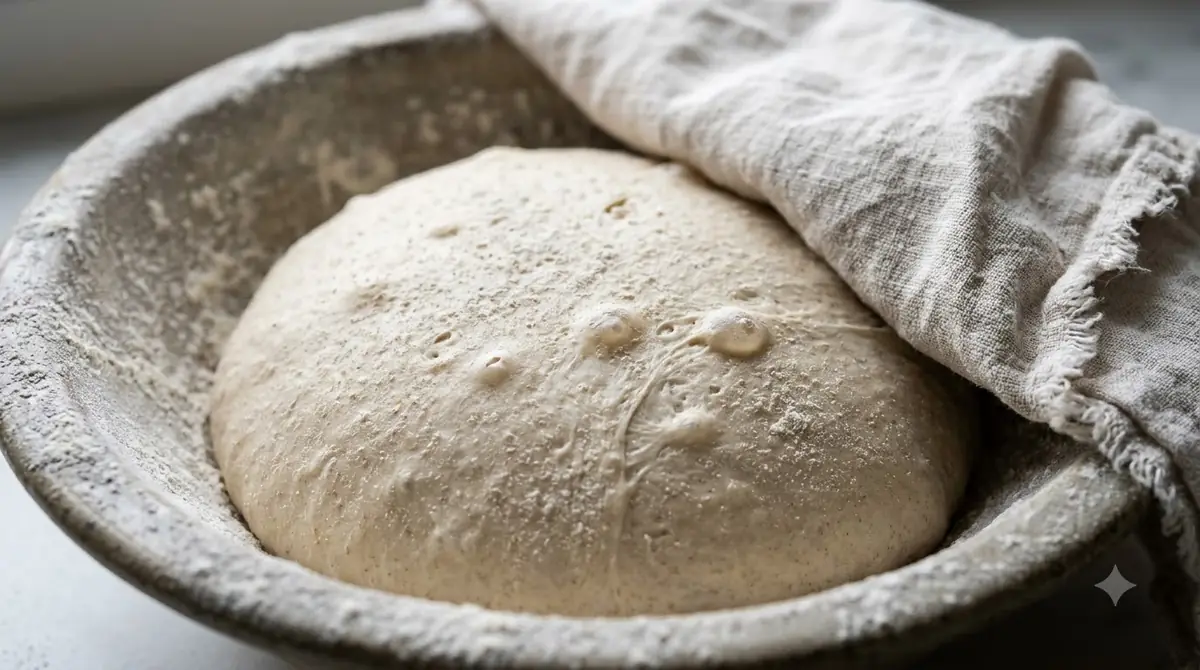

How long pizza dough lasts in the fridge depends mostly on the recipe and how well the dough is stored. Home dough usually keeps for a few days when it is covered and cold, but the exact window varies from one dough to another, so the dough’s look and smell are the best guide.
Asking how long does pizza dough last in the fridge is the right first question, and the answer depends on the steps below. For one tested home recipe, the answer is up to 24 hours after a short rise. Keep the dough sealed from air and at a steady cold temperature. If it smells sour or alcoholic, shows any mould, or turns grey or slimy, throw it out rather than testing it.
How long does pizza dough last in the fridge?
Pizza dough usually keeps a few days in a cold refrigerator. That is a general range, not a fixed rule, because the recipe, the yeast amount and the storage method all change the result.
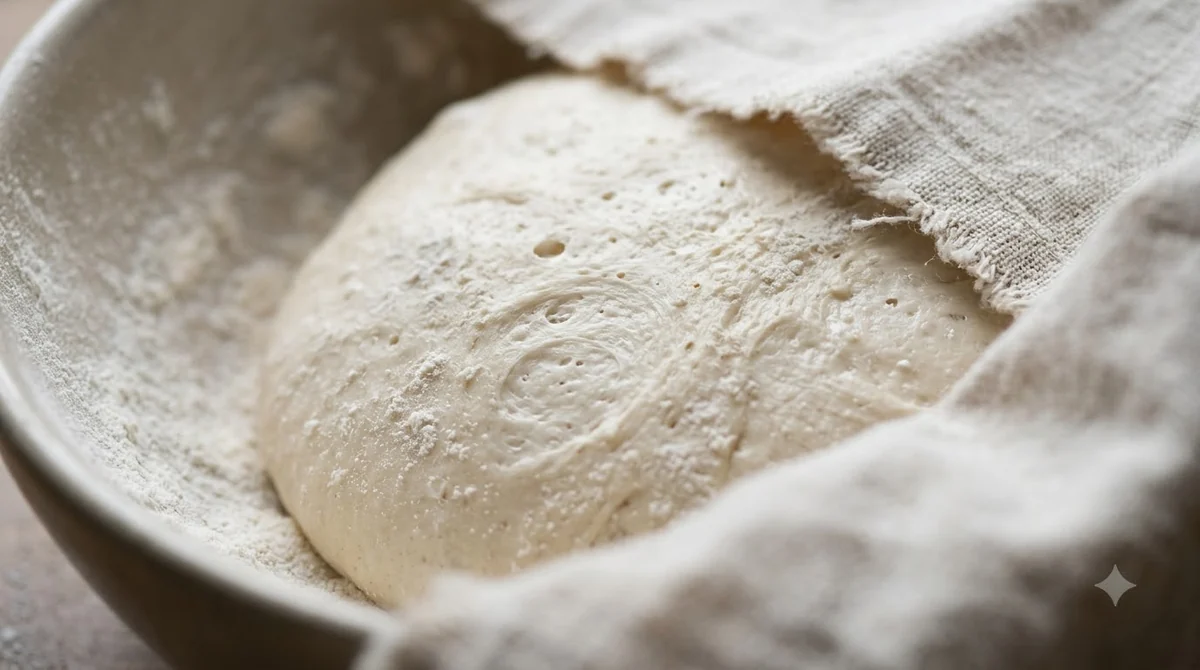
King Arthur’s pizza crust recipe is a useful anchor. It lets the dough rise for 45 minutes at room temperature, then chills it for 4 hours, or for up to 24 hours. Figures like that help with planning, but they assume a fridge that holds a steady temperature and a dough that was mixed and shaped correctly. A fridge door that opens often, or a dough left uncovered, can shorten the time.
So how long does pizza dough last in the fridge beyond that one tested window? Doughs with less yeast or a cold-water mix may hold longer, but this guide does not confirm a specific number of days for them. Check the storage guidance in your own recipe, and rely on the spoilage signs later in this guide when the calendar and the dough disagree. For a deeper look at planned rests, see our guide to cold fermenting pizza dough.
What changes how long pizza dough keeps
Not every dough behaves the same way in the cold. Four ingredients and habits matter most when you ask how long does pizza dough last in the fridge.
- Yeast: More yeast makes dough rise and age faster. A dough with less yeast tends to hold its structure longer in the fridge, because the yeast works more slowly.
- Flour: Stronger flour builds a more elastic gluten network that holds gas better. Weaker flour can slacken sooner, so the dough may feel loose and sticky before its window ends.
- Salt: Salt slows fermentation and firms the gluten, which helps the dough keep its shape while it chills.
- Oil and water temperature: A light coat of oil keeps the surface from drying. Warm water and a warm first rise speed up the yeast, which leaves less time before the dough peaks.
A dough made with plenty of yeast and warm water will need to be used sooner than one made with cold water and a modest amount of yeast. Each of those factors changes the answer to how long does pizza dough last in the fridge, so match the advice to your own recipe. Flour choice matters too, and our guide to the best flour for pizza dough explains the options.
How to store pizza dough in the fridge
Wrap or cover the dough so the surface cannot dry, leave room for it to grow, and label it with the date. These steps matter more than any single number of days, and good storage is the part you control when you ask how long does pizza dough last in the fridge.
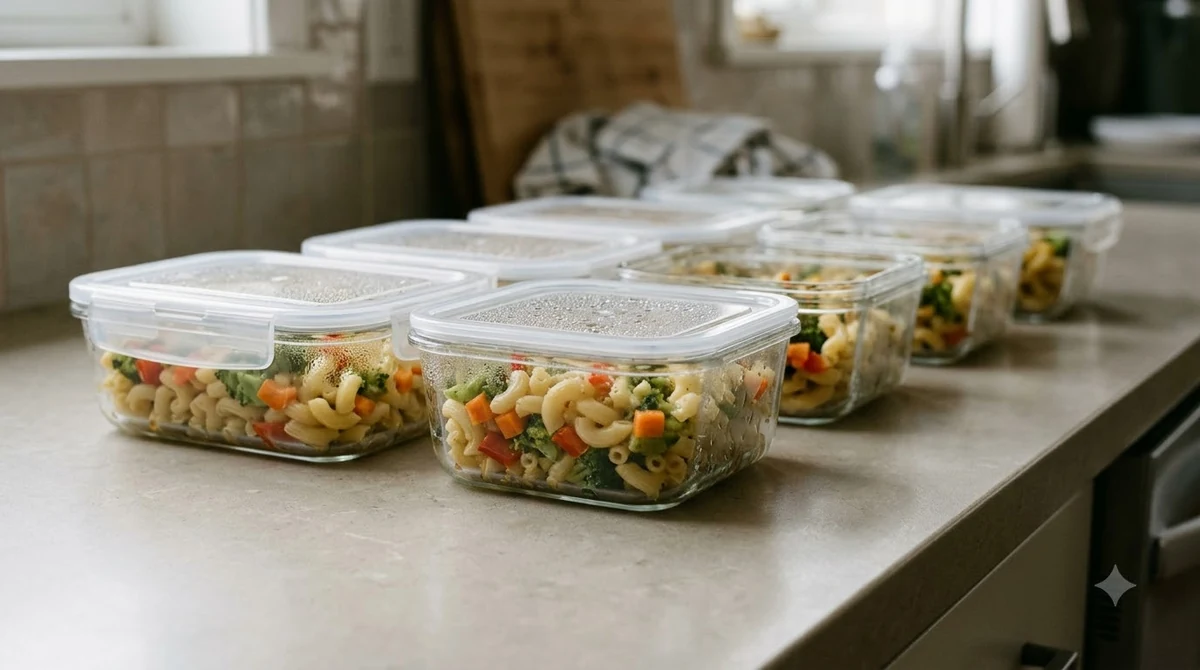
- Shape the dough into a smooth ball and press out large air pockets so the structure stays even.
- Lightly oil the ball and the container so the dough does not stick and the skin stays soft.
- Place the ball in a covered container or a sealed bag, with enough room for it to expand a little. A slightly oversized container is better than a tight one.
- Write the date and the recipe name on the lid or bag.
- Store it on a shelf rather than the door, where the temperature stays steadier.
A covered dough ball keeps a soft, supple skin, which is the first step to getting the most from the days you have in the fridge. If it sits uncovered, the outside dries during the fermentation and can form a tough layer that tears when you stretch it, which makes the crust harder to shape.

Cold fermentation versus short-term storage
People often mix up two different methods. Cold fermentation is planned: the dough goes into the fridge after its first rise so flavour develops slowly over the rest. Short-term storage simply holds a dough you made recently when you cannot bake it right away.
| Situation | Main goal | What to watch |
|---|---|---|
| Cold fermentation | Deeper flavour and easier handling | The dough should rise slowly and look airy |
| Short-term storage | Hold a fresh dough until baking | The surface stays soft and the smell stays clean |
| Dough with extra yeast | Faster rise and a shorter window | Check it sooner than the recipe suggests |
| Dough made with warm water | Quick first rise | It often needs to be used earlier |
Cold fermentation is a planned rest, so the question how long does pizza dough last in the fridge becomes a question of timing. Use the table to decide which method you are using, then read the signs of spoilage instead of relying only on the calendar.
Signs that pizza dough has gone bad
Discard dough that shows clear spoilage. Mould is always a reason to throw it away, and so is a sour or rancid smell that is stronger than the normal yeasty smell of fresh dough.
- Visible mould in any colour, including fuzzy spots on the surface.
- Grey, pink or dark patches, or a slimy feel when you touch it.
- A strong sour, alcoholic or rotten smell.
- Dough that has collapsed, will not rise at all and turns watery.
The signs matter more than the calendar when you ask how long does pizza dough last in the fridge. Dough that is only past its best is different. It may be slack, sticky or slow to rise, yet still look and smell normal. If you are unsure, do not taste it to test it. Discard it instead.
Freezing dough when you need more time
If you need more time than the fridge allows, freezing is the more reliable choice. Dough that has already used up its fridge time is better frozen early than saved for a late bake. Portion the dough into balls before freezing so you can thaw only what you need for each bake.
Wrap each ball well in a freezer bag or container, press out the air, and mark the date. Thaw frozen dough slowly in the fridge, then move it to room temperature for a short rest before shaping. Thawing on the counter or in a warm room speeds up the yeast and can leave the dough sticky and over-proofed.
Freezing does not reverse the work the yeast has already done, so frozen dough can taste less lively than fresh dough. Check the rise after thawing before you shape it. If it feels slack and sticky, our guide to fixing sticky pizza dough covers the usual causes.
Using dough that has been in the fridge
Cold dough takes longer to rise and feels stiff, which is normal for dough that has been in the fridge. Take it out in time for it to warm toward room temperature, and expect a slower second rise than you saw on the first day.
- Remove the dough from the fridge and keep it covered on the counter. King Arthur’s make-ahead method takes the dough out 2 to 3 hours before baking.
- Wait until it feels soft and loose rather than firm.
- Dust the work surface lightly with flour or semolina so the dough does not stick.
- Stretch gently from the centre outward, because cold dough tears more easily at the edges.
- Bake once the edge looks puffy and the dough stretches without snapping back hard.
If the dough still looks dense and tight after a long rest, it may simply be underproofed rather than spoiled, so give it more time at room temperature.
Planning a batch around bake day
The simplest way to avoid old dough is to plan the batch around the day you will bake. Mix the dough when you know you will use it within your recipe’s window, and write the mixing date on the container so you can count the days at a glance.
Planning answers the question how long does pizza dough last in the fridge before the dough ever goes in. If your schedule changes, freeze the portions you will not use instead of stretching the fridge window. A little planning keeps the crust consistent and removes the guesswork about whether the dough is still good. If you stretch each ball by hand, how to stretch pizza dough shows the gentle method that works well with chilled dough.
Common mistakes that shorten dough life
Most of the answer to how long does pizza dough last in the fridge comes down to a few habits that are easy to fix.
- Leaving the dough uncovered, so the top dries and forms a crust.
- Storing the dough in a container that is too small, so it presses against the lid as it grows.
- Keeping the dough in the fridge door, where the temperature swings each time it opens.
- Adding extra yeast and then expecting the dough to hold like a low-yeast dough.
- Forgetting the date and baking dough that has gone past its best.
Frequently Asked Questions
Can you use pizza dough that has been in the fridge for a week?
How long does pizza dough last in the fridge? It is not the same for every recipe, so a week is a long time for many doughs. It depends on how the dough looks and smells. If it shows any sign of spoilage, discard it. If it looks and smells normal but rises slowly, you can give it a longer rest at room temperature, but expect a different result from fresh dough.
Should pizza dough be covered in the fridge?
Yes. Pizza dough in the fridge should always be covered so the surface cannot dry out. An oiled container with a lid or a sealed bag works well for most home batches.
Can I refrigerate pizza dough right after mixing?
Yes, many recipes do this on purpose. Let the dough rest briefly, then chill it, and expect a slower rise while it is cold.
Why does refrigerated dough feel stiff?
Cold slows the yeast and firms the gluten, so the dough feels tight. Let it sit at room temperature before you stretch it so it relaxes and shapes more easily.
Is it safe to freeze pizza dough?
Freezing is a common way to keep dough longer than the fridge window. Portion it, wrap it well, thaw it slowly in the fridge and let it rest before shaping. Discard any dough that shows mould or a sour smell after thawing.
Start with the question how long does pizza dough last in the fridge, then keep the dough covered, cold and dated, and let the dough guide you more than the calendar. When you are unsure, follow the spoilage signs and discard anything that smells wrong or shows mould. Fresh dough still gives the best crust, so plan each batch around the day you plan to bake. For more dough basics, browse our pizza dough proofing times.
 9 min readLearnHow Long Does Cooked Pasta Last in the Fridge?Updated Nov 12, 2026
 9 min readLearnHow Long Does Olive Oil Last?Updated Nov 11, 2026
 8 min readLearnHow Long Does Opened Pasta Sauce Last?Updated Nov 11, 2026
 5 min readLearnHow to Store Pizza Dough in the Fridge: Container and TemperatureUpdated Nov 13, 2026
 7 min readLearnDoes Pizza Dough Need Sugar? What It Does and How Much to UseUpdated Nov 11, 2026
 7 min readLearnDiastatic Malt Powder in Pizza Dough: What It Does and How Much to UseUpdated Nov 11, 2026