
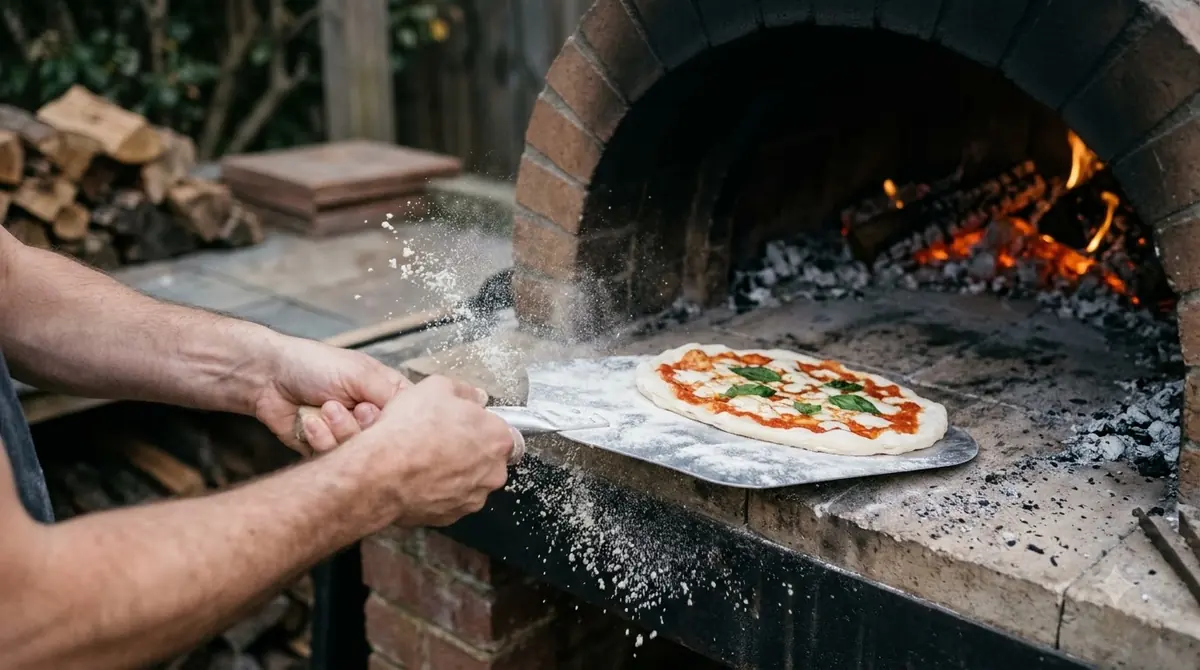

This pizza alla pala recipe makes a long, oval Roman flatbread with a very wet dough, baked and then slid onto a wooden paddle. The key step in most versions is a long rest, often in the fridge, so the dough is often made a day or two before it is baked. Sources differ on water and oven settings, so this guide lists each version.
Use a pizza stone or a lightly oiled cast-iron pan, and a wooden peel if you have one. Because the dough is wetter than Neapolitan dough, handle it gently and keep your hands floured.
What is pizza alla pala?
A pizza alla pala recipe produces a Roman flatbread that is long and oval, with a thick crust that is crispy outside and soft and fluffy inside, according to Eataly.
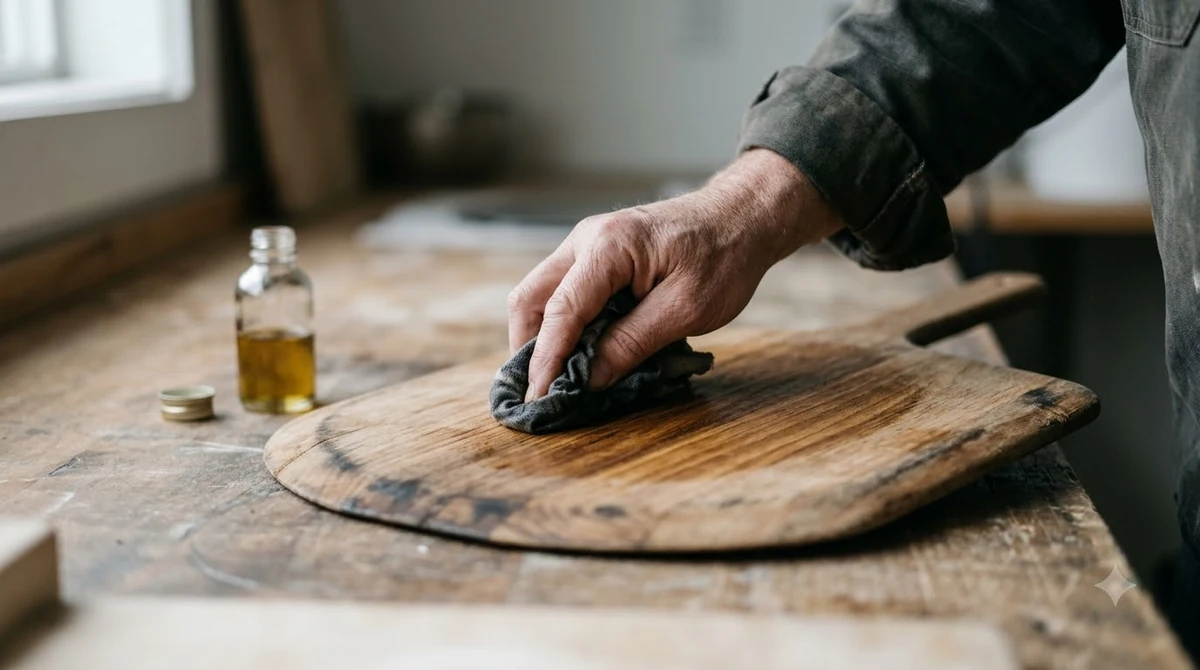
The name comes from the pala, the wooden or metal peel used to slide the pizza into the oven and then onto a serving board. Eataly places the origin in Rome, in central Lazio, but gives no date for when the style began. Knowing the name helps when you follow any pizza alla pala recipe, because the peel is part of the method, not just a serving tool.
Compared with Neapolitan pizza (see Neapolitan vs Roman pizza), the dough is wetter and the pie is not round. Italiani.it says the style is closer to focaccia, with no raised cornice, and that the name Roman refers to the bakeries where it was first common.
| Feature | Pizza alla pala | Neapolitan pizza |
|---|---|---|
| Shape | Long oval | Round |
| Dough hydration | At least 70%, sometimes above 80% (Alfa Forni) | About 60 to 65% (Alfa Forni) |
| Oven | Home electric oven in the Eataly recipe | Wood-fired (Eataly) |
Ingredients for this pizza alla pala recipe
One batch in this pizza alla pala recipe, as Eataly writes it, uses 500 g buratto flour, 375 g cold water, 5 g yeast, 12 g salt and 10 g extra virgin olive oil.
- 500 g buratto flour
- 375 g cold water
- 5 g yeast
- 12 g salt
- 10 g extra virgin olive oil
Weigh the ingredients in every pizza alla pala recipe rather than measuring by cup. Eataly’s own page converts 375 g of water to 1 1/2 cups, and cup measures vary with how the flour is packed.
Alfa Forni uses a different base for two pizze alla pala: 500 g flour, 350 to 360 g water, about 13 g salt, the same amount of olive oil, and 2 to 3 g dry yeast. Its flour advice is to blend soft wheat flours such as 00, type 1 or wholemeal, and it allows soy, rice or durum semolina in the mix.
Dough hydration: why the dough is so wet
Hydration decides how a pizza alla pala recipe behaves, and our guide to high hydration pizza dough explains the handling. Alfa Forni puts pizza alla pala dough at a hydration of at least 70%, and sometimes above 80%, compared with about 60 to 65% for traditional Neapolitan dough.
Hydration is the weight of water divided by the weight of flour. The Eataly recipe’s 375 g of water on 500 g of flour works out to 75%, which sits inside the Alfa Forni range. Eataly describes the finished crust as soft and fluffy inside, which is the result that the high water content is aiming for.
Not every source agrees. Italiani.it lists 1 kg of 00 flour with 600 g of water, which is about 60%, while calling the dough highly hydrated. The page does not explain the gap, so weigh your water and judge the dough by how it handles rather than by one figure.
A wet dough sticks to hands and benches. Keep a little flour on your hands and on the work surface, and handle the dough gently so it keeps its air.
Dough timeline: mix, rest and cold retard
Every pizza alla pala recipe needs a rise plan. Eataly’s version is a same-day dough with about four hours of rising, while Alfa Forni’s version rests in the fridge for 12 to 16 hours before shaping.
- Mix the flour and the water first and let the mixture rest for at least one hour, as Alfa Forni describes for its pre-dough.
- Add the yeast, salt and olive oil, then knead until the dough is combined.
- Let the dough rest at room temperature for at least 30 minutes, then shape it into balls.
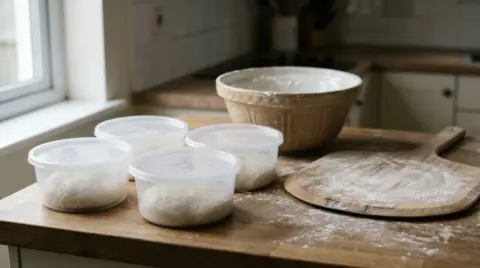
- Refrigerate the dough for 12 to 16 hours, covered, and plan to make it one or two days before baking.
- Take it out 3 to 4 hours before baking so it reaches room temperature and proofs until the volume doubles.
For a same-day version, the Eataly recipe rests the dough for one hour, shapes it, then lets it rise for two to three hours at room temperature. Neither page gives a fridge temperature, so keep the dough covered and check it by feel and volume rather than by the clock alone.
Shaping on a pan or pizza stone
In a pizza alla pala recipe, flatten the dough with your palms, then press it out with your fingertips into a long rectangle, working outward and pulling gently to keep the shape.
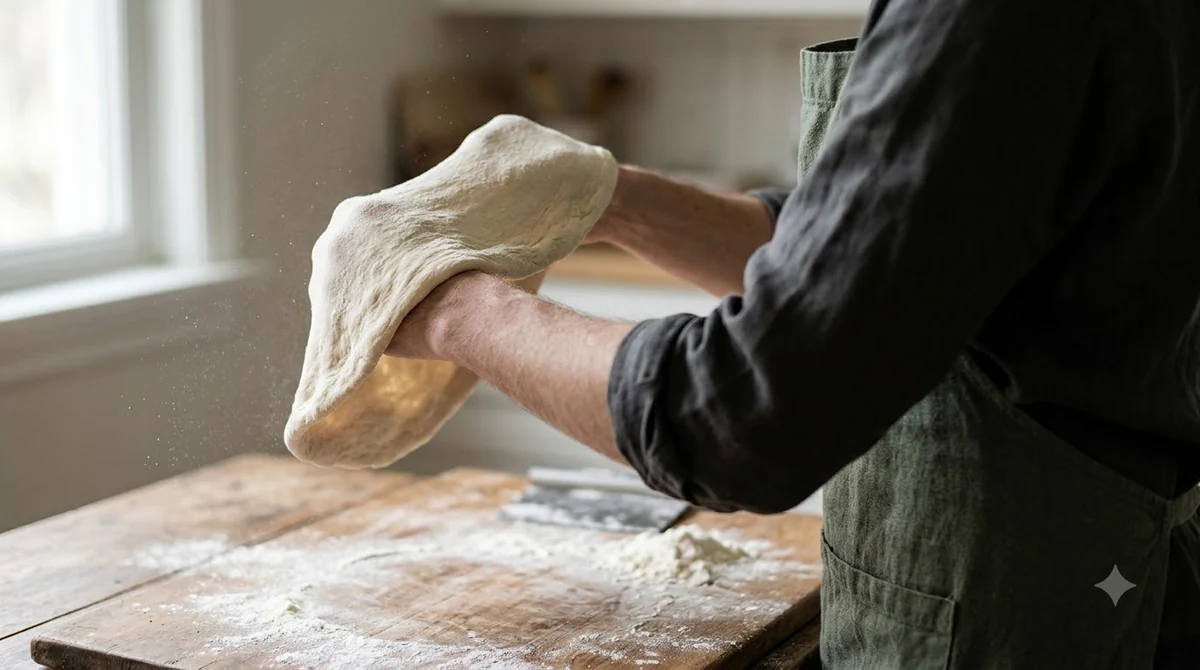
Eataly suggests shaping directly on a lightly oiled cast-iron pan or a pizza stone. Italiani.it instead shapes the loaf on a peel with flour poured over the dough, then drizzles extra virgin olive oil over the top before baking.
Alfa Forni gives the finished size for a 550 to 600 g dough ball as 35 to 40 cm wide and 60 to 70 cm long, enough for two people. A larger oven and a bigger peel allow a bigger pizza, so measure your oven before you shape a full batch.
Baking pizza alla pala at home
Each pizza alla pala recipe source gives a different oven setting, from 350°C for 10 minutes to 485°F for 20 to 25 minutes, so match the bake to your own oven and watch the first batch closely.
| Source | Oven setting | Bake time |
|---|---|---|
| Eataly recipe | 485°F (about 252°C) | 20 to 25 minutes |
| Eataly culture page (electric oven) | 580°F (about 304°C) | 10 to 12 minutes |
| Italiani.it | 350°C | 10 minutes |
| Alfa Forni | 350 to 400°C ideal | Not given |
Alfa Forni warns that temperatures above 450°C can leave the centre undercooked, and advises rotating the pizza 180 degrees during baking so it colours evenly. Alfa Forni’s baking guide covers the dough and oven together.
For a pizza alla pala recipe at home, preheat the stone or pan fully before the dough goes in. The Eataly recipe heats the oven while the toppings are prepared, so the base is hot when the pizza is slid on.
Before baking, drizzle the dough with olive oil and sprinkle it lightly with salt, then bake until the crust is golden. Lift the pizza out with the pala and move it to a board.
Toppings and serving
This pizza alla pala recipe tops the baked pizza with prosciutto crudo, cherry tomatoes and stracciatella, added after the bake rather than before it.
- Prosciutto crudo, sliced thin
- Cherry tomatoes, halved
- Stracciatella, torn over the top
Adding fresh toppings after baking keeps the cheese creamy and the tomatoes bright. Serve the pizza on the pala, as Eataly’s recipe does, and share it by the slice.
Frequently Asked Questions
How big is one pizza alla pala?
A 550 to 600 g dough ball makes a pizza 35 to 40 cm wide and 60 to 70 cm long, enough for two people, according to Alfa Forni. A larger oven and peel allow a bigger size, so check that your peel and oven fit the pizza before you shape a full batch.
How far ahead should I make the dough?
Make the pizza alla pala recipe dough one or two days before baking, since Alfa Forni recommends a fridge rest of 12 to 16 hours. For the same-day Eataly version, plan about four hours of rising at room temperature.
Can I make this pizza alla pala recipe in a regular oven?
Yes. The Eataly recipe is written for a home oven at 485°F, and its culture page describes an electric oven at 580°F. Preheat a stone or pan fully and check the crust early in the bake time range.
Is pizza alla pala the same as Neapolitan pizza?
No. Pizza alla pala is long and oval with a wetter dough, and Eataly says it is baked in an electric oven rather than the wood-fired oven used for Neapolitan pizza.
What flour should I use?
The Eataly recipe uses buratto flour, while Alfa Forni suggests a blend of soft wheat flours such as 00 or type 1. Because flours absorb water differently, check how your dough handles before adding more water. Any pizza alla pala recipe built on a different flour will need that check.
Any pizza alla pala recipe works best when you weigh the flour and water, plan the dough a day ahead, and check the bake in your own oven. Those three steps matter more than any single temperature in the sources.
 8 min readLearnPizza Al Taglio Recipe: Roman Sheet-Pan Pizza You Can Make at HomeUpdated Nov 10, 2026
 9 min readLearnPizza Bianca Recipe: Roman Olive Oil Flatbread at HomeUpdated Nov 10, 2026
 9 min readLearnRoman Pizza Dough Recipe: Hydration, Flour and MethodUpdated Nov 7, 2026
 7 min readLearnPizza Alla Norma Recipe: Eggplant, Ricotta Salata and Oven SettingsUpdated Nov 11, 2026
 9 min readLearnArrabbiata Sauce Recipe: How to Make Spicy Roman Tomato SauceUpdated Nov 10, 2026
 6 min readLearnHow to Make Bucatini All’Amatriciana: Step-by-Step Roman RecipeUpdated Nov 13, 2026