
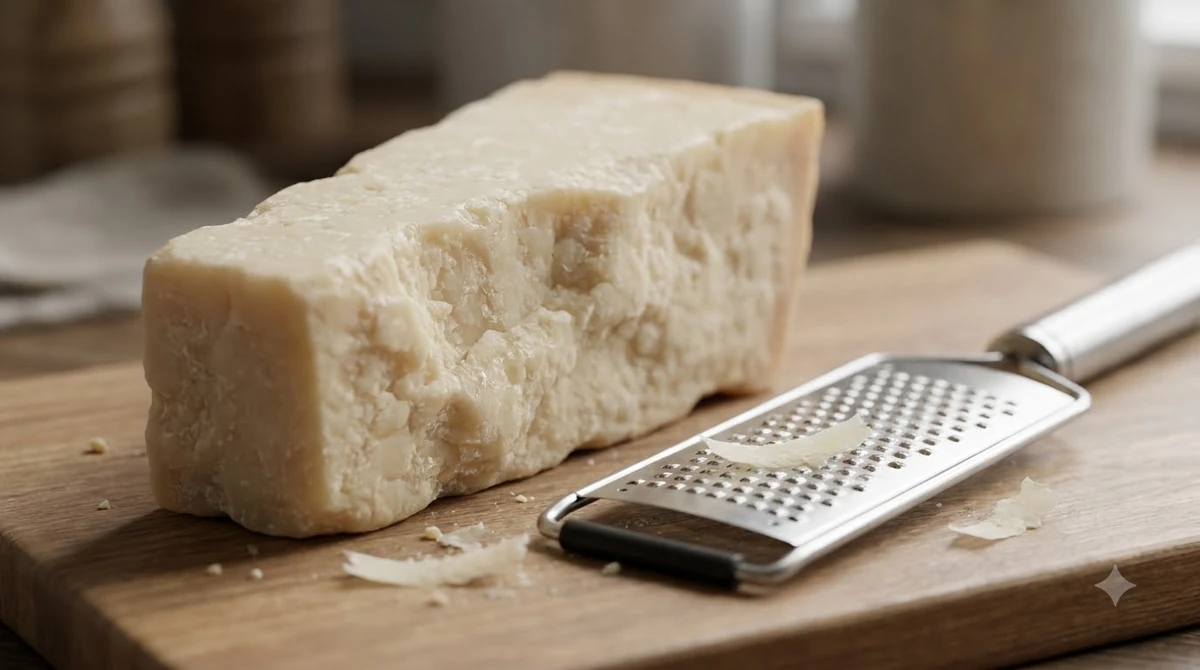

The short answer to what is provolone is an Italian cow’s milk cheese that is stretched while it is made, which gives it a smooth, meltable texture. It is a semi-hard cheese sold in two main styles, mild dolce and sharp piccante.
Mild provolone suits sandwiches and melting, while sharp provolone is grated over pasta. Check the label for the type and for smoking before you buy.
What Is Provolone and Where It Comes From
Provolone is a semi-hard cheese made from cow’s milk, and it began in Campania, the region near Naples in southern Italy. Its traditional production belongs to the pasta filata family, the stretched-curd cheeses that also include mozzarella.
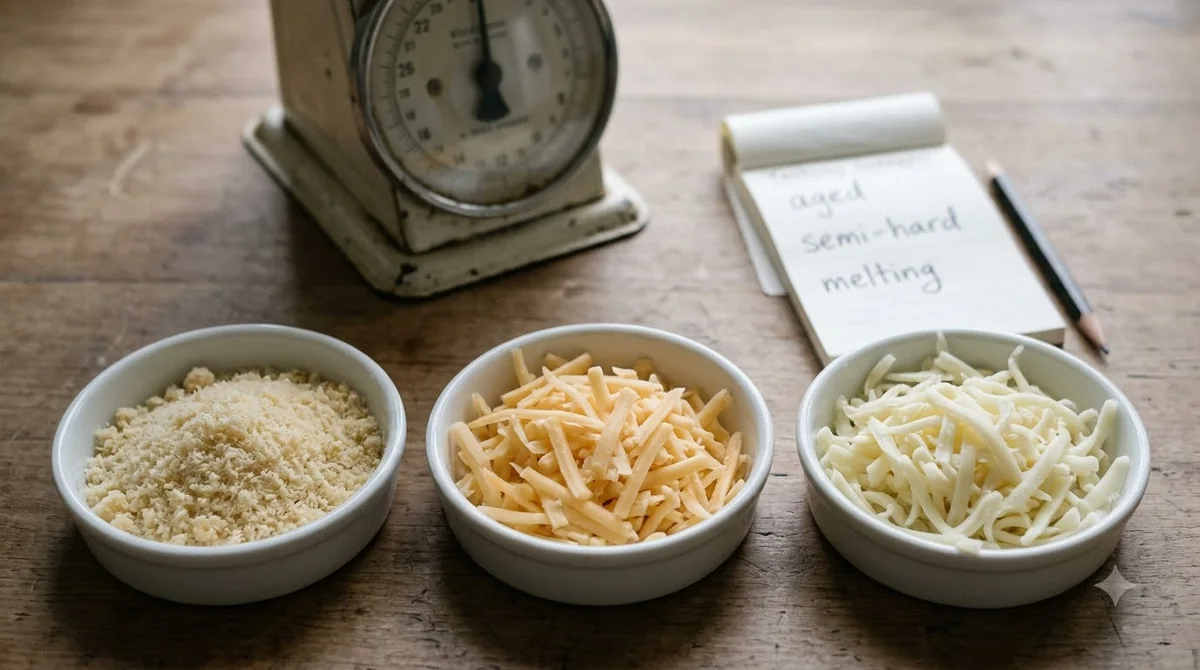
According to the Wikipedia entry on provolone, the cheese is now most produced in northwestern Italy, particularly around Cremona. The name carries legal weight. Provolone Valpadana received protected designation of origin (DOP) status on 21 June 1996.
Under EU rules, no country other than Italy may legally produce cheese called provolone. That is why a label that says provolone usually points back to an Italian origin, while cheeses made elsewhere often use a different name.
A second protected name, Provolone del Monaco, received PDO status on 11 February 2010. A regional name on the label points to a specific production area, so it tells you more than a general style name does.
How Provolone Is Made
Provolone is made by pasta filata, a method in which the curd is cut, drained and then stretched in hot liquid until it turns stringy. The steps are simple, but the stretching step is what sets this cheese apart from a firm cheese like cheddar.
The culture: the word on cheese describes the process in plain terms.
- The milk is curdled, and the curds are cut while the whey is drained off.
- The curds are steeped in very hot whey or water until they float.
- The warm curds are drained and kneaded into a stringy mass.
- The mass is shaped into balls, pears or strands, then aged.
Shaping happens by hand or by pulling and chopping strands of the warm cheese. The stretch gives provolone its smooth melt, and it is the reason the cheese softens evenly when heated.
Dolce vs Piccante: The Two Styles
Dolce is the mild, sweet and creamy type, while piccante is aged longer and tastes salty, sharp and tangy. Both come from the same stretched-curd method, so the main difference is how long each one matures.
| Attribute | Dolce (mild) | Piccante (sharp) |
|---|---|---|
| Flavor | Sweet, creamy and very mild | Sharp, piquant, salty and tangy |
| Aging | Shorter; the exact minimum is not stated in the sources read, so check the label | Aged at least four months in the sources read; one source gives three months, so check the label |
| Best use | Sandwiches, deli platters and melting | Grated over pasta and cheese boards |
The difference in taste also comes from the enzymes used in making each style. According to the Wikipedia entry on provolone, piccante gets its sharpness from a goat-derived lipase, while dolce uses a calf-derived one. The enzyme choice shapes the flavor as much as the aging does.
A smoked version also exists. Smoking adds its own flavor on top of the base cheese, so check the label if you want a plain taste.
Shapes, Sizes and Provola
Traditional provolone is usually shaped as a pear, sausage or cone, and Wikipedia gives a typical length of 10 to 15 cm. Some wheels show shallow marks where the cheese hung on a rope during aging.
- Pear: a rounded, tapered shape
- Sausage: a long, cylinder-like form
- Ball: a round shape from hand shaping
- Cone: a tapered shape that sits on a board
Provola is a smaller variant of provolone, so the two names describe related cheeses. Provoleta is the Spanish name for grilled discs of this cheese, served as a starter in Argentina, Brazil, Bolivia and Uruguay. The discs measure 10 to 15 cm across and 1 to 2 cm high before grilling.
How to Use Provolone in the Kitchen
Mild provolone works best in sandwiches and melts well, while sharp provolone is grated over pasta or served on a cheese board. Knowing what is provolone cheese made for helps you pick the right style. The right choice depends on whether you want a soft, sweet melt or a salty finish.
- Sandwiches: mild provolone pairs well with turkey and other deli meats.
- Melting: its stretched texture gives a smooth, stringy melt on hot food.
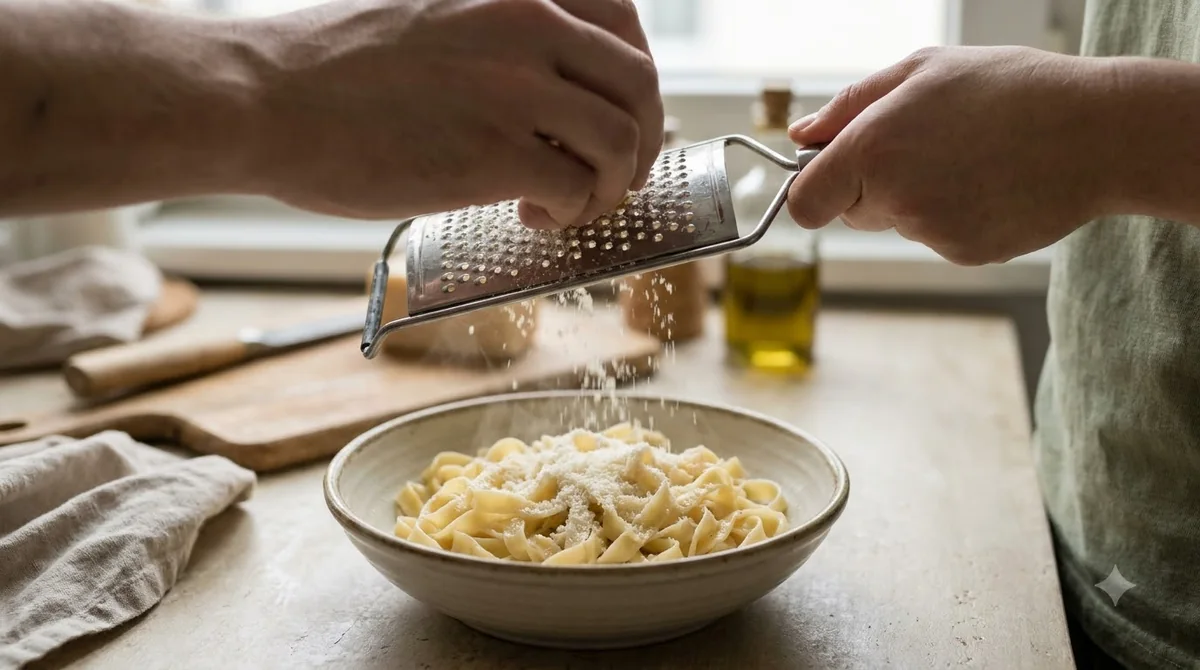
- Pasta: grate sharp provolone over finished pasta for a salty, tangy finish, much as you would use pecorino romano.
- Starters: grill thick slices until partly melted, the way provoleta is served.
- Boards: sharp provolone adds bite next to milder cheeses on a platter.
In Brazil, Argentina, Bolivia and Uruguay, grilled provolone is a common starter, often seasoned with herbs.
Because provolone melts well, it also works in baked and grilled dishes. Add it near the end of cooking if you want it soft and stringy rather than fully browned.
Provolone vs Mozzarella
Provolone and mozzarella share the pasta filata method, but provolone is an aged cheese, which makes it firmer and sharper than many mozzarellas. The shared method explains why both can stretch when heated. For a closer look at the soft side of the family, see this comparison of low moisture and fresh mozzarella.
| Attribute | Provolone | Mozzarella |
|---|---|---|
| Family | Aged pasta filata | Pasta filata |
| Texture | Firmer, and sharper as it ages | Softer and moister |
| Common use | Sandwiches, grilling and grated over pasta | Pizza, salads and fresh dishes |
If you want a fresh, soft cheese, mozzarella is the better fit. If you want a cheese that keeps its shape and adds a sharper taste, provolone is the better choice. Soft Italian cheeses such as ricotta sit at the other end of the range.
How to Read a Provolone Label
The label tells you most of what you need to know before you buy. Look for the type, the smoking status and any protected-origin mark, since the provolone name is protected inside the EU.
- Type: dolce for mild or piccante for sharp
- Smoked: a separate version with a smoky flavor
- Origin: protected names such as Provolone Valpadana carry DOP status
- Age: where the label prints an aging time, it signals how sharp the cheese will taste
- Rennet: check the ingredients if you avoid animal rennet
Frequently Asked Questions
What is provolone made from?
Provolone is made from cow’s milk that is curdled, cut and stretched in hot whey or water until it turns stringy. The stretching step, rather than a special ingredient, gives the cheese its smooth texture and melt.
Is provolone vegetarian?
It depends on the product. Many provolones are made with animal rennet, so check the label or the producer’s ingredient information if you avoid animal rennet. The sources read for this guide do not settle which animal the rennet comes from.
Is provolone the same as mozzarella?
No. Both are pasta filata cheeses, but provolone is aged and firmer, while mozzarella is usually softer. The two share a stretched-curd method, so they can both melt well on hot food.
Does provolone melt well?
Yes. The stretched-curd texture gives provolone a smooth, stringy melt, which is why it is used in sandwiches and grilled dishes. Mild provolone melts more softly, while sharp provolone adds more flavor to the melted layer.
Is provolone made only in Italy?
Under EU rules, only Italy may legally produce cheese called provolone. Cheeses made elsewhere usually carry a different name, so a label that says provolone points back to an Italian origin in the EU.
What does provolone taste like?
Mild provolone is sweet, creamy and very gentle. Sharp provolone is salty, piquant and tangy, and its flavor grows stronger the longer it ages. The age on the label is the best guide to which style you are buying.
What is the difference between provola and provolone?
Provola is a smaller variant of provolone, so the two are closely related. The names describe the same family of stretched-curd cheeses, and the size is the main visible difference between them.
Provolone rewards a short read before you buy. Browse more pizza and pasta guides for ideas on where to use it. Pick the mild dolce for sandwiches and melting, the sharp piccante for grating over pasta, and always check the label for the type and any smoking before you decide.
 7 min readLearnWhat Is Caciocavallo? A Practical Guide to This Italian CheeseUpdated Nov 11, 2026
 9 min readLearnWhat Is Grana Padano? A Simple Guide to This Italian Hard CheeseUpdated Nov 11, 2026
 8 min readLearnWhat Is Scamorza? A Guide to This Southern Italian CheeseUpdated Nov 11, 2026
 8 min readLearnTimballo Recipe: How to Bake This Italian Pasta Drum at HomeUpdated Nov 11, 2026
 8 min readLearnPasta alla Nerano Recipe: Zucchini, Provolone and BasilUpdated Nov 11, 2026
 7 min readLearnWhat Is Stracciatella? A Fresh Italian Cheese ExplainedUpdated Nov 11, 2026