

Trottole pasta is a small, tightly twisted corkscrew shape named after the spinning top toy. It is a dried pasta, and its spirals are a good match for sauces that cling to the grooves. Recipe sources suggest boiling it in salted water until al dente, but the time on the package should guide you.
What Trottole Pasta Is
Trottole pasta is a short dried pasta with a tight, corkscrew-like spiral. The shape is compact, so each piece takes up a small amount of space in the pot and on the fork. Check the ingredient list on the pack to confirm the flour used.
The name comes from the Italian word for a spinning top. The Italian Wikipedia entry on the spinning top describes a toy that is spun by pulling a cord wound around it. A tight spiral looks much like that top, which is the likely reason the pasta carries the name.
A simple way to remember the shape is to picture a spinning top with a tight curl. Trottole pasta is short enough to lift on a fork and twisted enough to trap small bits of sauce, which is why the recipe source pairs it with creamy sauces.
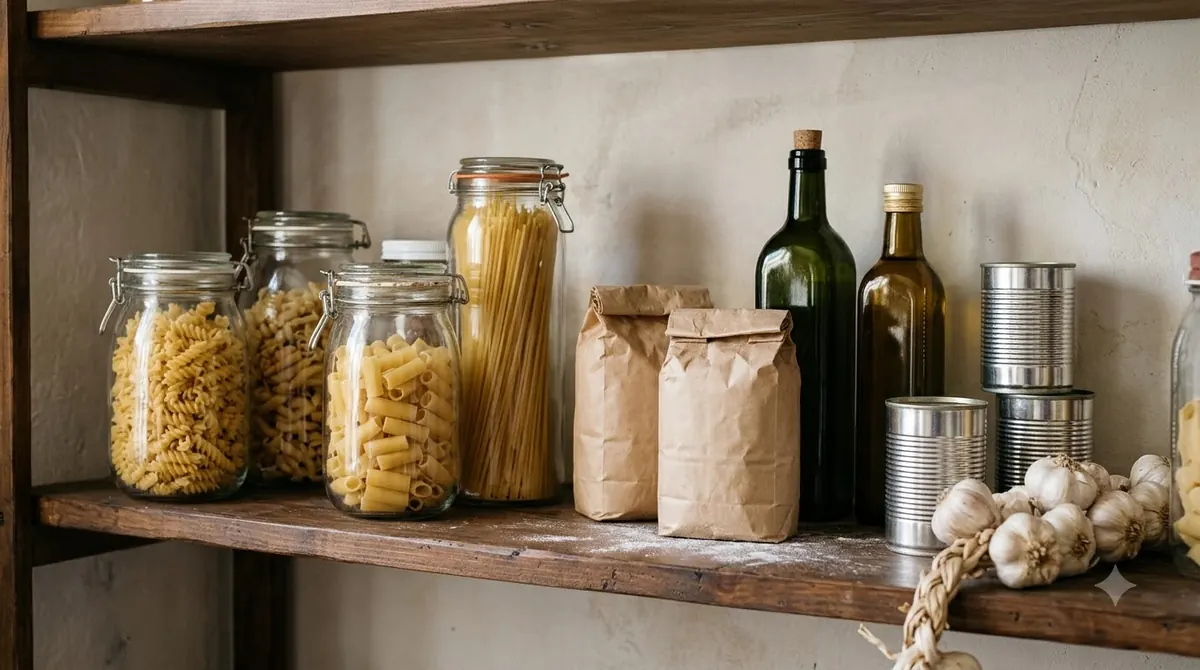
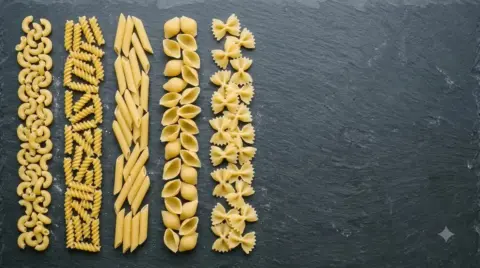
Because trottole pasta is a spiral, it sits on the shelf among other corkscrew and twisted shapes. Pick the one that matches the sauce you plan to make, and read the pack rather than relying on the picture, since photos can show a different shape or size than the product inside.
When you shop, look for these points on the pack:
- The shape: a tight spiral that is short rather than long.
- The ingredients: most dried pasta is made from durum wheat semolina and water.
- The origin line: a region or protected designation, if the producer prints one.
- The cooking time: the printed time is the most reliable guide for your batch.
Where It Comes From
One recipe source places trottole pasta in the Campania region of Italy, but that origin rests on a single page. The claim has not been checked against independent historical sources, so treat it as the recipe site’s statement rather than settled history.
For a home cook, origin matters mainly because it tells you what you bought. A trottole pasta from a producer that names its region on the pack gives you a fact to check against the recipe you use, which is more useful than a general name on a shelf.
Because versions differ, the label on your pack is a better guide to origin than a general name.
What is not confirmed here: the exact age of the shape, whether every trottole is bronze-die extruded, and any protected designation on a specific pack. Check the producer’s own website or the printed label for those details.
How to Cook Trottole
Cook trottole pasta in a large pot of salted water until al dente, and follow the package time as your starting point. One recipe page lists 15 minutes as the total time for its full dish, so it is a guide to the whole meal rather than the boiling time alone.
- Bring a large pot of water to a boil, with enough room for the pasta to move freely.
- Add salt to the water. The recipe source gives no measure for the pot, so use your usual amount.
- Add the trottole and stir in the first minute so the spirals do not stick together.
- Cook for the time on the package, then taste a piece to check for al dente.
- Drain and move the pasta straight into the sauce, so it absorbs some of the sauce as it finishes.
The Christina’s Cucina trottole recipe is the source for the 15-minute total and the salted-water method. Use it as a model for the finishing step, then adjust timing to the brand you buy.
A common mistake is draining the pasta too early and letting it dry out before the sauce goes in. Keep a splash of cooking water aside, since a little of it helps the sauce loosen and cling to the spirals. The sources reviewed do not give a quantity for that water, so add it a spoonful at a time.
Serve trottole pasta while it is hot and the sauce is still warm, plating straight from the pan. Add grated cheese at the table, since the sources reviewed give no cheese amount and you can season to taste.
Trottole pasta suits a weeknight dinner because the cooking step is short. The method stays the same whether you serve it plain with grated cheese or mixed into a richer sauce, so the sauce is the main decision you make.

Best Sauces for Trottole
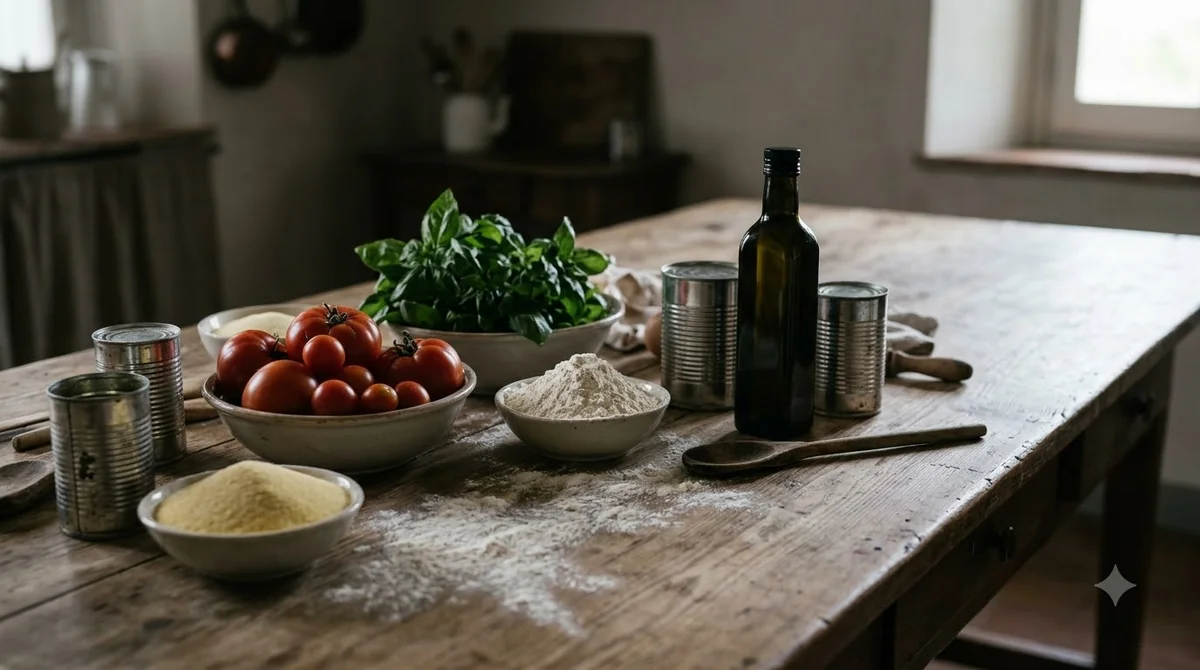
The tight spirals of trottole pasta hold creamy sauces well, and one recipe pairs it with a creamy ricotta and tomato sauce. The same source says creamy sauces work especially well with this shape, which matches how the spiral catches sauce in its grooves.
Three sauce styles fit the shape well:
- A creamy ricotta and tomato sauce, the pairing named by the recipe source.
- A hearty tomato sauce baked with mozzarella, a pairing suggested in a second recipe listing that was not read in full.
- A chunky sauce with small pieces, which the spirals can carry in their grooves.
Stir the ricotta into the tomato sauce before the trottole go in, so the sauce is ready to coat each spiral when the pasta is drained. That order matches the recipe’s method of mixing ricotta into the tomato base.
A sauce with some body is easier to settle into the grooves than a thin liquid, so choose one with a bit of substance. The baked version needs the pasta cooked first, then mixed with sauce and cheese before going into the oven. The sources reviewed give no oven temperature or baking time, so check the recipe you use before you bake.
Trottole and Similar Spirals
Trottole belongs to a family of corkscrew shapes, and vesuvio is one of its close relatives. The Wikipedia list of pasta describes vesuvio as corkscrew-shaped and from Campania, the same region named for trottole.
| Pasta | Shape as described | Region named in source |
|---|---|---|
| Trottole | Corkscrew-like, tightly twisted | Campania (one recipe source) |
| Vesuvio | Corkscrew-shaped | Campania (Wikipedia list) |
When you compare trottole pasta with another corkscrew shape, check three things: the sauce it will carry, the time printed on the pack, and how the pieces sit in the bowl. Those checks need no special equipment and no recipe.
Choose trottole pasta when you want a short spiral for a creamy or baked sauce. Choose a longer shape when you want the sauce to coat strands. The table shows what the sources state, and it does not rank the two shapes on taste or texture.
Frequently Asked Questions
Is trottole the same as fusilli?
The sources reviewed do not compare trottole pasta with fusilli directly, so treat them as separate shapes. Both are spirals, but the tightness and length can differ by brand. Compare the two packs side by side before you swap one for the other in a recipe.
Can you bake trottole?
Possibly. A second recipe listing, not read in full, suggests baking trottole with a hearty tomato sauce and mozzarella. Cook the pasta to the package time first, mix it with the sauce and cheese, then bake. The source gives no baking time or oven temperature, so check the recipe you follow.
Why is it called trottole?
The trottole pasta name is the Italian word for a spinning top. The toy is spun by pulling a cord wound around it, and the pasta’s tight spiral resembles that top. The name describes the look of the shape rather than a recipe or a region.
How do you check where trottole was made?
Read the label on the pack for the country of origin and any protected designation the producer prints. The label reflects the specific batch, so it is a better source than a general recipe page. If the label gives no origin, contact the producer through its own website.
How long should you cook trottole?
Follow the time printed on the package, then taste for al dente before draining. One recipe lists 15 minutes as the total time for its full dish, which includes prep and sauce, so it is not a boiling time. Start checking a minute or two before the package time.
If you cook trottole for the first time, buy one pack, follow its printed time, and taste before you drain. Pair it with a sauce that clings to the spirals, such as a creamy ricotta and tomato sauce, so the shape does the work.
 9 min readLearnFoglie d Ulivo Pasta: Olive-Leaf Shape, Origin and How to Make ItUpdated Nov 11, 2026
 8 min readLearnReginette Pasta: Shape, Origin and 5 Best SaucesUpdated Nov 11, 2026
 9 min readLearnCiriole Pasta: Origin, Dough and How to Shape ItUpdated Nov 10, 2026
 7 min readLearnCapunti Pasta: Shape, Origin, Recipe and Best SaucesUpdated Nov 11, 2026
 7 min readLearnSedani Pasta: Shape, Origin and How to Cook ItUpdated Nov 10, 2026
 9 min readLearnLagane Pasta: Origins, Shape and a Homemade RecipeUpdated Nov 6, 2026