
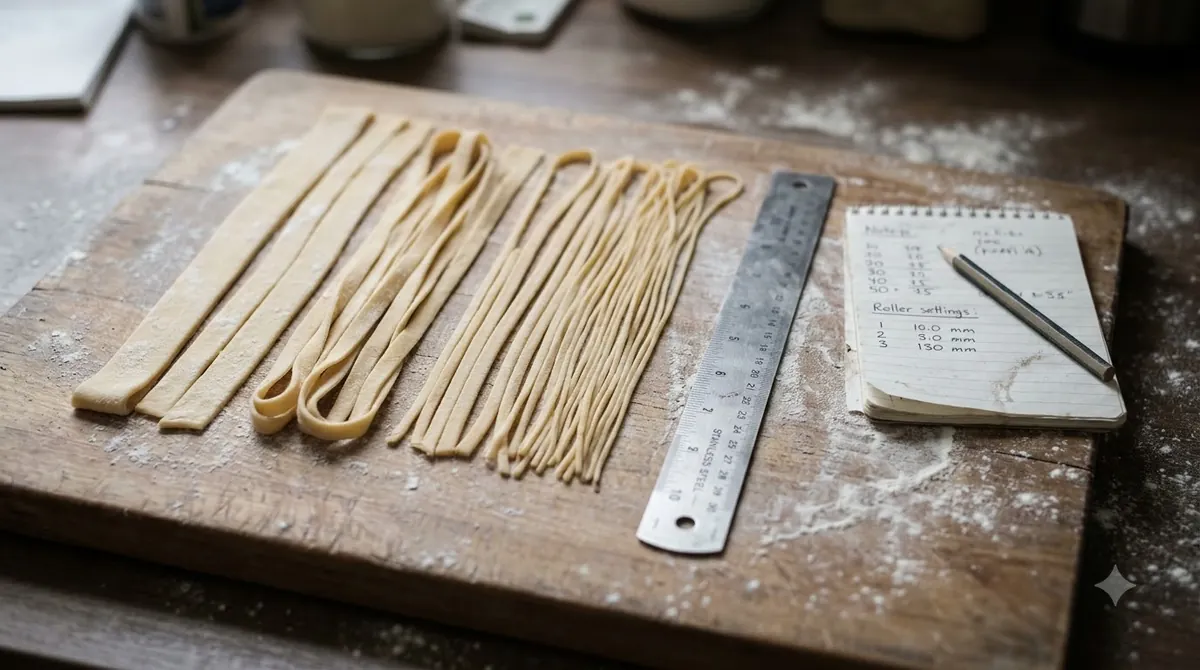

Ciriole pasta is a long, hand-rolled noodle associated with Umbria, Italy. A 2015 Italian recipe makes it from durum wheat flour and water alone, then serves it with a garlic and tomato sauce.
Ciriole are close relatives of Tuscan pici, and the regional names overlap on some lists. Check the region, the flour and the shape on the label or in the recipe before you buy or cook.
What Is Ciriole Pasta and Where Does It Come From?
Ciriole pasta is a long, hand-rolled noodle from Umbria, a region in central Italy. Wikipedia’s list of pasta gives umbrici and ciriole as Umbrian names for pici-style pasta.
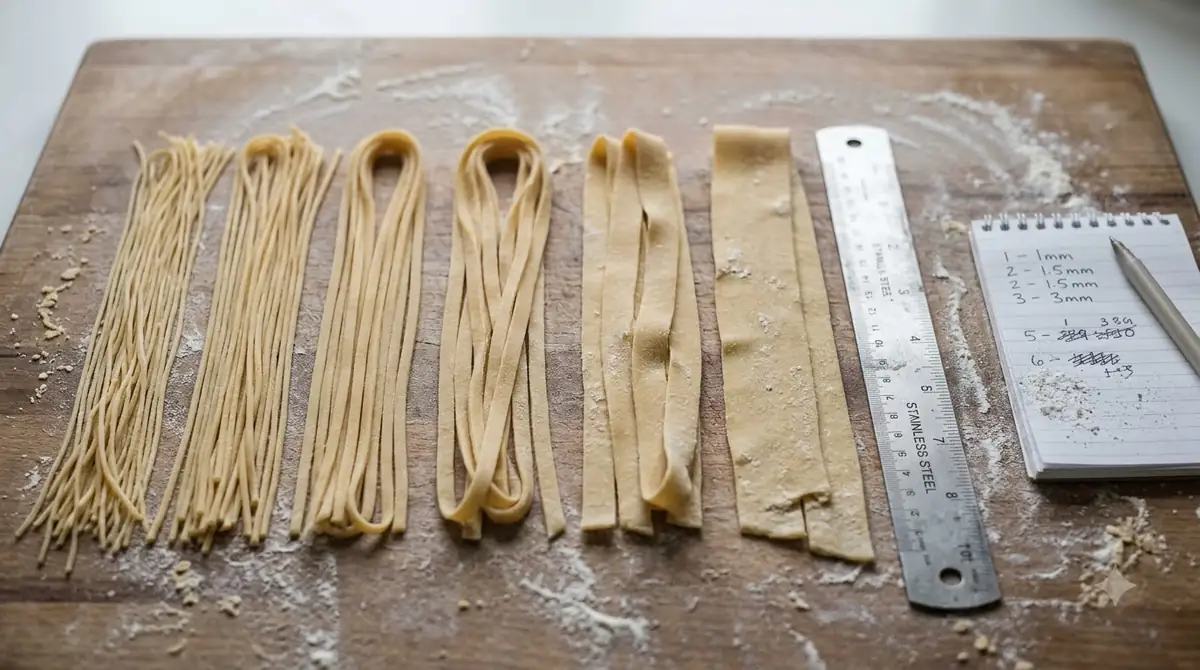
The Wikipedia list of pasta gives other local names for this family of thick pastas, including lunghetti in Montalcino and pinci in Montepulciano. Wikipedia’s separate article on pici places pinci around Montalcino instead, so local names clearly vary from town to town.
Pici pasta itself comes from the province of Siena in Tuscany. Wikipedia describes it as dough made from flour and water, with egg optional according to family tradition, rolled by hand into a thick strand that is slightly thinner than a common pencil and not uniform in size.
Regional names are not always used the same way by every maker; our guide to umbricelli pasta covers the other Umbrian name for this thick noodle. A bag labeled ciriole may follow a recipe you do not know, so read the ingredient list and the shape description before you buy.
Ciriole Dough: Flour, Water and Resting Time
The dough in one 2015 Italian recipe uses 500 g of durum wheat flour, water and a 30-minute rest before shaping.
- 500 g of durum wheat flour (farina di grano duro) as the base
- Water added gradually while kneading, with no quantity given in the recipe
- Knead until the dough is smooth, elastic and not sticky
- Rest the dough for 30 minutes before you shape it
The recipe gives a texture test rather than an exact water amount, so judge by feel. If the dough is too dry to hold together, add water a few drops at a time. If it sticks to your hands, add a little flour.
Durum is the wheat behind most dry pasta (see what durum wheat is). Wikipedia’s article on durum describes it as the hardest of all wheats to mill, and says it does not build dough strength the way common wheat does. Expect the dough to feel different from bread dough, and let the texture guide you rather than the flour bag.
Use this dough as the starting point for your first batch of ciriole pasta, and adjust only after you have seen how the dough behaves in your kitchen.
How to Shape Ciriole at Home
To shape ciriole, pinch off a small piece of dough and roll it around a knitting needle or thin metal stick, as the 2015 recipe describes.
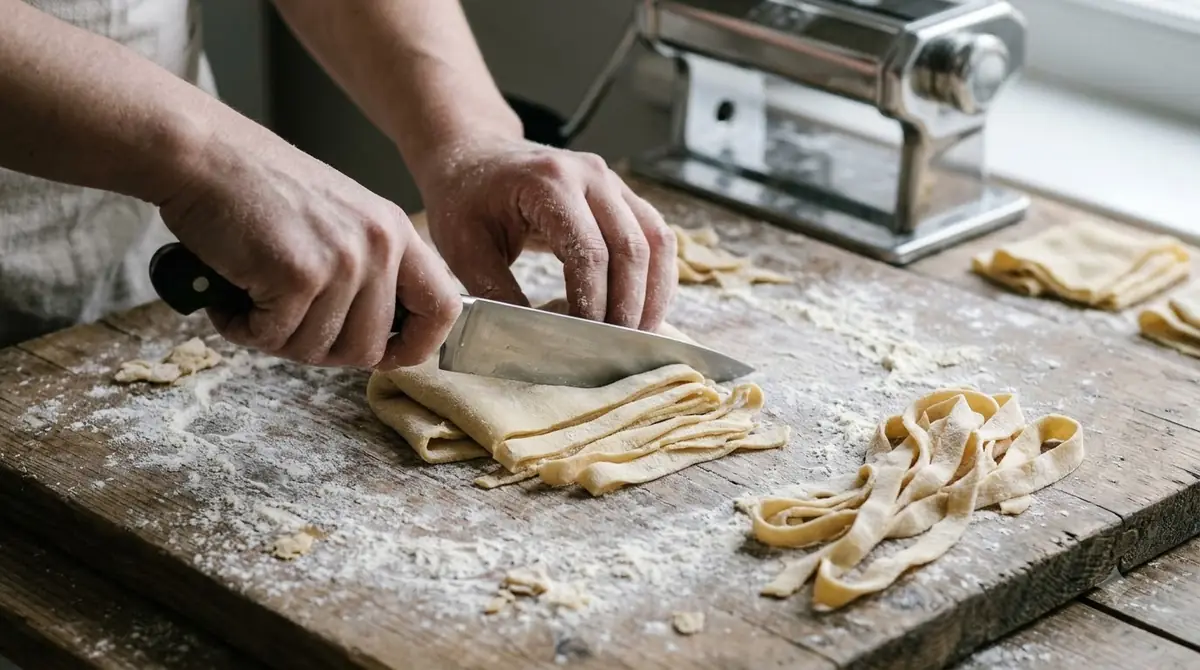
- Divide the rested dough into portions and keep the rest covered.
- Pinch off a small piece from one portion.
- Roll the piece around a knitting needle or thin metal stick.
- Slide the strand off the stick carefully so it keeps its shape.
- Lay the finished strands on a lightly floured surface so they do not stick together.
The method is described in this 2015 Gustoblog recipe, which rolls each piece around knitting needles or thin metal sticks. It gives no diameter or length, so the stick you choose sets the thickness. Keep the same stick for each batch so the strands match.
Hand shaping produces some variation in thickness, and that is normal for a homemade noodle. Pici is hand-rolled too, and Wikipedia notes its size is not uniform for the same reason.
This is a hand-shaping method, and our guide to making pasta without a machine covers rolling and cutting by hand. The pages read for this article do not cover machine shaping, so test a small batch before you assume a pasta machine will give the same result with ciriole pasta.
Traditional Ciriole Sauce and How to Serve Them
The 2015 recipe pairs ciriole pasta with a tomato passata sauce made with olive oil, garlic, chili and parsley, simmered for about 20 minutes.
- Extra virgin olive oil
- 6 garlic cloves
- 1 chili pepper
- A bunch of parsley
- Tomato passata and salt
Simmer the sauce for about 20 minutes, remove the garlic, and finish with chopped parsley. The recipe removes the garlic before the pasta is dressed, so the sauce is flavored by the garlic rather than full of garlic pieces.
Boil the ciriole in salted water with a spoonful of oil, drain them, then toss them with the sauce. The recipe gives no cooking time for the pasta itself, so start tasting early.
Tomato is one option rather than the only one. Wikipedia’s pici article lists aglione, a spicy garlic tomato sauce, alongside cacio e pepe, boscaiola with porcini mushrooms and ragu, so the sauce you pick for ciriole pasta can follow the same range.
Ciriole Pasta vs Pici: Key Differences
Pici come from Tuscany and are thick, uneven and hand-rolled, while ciriole pasta is listed under Umbria, so they are close relatives rather than identical shapes.
| Criterion | Ciriole | Pici |
|---|---|---|
| Region | Umbria (listed as a name for umbrici) | Province of Siena, Tuscany |
| Shape | Long hand-rolled strands | Thick, slightly thinner than a pencil, not uniform |
| Dough in the sources read | Durum wheat flour and water (2015 recipe) | Flour and water, egg optional (Wikipedia) |
| Sauces named in the sources read | Tomato passata with garlic, chili and parsley | Aglione, cacio e pepe, boscaiola, ragu |
The clearest practical difference in the sources read is the flour. The 2015 ciriole recipe names durum wheat flour, while Wikipedia’s pici entry says only “flour” in its text. Because the regional names overlap, compare the description on a label rather than the name alone.
Another Umbrian shape, stringozzi pasta, is long and rectangular. Chitarra is a different shape again. Wikipedia describes it as square spaghetti from Abruzzo, made with egg and flour, and cut through a frame strung with wires.
Common Mistakes When Making Ciriole Pasta
One mistake to avoid is adding all the water at once. The 2015 recipe asks you to add water gradually until the dough is smooth, elastic and not sticky.
- Skipping the 30-minute rest before you shape the dough.
- Following a fixed water amount when the recipe gives a texture test instead.
- Rolling strands at uneven thickness. Using the same stick for every strand keeps them consistent.
- Waiting too long to taste. The recipe gives no cooking time, so check the pasta early.
Because the recipe relies on texture rather than a fixed amount of water, the texture check matters more than the timer. That is especially true with durum, which Wikipedia says does not build dough strength the way common wheat does.
These points come from the 2015 recipe, the Wikipedia articles and general practice for kneading and shaping dough. They do not cover commercial production or machine-made ciriole pasta.
Cooking Dried Ciriole: What the Sources Do Not Confirm
No page read for this article gives a cooking time for dried ciriole pasta, so check the package and taste the pasta before you drain it.
Dried pasta packages normally print a cooking time, and the package is the most reliable guide for a specific brand. For homemade ciriole, the 2015 recipe gives no time, and the Wikipedia pici article gives no cooking method either, so start tasting before the time you expect.
This article does not confirm that ciriole are always eggless, the Latin root of the name, or the Terni tradition served with horse-meat ragu. Some search results describe these points, but those pages could not be read in this session. Check the producer, the regional tourism office or a named recipe before you rely on them.
Frequently Asked Questions
Are ciriole pasta the same as pici?
Not exactly. Wikipedia’s pici article places pici in Tuscany, and its list of pasta lists ciriole under Umbria as a name for umbrici. They are close relatives with different regional roots, so compare the description on any label before you buy.
Do ciriole pasta contain eggs?
The 2015 Italian recipe uses durum wheat flour and water, with no egg. Wikipedia says pici is made from flour and water, with egg optional according to family tradition. Some search results describe traditional ciriole as eggless, but those pages were not read, so check the ingredient list.
What flour is used for ciriole pasta?
The 2015 recipe uses 500 g of durum wheat flour. Wikipedia’s durum article says durum is the hardest wheat to mill and does not build dough strength like common wheat, so the dough will feel different from bread dough.
What sauce is traditional with ciriole?
The 2015 recipe pairs them with tomato passata cooked in olive oil with garlic, chili and parsley, simmered for about 20 minutes. The garlic is removed before the pasta is dressed, and parsley goes in at the end.
Can you make ciriole without a pasta machine?
Yes, ciriole pasta can be shaped by hand, according to the 2015 recipe, which rolls each piece of dough around a knitting needle or thin metal stick. The pages read here do not cover machine shaping, so test a small batch before you commit.
How long should you cook ciriole?
No page read gives a cooking time for ciriole. For dried packaged pasta, follow the time on the package. For homemade pasta, start tasting early, because the recipe gives no time.
For ciriole pasta, start with the ingredient list or the recipe, not the name. Durum flour and water, a 30-minute rest and a short tomato sauce make a simple place to begin, and taste as you go, since the sources read here give no exact cooking time.
 7 min readLearnCapunti Pasta: Shape, Origin, Recipe and Best SaucesUpdated Nov 11, 2026
 7 min readLearnSedani Pasta: Shape, Origin and How to Cook ItUpdated Nov 10, 2026
 8 min readLearnReginette Pasta: Shape, Origin and 5 Best SaucesUpdated Nov 11, 2026
 9 min readLearnFoglie d Ulivo Pasta: Olive-Leaf Shape, Origin and How to Make ItUpdated Nov 11, 2026
 8 min readLearnTrottole Pasta: The Spiral Shape, Its Origin and How to Cook ItUpdated Nov 11, 2026
 9 min readLearnLagane Pasta: Origins, Shape and a Homemade RecipeUpdated Nov 6, 2026