
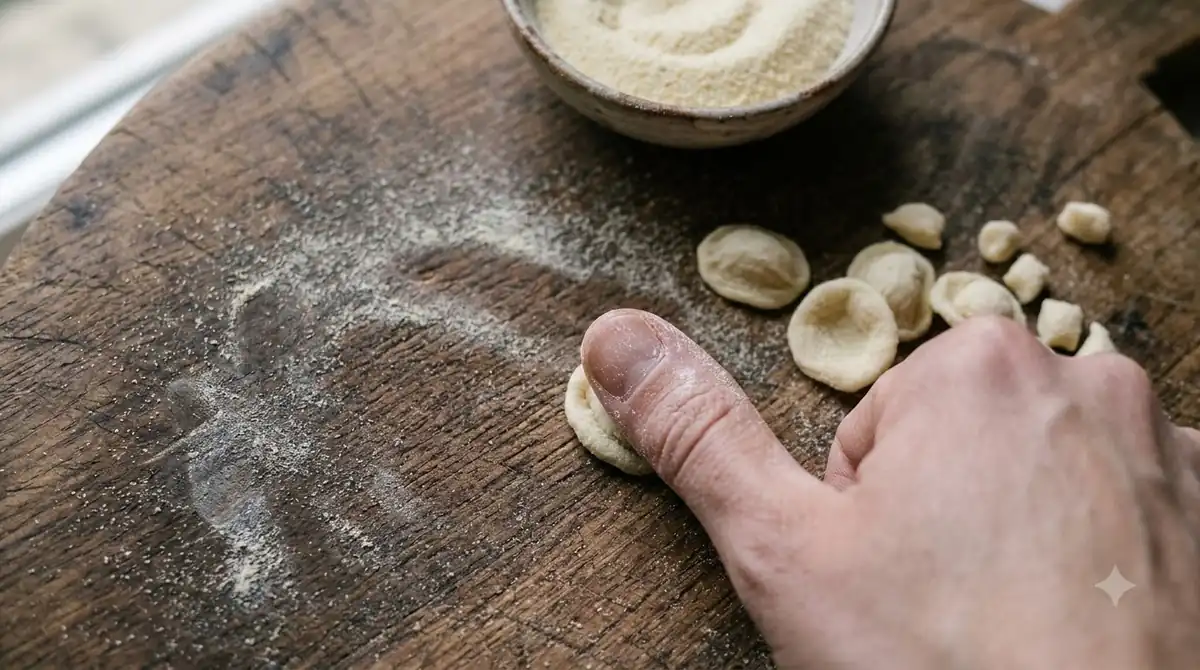

Capunti pasta is a short, oval pasta from Puglia in southern Italy, shaped like an open pea pod. Its three small divots catch thick sauce, so it works best with chunky ragù, ground meat or a hearty tomato sauce. It is a poor match for thin, watery sauces.
It is traditionally made from durum flour, semolina and water, and you can shape it by hand without a pasta machine.
Where does capunti pasta come from?
Capunti pasta comes from Puglia, the region at the heel of Italy’s boot, according to Food Republic and Tasting Table.
Wikipedia lists the place of origin only as Italy and gives no regional detail, so the Puglia attribution comes from those two food publications. Both sources describe the same shape, which is why the region is widely repeated for this pasta. Because the shape is hand-formed, home cooks can make it with a few basic ingredients and no pasta machine.
For shopping, the region is a useful label to look for on imported packs, while the shape tells you how the pasta behaves in the pot and on the plate.
What shape does capunti have?
Capunti is a short, convex oval shaped like an open pea pod, with three divots on each piece that help it hold sauce.
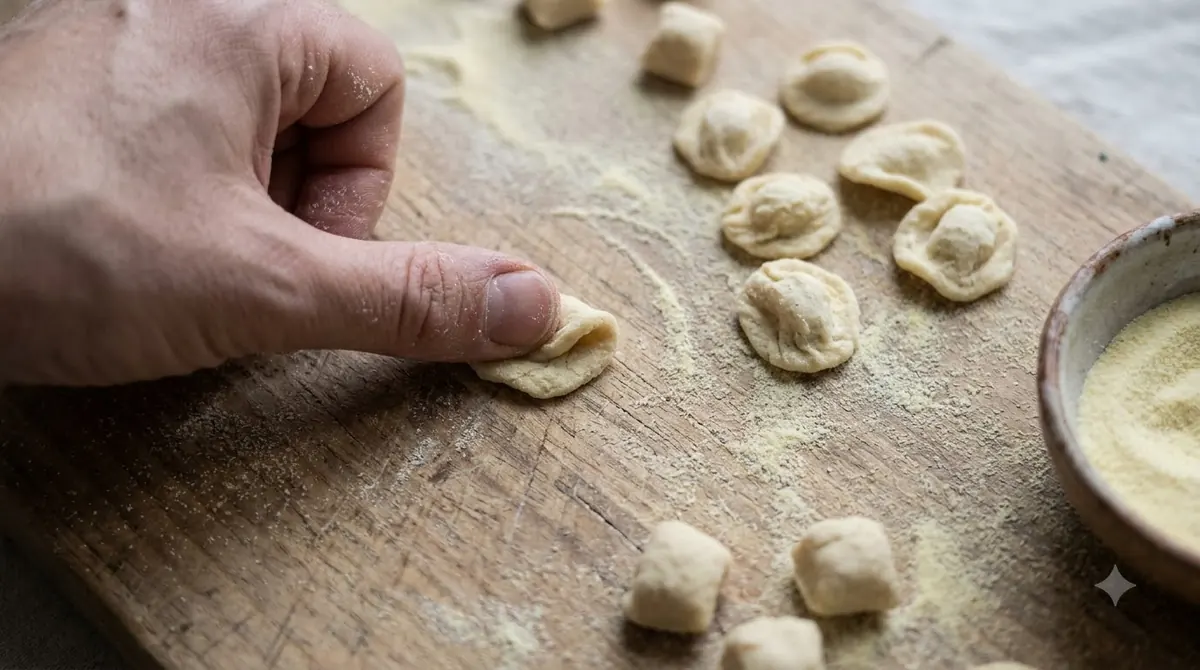
Tasting Table describes the divots as made specifically for scooping up sauce, and argues that few short shapes hold as much sauce as capunti pasta. Each piece shares the same features, which makes the shape easy to recognize in a bag or on a plate:
- A short, convex oval body
- An open, pea-pod profile
- Three divots on each piece for catching sauce
The divots act as small pockets, so each piece picks up more sauce than a smooth tube would. That difference is the main reason to choose this shape over a plain short pasta when you plan the sauce.
How do you make capunti pasta at home?
Food Republic’s traditional method uses 6 ounces each of durum flour, semolina and water, with a 20-minute rest before shaping.
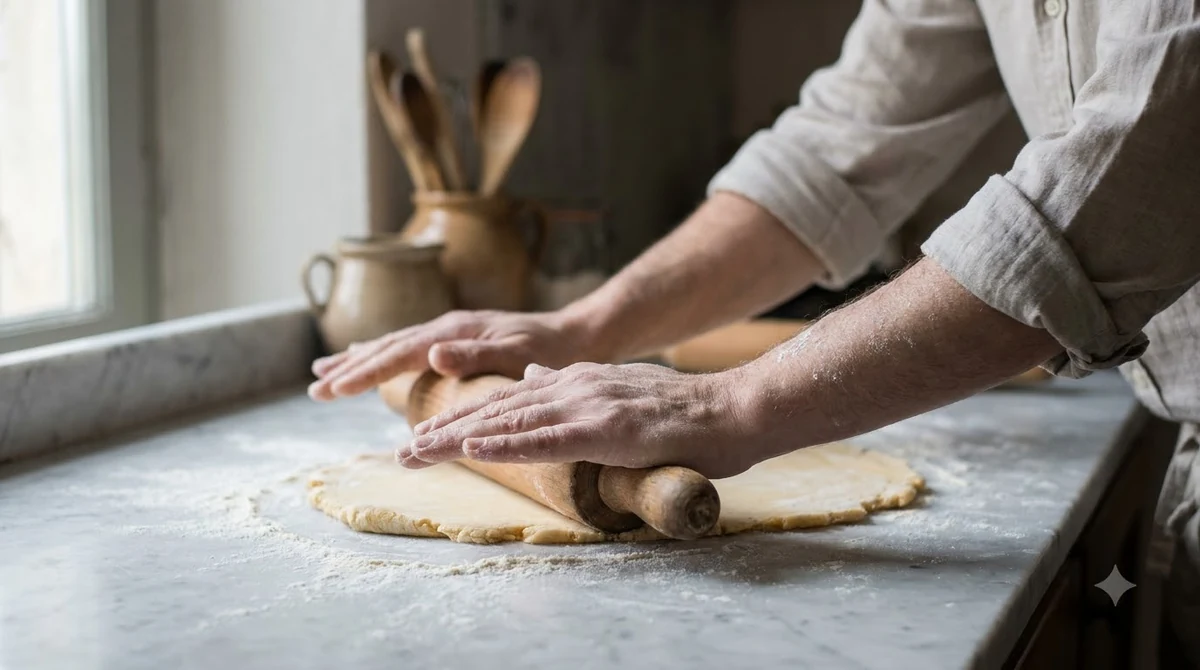
Traditional versions skip eggs and a pasta machine, so the dough is simple to mix by hand. Follow these steps to shape capunti pasta:
- Combine 6 ounces durum flour, 6 ounces semolina and 6 ounces water, adding a little more water if the dough feels dry. Saffron is optional for color.
- Wrap the dough in plastic and let it rest for 20 minutes.
- Cut off a 4 1/2-ounce piece and roll it into a rope about a yard long, spreading your fingers as you roll.
- Slice the rope into sections about 5 centimeters long and round each piece into a small bean-pod shape.
- Roll each piece under the tips of two fingers with slight pressure to make the indentation. A finished piece should look like an open pea pod.
Work in batches and keep the pieces you are not shaping covered, so the dough stays soft and the indentations hold their shape. If you prefer a tool for similar shells, see our guide on how to use a cavatelli maker.
The recipe uses equal weights of durum flour, semolina and water, which makes the ratio easy to remember. Mix until the dough comes together, and if it stays crumbly, add a small splash of water and rest it again before you shape it.
How long does capunti pasta take to cook?
In the sources reviewed, fresh capunti cooks in 2 to 4 minutes, while one source gives about 9 minutes for its version.
| Source | Type of pasta | Cook time |
|---|---|---|
| Food Republic | Homemade, fresh | 2 minutes |
| Food Network recipe | Fresh, boiled until cooked through | 3 to 4 minutes |
| Tasting Table | Not specified | About 9 minutes |
The Food Network capunti recipe boils the pasta until it is cooked through, which takes 3 to 4 minutes.
The sources do not always say whether the pasta is fresh or dried, so the times disagree. Check the package for your type, then taste a piece before the earliest time it gives.
The Food Network recipe gives a clear sequence for the sauce. The garlic cooks for 1 minute, then the cherry tomatoes cook for about 10 minutes, until they burst and break down. Start the pasta water while the tomatoes cook, so the pasta and sauce finish together.
Which sauces go best with capunti pasta?
Tasting Table recommends thick, chunky sauces such as Bolognese or ragù for capunti, because the divots catch sauce and small pieces of meat.
Thin sauces run off the pasta, so save them for shapes with a smoother surface. Three sauces suit capunti pasta well:
- Bolognese or ragù, the classic match for a slow-cooked meat sauce
- Golden cherry tomatoes cooked down with garlic and olive oil, finished with basil, torn burrata and grated Parmigiano-Reggiano
- Other chunky vegetable sauces that have enough body to cling to the divots
Toss the drained pasta with the sauce over low heat until the sauce clings to each piece. The sauce should coat the pasta, not pool in the bottom of the bowl.
Who should skip capunti pasta?
Skip this shape if you plan a light, brothy dish or a thin oil-based sauce, because the divots only add value when a thick sauce fills them. A short pasta with a smooth surface suits those dishes better, and it avoids a sauce that slides off the pasta and pools on the plate.
What mistakes should you avoid with capunti pasta?
The main mistakes are pairing capunti with a thin sauce and cooking it for a time that does not match your type of pasta.
- Serving it with a thin, watery sauce that slides off the divots
- Boiling for a fixed time without checking whether the package is for fresh or dried pasta
- Leaving shaped pieces uncovered, so the dough dries out and the indentations crack
Keep the pieces covered until they go into the water, and use a large pot so they do not stick together.
Overcooking is the other common error. Pull the pasta at the earliest time on the package or in the recipe, then finish it in the sauce so it absorbs flavor without going soft.
What can you use instead of capunti pasta?
Food Republic says gemelli, rigatoni or ziti can replace capunti in any recipe that calls for short pasta.
Pick a shape with ridges or a hollow center so the sauce still has something to cling to. A chunky ragù works with all three, while a light oil-based sauce suits a long pasta better.
Gemelli, rigatoni and ziti all have a short body that can carry a chunky sauce, so swap them one for one when a recipe calls for capunti. Keep the cooking time on the package in mind, since each shape has its own schedule.
Frequently Asked Questions
Is capunti pasta fresh or dried?
Both forms exist. Baldor and ICA sell fresh and dried versions online. Cook times depend on which type you buy, so read the package first and taste a piece before draining the pot.
Where is capunti pasta from?
Capunti pasta comes from Puglia in southern Italy, according to Food Republic and Tasting Table. Wikipedia lists its place of origin only as Italy, and both recipe sources agree on the region.
Can you make capunti pasta without a pasta machine?
Yes. Food Republic describes traditional versions made by hand with no egg and no machine, by rolling a rope of dough and pressing each piece into shape with two fingers.
What is the best sauce for capunti pasta?
Thick, chunky sauces such as Bolognese or ragù are the best fit, according to Tasting Table. The divots catch chunks of meat and sauce that a thin sauce would miss.
How long should you boil capunti pasta?
The sources give 2 minutes for one fresh version, 3 to 4 minutes for a fresh recipe, and about 9 minutes for another. Check the package and taste a piece before draining the pot.
Before you drain the pot, taste one piece, because fresh and dried capunti do not cook at the same speed. A thick ragù or a cherry tomato sauce gives you the best result with this shape, and keeping shaped pieces covered until they go into the water helps them hold their form. Explore more shapes in our Learn guides.
 8 min readLearnReginette Pasta: Shape, Origin and 5 Best SaucesUpdated Nov 11, 2026
 9 min readLearnLagane Pasta: Origins, Shape and a Homemade RecipeUpdated Nov 6, 2026
 9 min readLearnCiriole Pasta: Origin, Dough and How to Shape ItUpdated Nov 10, 2026
 7 min readLearnSedani Pasta: Shape, Origin and How to Cook ItUpdated Nov 10, 2026
 9 min readLearnFoglie d Ulivo Pasta: Olive-Leaf Shape, Origin and How to Make ItUpdated Nov 11, 2026
 8 min readLearnTrottole Pasta: The Spiral Shape, Its Origin and How to Cook ItUpdated Nov 11, 2026