
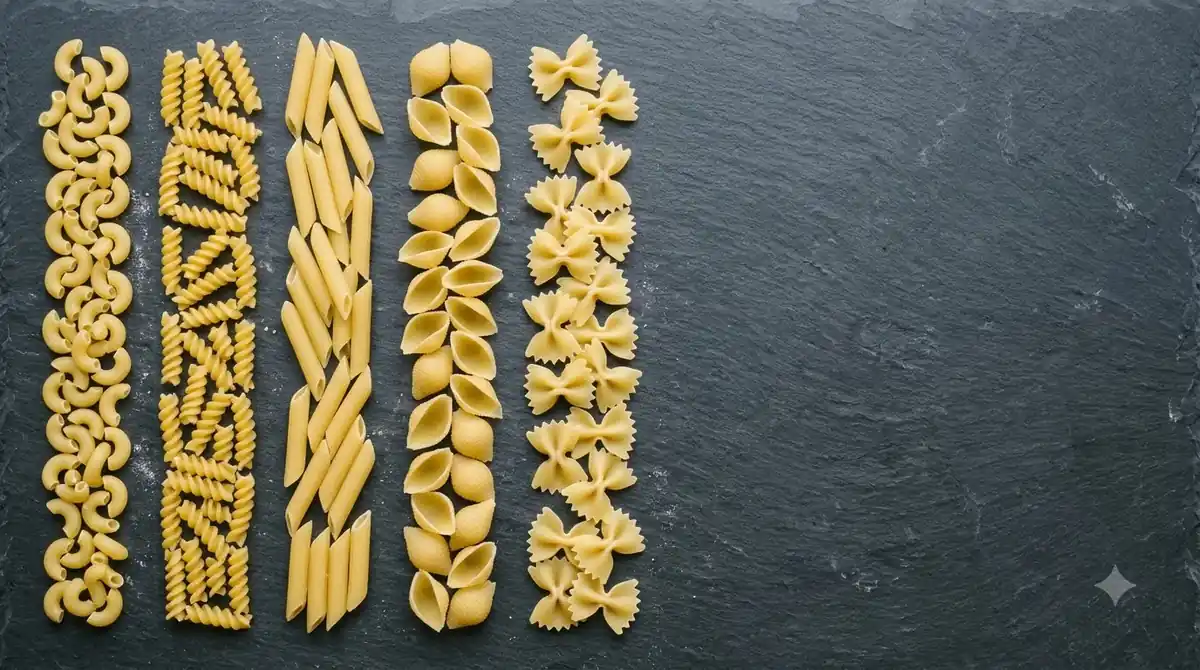

Sedani pasta is a short Italian tube with a slight bend, a little larger than macaroni. Its name is the Italian word for celery, and it is made from durum wheat and water. You will find it in two surfaces, smooth or grooved, and the surface you choose changes which sauces work best.
Pick the grooved version of sedani pasta when you want a thick sauce to cling to it. Choose the smooth version for lighter sauces and simple dishes.
What Is Sedani Pasta and What Does It Look Like?
Sedani is a short tubular pasta from Italy, a little larger than macaroni and with a similar slight bend.
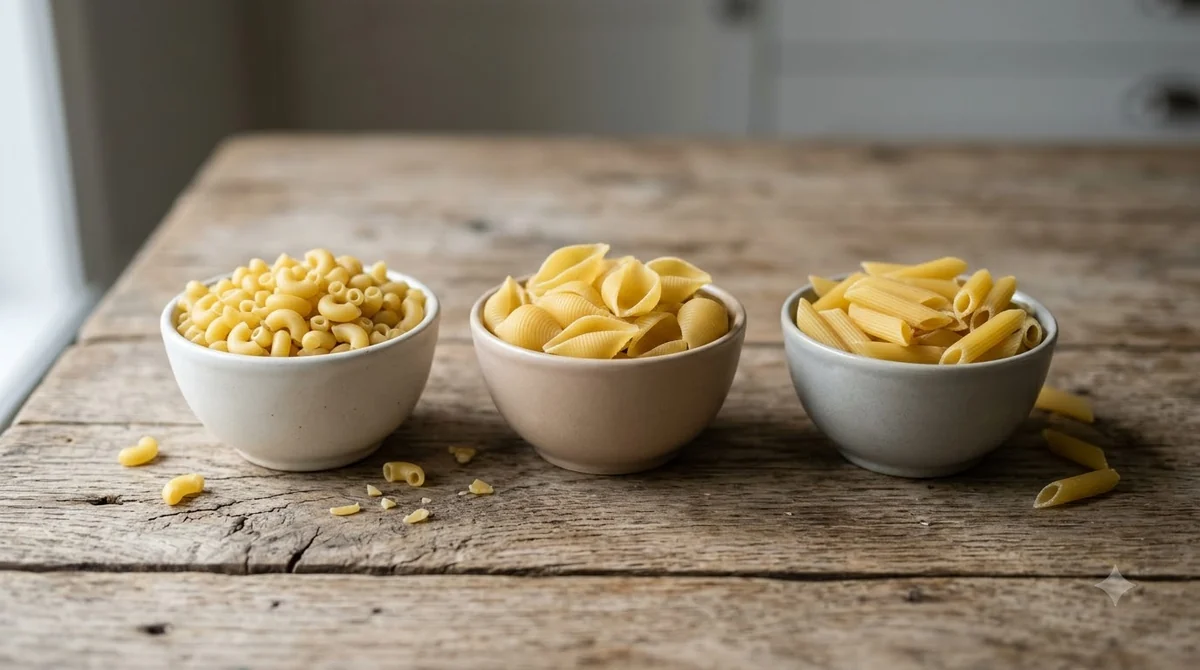
According to the Wikipedia entry on sedani, the pasta is made from durum wheat and water. The pasta is a little larger than macaroni, with a similar slight bend.
Sedani comes in two forms. Smooth sedani, called sedani lisci, has a plain surface. Sedani rigati has a deep groove running along its length, which gives it the look of a celery rib and is the form most people mean when they say sedani pasta.
Read the front of the package for the word rigati or lisce, because the shape name alone does not tell you which surface you are buying.
Why Is It Called Sedani, and What Is Sedanini?
Sedani means celery in Italian, and the pasta took the name after it was first called zanne d’elefante, or elephant tusks.
Wikipedia says the pasta was renamed after the ivory trade was banned. The grooved version is compared to a celery stalk, which fits the new name.
The Pasta Project says the smooth form was originally invented in Naples, and that early versions were called elephant teeth. Wikipedia lists Italy as the place of origin, so treat the Naples account as the most common explanation rather than a settled fact.
Sedanini is the smaller version of the same shape, and its name is the diminutive of sedani. The Pasta Project notes that sedanini is often used in soups or with light, simple sauces, so it is a better fit than sedani rigati for those dishes.
Which Sauces Suit Sedani Rigati?
Sedani rigati suits sauces that can settle into its grooves, such as meat, mushroom and sausage sauces.
The grooves help the pasta hold sauce, so heavier sauces stay on the pasta instead of pooling in the bowl. The Pasta Project’s page on sedani rigati lists meat, mushroom and sausage sauces as good partners, along with baked dishes and a simple tomato and basil sauce.
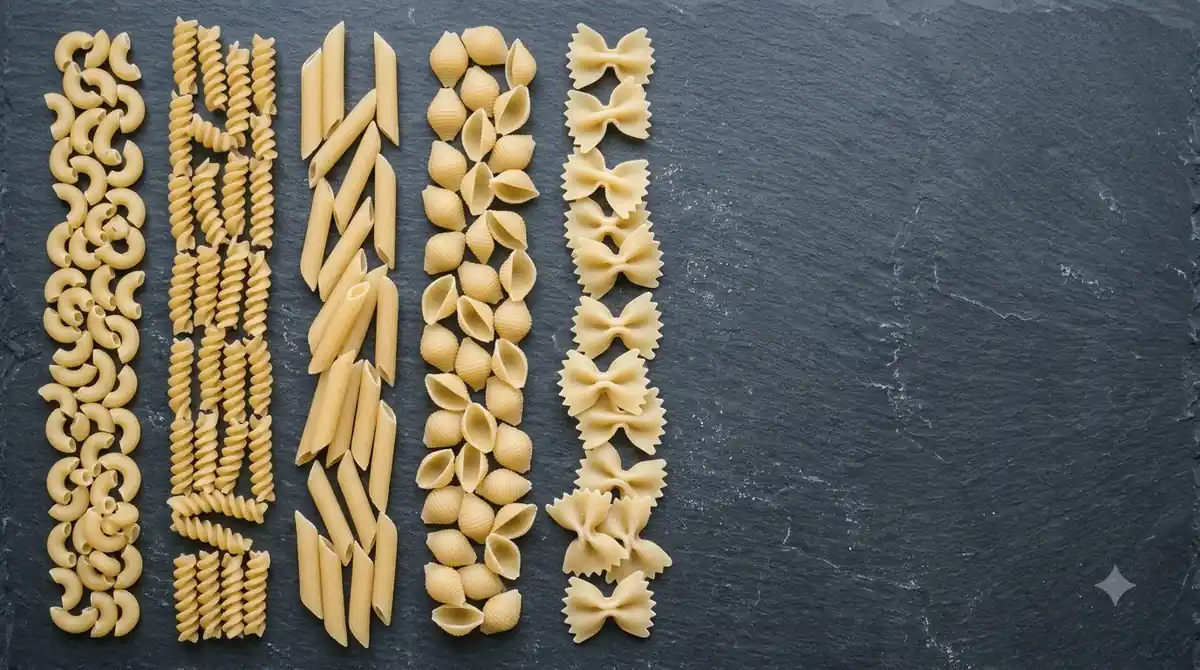
Smooth sedani lisci suits lighter sauces, and sedanini suits soups and light dishes, such as a bowl of pasta e fagioli. Dried pasta in general is often served in hearty dishes such as ragù, soups and casseroles, which fits sedani rigati well.
The table below compares the three forms for quick decisions. The general rule for short pasta is the same: its shape holds thick sauce better than long strands do.
| Form | Surface | Best sauce or use |
|---|---|---|
| Sedani rigati | Grooved | Meat, mushroom and sausage sauces; baked dishes |
| Sedani lisci | Smooth | Lighter sauces and simple tomato and basil |
| Sedanini | Smaller tube | Soups and light, simple sauces |
Recipe sites show the same range. GialloZafferano lists sedani rigati in pasta alla Norma, with tomato sauce, fried aubergines and ricotta, and in a dish with shrimp, cherry tomatoes and red onion. Those recipes show the shape working with both rich and bright flavors.
How to Cook Sedani Pasta Well
Cook sedani in a large pot of boiling water that has been salted, and stop at al dente. Follow the time printed on the package, because the sources checked for this article do not give a standard cooking time.
- Bring a large pot of water to a rolling boil and add salt before the pasta goes in.
- Add the sedani and stir it early so the pieces do not stick together.
- Start tasting at the time on the package and drain when the center has a slight bite.
- Save a splash of the cooking water before you drain the pasta, since starchy pasta water helps the sauce cling.
- Toss the sedani in the pan with the sauce for about a minute, so the grooves take up the sauce.
If a recipe gives a cooking time that differs from the package, follow the package for your brand and taste the pasta before you drain it. Use the printed time for your own brand as the starting point.
The Wikipedia article on pasta describes Italian pasta as often cooked al dente, meaning still firm to the bite. Our guide to cooking pasta al dente explains how to test it.
Because sedani often finishes in the pan with sauce, pull it from the water when it is still firm. It softens further when it is tossed with the sauce, so a firm center at the drain gives you the best texture on the plate.
Common Mistakes With Sedani Pasta
The most common mistake with sedani pasta is serving sedani rigati with a thin sauce that runs off instead of clinging to the grooves.
A watery tomato sauce will pool at the bottom of the bowl, while a ragù or thick vegetable sauce stays on the pasta. If your sauce is thin, reduce it in the pan before you add the sedani.
Overcooking is the second mistake. Soft sedani loses its bite and breaks apart in baked dishes, so cook it to just al dente before it goes into the oven, where it keeps cooking. Check the package for the exact time.
These notes apply to general pasta cooking and to the pairing advice from The Pasta Project. They do not replace the instructions on your own package.
How to Choose and Store Sedani
Choose sedani rigati for sauce-heavy dishes and store dry sedani pasta in a sealed container away from heat and moisture.
Check the front label for rigati or lisce, then read the ingredient list if you need a gluten-free or other grain version. Packs of sedani are sold in many brands, so compare the surface before the price.
Keep dry sedani in its bag or a sealed jar in a cool, dry cupboard. Once opened, close the bag tightly, because moisture and strong smells can affect dry pasta.
Frequently Asked Questions
Is sedani pasta the same as sedanini?
No. Sedanini is the smaller version of the same shape. Sources describe it as a fit for soups and light, simple sauces, so choose it for lighter dishes. Sedani pasta in the larger size is the better choice for sauce-heavy dishes.
Can you use sedani pasta in soup?
Yes, but the smaller sedanini is the form sources recommend for soups. Start with sedanini for soup, and check the package for cooking time because the sources do not give one for sedani.
Is sedani pasta smooth or ridged?
It is both. Sedani lisci has a smooth surface, and sedani rigati has a deep groove along its length. Check the package label for the surface you want before you buy.
Does sedani pasta have a standard cooking time?
The sources checked for this article do not give a standard time. Follow the time on your package, and taste the pasta before that time to find the al dente point.
For a similar short tube, try mostaccioli pasta, and find more shapes in the pizza and pasta guides. For the best result with sedani pasta, match sedani rigati to a sauce with body and keep the smooth form for lighter dishes. Check the package for cooking time, because brands differ, and taste before you drain.
 7 min readLearnCapunti Pasta: Shape, Origin, Recipe and Best SaucesUpdated Nov 11, 2026
 9 min readLearnCiriole Pasta: Origin, Dough and How to Shape ItUpdated Nov 10, 2026
 8 min readLearnReginette Pasta: Shape, Origin and 5 Best SaucesUpdated Nov 11, 2026
 9 min readLearnFoglie d Ulivo Pasta: Olive-Leaf Shape, Origin and How to Make ItUpdated Nov 11, 2026
 8 min readLearnTrottole Pasta: The Spiral Shape, Its Origin and How to Cook ItUpdated Nov 11, 2026
 9 min readLearnLagane Pasta: Origins, Shape and a Homemade RecipeUpdated Nov 6, 2026