
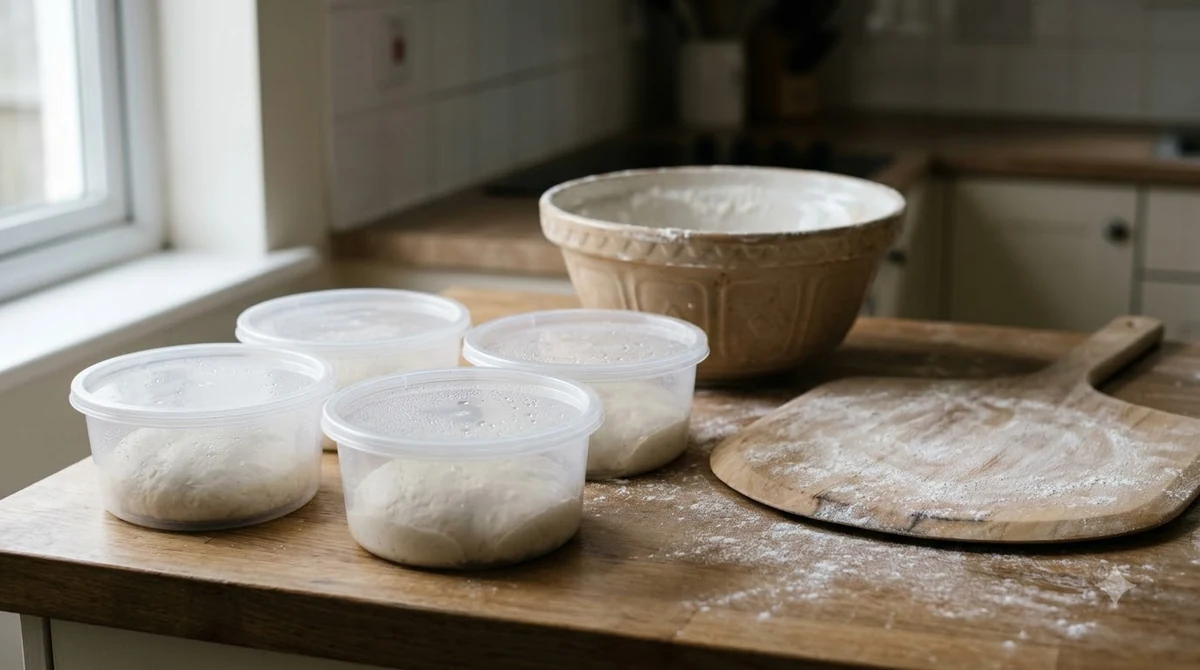

A 24 hour pizza dough is a dough that rests in the fridge for at least 24 hours before you bake it. The long, cold rest lets yeast and enzymes build flavor slowly, which gives a chewier, airier crust with less work during the evening.
Stronger flour can handle a longer rest, so 24 hours is the minimum rather than the ideal for every 24 hour pizza dough. Use the timeline in this guide to plan a 24 hour pizza dough for a weeknight bake, and move to a longer rest when you want more depth.
What a 24 hour pizza dough does to the crust
A 24 hour pizza dough gets its flavor from a slow cold rest, and Food Republic gives 24 hours as the minimum cold-ferment time. Food Republic’s cold fermentation guide describes the ideal window as three to five days, so the 24 hour mark is a starting point.
During the cold rest, the yeast works slowly while the dough’s enzymes break complex carbohydrates into simpler sugars. Stadler Made explains that yeast also produces organic acids and alcohol, and those compounds account for much of the taste difference between a same-day dough and a cold-rested one. The slow pace also gives the gluten time to develop, which Stadler Made’s technique notes link to better elasticity and a lighter texture.
A 24 hour rest suits a weeknight schedule: you mix once in the evening, refrigerate the dough, and bake the next day. The trade-off is less depth of flavor than a 24 hour pizza dough gets from a 48 or 72 hour rest, and a bigger risk of over-fermentation if you push the yeast amount too high.
Fridge temperature for a 24 hour cold ferment
Keep the dough at about 39 to 41°F (4 to 5°C) for the full 24 hours, which is the range Stadler Made gives for cold fermentation.
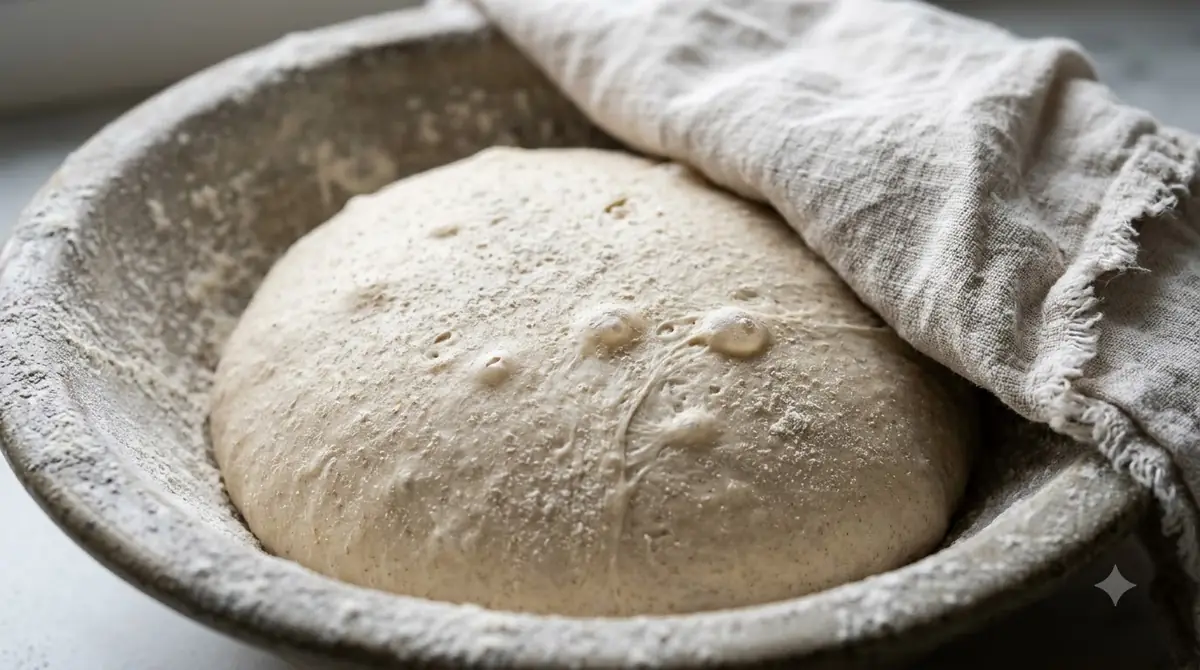
Stadler Made’s step-by-step guide gives a wider working range of 4 to 7°C (39.2 to 44.6°F). For a 24 hour pizza dough, aim for the lower end of that range, because a warmer fridge speeds the rise and shortens the window before the dough over-ferments. Check the real temperature with a fridge thermometer rather than trusting the dial alone.
For a 24 hour rest, these habits keep the dough in the right range:
- Keep the dough at 39 to 41°F (4 to 5°C) for the whole rest.
- Cover the dough so its surface does not dry out.
- Check your fridge temperature with a thermometer before you rely on a 24 hour schedule.
- For food storage limits, check the current USDA refrigerator guidance rather than a number from memory.
A 24 hour pizza dough timeline from mixing to baking
Mix the 24 hour pizza dough in the evening, rest it briefly at room temperature, then chill it for at least 24 hours. Warm it up and give it a final rest before you shape and bake.
- Mix the dough and let it rest at room temperature for about 30 minutes in summer or about 1 hour in winter, once the yeast starts to activate.
- Cover the dough and refrigerate it for at least 24 hours at 39 to 41°F (4 to 5°C).
- Take the dough out of the fridge 20 to 30 minutes before you shape it.
- Divide and shape the dough into balls, cover them, and rest them for 2 to 4 hours at room temperature until the dough is at least 18°C (64.4°F) inside.
- Stretch and bake once the dough has proofed. Food Republic says this second proof after shaping usually takes about five hours at room temperature. Our how to get crispy pizza crust guide covers the bake itself.
Stadler Made gives a 2 to 4 hour rest after portioning, while Food Republic puts the room-temperature proof at about five hours. Use the timing in the table as a guide, and judge the dough by how soft and airy it feels before you stretch it.
| Stage | Time | Notes |
|---|---|---|
| Rest before chilling | 30 minutes (summer) or 1 hour (winter) | Lets the yeast start to activate |
| Cold rest | 24 hours minimum | 39 to 41°F (4 to 5°C) in the fridge |
| Warm-up before shaping | 20 to 30 minutes | Out of the fridge, covered |
| Final rest after portioning | 2 to 4 hours | At least 18°C (64.4°F) inside before shaping |
| Second proof after shaping | About 5 hours | Room temperature, per Food Republic |
How much yeast to use for a 24 hour ferment
Use 0.5 to 1 percent yeast based on flour weight for a 24 hour ferment, since Stadler Made reports little difference across that range once the dough is chilled. If you are unsure how the amount changes with batch size or rise time, our guide to the right amount of yeast for pizza dough covers the common ranges.
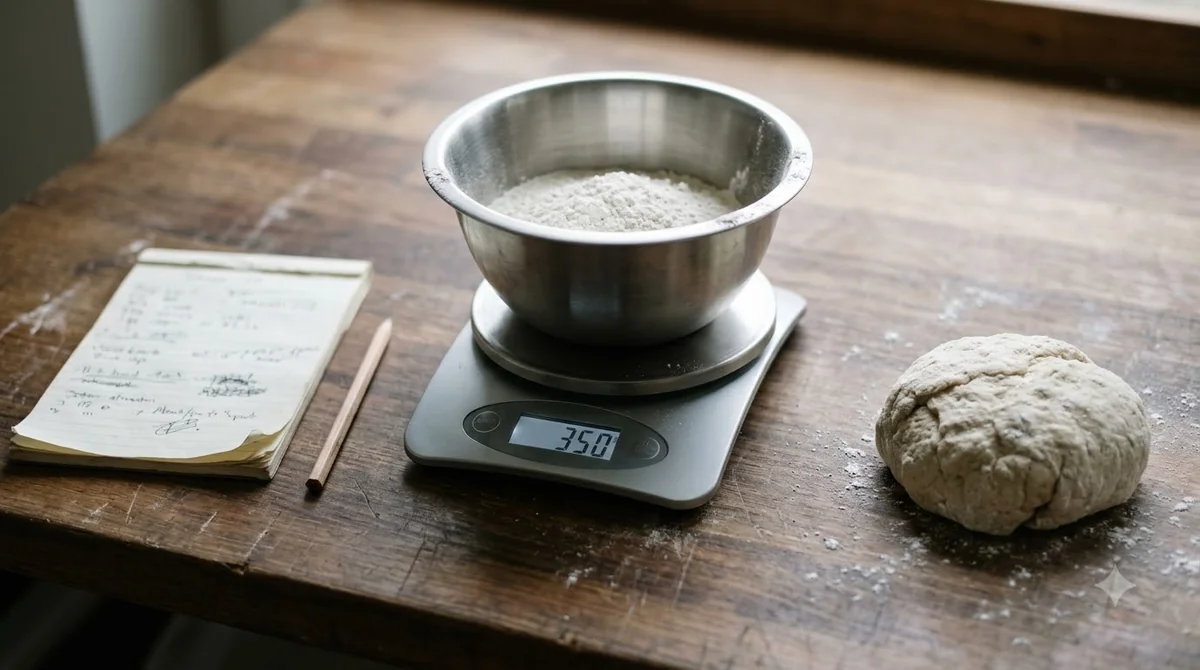
Yeast amount matters in the first hours more than many home bakers expect. Stadler Made notes that a high yeast amount produces a large rise during the first hours in the fridge, and it can over-ferment after the dough moves to room temperature. For a 24 hour pizza dough you plan to bake on schedule, stay in the middle of the range rather than pushing toward the top.
Weigh the yeast instead of measuring it by volume. Percentages only work when the flour weight is the base, so a batch with 500 grams of flour at 0.5 percent yeast needs 2.5 grams of yeast, and at 1 percent it needs 5 grams.
Keep the rest of the recipe steady while you test a 24 hour pizza dough. Change one variable at a time, such as the yeast amount or the fridge setting, so you can tell which change made the difference in your next bake. Our 70 hydration pizza dough recipe is a handy base for those tests.
When to go past 24 hours
For 12 percent protein flour, Stadler Made gives 24 to 48 hours in the fridge, and Food Republic calls three to five days the sweet spot for flavor.
| Schedule | Best for | Source |
|---|---|---|
| 24 hours | A weeknight bake with a clear flavor gain | Food Republic minimum |
| 24 to 48 hours | 12 percent protein flour | Stadler Made |
| 3 to 5 days | Deeper flavor and a chewier, airier texture | Food Republic sweet spot |
| 8 to 72 hours | The general range for cold fermentation | Stadler Made |
Flour strength changes the timing for any 24 hour pizza dough. Stronger flour tolerates a longer rest, so check the protein content on the bag before you pick a schedule. If you are unsure which bag to buy, our what is 00 flour guide explains one common option. Use the ranges that match your flour rather than copying a fixed number from another recipe.
If you plan to keep a dough past 24 hours, use the lower end of the yeast range and check the dough each day for a rise that has stalled or collapsed. Bake on schedule rather than leaving the dough out for hours.
Common mistakes with a 24 hour dough and how to fix them
The most common mistake with a 24 hour pizza dough is too much yeast, which can over-ferment the dough once it reaches room temperature.
Stadler Made warns about over-fermentation after the dough leaves the fridge. The fix is to keep the yeast amount in range, hold the fridge at 39 to 41°F (4 to 5°C), and bake on schedule.
- Too much yeast: stay within 0.5 to 1 percent of the flour weight.
- Fridge running warm: check it with a thermometer and adjust the setting.
- Dough too cold at shaping: allow a 20 to 30 minute warm-up and aim for at least 18°C (64.4°F) inside.
- Skipping the final rest: give the shaped balls 2 to 4 hours before you stretch them.
Frequently Asked Questions
Can I make pizza dough 24 hours ahead?
Yes. A 24 hour pizza dough is built for that timing: mix it in the evening, refrigerate it, and bake the next day. Stadler Made gives 24 to 48 hours as the range for 12 percent protein flour, so a 24 hour rest falls within it. To hold dough longer than that, read whether you can freeze pizza dough in our can you freeze pizza dough guide.
Is 24 hours long enough for cold fermentation?
It is the minimum that Food Republic gives for cold fermentation. A 24 hour pizza dough usually has more flavor than a same-day dough, but Food Republic describes three to five days as the sweet spot.
Can I use 24 hour pizza dough after two days?
Often yes, if your flour and yeast suit a longer rest. Stadler Made’s 24 to 48 hour range for 12 percent protein flour covers two days, so check your flour’s protein content and watch the dough closely.
Why is my 24 hour pizza dough flat or over-risen?
The most likely causes are yeast amount and fridge temperature. Stadler Made notes that high yeast drives a large early rise and over-fermentation after the dough warms. Keep the yeast at 0.5 to 1 percent of flour weight and check the fridge temperature.
How long should dough warm up before shaping?
Stadler Made suggests 20 to 30 minutes out of the fridge before shaping, with the dough at least 18°C (64.4°F) inside. After you portion and shape it, rest the balls for 2 to 4 hours before you stretch them. If the dough turns sticky at this stage, see our pizza dough too sticky fixes.
A 24 hour pizza dough is the simplest way to get a cold-rested crust on a weeknight. Choose a 24 hour pizza dough schedule when you need dinner tomorrow, and move to 48 or 72 hours when you want deeper flavor and have room in your fridge.
 8 min readLearnPoolish Pizza Dough: How to Make It for Better FlavorUpdated Nov 10, 2026
 8 min readLearnTruffle Pizza Recipe: Easy Home Method With Real Truffle FlavorUpdated Nov 11, 2026
 9 min readLearnBread Flour vs All Purpose Flour for Pizza: Which Gives a Better CrustUpdated Nov 10, 2026
 8 min readLearnSemolina vs Cornmeal for Pizza Peel: Which Works BetterUpdated Nov 10, 2026
 9 min readLearnHow to Thicken Pasta Sauce Without Ruining the FlavorUpdated Nov 12, 2026
 8 min readLearnHow to Finish Pasta in the Sauce for Better CoatingUpdated Nov 10, 2026