
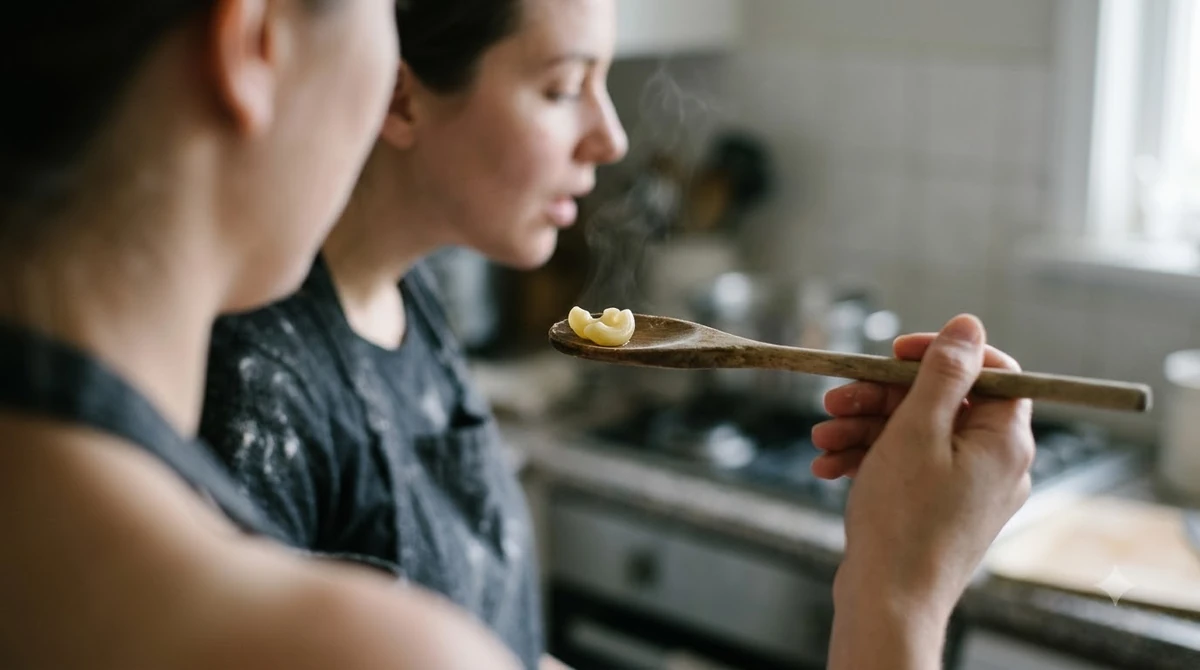

A pasta fork is a long-handled serving utensil with upward-pointing tines that lifts long strands like spaghetti, linguine and fettuccine out of boiling water and onto the plate. The tines catch the strands so they do not slide off, and many designs have a bowl with holes so water drains as you serve. When you are looking for the best pasta fork for your kitchen, the decisions come down to tine shape, handle length, material and whether it can take boiling water every day.
What a Pasta Fork Is and Why It Works for Long Pasta
A pasta fork is a serving utensil for spaghetti and other long pasta. It works like a large serving spoon with teeth: you lift a portion from the pot or bowl and hold the strands in place while you move them to a plate. Some people also call it a spaghetti spoon, pasta spoon or spaghetti server, because the same tool is sold under all of these names. The head is either perforated or prong-like, and the shape is designed to make long pasta easier to grip.

The main reason to use one instead of tongs or two regular forks is control. Long strands tend to slip and clump, and a fork with upright tines can separate a stuck clump before it lands on the plate. The same features that help you serve also help you twirl, which is why the tool is useful in the pot as well as at the table. An explainer on the pasta fork and its tines describes the tines as the part that catches the strands and keeps them from sliding away.
How to Choose a Pasta Fork: Tines, Handle, Length and Material
A good pasta fork for everyday use has tines that are long enough to reach the bottom of the pot, a handle you can hold comfortably with hot steam nearby, and a material that tolerates boiling water. The right choice depends more on how you cook than on any single brand. If you also own a spoon-style server, see how to use a spaghetti spoon for how the two tools differ in practice.
Tines and Bowl Shape
Look for tines that point straight up from the bowl. This shape catches strands that would otherwise slide off. A bowl with holes helps drain excess water as you lift, which keeps the plate from getting watery and helps keep your hands dry. A deeper bowl holds more pasta per lift, while a shallow bowl is easier to slide under a tangle of noodles.
Handle and Length
Length matters when you cook in a deep stockpot. The fork should reach the bottom of the pot without leaving your wrist close to the steam. Hold a fork in the store if you can, because a handle that feels balanced in one hand can feel awkward in another. A long, thin handle is easier to control, while a wide handle can be more stable for heavy portions.
Materials
Metal is the classic material for a pasta fork and is the most common choice. Wood suits very acidic sauces, such as tomato-heavy sauces, because acids can react with some metal finishes and affect flavor. Plastic is light, but you should check its heat resistance before you use it in boiling water, since it can soften or melt.
Best Pasta Fork Features Compared
Use the table below as a checklist rather than a ranking. Each feature changes how the fork handles long pasta, and the right balance depends on your pot, your sauces and how often you serve pasta. For a close alternative, browse a roundup of spaghetti spoons.
| Feature | What to look for | Why it matters |
|---|---|---|
| Tines | Pointing up from the bowl | Holds strands so they do not slide off |
| Bowl | Perforated for drainage | Less water on the plate |
| Handle | Long enough to reach the bottom of the pot | Keeps your hand away from steam |
| Material | Metal, wood or heat-rated plastic | Survives boiling water and acidic sauces |
| Surface | Smooth, few nooks | Easier to clean and less buildup |
Ask yourself which of these matters most for your cooking. If you make long pasta every week, the tines and bowl shape matter most. If you cook in a large stockpot, handle length comes first. If you make a lot of tomato sauce, a wood or heat-rated option may suit you better than a metal fork.
How to Use a Pasta Fork to Twirl and Serve
Using a pasta fork is simple once you know the sequence: drain or lift the pasta, gather a portion, twirl it gently and lift it onto the plate. The aim is a neat nest of strands rather than a tangle. A fork pairs well with the rest of the everyday tools for making pasta at home.
- Lower the fork into the pot and gather a small portion of pasta against the side of the pot.
- Twirl the fork slowly so the strands wind around the tines and sit still.
- Lift the portion over the pot and let the water drain through the bowl holes.
- Slide the strands onto the plate and, if needed, use the tines to lift a clump apart.
Work in small portions. A large lift is harder to control and can drop strands back into the water. For a sauce that is sticking to the strands, toss the pasta in the sauce before you plate it, rather than pouring sauce on top.
Pasta Fork or Spaghetti Server: Is There a Difference?
In most kitchens the pasta fork and the spaghetti server are the same tool under different names. The usual distinction is in the head: some have prongs that look like a fork, while others have a deep perforated scoop. Both are designed for long pasta, and both help you twirl and lift without breaking the strands.
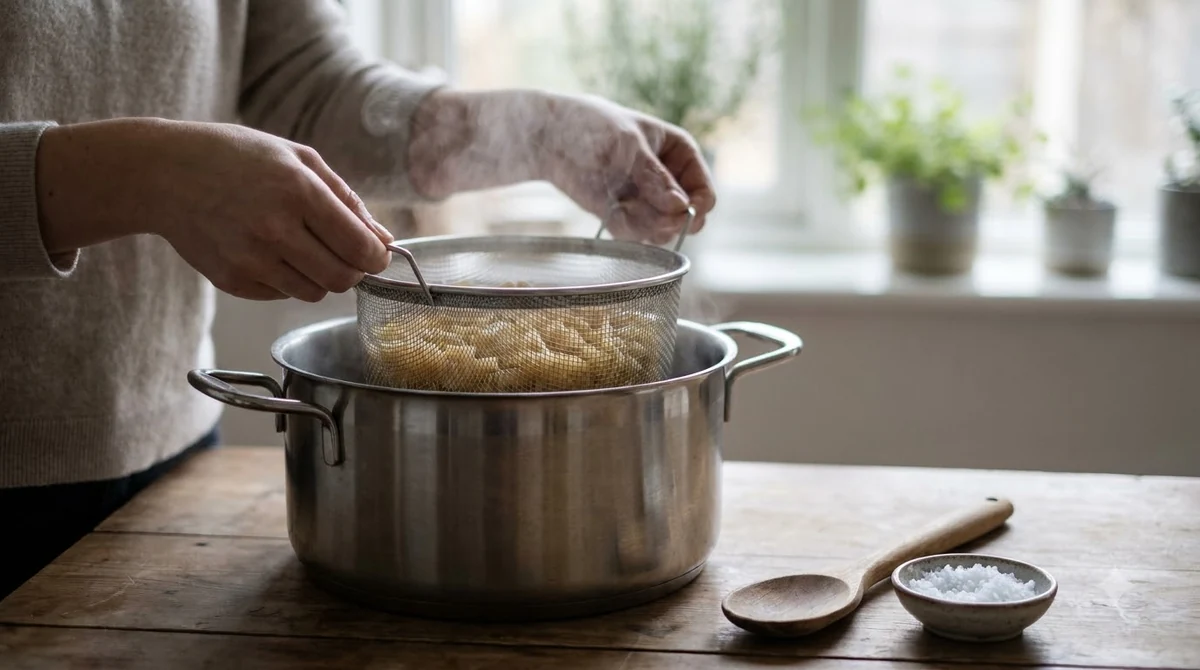
Tongs can grab pasta, but they tend to bunch strands together. A pasta fork keeps the strands more separated and is usually easier when you want a neat plate. Two regular forks work in a pinch, but they lack the bowl that drains water. The spaghetti server article describes the holes as a way to drain excess water and keep your hands dry while serving.
Care, Cleaning and Storage
A fork lasts longest when you clean it soon after use and avoid harsh treatment. Most of the damage comes from heat, trapped starch and storage that bends the tines.
Cleaning
Rinse the fork in warm water after each use, especially after sauces with oil or cheese. A heat-resistant fork can generally go in the dishwasher, but check the care label first. Wood should be washed by hand and dried right away rather than left to soak.
Storage
Store the fork in a drawer where the tines will not be bent by heavier utensils. Hanging it on a hook also works. Avoid designs with small nooks and crannies, where food and starch can build up over time and are harder to clean.
Frequently Asked Questions
What is a pasta fork used for?
A pasta fork is used to lift and serve long pasta such as spaghetti, linguine and fettuccine. Its upright tines hold the strands in place, and its bowl often has holes that drain water as you lift.
What material is best for a pasta fork?
Metal is the classic choice and works well for everyday use. Wood is a good option for very acidic sauces. Plastic can work too, but only if it is rated for heat, since it can soften in boiling water.
Is a pasta fork the same as a spaghetti spoon?
Usually, yes. The terms pasta fork, spaghetti spoon, pasta spoon and spaghetti server are used for the same kind of serving utensil. The main difference you will notice is the shape of the head, which can be prong-like or a perforated scoop.
Can I use a pasta fork for short pasta?
It is designed for long strands, so short shapes like penne or fusilli are harder to hold. A slotted spoon or tongs usually works better for short pasta and shapes that do not wind around the tines.
A pasta fork is a small purchase that makes long pasta easier to serve neatly. Choose tines that point up, a handle long enough for your pot, and a material rated for boiling water and your favorite sauces. Keep it clean and dry, and it will serve you well for many years of weeknight dinners.
 7 min readGear & PantryPasta Board: How to Choose, Use and Care for OneUpdated Nov 15, 2026
 9 min readGear & PantryPasta Drying Tray: How to Choose and Use OneUpdated Nov 17, 2026
 9 min readGear & PantryPasta Drying Rack: How to Choose and Use One at HomeUpdated Nov 16, 2026
 8 min readGear & PantryPasta Cutter Guide: 3 Types, Blades and How to Use OneUpdated Nov 10, 2026
 7 min readGear & PantryCorzetti Stamp: How to Choose the Right One for Home PastaUpdated Nov 10, 2026
 8 min readGear & PantryGozney Dome Cover: How to Choose and Use One SafelyUpdated Nov 8, 2026