
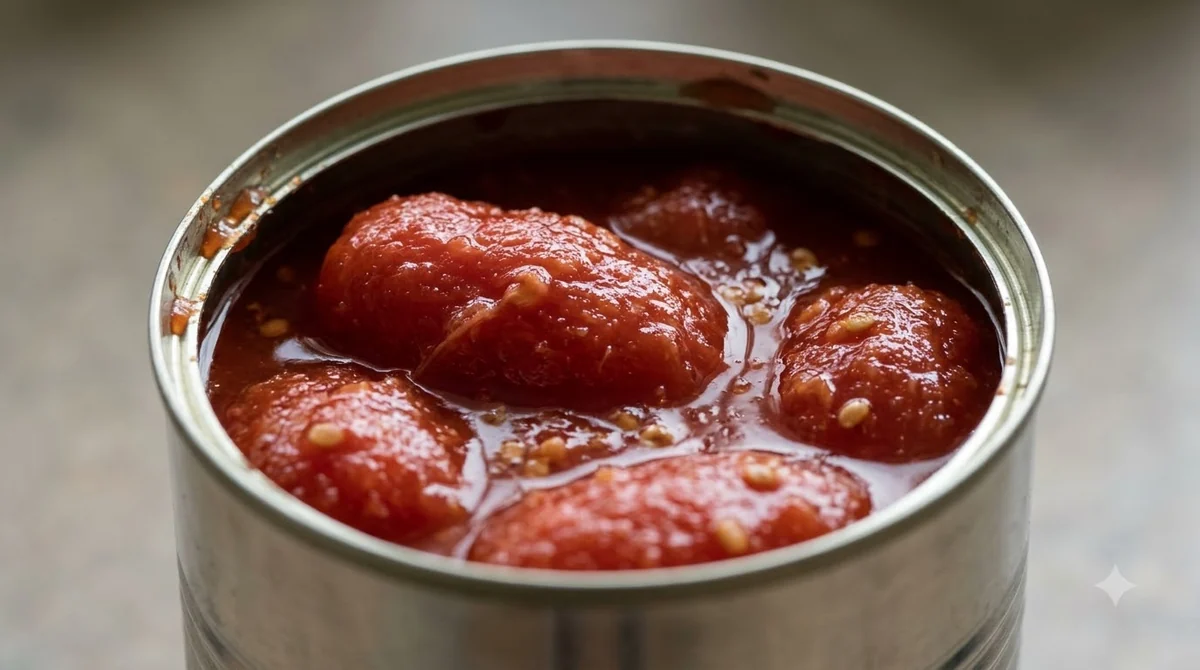

The best pizza sauce is a thick, well-seasoned tomato sauce made from good canned tomatoes, whether you buy it or make it at home. Store-bought bottles differ mainly in olive oil, herbs, salt and the origin of the tomatoes, so the label tells you more than the brand name does. Sauce that tastes of ripe tomato and stays on the dough without running is the one to look for.
Use the rankings below as a starting point for finding the best pizza sauce, then match the sauce to your toppings. A bottled sauce saves time, while a no-cook homemade sauce takes about two minutes once you have a can of tomatoes in the pantry.
| Pick | Best for | Key fact |
|---|---|---|
| Pomi Pizza Sauce | Best overall | Rated 10 out of 10 in one publisher’s ranking |
| Carbone Pizza Sauce | Runner-up | Rated 9.5 out of 10, with a bold tomato flavor |
| Rao’s Pizza Sauce | Pepperoni | Rated 9 out of 10, with olive oil and basil-oregano notes |
| Cento Fully Prepared Pizza Sauce | Anchovy pizzas | Rated 8.5 out of 10, thick and condensed |
| Great Value Pizza Sauce | Budget | Rated 6.5 out of 10, the lowest pick in the ranking |
The jarred sauces below are widely sold ready-to-use options you can compare by tomato origin, ingredient list and jar size. They overlap with the ranking above but are not an exact copy of it, so check the label on each one.

Pros & ConsViewHide
Reasons to buy
- Sold as a ready-to-use pizza sauce in a 14.1 oz carton
- Rated 4.7 stars on Amazon
- Same brand as the top pick in the Sporked ranking cited above
Reasons to avoid
- Only a few dozen Amazon ratings
- Carton is small if you bake several pizzas at once

Rao's Homemade Classic Pizza Sauce Made
Pros & ConsViewHide
Reasons to buy
- Made with Italian tomatoes and sold as a ready-to-spread pizza sauce
- 12.3 oz jar covers a couple of pizzas
- Rated 4.6 stars on Amazon
Reasons to avoid
- Small jar if you bake pizza often
- Costs more per ounce than store-brand pizza sauce

Bianco Dinapoli Organic New York Style Pizza
Pros & ConsViewHide
Reasons to buy
- Organic New York style pizza sauce
- 15 oz jar gives you room for several pies
- Comes from a long-standing pizza tomato brand
Reasons to avoid
- Rated 4.2 stars, lower than other picks
- Fewer than 200 ratings

365 by Whole Foods Market, Organic Pizza Sauce
Pros & ConsViewHide
Reasons to buy
- Organic pizza sauce at a budget price
- 14 oz jar
- Rated 4.6 stars across more than 8K Amazon ratings
Reasons to avoid
- Store brand, so ingredients can change between batches
- Mild flavor may need extra seasoning
What Makes a Pizza Sauce Worth Buying
A good pizza sauce tastes of ripe tomato, clings to the dough without running, and is seasoned without tasting harsh. Three checks cover most of what matters when you look for the best pizza sauce.
- Tomato flavor: the sauce should taste fresh and slightly sweet, not stewed or sour.
- Body: a thick sauce stays on the dough, while a thin one soaks in and softens the crust.
- Seasoning: salt should be noticeable but not sharp, and herbs should support the tomato rather than mask it.
Taste the best pizza sauce you find cold from the jar or the can before you decide. Heat and oven time change how salty and sharp a sauce seems, so a sauce that tastes a little strong straight from the container usually mellows on the pizza.
Best Pizza Sauce Brands Ranked
In one publisher’s ranking of the best pizza sauce brands, Pomi Pizza Sauce scored 10 out of 10 and Carbone scored 9.5, while the budget Great Value bottle came last at 6.5. Ranking the best pizza sauce by score alone can mislead, so treat these numbers as one reviewer’s view rather than a consensus.
The ranking, published by Sporked’s pizza sauce ranking, gave Paesana and Rao’s a 9 out of 10 each. Paesana was noted for its olive oil flavor and chunky tomatoes, and Rao’s for its olive oil, subtle garlic and herbs that taste of basil and oregano. Mezzetta Italian Plum Tomatoes and Cento Fully Prepared both scored 8.5. The reviewer suggested adding a little sugar or tomato paste to Mezzetta to balance its tartness, and described Cento as thick and condensed with a hint of sweetness.
The same ranking notes that it gives no sodium or sugar figures, so compare the nutrition panel yourself if salt matters to you. Use the ranking as a shortlist in your search for the best pizza sauce, not as a final verdict.

What the Label Tells You
The label is the fastest way to judge whether a jar holds the best pizza sauce for your money, and the tomato origin is the first thing to check. Look for the DOP seal if the sauce claims San Marzano tomatoes, because the seal is the only proof of the protected origin.
- Find the DOP seal. DOP stands for Denominazione d’Origine Protetta, which means protected designation of origin. According to Tasting Table’s guide to the DOP label, authentic cans should carry the seal, which may be printed in English as “Protected Designation of Origin” or PDO.
- Check the tomato form. DOP tomatoes are sold as whole peeled tomatoes, whole or cut in half, rather than diced, puréed or in cartons.
- Read the ingredient list. Tomatoes, olive oil, salt and herbs should come first. Long lists of sugar, starches or thickeners suggest a sauce that tastes flat.
- Compare sodium per serving on the nutrition panel. Sauces vary widely here, and the label is the only reliable number you have.
- Look for a country of origin. A sauce labeled as made in Italy with Italian tomatoes is a stronger starting point than one with no origin at all.
Be cautious with the name alone when you shop for the best pizza sauce. Tasting Table cites a 2017 report that “nearly 95%” of tomatoes labeled San Marzano were fake, and it notes that DOP is not regulated in the United States the way the USDA Organic label is. A seal you can see on the can is worth more than a name on the front of the jar.
Homemade Pizza Sauce in Two Minutes
A no-cook homemade version of the best pizza sauce needs one 28-ounce can of tomatoes and about 10 grams of fine sea salt, and it takes roughly two minutes to make. A fuller homemade pizza sauce recipe adds more tips. Use 2 to 3 ounces for a 12-inch pizza.
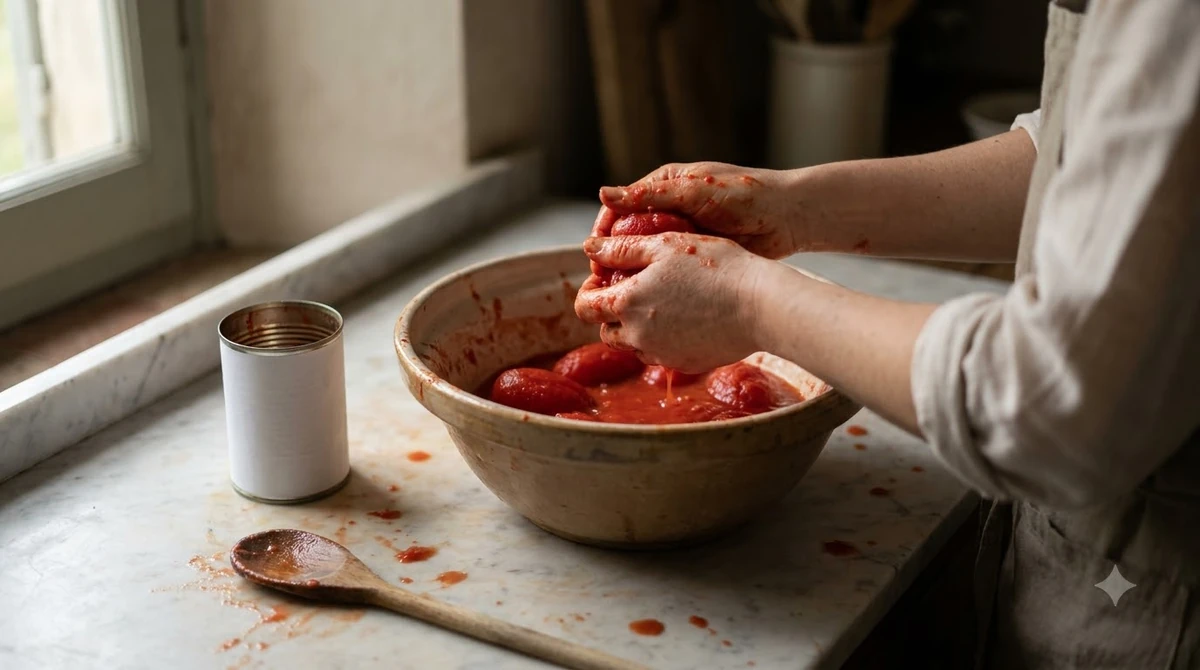
- Taste a spoonful from the can first. If it is sour or flat, a pinch more salt or a spoon of sugar can help, but start small.
- Crush the tomatoes by hand, or pulse them in a blender or food processor for about one second per pulse. Ground tomatoes need no prep.
- If the can holds watery juice, pour off the top layer so the sauce stays thick.
- Add the salt, plus the optional garlic, oregano and red pepper flakes if you like them. The recipe in Baking Steel’s no-cook pizza sauce method uses 1 minced garlic clove and 1 teaspoon of dried oregano as optional add-ins.
- Let it sit at room temperature. The sauce does not need cooking before it goes on the dough, because it bakes on the pizza.
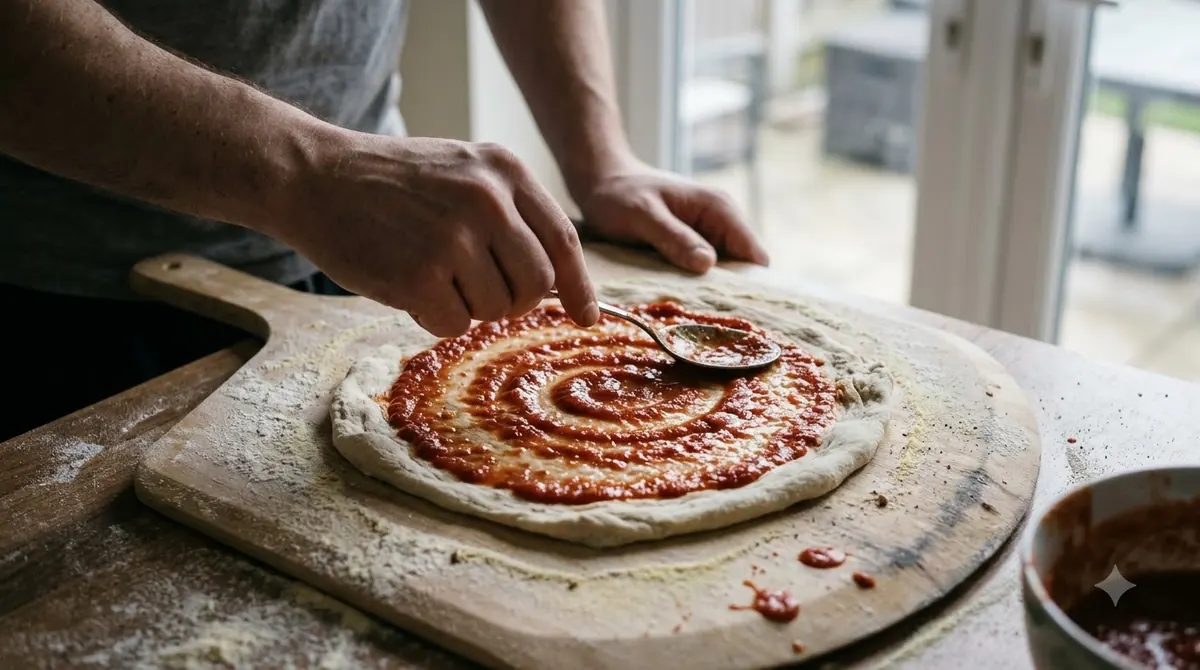
Spread the sauce over the dough and leave about a half-inch border clean around the edge. The same source notes that the sauce cooks in the oven, and it gives no oven temperature or bake time, so follow your oven’s guidance for the pizza itself. For layering order, see how to layer sauce, cheese and toppings.
Matching Sauce to Your Pizza Style
The right sauce depends on the toppings, because a herby, oily sauce can overpower a simple cheese pizza. Finding the best pizza sauce for a given pizza starts with the topping, not the brand.
| Topping | Sauce type to look for | Why, per the ranking |
|---|---|---|
| Pepperoni | Herby sauce with olive oil | Rao’s was named the best with pepperoni |
| Anchovy | Thick, condensed sauce | Cento was named the best with anchovy |
| Pineapple | Tart sauce, balanced with a little sugar | Mezzetta was named the best with pineapple, and the reviewer suggested balancing its tartness |
| Plain cheese | Mild, simple tomato sauce | Don Pepino was named the best for plain cheese, with a lower rating than the top picks |
For a kids’ pizza, the ranking picked Ragu as the best option, describing it as sweet and tangy. Choose the milder sauce if your household prefers less acidity, and save the herby, oily options for adult pizzas.
Common Mistakes With Pizza Sauce
Even the best pizza sauce fails when you spread too much of it, which makes the center soggy and stops the crust from crisping. Keep to 2 to 3 ounces on a 12-inch pizza, and draining watery juice before you start helps too.
- Using watery canned tomatoes without draining the top layer, which thins the sauce.
- Salting by habit before tasting, especially with store-bought sauces that already contain salt. The best jarred pizza sauce guide covers more bottled options.
- Choosing a tart or flat sauce and not balancing it. A small amount of sugar or tomato paste, as the Sporked reviewer suggested for Mezzetta, can soften it.
- Matching a herby, oily sauce to a simple cheese pizza, where the sauce tends to dominate.
If your sauce keeps turning out thin, the cause is usually the tomatoes rather than the method. Switch to a thicker product, or pour off the juice from the can before you crush the tomatoes.
Frequently Asked Questions
Is San Marzano sauce worth paying more for?
A San Marzano sauce can be the best pizza sauce for your money if the can carries a DOP seal, because that seal certifies the protected origin. Without the seal, the San Marzano name alone does not guarantee the tomatoes are authentic, so check the can before you pay the premium, or compare the best San Marzano tomatoes first.
Is store-bought pizza sauce good enough?
Yes, many store-bought options can be the best pizza sauce for a weeknight. Choose one with tomatoes near the top of the ingredient list, a clear origin and a sodium level that suits you, and taste it cold before you buy.
Do I need to cook pizza sauce before baking?
No. The no-cook method described by Baking Steel spreads the sauce raw, and it cooks as the pizza bakes. A simmered sauce can taste deeper, but a raw sauce is the faster option.
What is the best pizza sauce for kids?
In Sporked’s ranking, Ragu Homemade Style Pizza Sauce was the best pizza sauce for kids, described as sweet and tangy. Children often prefer a milder, sweeter sauce, so start with that style and adjust to your family’s taste.
Is DOP the same as USDA Organic?
No. DOP certifies a protected geographic origin for a product from a specific area, while USDA Organic certifies how the product was grown. Tasting Table notes that DOP is not regulated in the United States the way USDA Organic is.
Whichever route you take, the best pizza sauce is the one you taste before it goes on the dough. Pick a jarred sauce with a visible DOP seal and a short ingredient list for convenience, or make the two-minute sauce from a can of whole tomatoes for full control over salt.
 9 min readGear & PantryBest Jarred Pizza Sauce: How to Choose One That Tastes FreshUpdated Nov 10, 2026
 8 min readGear & PantryCarbone Marinara Sauce Review: Ingredients, Price and Who Should Buy ItUpdated Nov 16, 2026
 9 min readGear & PantryBest Marinara Sauce: What to Look for in a JarUpdated Nov 17, 2026
 8 min readGear & PantryBest Jarred Pasta Sauce: How to Pick a Good JarUpdated Nov 17, 2026
 10 min readGear & PantryRao’s Marinara Sauce Review: Ingredients, Sizes and Who It SuitsUpdated Nov 16, 2026
 9 min readGear & PantryBest Jarred Alfredo Sauce: What to Look For in 2026Updated Nov 13, 2026