
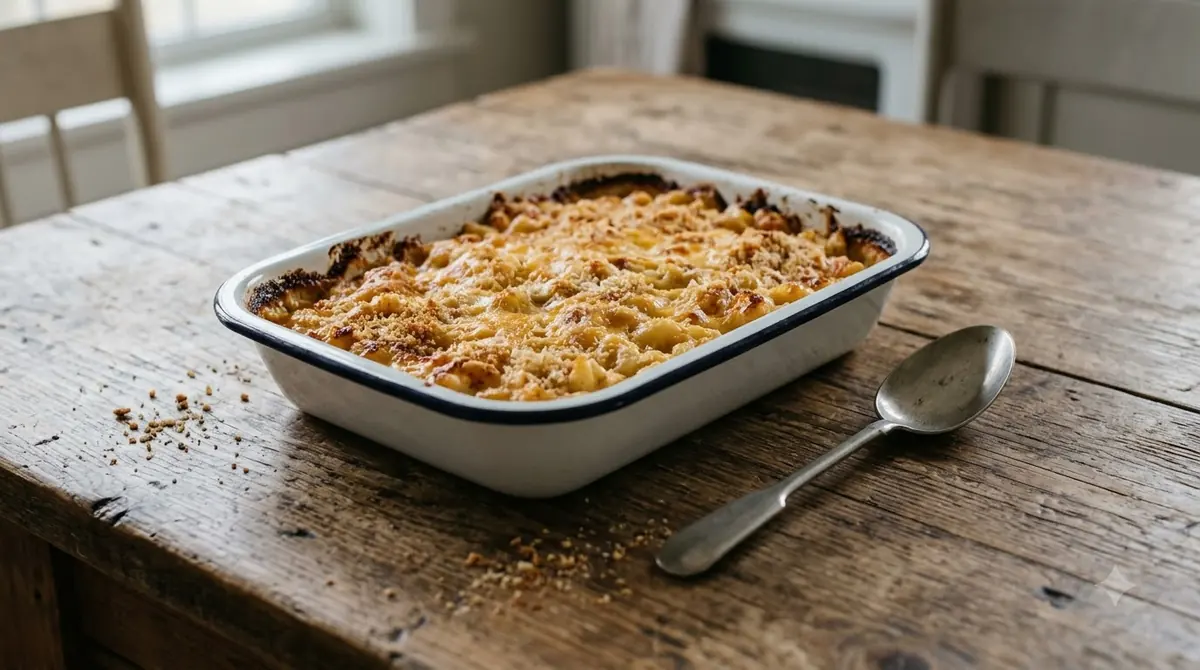

Lumaconi pasta is a large, ridged, snail-shaped dried pasta made for stuffing and baking. The name comes from the Italian word for snail, with an ending that means big. Each shell is about the size of a ping-pong ball, so it holds a generous filling and a thick sauce.
Boil lumaconi for 10 to 12 minutes, fill them, and bake them if you want a hot dish. Ridged versions grip sauce better, and the package always gives the final cooking time, so check it before you start.
What Is Lumaconi Pasta?
Lumaconi pasta is a large dried shell pasta with a ridged outer surface and a hollow center. Its name combines the Italian word for snail with an ending that means big, so the shape is often described as big snails.
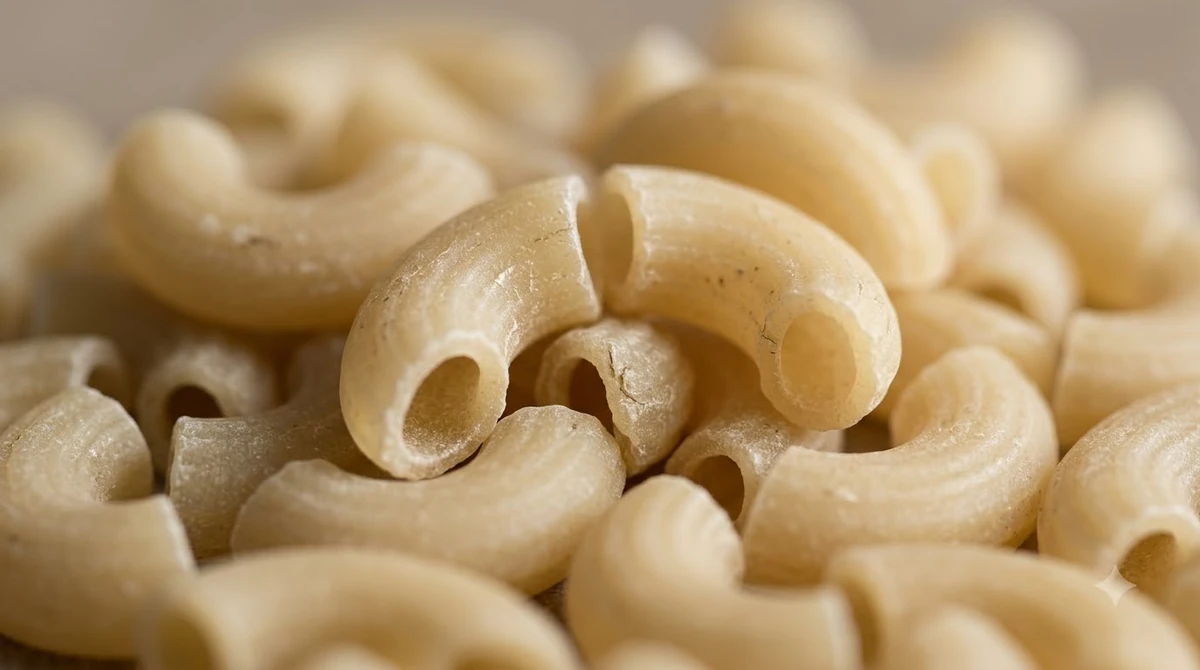
According to CooksInfo, each piece is hollow and open at one end, with the other end closed in on itself. The shell comes in ridged (rigati) and smooth versions, and the ridged type is the one most often picked for sauce.
The word lumaca means snail in Italian, and the ending -oni adds the sense of big. That is why the shell is the big version of the snail shape, and why a single piece is large enough to hold a spoonful of filling.
Lumaconi vs Lumache: What Changes
Lumache is the smaller everyday shell, and lumaconi is its large version. Both share the same snail shape, but they serve different cooking jobs, so the choice depends on the dish you want to make.
DeLallo’s guide to lumache says the pasta suits pasta salads, soups and mac and cheese, and it also appears in baked dishes. Lumaconi, by contrast, is usually stuffed and then baked. The table below sets out the main differences.
| Feature | Lumache | Lumaconi |
|---|---|---|
| Size | Smaller everyday shell | About the size of a ping-pong ball |
| Typical use | Salads, soups, mac and cheese, baked pasta | Boiled, stuffed, then baked |
| Cooking time | About 11 minutes in DeLallo’s instructions | 10 to 12 minutes according to CooksInfo |
If a recipe calls for lumache but you want stuffed shells, the larger lumaconi pasta is the closer match, and a stuffed shells recipe will work with it. Check the name on the front of the pack, since the two terms are used for related shapes.
How Long to Cook Lumaconi Pasta
Boil lumaconi for 10 to 12 minutes, until tender to the bite, according to CooksInfo’s cooking guide. Use the time on your package first, since the brand’s printed time overrides any general range.
- Bring a large pot of salted water to a full boil.
- Add the lumaconi and stir gently so the shells do not stick together.
- Start testing one shell at 10 minutes, and cook up to 12 minutes.
- Drain and let the shells cool slightly so they are easy to fill without tearing.
CooksInfo warns that overcooked lumaconi turn flimsy. If you plan to stuff them, pull them at the low end of the range so the walls stay firm enough to hold the filling.
CooksInfo also gives a buying guide: 24 pieces weigh about two-thirds of a pound, or 300 g. That helps you judge how many shells a bag makes when you plan a baked dish for a group.
Stuffing and Baking Lumaconi
Lumaconi are usually boiled first, filled with a mixture such as ricotta or vegetables like zucchini and mushrooms, and then baked. The stuffed version is called lumaconi farciti in Italian.
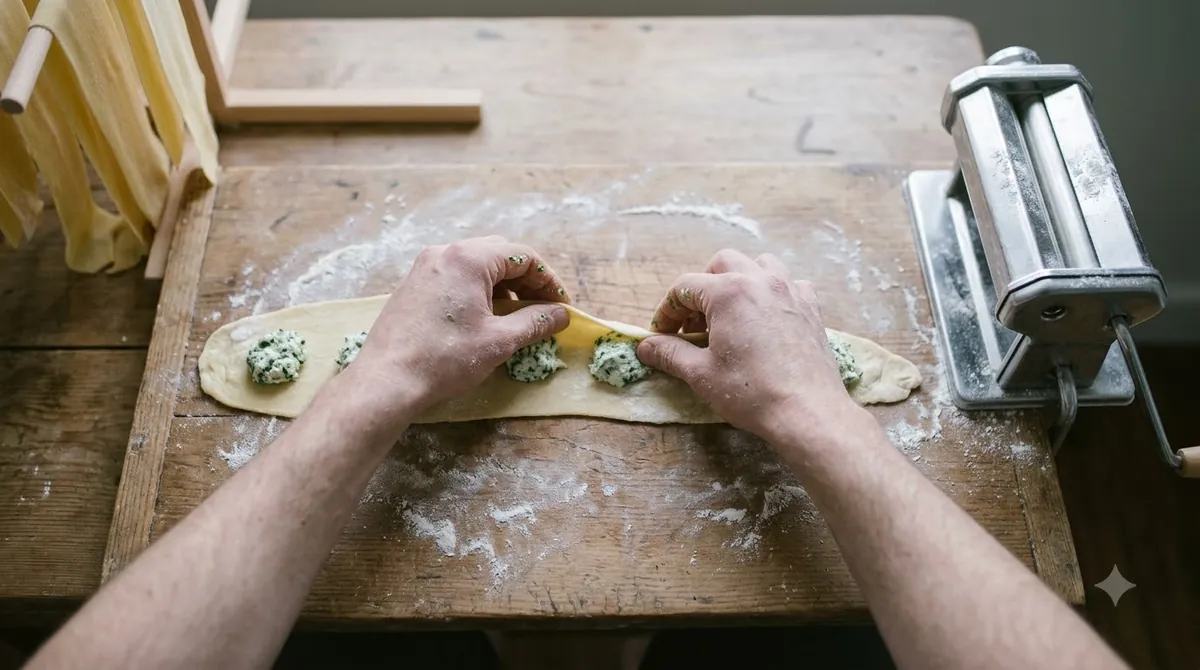
The Pasta Project notes that the shells are big enough to hold a lot of filling. Baked versions are either served relatively dry or covered in a sauce, so decide on the style before you fill the shells.
- Boil the lumaconi until just tender, within the 10 to 12 minute range.
- Drain and let them cool enough to handle.
- Fill each shell with a thick ricotta or vegetable mixture.
- Arrange the shells in a baking dish, either dry or covered with sauce.
- Bake until the filling is hot throughout. Use the time and temperature from a recipe you trust, since this article does not give a verified oven figure.
A thick filling works better than a loose one in lumaconi pasta, because the shells keep their shape when the mixture is firm. A loose filling can spill out during baking and leave the shells dry.
Sauces That Work with Lumaconi
Lumaconi pasta suits thick, cheesy and meat sauces, because the ridged shell and hollow center hold sauce well. The ridges on rigati lumaconi help grip sauce, according to CooksInfo.
DeLallo’s guide to lumache lists several sauce groups that suit this kind of shell.
- Thick, cheesy and cream-based sauces such as Alfredo
- Meat sauces such as bolognese and ragù
- Chunky sauces with mushrooms or vegetables
- Lighter sauces such as pesto, fresh tomato or olive oil
For a stuffed dish, a sauce that stays thick in the oven works best under and around the shells. For plain boiled lumaconi, a lighter sauce that clings to the ridges keeps the dish balanced.
How to Choose and Buy Lumaconi
Choose ridged lumaconi pasta if you want sauce to cling, and check the package for cooking time, weight and origin before you buy.
Many shapes, including lumaconi, are traced to Gragnano, a town in Campania where dry pasta has been made since the 16th century. The Pasta Project’s lumaconi guide describes this history, so a Gragnano label is a useful origin check.
- Ridged (rigati) or smooth: the ridges help the shell grip sauce.
- Pack size: retailer listings commonly show 500 g and 16 oz packs.
- Origin: look for a Gragnano mention on the label.
- Cooking time: follow the time printed on the pack.
- Count: CooksInfo lists 24 pieces as about 300 g.
Stock and packaging change over time, so read the current label rather than relying on a past pack.
Substitutes When You Cannot Find Lumaconi
Cannelloni, conchiglioni or manicotti can stand in for lumaconi pasta in baked dishes, because all are large, hollow pastas for stuffing, according to CooksInfo.
| Substitute | Best for | Note |
|---|---|---|
| Cannelloni | Baked, stuffed dishes | Hollow tube, filled and baked |
| Conchiglioni | Baked dishes | Large hollow pasta for stuffing |
| Manicotti | Baked, stuffed dishes | Hollow tube for stuffing |
| Conchiglie | Thick sauces and small pieces | Smaller shell with a similar concave shape |
Cook the substitute to the time on its own package, since these shapes differ from lumaconi in size. Use the same filling and bake it the same way for a similar result. DeLallo describes orecchiette as a small ear shape that is not closed, so it holds sauce less well than a shell and is a weaker stand-in for stuffed lumaconi pasta.
Frequently Asked Questions
What does lumaconi mean?
Lumaconi means big snails in Italian. The word comes from lumaca, meaning snail, with the ending -oni that adds the sense of big. The ridged, snail-like shape explains the name, according to CooksInfo.
Is lumaconi pasta the same as lumache?
Not exactly. Lumache is the smaller shell, and lumaconi is its large version, according to The Pasta Project and DeLallo. Both share a ridged, snail-like shape, but lumaconi is the one usually stuffed and baked.
How long does lumaconi pasta take to cook?
Boil lumaconi for 10 to 12 minutes until tender to the bite, according to CooksInfo. Check the package for the brand’s time, and test a shell near the low end of the range if you plan to stuff them, because overcooking makes them flimsy.
Can you serve lumaconi pasta without stuffing it?
Yes. Lumaconi can be boiled and served with sauce, like other pasta shells. Filling and baking is the classic use described by CooksInfo, but it is not required for every dish.
What sauce is best with lumaconi pasta?
Thick, cheesy and meat sauces suit lumaconi best, according to DeLallo’s list for the related lumache shape. Cream sauces such as Alfredo, bolognese and ragù, and chunky vegetable sauces all work. For baked lumaconi, you can bake them dry or covered in sauce, as The Pasta Project describes.
Is conchiglie a good replacement for lumaconi pasta?
Conchiglie can work for thick sauces and small pieces, because DeLallo describes it as having a similar concave shape. It is smaller than lumaconi, so it suits sauced dishes more than stuffed, baked ones.
Choose lumaconi pasta when you plan to stuff and bake (see jumbo shells pasta for a similar option), and choose a smaller shell for everyday sauces or salads. Check the package for cooking time, since it overrides general ranges, and fill the shells with a thick mixture so they hold their shape.
 7 min readLearnJumbo Shells Pasta: What They Are and How to Cook ThemUpdated Nov 10, 2026
 6 min readLearnHomemade Shells: How to Shape and Cook Pasta Shells at HomeUpdated Nov 13, 2026
 8 min readLearnLumache Pasta: The Shell-Shaped Pasta ExplainedUpdated Nov 10, 2026
 8 min readLearnShells Pasta: What They Are and How to Cook ThemUpdated Nov 7, 2026
 8 min readLearnStuffed Shells Recipe: How to Make Them at HomeUpdated Nov 10, 2026
 6 min readLearnHow to Make Cannoli Shells: Dough, Resting and Frying at 350°FUpdated Nov 13, 2026