

Caramelle pasta is a fresh filled pasta from Italy, made by wrapping a sheet of egg pasta around a filling and twisting both ends shut. The name points to candy, and the shape is meant to look like a wrapped sweet. Once you know the steps, it is a practical filled pasta for home cooks.
The caramelle pasta shape takes a little practice, but the filling and sauce matter more than fancy folding. Start with a classic filling, and check cook times on any store-bought version before you boil it.
What Is Caramelle Pasta and Why Is It Called That?
Caramelle pasta is an Italian filled pasta, a close cousin of cappellacci and other stuffed shapes, whose name points to candy and whose twisted ends copy a wrapped sweet. The Italian Wikipedia entry on caramelle describes the pasta as Italian and does not name a specific region.
The shape is built from a rectangle of egg dough with filling in the center. The Italian entry says the two ends are twisted in opposite directions, which gives the piece its candy-like look. A recipe from The Chopping Block adds that the shape is supposed to look like a piece of candy, and it gives no further origin story.
That means the name is easy to explain, but any claim about a birthplace or date needs a food history source. This guide sticks to what the recipes and reference pages say about shape, filling and cooking.
How to Shape Caramelle Pasta at Home
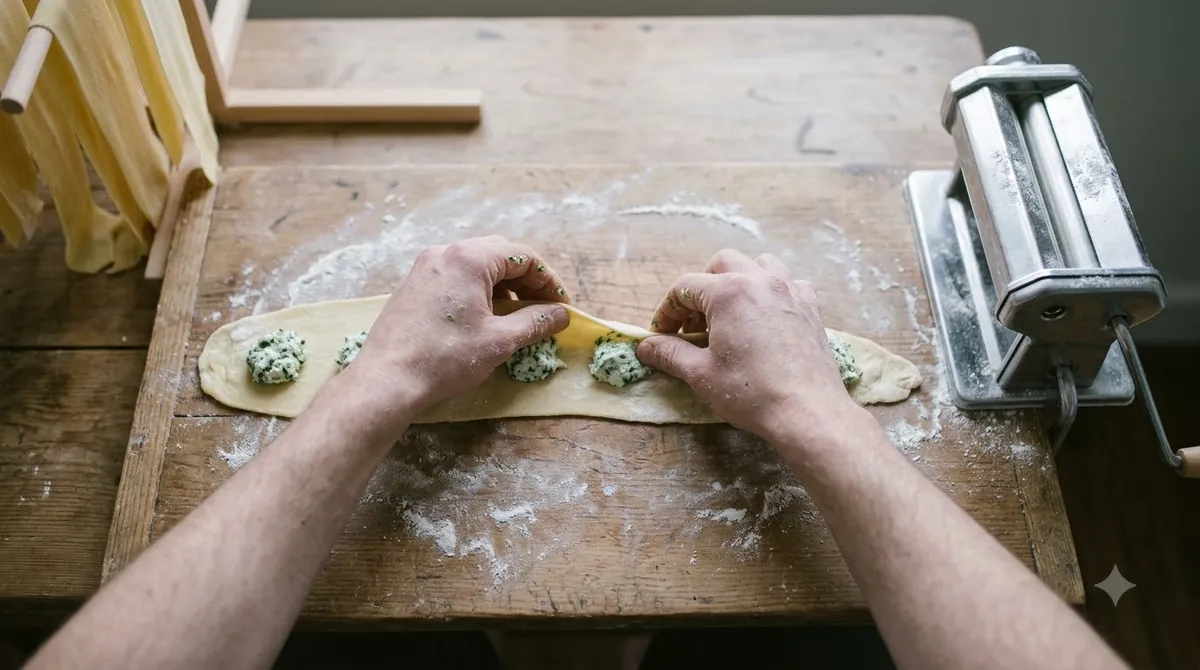
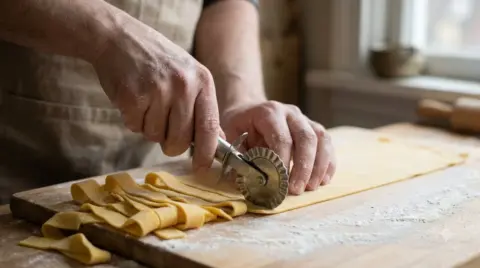
Shaping caramelle pasta means cutting dough into small rectangles, placing a little filling in the center, folding the dough over, and sealing both ends. Each step is simple, but the filling amount decides whether the pieces close cleanly.
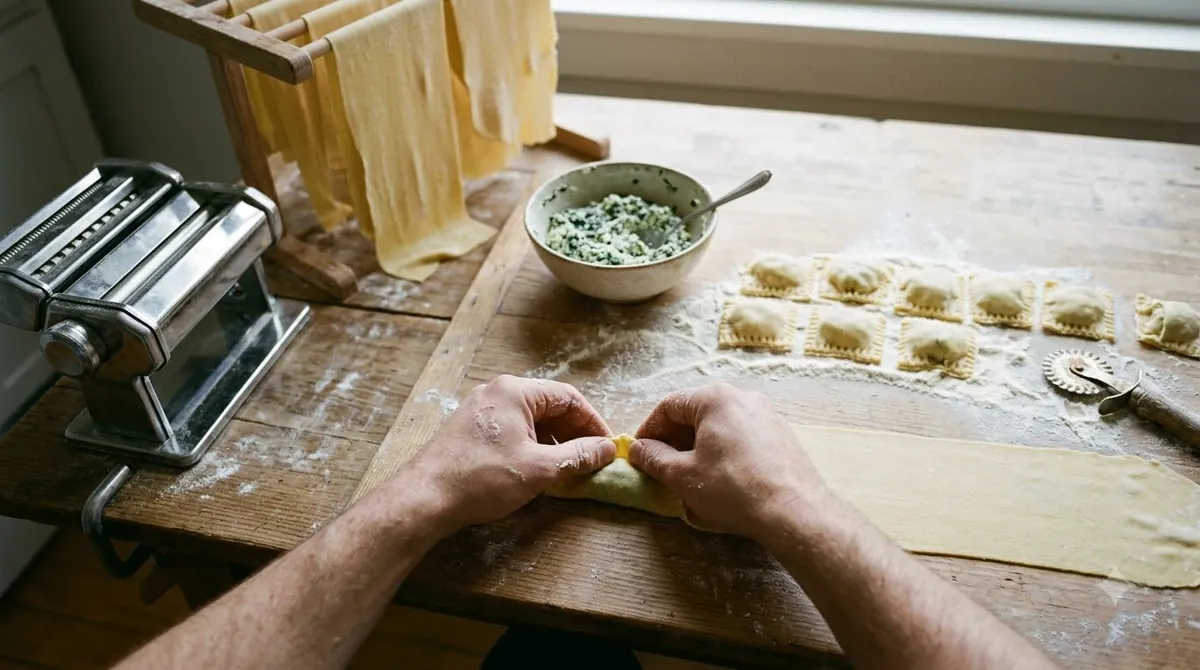
One Ciao Italia recipe for pasta caramels rolls the dough into strips 1/8 inch thick, cuts them 2 inches wide, and places a scant 1/2 teaspoon of filling on each strip. It leaves a 1/2-inch border so the seal has room to close.
- Cut the dough into rectangles. The Chopping Block recipe cuts them to about 3 by 3.5 inches.
- Pipe or spoon the filling into the bottom center of each rectangle, leaving the border clear.
- Fold the bottom edge over the filling, then keep folding until the dough forms a tube.
- Seal the ends. The Ciao Italia recipe twists them like a candy wrapper, while The Chopping Block pinches them so one flap goes up and the bottom lies flat.
Lay the finished pieces in a single layer on clean kitchen towels while you work. For the dough, the same Ciao Italia recipe uses 4 large eggs, 2 to 3 cups of unbleached all-purpose flour, 1/2 cup of fine semolina and 1/8 teaspoon of fine sea salt. Add flour as needed until the dough is workable. That recipe also adds pureed roasted beet to color the dough, so treat the quantities as a starting point for plain egg dough and see our fresh pasta dough recipe for a base ratio.
Three mistakes come up often when people shape caramelle pasta at home. The first is overfilling, which is why the Ciao Italia recipe measures a scant 1/2 teaspoon per piece. The second is crowding the border, because a filling that spreads onto the edge prevents a clean seal. The third is pinching the ends unevenly, so the flap does not lie flat against the body of the piece. Each mistake is easy to fix on the first few pieces, so make a small test batch before shaping the rest of the dough.
Fillings That Work Well in Caramelle Pasta
Ricotta and spinach is the classic filling named in Italian references (see our guide to what ricotta is), while cheese, seafood and cured-meat versions appear in recipes too. Each option below comes from a source you can check.
| Filling | Where it appears | Notes |
|---|---|---|
| Ricotta and spinach | Italian Wikipedia entry | Often seasoned with grated cheese and nutmeg, then finished with melted butter and sage |
| Scallop and shallot | Italian Wikipedia entry, citing La Cucina Italiana | Served with borage, snow peas and peas |
| Gorgonzola, prosciutto and pine nuts | Ciao Italia recipe | Uses 1/2 pound chopped Gorgonzola, 1/4 pound minced prosciutto, 1/3 cup pine nuts, 3 tablespoons butter and minced parsley |
| Soft cheese with cream cheese | The Chopping Block recipe | Cream cheese helps the filling stay stable; mascarpone and ricotta also work |
A filling that holds its shape is easier to seal. The Chopping Block author adds cream cheese for that reason, which matters because a loose filling can push out of the dough when you fold and pinch the ends.
The scallop and shallot version appears only in the Italian reference, with no quantities, so treat it as a serving idea rather than a tested recipe.
How to Cook and Sauce Caramelle Pasta
Cook fresh caramelle pasta in salted boiling water for about 4 minutes until al dente, and cook frozen pieces without thawing for about 6 minutes. These times come from one Ciao Italia recipe, which uses 8 quarts of salted water.
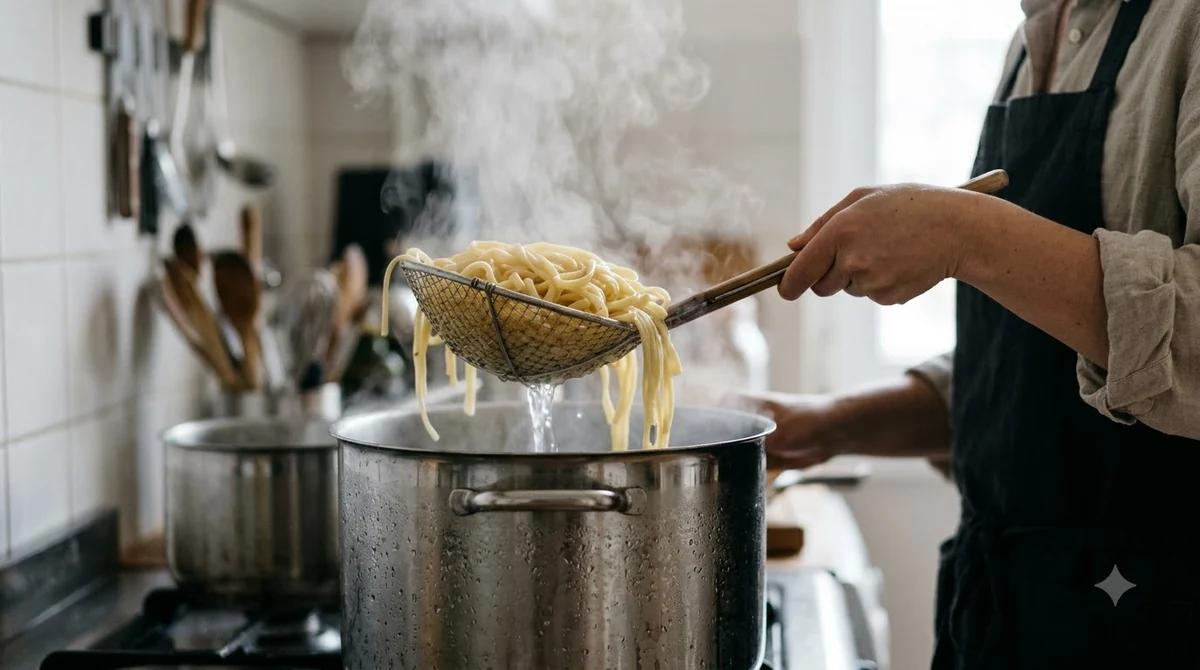
Taste a piece near the end of the cook time to check texture, because thickness, filling and water volume all change the result. The package times on dried or ready-made versions are different, so follow those instead of the homemade timing.
Sauce choice follows the filling, and the butter and sage pairing is shared with tortelli pasta. The Italian Wikipedia entry pairs ricotta and spinach caramelle with melted butter, sage and grated cheese. The sources add these options:
- Brown butter with sage and grated cheese, the classic match for ricotta and spinach
- Butter, garlic and parsley, using 1/2 pound unsalted butter, 3 garlic cloves and 1 1/4 cups packed flat-leaf parsley leaves in the Ciao Italia recipe
- Brown butter with radicchio, roasted cherry plums and toasted almonds, from The Chopping Block
Toss the pasta gently in a warm sauce and serve it at once. The Ciao Italia recipe suggests serving it as a first course, which is a sensible size for a rich filling. Pour the warm sauce over the drained caramelle pasta on a warm platter, so the butter stays fluid when it reaches the table.
Ready-made caramelle pasta follows the package instructions rather than the homemade timing. Dried or packaged versions have their own cook times, so the fresh timing above is only a guide for the pasta you shape yourself.
Storing and Freezing Fresh Caramelle Pasta
Fresh caramelle pasta is best cooked within a day or so, or frozen until you are ready to cook it; this applies to any caramelle pasta you shape by hand. The Chopping Block author gives both options for finished pieces.
Lay the finished pieces on a floured sheet, then freeze them or cook them within a day or so. For the general rules, see how to store fresh pasta. Frozen pieces go straight into boiling water. The Ciao Italia recipe cooks them without thawing for about 6 minutes, compared with about 4 minutes for fresh pasta, and its make-ahead note says frozen pieces keep for up to 2 months.
Sauce can be made ahead too. The same Ciao Italia recipe says the butter, garlic and parsley sauce can be refrigerated for up to 4 days, so you can prepare it on a busy day and warm it before tossing.
Choose between cooking and freezing before you start. If you plan to cook caramelle pasta within a day or so, you can skip the freezer step. If you want a finished meal later, freezing the shaped pieces on a floured sheet keeps the work for another day, and the frozen cook time from the Ciao Italia recipe applies. Either way, the sources agree that fresh pieces are best cooked within a day or so.
Frequently Asked Questions
What does caramelle mean?
The name points to candy. The Italian Wikipedia entry says the shape resembles a wrapped candy, and The Chopping Block recipe says the shape should look like a piece of candy, which is why the ends are twisted or pinched closed.
Where does caramelle pasta come from?
The Italian Wikipedia entry lists caramelle as an Italian filled pasta and does not name a specific region. A birthplace or date would need a food history source, so this guide does not claim one.
How much filling goes in each caramelle?
One Ciao Italia recipe uses a scant 1/2 teaspoon of filling on each 2-inch strip and leaves a 1/2-inch border. Start with that amount, then adjust only after you can seal the pieces without gaps.
Can I use mascarpone or ricotta in the filling?
Yes. The Chopping Block author says mascarpone and ricotta also work, and adds cream cheese to the mix so the filling stays stable.
Do store-bought caramelle cook in the same time?
Not necessarily. The times above come from homemade fresh pasta in specific recipes, so check the package on dried or ready-made caramelle before you boil them.
Can I make caramelle ahead of time?
Yes, if you freeze them. Lay finished pieces on a floured sheet, freeze them, and cook them from frozen without thawing, which takes about 6 minutes in the Ciao Italia recipe.
For a first batch, choose ricotta and spinach or the cheese filling, practice the twist on a few pieces, and then try a brown butter sauce. Once the shape feels steady, the filling and sauce are the easiest parts to change. Keep these notes with your pasta tools so the timings and measurements stay easy to find.
 9 min readLearnTortelli Pasta: Shapes, Fillings and How to Serve ThemUpdated Nov 10, 2026
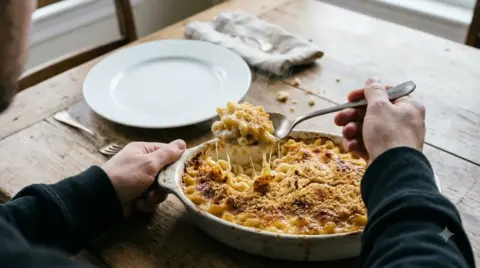 8 min readLearnCannelloni Pasta: Shapes, Fillings and How to Bake ItUpdated Nov 10, 2026
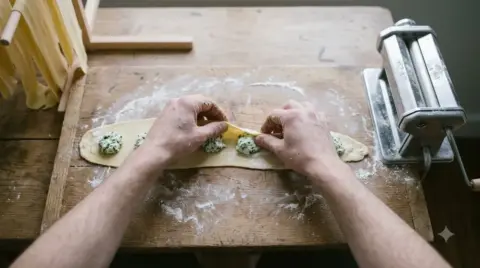 8 min readLearnTortellini Pasta: Shape, Filling and How to Make It at HomeUpdated Nov 6, 2026
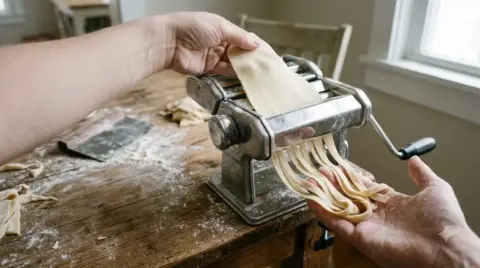 8 min readLearnCappelletti vs Tortellini: Shape, Filling and How They Are ServedUpdated Nov 6, 2026
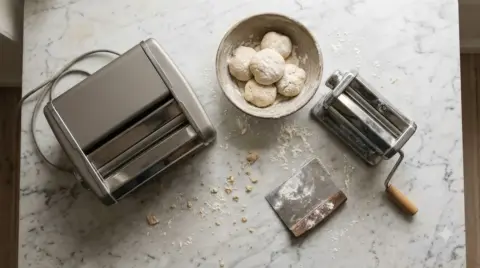 8 min readLearnTortellini vs Ravioli: Shape, Filling and Cooking ComparedUpdated Nov 12, 2026
 8 min readLearnSagne Ncannulate Pasta: Shape, Dough and SaucesUpdated Nov 10, 2026