
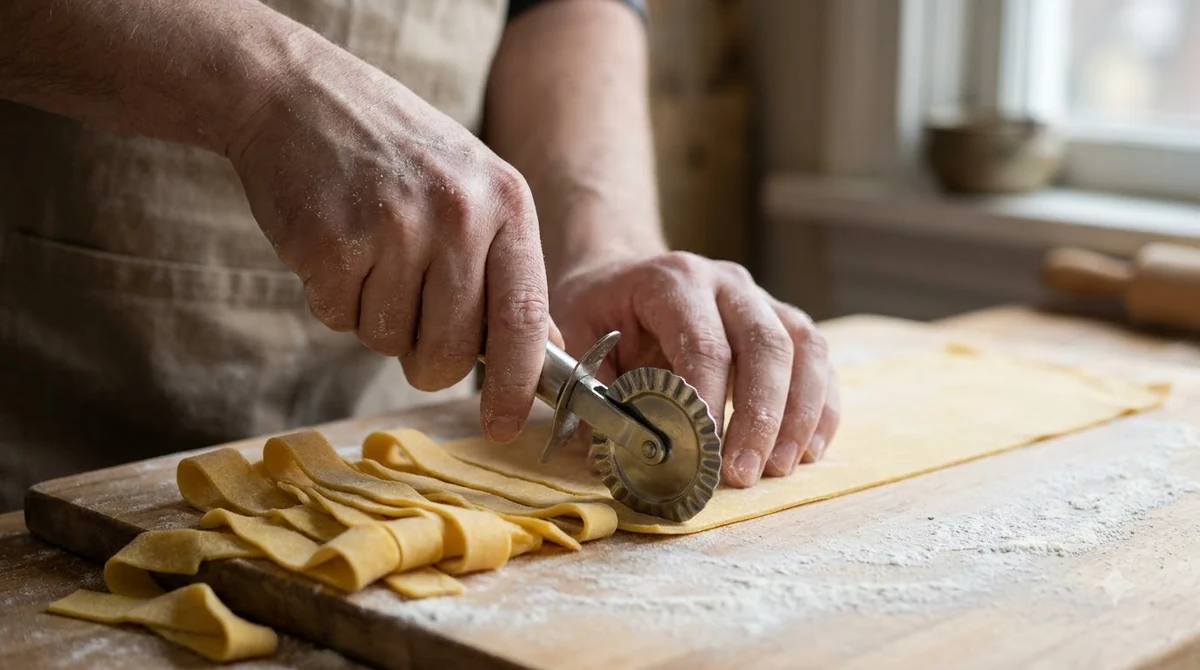

Sagne ncannulate pasta is a twisted ribbon pasta from Lecce in Puglia, southern Italy. Each strip is wound and curled by hand until it forms a loose spiral that holds tomato sauce well. The shape is simple to describe but takes practice to make by hand.
The home version of sagne ncannulate pasta needs only flour, semolina, salt and one egg. The shaping takes the most patience, so start with a small batch.
What is sagne ncannulate pasta?
Sagne ncannulate is a handmade egg pasta from Lecce, in Puglia, rolled into strips and twisted into curls.
The local name is often written as sagne ‘ncannulate, with an apostrophe. Italian Wikipedia’s lasagne entry describes the Salento version as sagne or sagne torte, a name that means twisted.
Sagne ncannulate pasta is described as a festive dish in the Salento area, and some versions include pork in the sauce. The sources read for this article do not explain the dialect meaning of ‘ncannulate, so this article does not give one.
How to shape sagne ncannulate pasta at home
To shape sagne ncannulate, wind a thin strip diagonally around a round stick, then roll and twist it into a curl.
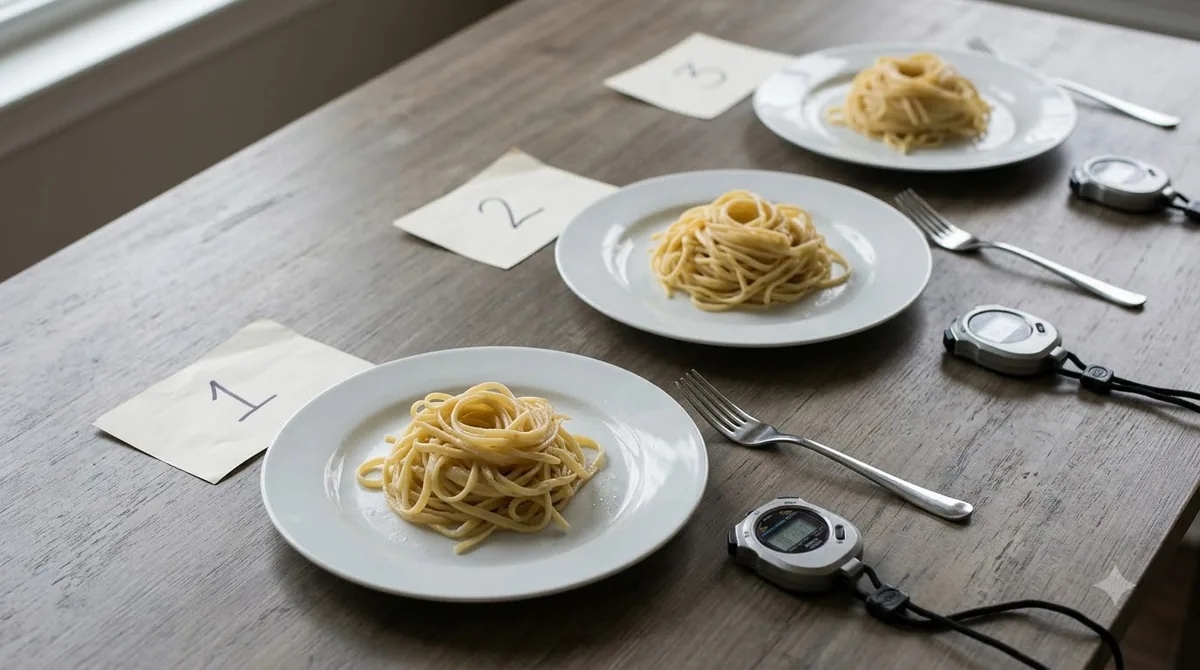
The steps below follow the method for sagne ncannulate pasta in a SBS Food Lecce pasta recipe, with the strip width noted from a second source.
- Dust your tray with coarse semolina so the curls do not stick.
- Cut the rolled sheet into strips. The SBS recipe uses 1 cm strips, while an encyclopedia entry describes strips about 1.5 cm wide.
- Lay one strip diagonally, at about 45 degrees, and start winding from the top end around a round chopstick or knitting needle.
- Roll the wound strip with the base of your palm so it curls tightly around the stick.
- Slide the curl off the stick.
- Twist each end in opposite directions to tighten the curls.
The encyclopedia gives a second method. Each strip is rolled against a wooden board with the palm of one hand, three times, or wound around a wooden stick about 1 cm in diameter and slid off.
Cut every strip of sagne ncannulate pasta to the same width so the curls cook and look even. Uneven widths are the first thing to fix if the shapes do not match.
The dough: flour, semolina and egg
The dough for sagne ncannulate pasta uses 75 g of 00 flour, 25 g of semolina, 1/4 teaspoon of fine salt and one egg of about 55 g.
The SBS recipe for sagne ncannulate pasta makes two servings, and it uses semolina in the dough (see what semolina flour is). It lists no water, because the egg is the only liquid in the dough, so judge the dough by feel: it should turn smooth and elastic during kneading.
- 75 g 00 flour, plus extra for dusting
- 25 g fine semolina flour, plus extra for dusting the trays
- 1/4 teaspoon fine salt
- 1 egg (55 g)
Sieve the flours onto the bench, add the salt, make a well and add the egg. Knead for 5 to 10 minutes until the dough is smooth and elastic. Rest it under an upturned bowl for 30 minutes before rolling. If you like hand-shaped twists, strozzapreti pasta is another rolled shape that needs no machine.
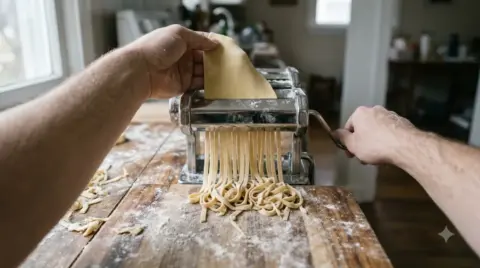
With a pasta machine, flatten one piece into a rough 1 cm thick rectangle and pass it through the widest setting. Fold it in thirds and feed it through again, repeating once or twice until the sheet is silky. Then pass it through each setting down to the thinnest, dusting with flour as needed.
The encyclopedia describes a dough of durum flour and water, rolled with a rolling pin called a minnaturu. Without a machine, roll the sheet thin by hand and cut it into strips the same way, as described in our guide to making pasta without a machine.
Traditional sauces for sagne ncannulate
The classic sauce for sagne ncannulate pasta is tomato, garlic and olive oil, finished with grated cacio ricotta or ricotta salata.
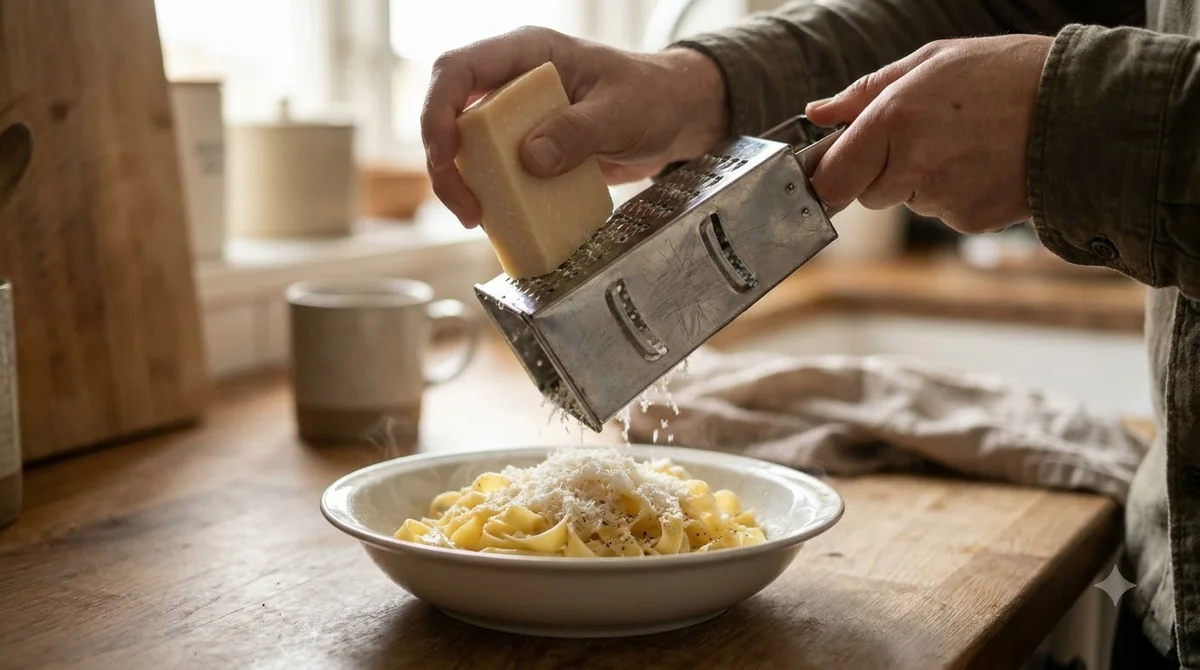
The SBS recipe uses 80 ml (1/3 cup) extra virgin olive oil, 6 small garlic cloves, 2 punnets of cherry or baby Roma tomatoes halved, half a bunch of basil and half a cup of finely grated cacio ricotta or ricotta salata.
Cook the oil and garlic gently over medium-low heat for about 5 minutes, until the garlic is slightly golden but not burnt. Add the tomatoes, bring to a gentle boil and cook for about 20 minutes, stirring so the sauce does not catch, until it becomes thick.
Stir in the basil until it wilts, then stir in the cheese until it melts into the sauce, about one minute. Toss the drained pasta with the sauce, then finish with more cheese, basil and a drizzle of olive oil.
| Sauce | Where it appears | Main ingredients |
|---|---|---|
| Tomato and garlic | Lecce recipe in the SBS source | Olive oil, garlic, cherry tomatoes, basil |
| Cacio ricotta or ricotta salata | Lecce recipe in the SBS source | Grated salted ricotta to finish |
| Ricotta | Salento, per Italian Wikipedia | Ricotta |
| Spicy ricotta (ricotta scante) | Salento, per Italian Wikipedia | Spicy ricotta |
| Pork-based sauce | Salento festive dish, per Italian Wikipedia | Pork cooked into the sauce |
Sources name ricotta sauces as traditional for sagne ncannulate pasta, but they give no amounts for them. Check a local recipe for proportions before you cook them. The SBS amounts above are for two servings, so scale them with care for a larger group.
The Salento soup version
In Salento, a narrower and shorter cut of the pasta is cooked in a soup with chickpeas and cavolo mugnolo.
Italian Wikipedia describes the soup as using pre-boiled chickpeas and cavolo mugnolo, a green the source calls massa. It can be eaten hot with its broth, or cold and dry, according to the same source.
Treat the soup as a separate dish from the twisted curls of sagne ncannulate pasta served with tomato sauce. It uses different strip sizes and a different cooking method.
Common mistakes and what to check
The most common problems with sagne ncannulate pasta are uneven strips, scorched garlic and a tomato sauce that sticks to the pan.
- Uneven strips: cut them to the same width so the curls match in size.
- Burnt garlic: keep the heat at medium-low until the garlic is only slightly golden.
- Sticking sauce: stir the tomatoes through the 20 minutes of cooking.
- Skipping the rest: the SBS method rests the dough for 30 minutes before rolling, so follow that timing.
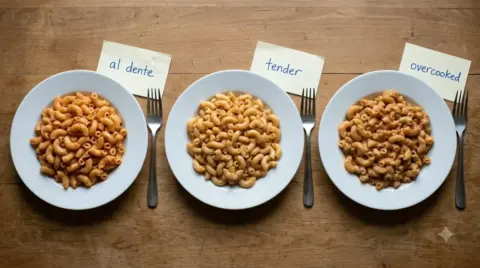
- Overcooked pasta: the recipe gives no pasta cooking time, so cook until just al dente and taste a piece to check, using the method in our al dente pasta guide.
Plan about 45 minutes for preparation, including the 30-minute rest, and 25 minutes of cooking for the full recipe.
Frequently Asked Questions
How long does sagne ncannulate take to cook?
The SBS recipe gives 25 minutes of cooking time for the full dish, with no separate time for the pasta. Boil the curls in well-salted water until they are just al dente, and taste a piece before you drain it.
Is sagne ncannulate the same as sagne torte?
Italian Wikipedia uses both names for the Salento pasta and says that sagne torte means twisted. You may see sagne torte used for the same twisted shape described in this article.
Can you make sagne ncannulate without a pasta machine?
Yes. The encyclopedia describes rolling the dough by hand with a rolling pin before shaping. The SBS recipe uses a machine, so a hand-rolled sheet needs to be rolled thin and even before you cut the strips.
What is the dough for sagne ncannulate made from?
The SBS recipe uses 00 flour, semolina, one egg and a pinch of salt. The encyclopedia describes a dough of durum flour and water, which is a different dough, so choose the one that matches the recipe you follow.
What sauce goes best with sagne ncannulate?
The sources do not name a single best sauce for sagne ncannulate pasta. The tomato sauce is the one with a full recipe here, and the ricotta sauces are traditional in Salento.
Start with one small batch of sagne ncannulate pasta so you can check strip width and curl shape before you wind the rest. Once the curls are even, the tomato sauce takes about 20 minutes, and the cheese finish takes about a minute more. The hand method takes practice, so treat the first batch of sagne ncannulate pasta as a test; ciriole pasta is a similar hand-rolled noodle from Umbria if you want another shape to practice. Expect the first curls to vary in size, since each one is shaped by hand.
 7 min readLearnCapunti Pasta: Shape, Origin, Recipe and Best SaucesUpdated Nov 11, 2026
 7 min readLearnTripoline Pasta: Shape, Sauces and How to Cook ItUpdated Nov 11, 2026
 8 min readLearnReginette Pasta: Shape, Origin and 5 Best SaucesUpdated Nov 11, 2026
 6 min readLearnRadiatori Substitute: Pasta Shapes That Hold Sauce Like It DoesUpdated Nov 13, 2026
 8 min readLearnCasarecce Pasta: Simple Guide to Shape, Sauce and CookingUpdated Nov 10, 2026
 7 min readLearnCampanelle Pasta: Shape, Best Sauces and SwapsUpdated Nov 10, 2026