


What is fior di latte? It is a fresh Italian mozzarella made from cow’s milk, and its name means “flower of milk.” The cheese is associated with Campania in southern Italy, where cheesemakers traditionally used buffalo milk for mozzarella and turned to cow’s milk when buffalo milk became scarce. The result is a milder, softer cheese that works well on pizza and in fresh salads.
What is fior di latte exactly?
Fior di latte is a fresh pasta filata cheese made from pasteurised cow’s milk. The Cheese Atlas traces the style to Agerola on the Amalfi Coast, in the Campania region, and describes it as softer and more moist than mozzarella, with a milder flavour.
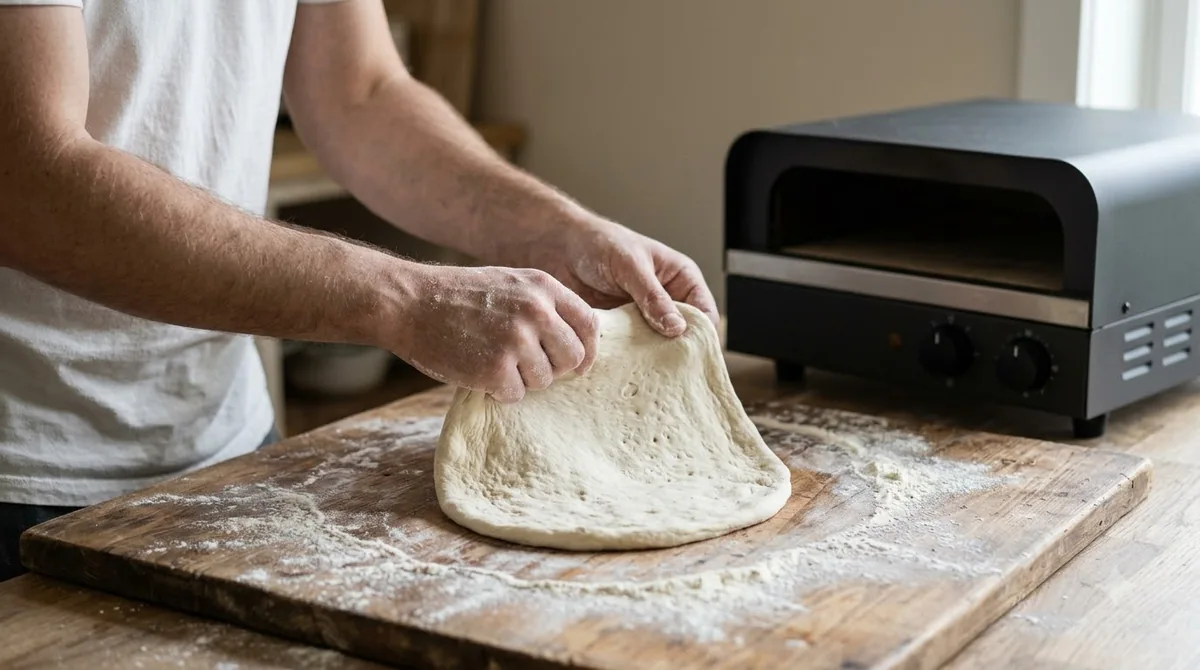
The name is the Italian phrase for “flower of milk,” and it is used to separate the cow’s milk cheese from mozzarella di bufala, the buffalo milk version. Cheesescientist.com also notes that the cheese was born out of necessity, when buffalo milk was in short supply and cheesemakers switched to cow’s milk. Today it is simply a style of its own, sold fresh in shops and used in home cooking.
The Campania link is best read as the traditional home of the style rather than a strict rule. The Wikipedia mozzarella article notes that cows are raised in all 20 Italian regions and that the precise origins of mozzarella are uncertain, so treat the Amalfi Coast story as the most commonly repeated account.
Its texture comes from the milk and the stretching process. The curd is stretched and kneaded until it becomes smooth and elastic, then shaped into balls. Because it is unaged, the flavour stays fresh, milky and lightly sweet rather than sharp. So if you are still asking what is fior di latte in practice, think of it as the everyday cow’s milk cousin of buffalo mozzarella.
How fior di latte differs from buffalo mozzarella
So what is fior di latte next to buffalo mozzarella? The biggest difference is the milk. Buffalo mozzarella is made from buffalo milk, and America’s Test Kitchen reports that buffalo milk has twice the fat of cow’s milk, which makes the buffalo version richer and more luxurious.
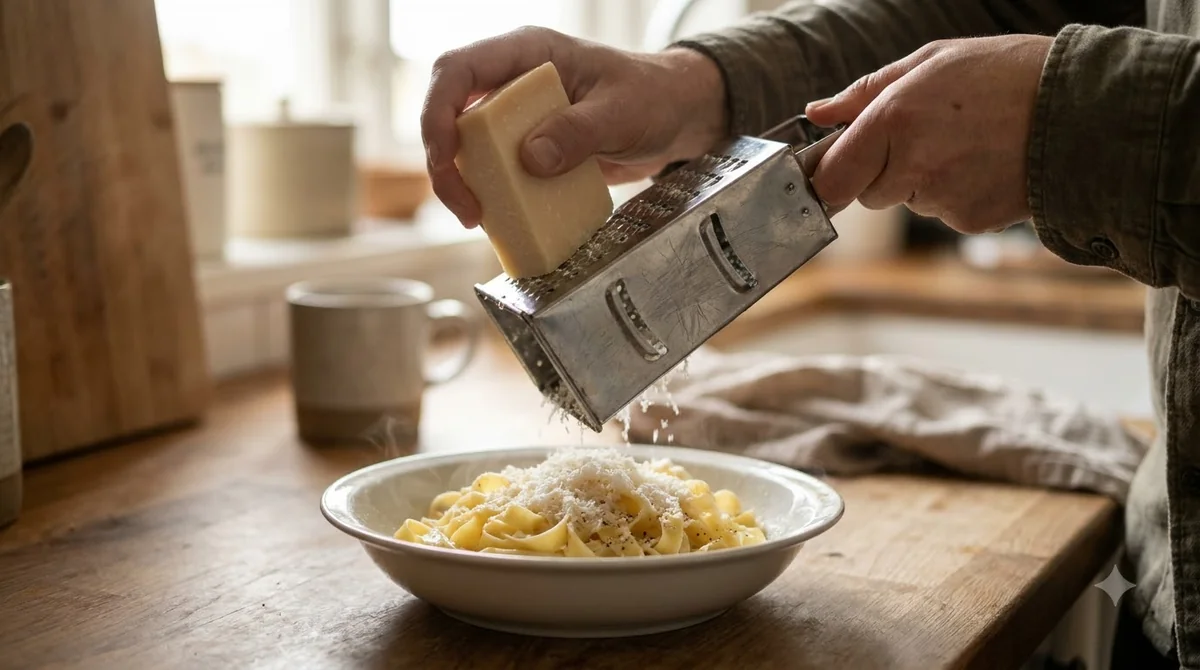
The table below sums up the practical differences that matter when you shop or cook.
| Feature | Fior di latte | Buffalo mozzarella |
|---|---|---|
| Milk | Cow’s milk, pasteurised | Buffalo milk |
| Fat in the milk | Standard for cow’s milk | About twice the fat of cow’s milk |
| Texture | Soft, smooth and creamy | Extra-creamy and very moist |
| Flavour | Mild and milky | Richer, with a tangy note and a grassy aroma |
| Best for | Pizza, Caprese salad, everyday cooking | Eating fresh, where the delicate texture can shine |
America’s Test Kitchen also notes that buffalo mozzarella is a brighter white than cow’s-milk mozzarella, with a grassy aroma and tangy flavor. That richer character is one reason people choose it for simple dishes where the cheese is the star. Fior di latte is the milder everyday choice for pizza and salads, and what is burrata explains another fresh cheese people often compare it with.
How fior di latte is made and stored
Fior di latte is a fresh cheese, so handling and storage matter far more than they do for aged cheeses. Producers keep the shaped balls in a water-based solution, and the cheese is generally meant to be eaten within a few days of production.
The general method for mozzarella-style cheese, described on Wikipedia’s mozzarella article, follows these steps:
- The curd is cut into pieces of about 1 to 1.5 cm, then stirred and heated to separate it from the whey.
- The whey is drained, and the curd is placed in a mould to form a solid mass.
- The curd is left until its pH reaches about 5.2 to 5.5, the point where it can be stretched.
- The cheesemaker kneads it into a smooth, shiny paste, then pulls and cuts it into individual balls.
For storage, the same article says fresh mozzarella is usually kept in brine or whey, and vacuum-sealed packs can stay in brine for up to a week or longer. Once a pack is opened, America’s Test Kitchen recommends eating the cheese within two days. Discard it if you see mould or smell a sour odour.
Two practical tips follow from these sources. Take the cheese out of the fridge about 30 minutes before serving so the flavour opens up, as Cheesescientist.com suggests. Check the package date, because fresh cheeses lose quality quickly, and the sources give no single day count that fits every product.
How to use fior di latte at home
Fior di latte is at its best in dishes where you want a soft, milky cheese that melts into creamy pockets rather than a uniform sheet.
- Margherita pizza, where it melts into a gooey, mild layer over tomato and basil.
- Caprese salad, served fresh with ripe tomatoes, basil and olive oil.
- Baked pasta dishes such as baked ziti, where a mild cheese adds creaminess without a strong taste.
Melting behaviour is the detail most home cooks ask about. America’s Test Kitchen explains that fresh mozzarella has higher moisture and pH than block mozzarella, so it softens but does not melt as completely. That is why a Margherita pizza looks dotted with soft cheese instead of a smooth blanket. For most other pizzas, the same source uses shredded block mozzarella, often mixed with a little Parmesan, as in a New York style pizza recipe; low-moisture vs fresh mozzarella for pizza compares the two styles.
When you shop, start with the label. Look for the milk type, the packing liquid and the date. Fresh balls packed in brine or whey are the normal format for fresh mozzarella-style cheese, which is how it keeps its texture between production and sale. If the package looks swollen, leaks heavily or smells sour, leave it on the shelf.
None of the sources give a draining method, so follow the instructions on your package or recipe, and do not add extra liquid to a dish that already contains a moist cheese. Knowing what is fior di latte, a high-moisture fresh cheese, helps you plan the rest of the dish.
Common mistakes with fior di latte
Most problems come from treating a fresh cheese like an aged one, so these are the errors to avoid.
- Buying it for long storage. Fresh cheese is meant to be eaten soon after production, so buy only what you will use within a few days.
- Expecting a block-style melt. Fresh mozzarella softens and leaves gooey pockets, which is normal for this style.
- Serving it straight from the fridge. Let it sit for about 30 minutes so the texture and flavour are at their best.
- Confusing it with buffalo mozzarella. Read the milk type on the label, because buffalo milk gives a richer and more delicate result.
- Ignoring the date. America’s Test Kitchen notes that expiration dates on fresh mozzarella are often only a few weeks after manufacture, so check the package before you buy.
Frequently Asked Questions
Is fior di latte the same as mozzarella?
What is fior di latte in one line? A mozzarella-style cheese made from cow’s milk. Mozzarella can also be made from buffalo milk, so the milk type on the label tells you which one you are buying.
Is fior di latte made from cow’s milk?
Yes. The Cheese Atlas describes it as made from pasteurised cow’s milk, and the name itself refers to that milk.
How long does fior di latte last?
Fior di latte is best eaten within a few days of production. Once opened, America’s Test Kitchen recommends eating it within two days, and you should discard it if it develops mould or smells sour.
Does fior di latte melt on pizza?
Yes, but not in the same way as block mozzarella. It softens and forms a gooey layer, which is why it is a classic choice for Margherita pizza.
Is fior di latte milder than buffalo mozzarella?
Fior di latte is generally described as milder. Buffalo mozzarella is richer because buffalo milk has about twice the fat of cow’s milk, according to America’s Test Kitchen.
If you want a mild, fresh cheese for pizza or Caprese, fior di latte is a good choice. Check the milk type and the date on the label, and eat it within two days of opening. If you prefer a richer, creamier bite, look for buffalo mozzarella instead.
 7 min readLearnWhat Is Mozzarella di Bufala? Italy’s Buffalo Milk CheeseUpdated Nov 11, 2026
 7 min readLearnWhat Is Prosciutto di Parma? A Simple Guide to Italy’s Protected HamUpdated Nov 11, 2026
 7 min readLearnWhat Is Colatura di Alici? Italy’s Anchovy Drip SauceUpdated Nov 11, 2026
 8 min readLearnWhat Is Pecorino Romano? A Sheep’s Milk Cheese GuideUpdated Nov 10, 2026
 8 min readLearnWhat Is Pecorino Toscano? A Mild Sheep’s Milk Cheese GuideUpdated Nov 11, 2026
 7 min readLearnWhat Is Ricotta? An Easy Guide to Italy’s Whey CheeseUpdated Nov 10, 2026