
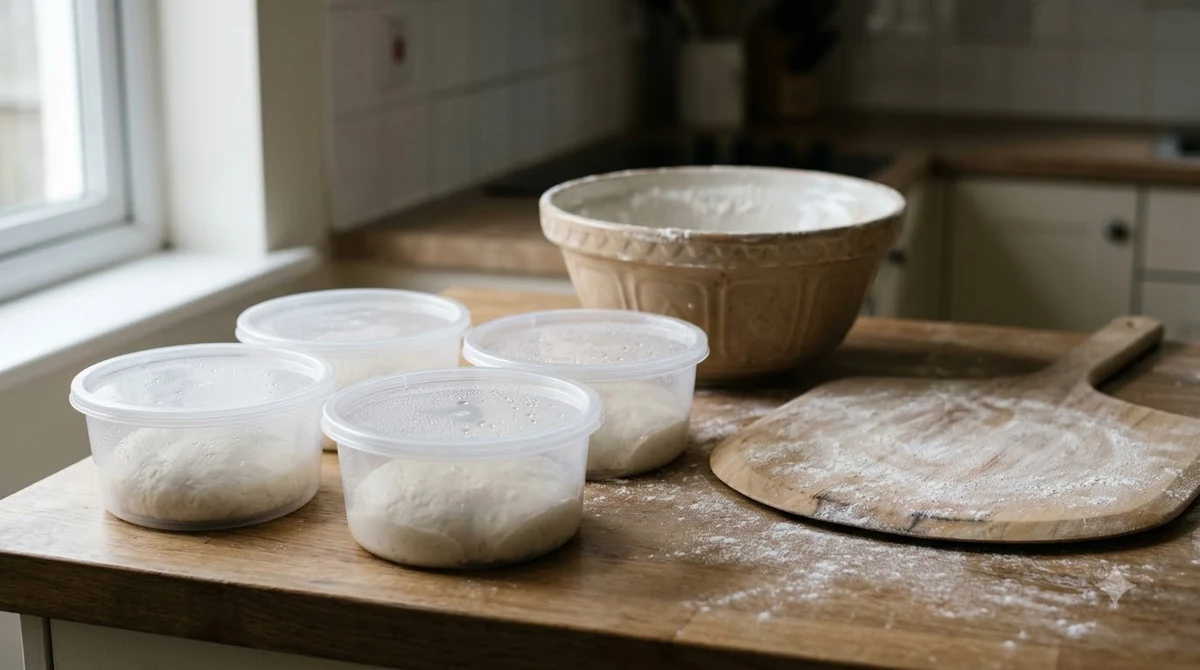

Here is how to bring pizza dough to room temperature: take it out of the fridge, keep it covered, and let it warm for about 30 minutes to 2 hours before you shape it. Cold dough is stiff, so it needs time to relax before you stretch it. The exact wait depends on the dough and your kitchen.
What Temperature Should Pizza Dough Reach Before Shaping?
Before you shape cold-fermented dough, its interior should reach at least 18 C (64.4 F). Stadler Made’s cold fermentation guide gives this as the minimum temperature for the dough ball before you open it into a base.
Dough from the fridge is usually well below that number. You will not see a thermometer reading in most home kitchens, so use the time and the feel of the dough as your guide. A dough that is still firm in the center is not ready. For the ideal range during mixing and fermentation, see our guide to pizza dough temperature.
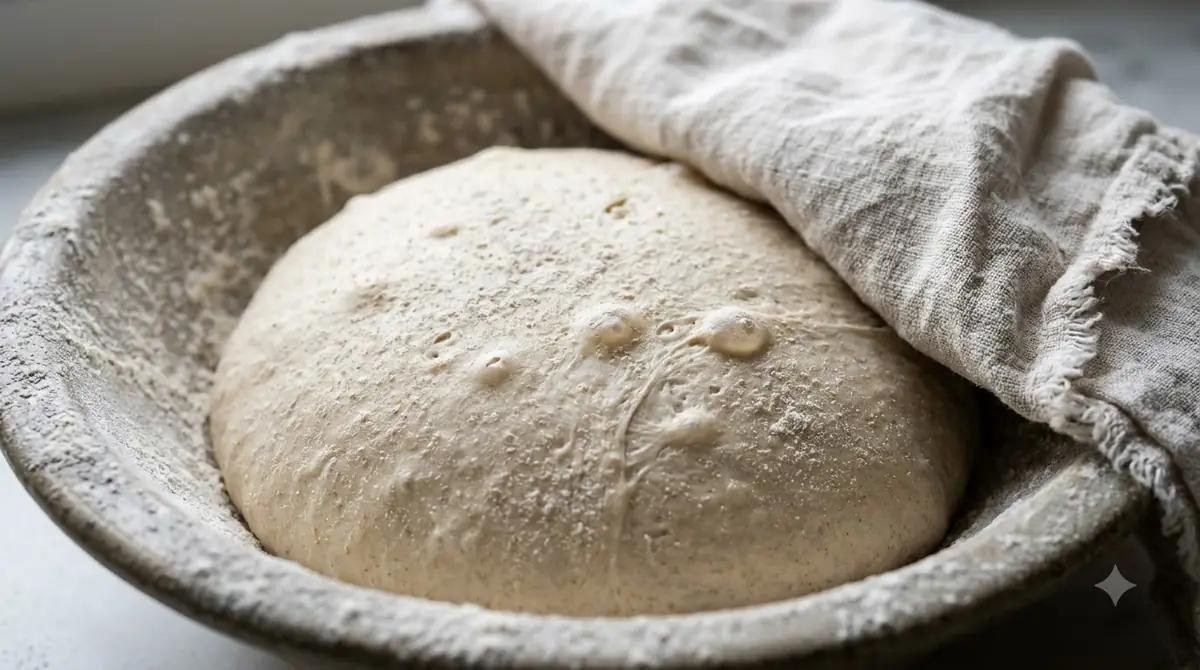
Use these checks before you shape:
- The dough feels soft and slightly warm, not cold and hard.
- The surface looks relaxed, without a tight skin.
- A gentle poke springs back slowly and leaves a small indent.
Step-by-Step: How to Bring Pizza Dough to Room Temperature
Keep the dough covered, leave it at room temperature, and check it before shaping. Dough balls can warm in about 30 minutes, while Gozney’s proofing guide says to allow 2 hours for dough returning to room temperature after it is formed into balls.
Follow these steps:
- Take the dough out of the fridge and place it on a lightly floured surface or in an oiled container.
- Cover it so the surface does not dry out. Gozney suggests an upturned bowl over the balls.
- Leave it at room temperature. Start checking after about 30 minutes.
- Press the dough gently with a floured finger. If the indent fills back slowly and stays small, the dough is ready.
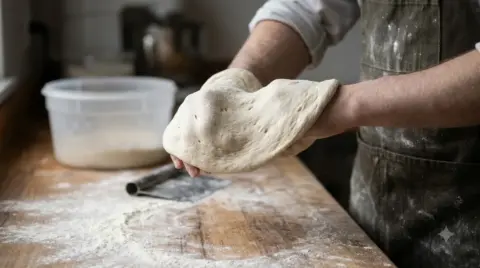
- Shape the dough gently, starting from the center and working outward.
Handle the dough softly during the first minute of shaping. Pressing hard on cold dough pushes out the gas and makes it tighter, which makes it harder to stretch.
Warming does two jobs at once. The dough softens as it approaches room temperature, and the gluten loosens so the ball can be stretched without snapping back. If you rush the first job, the second one does not happen, and the dough fights you at the counter. This is why the wait matters even when the dough looks ready.
Choose a spot that is out of direct sun and away from the oven or a heater. A stable room temperature gives the most even warm-up, while a spot near heat warms the outside first and leaves the center cold.
How Long Should Cold Dough Sit Out?
For most cold dough balls, plan on 30 minutes to 2 hours at room temperature before shaping. The shorter end suits dough that is already soft, and the longer end suits dough that is still firm when you start. Knowing how to bring pizza dough to room temperature well is mostly about matching the wait to the dough in front of you, not following one number. If you are planning the whole schedule, our guide on how long to proof pizza dough covers the rise itself.
Dough straight from the fridge needs the longest warm-up, while dough that has already sat out for part of the wait needs only a short check. Count from the moment the dough leaves the fridge, not from when you first noticed it.
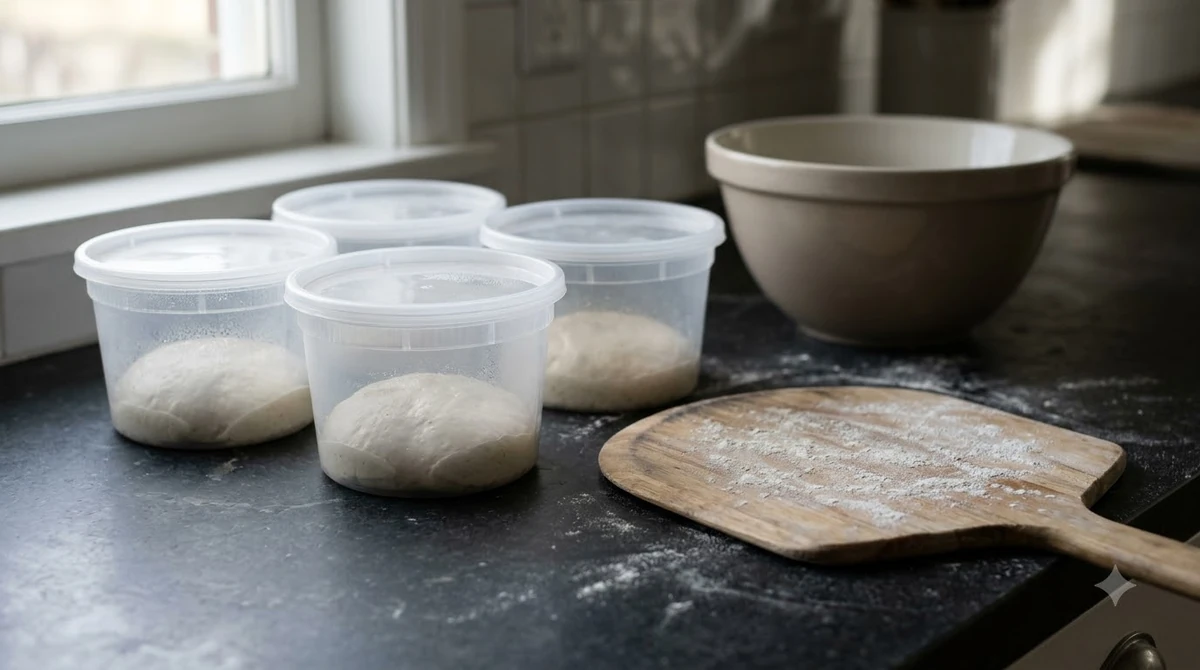
The table below shows the timing given by each source. Use it as a starting point, then check the dough.
| Situation | Suggested wait | Source |
|---|---|---|
| Cold-fermented dough, before shaping | 20 to 30 minutes to warm a bit | Stadler Made |
| Refrigerated dough balls, covered | 2 hours to return to room temperature | Gozney Academy |
| Dough straight from the fridge | 30 minutes to 1 hour to reach room temperature | Prepa Pizza (retailer blog) |
| Balls after cold fermentation, before stretching | 2 to 4 hours of final rest | Stadler Made |
The final rest is a separate step. It happens after you shape the balls and before you stretch them into bases. If you plan to make pizza later, cover the balls and let them rest again rather than leaving them out all day.
Why Cold Dough Tears and How to Avoid It
Cold dough tears because the gluten is tight and the dough is stiff. Stadler Made warns that dough “might tear quickly” if you start shaping it into balls too quickly, so the relaxing step is not optional.
Prepa Pizza notes that dough straight from the fridge may be stiffer and less pliable. Signs that you need more time include:
- The dough springs back hard when you press it.
- The edges crack or pull away when you start to stretch.
- The dough shrinks back to the size it was before you stretched it.
If any of these happen, cover the dough and wait a little longer. Then test it again. Do not force it into shape, because pressing hard can tear the surface. If a base still rips while stretching, see these fixes for pizza dough tearing.
Adjusting the Wait for Your Kitchen
A cool kitchen needs more time than a warm one. Prepa Pizza says a cooler kitchen may need a bit more time, so the clock is only a starting point.
Use these rules to adjust the wait:
- In a cool kitchen, start checking at the 30 minute mark and allow more time if the dough is still firm.
- In a warm kitchen, check earlier, because the dough will soften faster.
- Large dough balls take longer than small ones, even in the same room.
Dough made in a larger batch and divided into balls often takes longer to warm than a single small ball. Plan for the largest ball in the group, then check the smaller ones earlier. A cool day or an air conditioned room can add time, so build a buffer into your plan rather than shaping early.
This advice applies to typical home kitchens. If your dough sits in an unusually cold room or near a draft, the timing will be longer than the table shows. Trust the dough check over the clock.
Mistakes to Avoid When Warming Cold Dough
The most common mistake is leaving cold dough out too long, or shaping it straight from the fridge. Both lead to a poor base, even when the recipe is right.
- Leaving dough out for many hours. It keeps fermenting, which can over-proof it and make the flavor sour. Here is how to spot and rescue overproofed pizza dough.
- Skipping the cover. A dry surface forms a skin that tears when you stretch the dough.
- Shaping cold dough right away. The dough is tight and tears easily.
- Using a warm spot to speed things up. The outside warms faster than the center, so the dough rises unevenly.
If you plan to make pizza later, plan the timing backward from your bake time. Take the dough out early enough to allow the full warm-up, and keep it covered the whole time.
Another common slip is forgetting the dough after you take it out. Set a timer when you start the warm-up, and check the dough at the 30 minute mark so it does not over-proof while you are busy.
Frequently Asked Questions
Can I leave pizza dough out overnight to warm up?
No. Dough left out for many hours keeps fermenting, so it can over-proof and turn sour. Warm it for the planned window, shape it, or return it to the fridge if you need more time.
Do I need to cover the dough while it warms?
Yes. Gozney suggests placing an upturned bowl over the balls so the surface stays moist while the dough relaxes.
How do I know the dough is ready?
The dough should feel soft and slightly tacky. A gentle poke should spring back slowly and leave a small indent. If it springs back fast, give it more time.
Does store-bought pizza dough follow the same steps?
Use the timing on the package as your first guide, then apply the same checks. The dough should feel soft, relax under your hands, and stretch without tearing.
Can I shape cold dough right away?
You can try, but cold dough is tight and may tear. Give it a rest first, so the gluten relaxes and the dough stretches more easily.
What if the dough is still cold after two hours?
Give it more time and check again. Stadler Made gives 18 C (64.4 F) as the minimum interior temperature before shaping, so a dough that still feels firm in the center needs more warming, not more pressure.
Is there a faster way to warm pizza dough?
The reliable method is to plan ahead and let the dough warm slowly under cover. The sources reviewed for this guide do not give a tested faster method, so avoid heat sources that could cook or dry the surface.
If you are in a hurry, start the warm-up early rather than cutting the rest short. Dough that has warmed fully is easier to shape without tearing. Check the dough before you start stretching. If you make dough ahead of time, our guide to cold ferment pizza dough explains the rest of the cold-fermentation routine.
 8 min readLearnHow Long Can Pizza Dough Sit Out at Room Temperature?Updated Nov 11, 2026
 5 min readLearnHow Long to Rest Pasta Dough Before RollingUpdated Nov 13, 2026
 8 min readLearnPizza Dough Temperature: The Ideal Range and How to Control ItUpdated Nov 10, 2026
 5 min readLearnHow to Store Pizza Dough in the Fridge: Container and TemperatureUpdated Nov 13, 2026
 8 min readLearnNeapolitan Pizza Recipe: Dough, Temperature and Baking at HomeUpdated Nov 10, 2026
 9 min readLearnWhat Temperature to Bake Pizza in a Home OvenUpdated Nov 10, 2026