
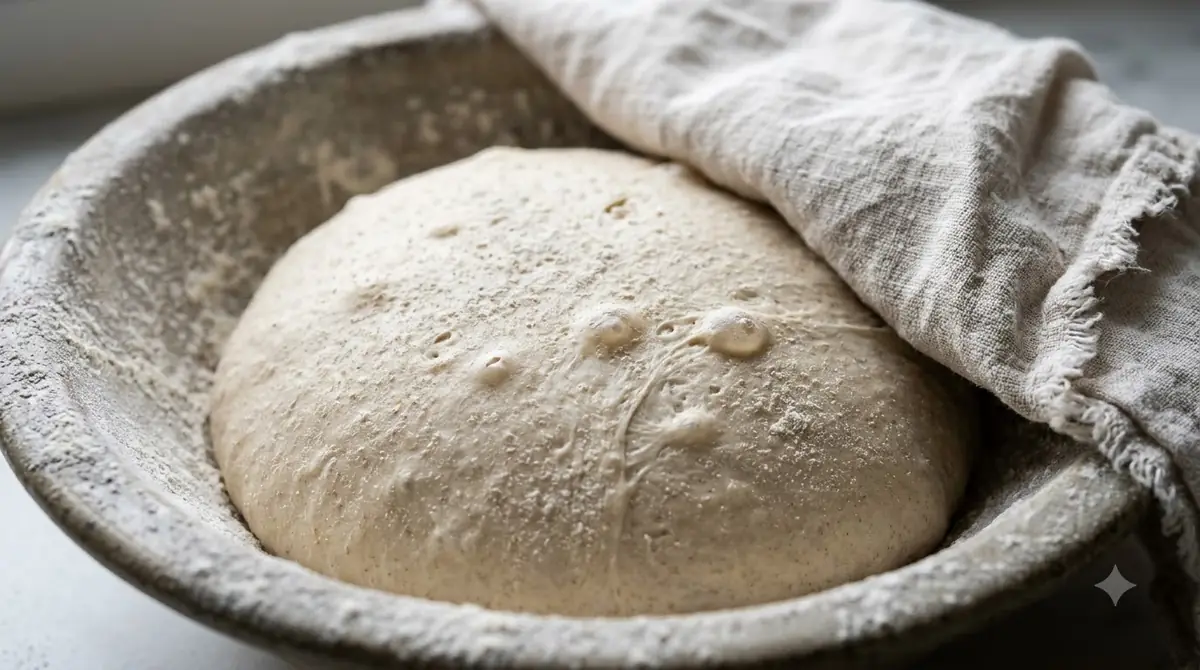

The pizza dough temperature that works best is about 75 to 78°F (24 to 25°C) for a yeasted wheat dough, because that range gives a steady rise without rushing the yeast. Dough temperature controls how fast fermentation runs, how the gluten feels, and how the crust tastes at the end.
Water temperature is the main tool you have for hitting that target, while room temperature and mixing time shift the result. If you want a slow, cold fermentation, aim for a lower dough temperature from the start.
What temperature should pizza dough be?
Pizza dough should finish mixing between 68 and 78.8°F (20 to 26°C), according to Stadler Made, a specialist pizza guide. Within that range, the yeast works at a healthy pace and the gluten stays relaxed enough to stretch.
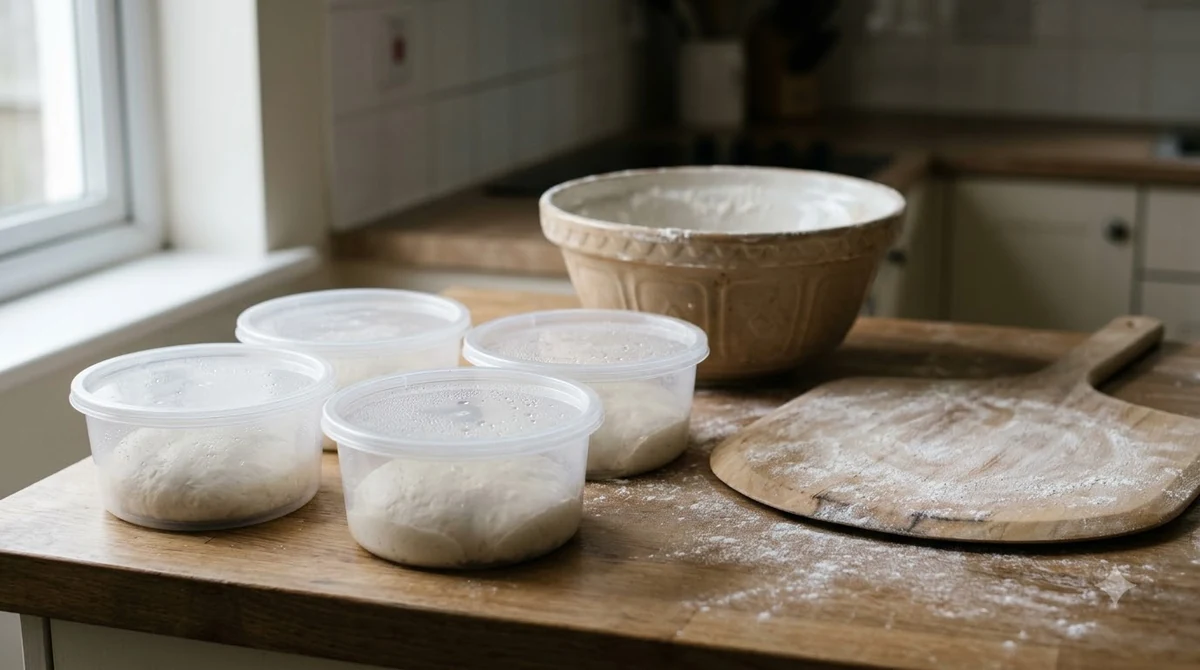
The 75 to 78°F (24 to 25°C) band is the common target that Prepa Pizza gives for wheat-based yeast dough. It is a sensible starting point for most home kitchens, because it sits in the middle of the range where the dough is predictable.
Temperature changes how the yeast behaves at each end of the range, so the pizza dough temperature you pick decides the pace of the whole bake:
- Below 68°F (20°C), the yeast becomes sluggish and the dough rises slowly.
- Between 86 and 95°F (30 to 35°C), the yeast works very fast and the gluten turns stiff, which makes the dough harder to shape.
- Above about 80°F (27°C), the dough risks over-proofing, meaning it ferments past its best and loses structure.
Cold dough is not a safe fallback either. At about 60.8°F (16°C), yeast activity is at its slowest and the gluten relaxes so much that the dough balls flatten.
Think of the pizza dough temperature as a window rather than a single number. Inside the window, small changes in the room or the mixer move the rise only a little, which is why a steady target is easier to repeat batch after batch.
How to control dough temperature with water
Water temperature is the main lever for final dough temperature, so you adjust the mixing water before anything else. Flour, room air and mixer friction all add heat, but the water is the one input you set on purpose.
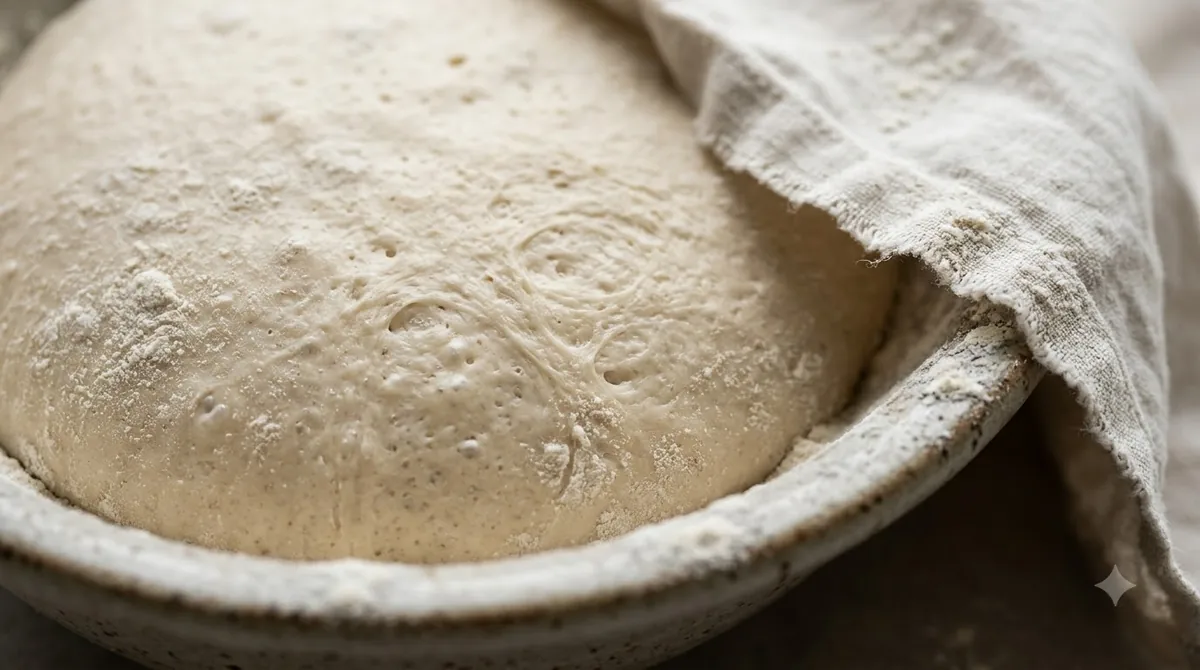
Stadler Made gives a formula for machine mixing: desired water temperature equals three times the desired dough temperature, minus the sum of room temperature, flour temperature and the friction factor of your mixer. The Stadler Made dough temperature guide explains each term and why the friction factor has to be measured for your own machine.
In practice, the process runs in four steps:
- Measure the room temperature and the flour temperature with a thermometer.
- Choose a target dough temperature, usually 75 to 78°F (24 to 25°C).
- Calculate the water temperature with the formula, then mix with water at that temperature.
- Check the dough right after mixing and adjust the water next time if you missed the target.
Mixing time matters too, because it changes the pizza dough temperature in the bowl. Longer mixing creates more friction and raises the temperature, so a dough that runs warm may need shorter mixing or colder water. Hand kneading adds far less heat, so the water temperature is less critical when you knead by hand.
Flour matters before you even start. Flour that has been stored in a warm spot adds heat to the mix, so keep it cool and measure its temperature, the same way you measure the room. Water also has limits. Water that is too cold slows fermentation, and water that is too hot can kill the yeast, so stay in a moderate range when you mix.
How to measure pizza dough temperature
A thermometer tells you more than the clock or the room does. Use a probe thermometer and push it into the center of the dough ball, not the surface, because the surface cools faster than the middle. Read the number right after mixing, when the dough has come together but before the first rise starts.
Check the reading again at the end of the bulk rise. If the pizza dough temperature has climbed well above your target, the dough will ferment faster than planned, and the next batch needs cooler water or a shorter mix. A dough that finishes below target will simply take longer.
Keep a short log for the first few batches. Write the room temperature, the flour temperature, the water temperature, the mixing time and the final reading. After a handful of bakes, you will see the pattern for your kitchen and your mixer, and the pizza dough temperature stops being a guess.
Room-temperature rise or cold fermentation
A room-temperature rise and a cold fermentation both work, but they call for different dough temperatures and give different flavor. A warmer pizza dough temperature finishes sooner, while a cooler one takes longer and builds more complex taste.
King Arthur’s Neapolitan-style crust recipe uses lukewarm water at 105 to 115°F, then lets the dough rise at room temperature for at least 12 hours and up to 24 hours. That recipe is a room-temperature rise, so the dough should sit warmer than a cold-fermented dough. The King Arthur Neapolitan-style crust recipe lists the full timing.
A cool kitchen changes the picture. In winter, a room-temperature rise stretches toward the longer end of that window, while a warm summer kitchen can finish near the shorter end. In both cases, the pizza dough temperature you measure at the start is a better guide than the number of hours on the recipe card. For timing, see how long to proof pizza dough, and for a full formula try the Neapolitan pizza dough recipe.
| Method | Dough temperature | Timing | Flavor effect |
|---|---|---|---|
| Room-temperature rise | Warmer, about 75 to 78°F (24 to 25°C) | 12 to 24 hours in the King Arthur recipe | Milder, faster fermentation |
| Cold fermentation | Toward the cooler end of the 68 to 78.8°F (20 to 26°C) range | Longer, set by your recipe | Slower fermentation builds more complex flavor |
Slow sourdough ferments often aim lower still, near 65°F (18°C), according to Prepa Pizza. Choose the method by your schedule and the flavor you want, not by a single correct number. Whichever route you take, the pizza dough temperature at the start of the rise sets the timing for everything after it.
Common mistakes with dough temperature
The most common mistake is assuming room temperature alone sets the pizza dough temperature. Mixing heat and warm water often push the dough higher than the room would suggest.
- Using the same water temperature every time, even when the kitchen is warmer or cooler than before.
- Ignoring mixing time, since a long mix in a stand mixer warms the dough faster than most people expect.
- Guessing whether the dough is ready instead of checking its temperature with a probe thermometer.
- Letting the dough rise above about 80°F (27°C), where it over-proofs and tears when shaped.
- Shaping cold dough straight from the fridge, before it has warmed up enough to stretch.
The fix is the same in each case: measure the pizza dough temperature, adjust the water on the next batch, and keep the rise room in a steady spot.
Frequently Asked Questions
What is the ideal pizza dough temperature?
Stadler Made gives 68 to 78.8°F (20 to 26°C) as the ideal final dough temperature, so the pizza dough temperature target sits inside that band. For most yeasted wheat doughs, 75 to 78°F (24 to 25°C) is a practical target that gives a steady, predictable rise.
Does warmer pizza dough rise faster?
Yes. A higher pizza dough temperature speeds yeast activity, so the dough reaches full size sooner. Above about 80°F (27°C), however, the dough can over-proof and lose its structure, so warmer is not always better.
What water temperature should I use for pizza dough?
There is no single number. Use the formula in the second section, with your room and flour temperatures and your mixer’s friction, to find the water temperature that lands the dough in your target range. Then measure the dough after mixing and adjust.
Can I cold ferment dough at a warmer temperature?
You can, but the result changes. Warmer dough ferments faster, so a warm cold ferment finishes sooner and develops less flavor. Shorten the fermentation time if you keep the dough warmer than a classic cold ferment.
Why did my pizza dough over-proof?
Over-proofing usually means the dough ran too warm for too long. Dough above about 80°F (27°C) ferments quickly, so it can collapse or tear when shaped. Check the dough temperature and shorten the rise on the next batch.
Check the pizza dough temperature right after mixing, and write it down with the room temperature for each batch. Over a few bakes, you will know which water temperature gives the rise and flavor you want, and the same method will work for the next dough.
 8 min readLearnHow to Bring Pizza Dough to Room Temperature Before ShapingUpdated Nov 11, 2026
 8 min readLearnHow Long Can Pizza Dough Sit Out at Room Temperature?Updated Nov 11, 2026
 5 min readLearnHow to Store Pizza Dough in the Fridge: Container and TemperatureUpdated Nov 13, 2026
 8 min readLearnNeapolitan Pizza Recipe: Dough, Temperature and Baking at HomeUpdated Nov 10, 2026
 9 min readLearnWhat Temperature to Bake Pizza in a Home OvenUpdated Nov 10, 2026
 5 min readLearnPizza Oven Chicken Wings: Temperature, Time and DonenessUpdated Nov 13, 2026