
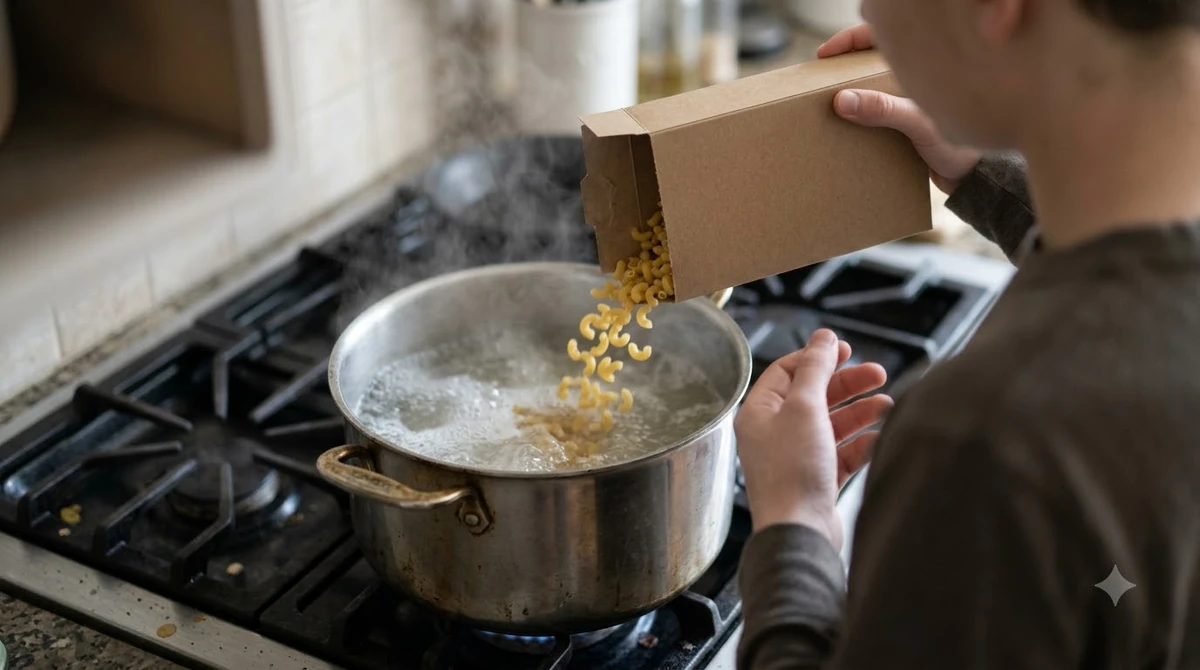

Here is how to keep pasta from sticking: cook it in plenty of boiling water, add it only after the water reaches a full boil, and stir once or twice right away. Skip oil in the pot, and do not rinse the cooked pasta, because rinsing washes off the starch that helps sauce cling. Amounts matter as much as technique.
Too little water leaves noodles sticky, and too much water thins the starch so the sauce will not cling. The sections below explain how to keep pasta from sticking with both dried and fresh pasta.
Why pasta sticks, and how to keep pasta from sticking in the pot
Pasta sticks because starch on the surface of the noodles releases into the water, and strands that touch each other early on can fuse before the water separates them.
The first few minutes in the pot matter most. Tasting Table notes that when noodles have no room to move, they tend to cling to each other, which is why crowding and a weak boil cause the same problem.
The three most common causes
- Too little water, so the starch is not diluted and the noodles stick.
- Pasta added before the water is at a full boil, so it sinks into a mass.
- A crowded pot, where strands have no space to separate.
Common mistakes that make pasta clump
Most of the advice about how to keep pasta from sticking is about avoiding a few habits that look helpful but make the problem worse. Oil in the water, a rinse after draining, and a pot that is too small all show up in home kitchens, and each one has a clear effect on the finished dish.
- Adding oil to the water, which coats the noodles and blocks the sauce.
- Rinsing hot pasta, which strips the starch that helps the sauce hold.
- Using too little water, which leaves the strands sticky.
- Leaving drained fresh pasta in the colander while you finish the sauce.
Use enough water and a big enough pot
Use about 4 to 5 quarts of water for every pound of pasta, in a pot that holds at least 6 quarts per pound, so the noodles can spread out as they cook.
Blue Jean Chef’s cooking school gives the same range: use 4 to 5 quarts of water for every 1 pound of pasta, boiling vigorously. Tasting Table gives about 4 quarts per pound and recommends a pot of at least 6 quarts for one pound, so the noodles have room to move.
Water volume works in both directions, and getting it right is the first step in how to keep pasta from sticking. Too little water leaves noodles sticky, while too much water thins the starch so the sauce will not cling. Do not pack the pot either, because noodles with no room to move cling together. If your pot is too small, see our picks for the best pasta pots.
Boil first, add the pasta, then stir once or twice
Add the pasta only after the water reaches a full rolling boil, then stir once or twice right after it goes in.
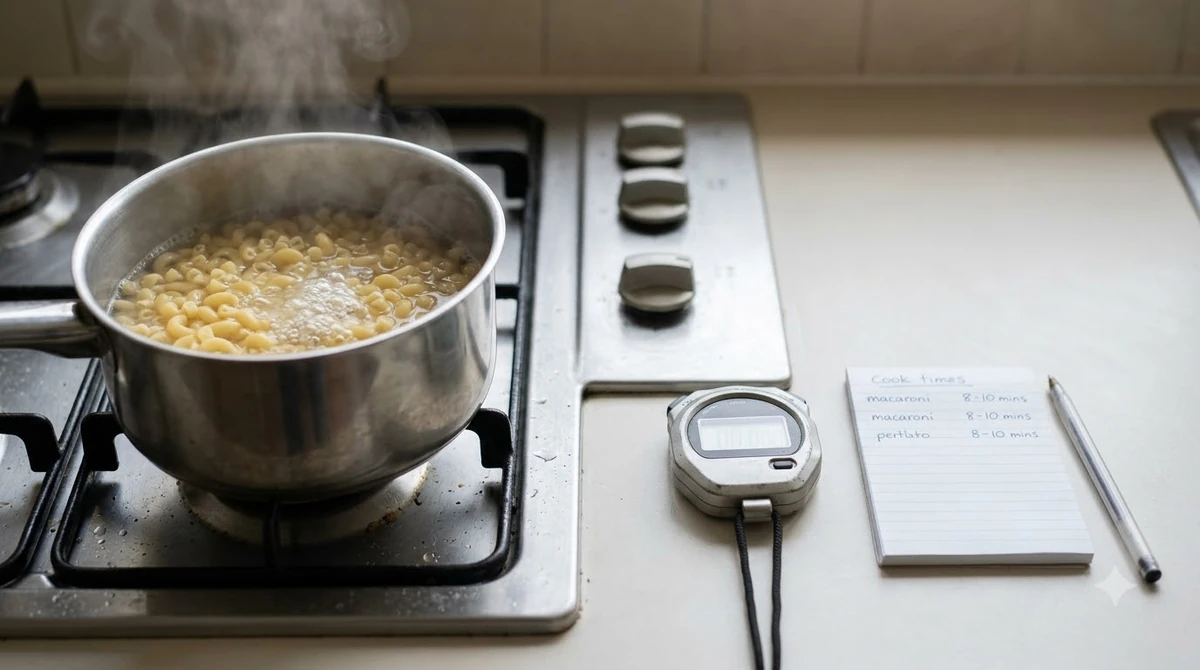
Tasting Table advises bringing the water to a rolling boil before the noodles go in. The bubbles help keep spaghetti from sinking into one mass, and the boil gets the pasta through its early starch-release phase faster.
- Bring the salted water to a full rolling boil.
- Add the pasta all at once, or lower long strands gently so they fan out into the water.
- Stir once or twice right away to separate the pieces.
- Keep the water at a boil while the pasta cooks, and check the package for the cook time.
A Blue Jean Chef reply makes the same point about how to keep pasta from sticking: a good stir once or twice should be all you need, so there is no need to stir constantly. The article does not give a set number of seconds for the first stir.
Salt for flavor and skip oil in the pot
Salt seasons the water but does not stop sticking, and oil in the pot floats on top and coats the noodles, which keeps the sauce from clinging.
Blue Jean Chef recommends at least 2 tablespoons of salt for every 4 quarts of water, so the water tastes slightly salty. Treat salt as a flavor step rather than a method for how to keep pasta from sticking; here is more on salting pasta water.
Oil is the most common myth about how to keep pasta from sticking. The same cooking school advises against adding oil to the pot, because it floats and coats the noodles so the sauce will not cling. Oil has a different job once fresh pasta is cooked, which is covered in the sections below, and the full case is in do you put oil in pasta water.
Do not rinse, and sauce it while it is warm
Do not rinse hot pasta, because rinsing removes the starch that helps sauce stick to the noodles, and you should move the drained pasta into the sauce promptly. This step matters as much as the boil in how to keep pasta from sticking after it leaves the pot, and rinsing pasta after cooking is only right for cold dishes.
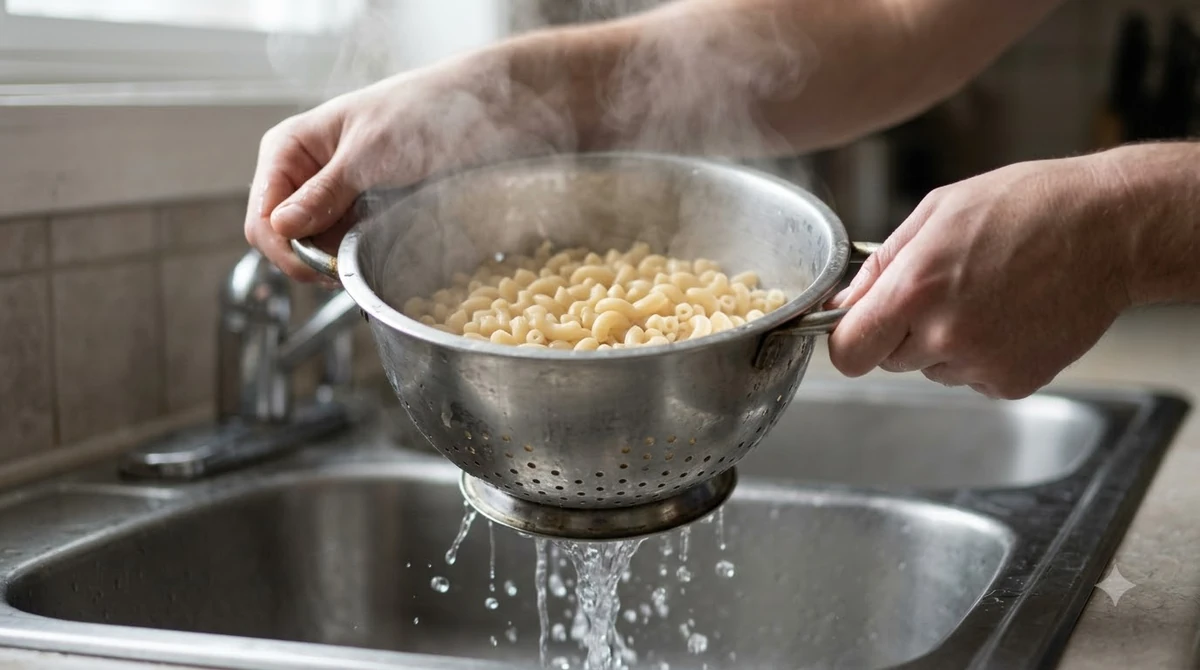
Blue Jean Chef’s only exception is cold pasta salad, where rinsing is the right step. For hot pasta, drain it and toss it with the sauce while it is still warm.
Do not leave cooked fresh pasta sitting in the colander. America’s Test Kitchen notes that fresh pasta is softer than dried, so add it straight to the sauce, or toss it gently with oil or butter so the pieces stay separate.
Fresh pasta before cooking
Fresh pasta mostly sticks before it reaches the water, so dust it with flour, keep the pieces apart, and let shaped pasta rest for about 15 minutes.
America’s Test Kitchen’s guide to fresh pasta suggests these habits for how to keep pasta from sticking while you shape it:
- Dust the rolling pin, work surface, pasta and your hands with flour, and keep a small bowl of flour at your station.
- Do not stack or layer shaped pieces while they cure. For strands, gently lift the pasta and shake it out on the work surface.
- Cover the dough and the pasta with a damp towel while you roll and cut, so the pieces do not stick to each other or dry out and crack.
- Let shaped pasta rest for about 15 minutes so it dries slightly and keeps its shape.
Dried pasta follows the same water, salt and stirring steps for how to keep pasta from sticking, and the full method for cooking fresh pasta has its own timing. The cook time comes from the package, and the sources we read did not give a set time for every shape.
Frequently Asked Questions
Does salt keep pasta from sticking?
No. Salt seasons the water, and Blue Jean Chef suggests at least 2 tablespoons per 4 quarts so the water tastes slightly salty. Use it for flavor, not as a sticking fix.
Should I add oil to the water?
No, oil does not help with how to keep pasta from sticking. Oil floats on the water and coats the noodles, which keeps the sauce from clinging. Enough water and a few early stirs do more to prevent sticking.
Should I rinse pasta after cooking?
Not if you are serving it hot with sauce, because rinsing washes away the starch that helps the sauce adhere. Rinse only when you are making cold pasta salad.
Does fresh pasta change how to keep pasta from sticking?
Yes. Fresh pasta is softer than dried, so dust it with flour, keep the shaped pieces apart, cover it with a damp towel, and let it rest about 15 minutes before cooking. Do not leave it sitting in the colander after draining.
How much water do I need for one pound of pasta?
For how to keep pasta from sticking, use about 4 to 5 quarts of water per pound, in a pot of at least 6 quarts, so the noodles have room to move and the water stays at a boil.
How long should I cook dried pasta?
Follow the cooking time printed on the package. The sources we read did not give a reliable time for every shape, so check the package label for the exact figure.
Here is how to keep pasta from sticking in short: start with enough water, a full boil and one or two early stirs, then drain the pasta and get it into the sauce promptly. Skip oil in the pot and skip the rinse. These habits prevent most sticky pasta without any special tools.
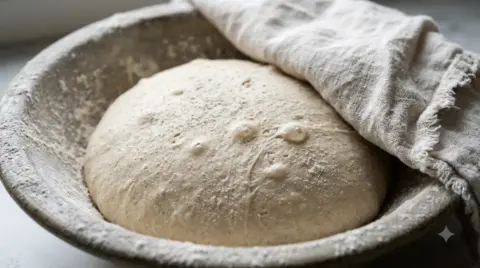 7 min readLearnWhy Pizza Dough Balls Stick Together and How to Stop ItUpdated Nov 11, 2026
 9 min readLearnHow to Reheat Pasta Safely and Keep It MoistUpdated Nov 10, 2026
 8 min readLearnHow to Launch a Pizza Without It Sticking to the PeelUpdated Nov 10, 2026
 8 min readLearnPizza Sticking to Peel: Causes and FixesUpdated Nov 10, 2026
 9 min readLearnHow to Thaw Frozen Pizza Dough Safely and Keep the RiseUpdated Nov 11, 2026
 8 min readLearnHow to Reheat Lasagna and Keep It Moist and SafeUpdated Nov 12, 2026